A Category Ruled by the Retail Calendar
Toys, holiday décor and other seasonal goods share a single defining feature: a fixed selling window that does not move. Unlike replenishable staple goods, seasonal cargo that arrives late does not just cost a few weeks of sales — it can miss the season entirely. Sourcing and shipping plans for this category have to work backward from the retail calendar, not forward from factory readiness.
Why Peak Season Congestion Happens
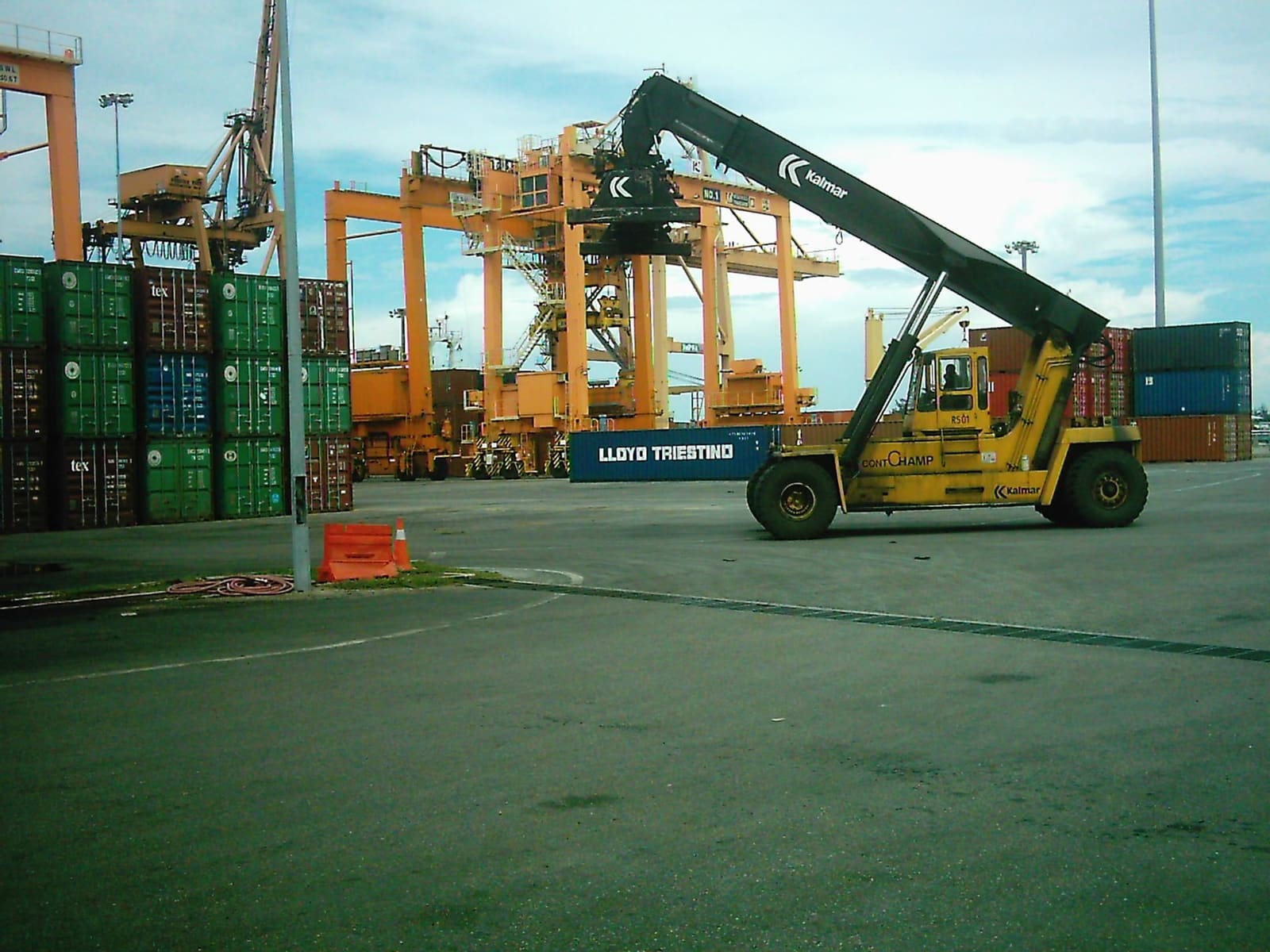
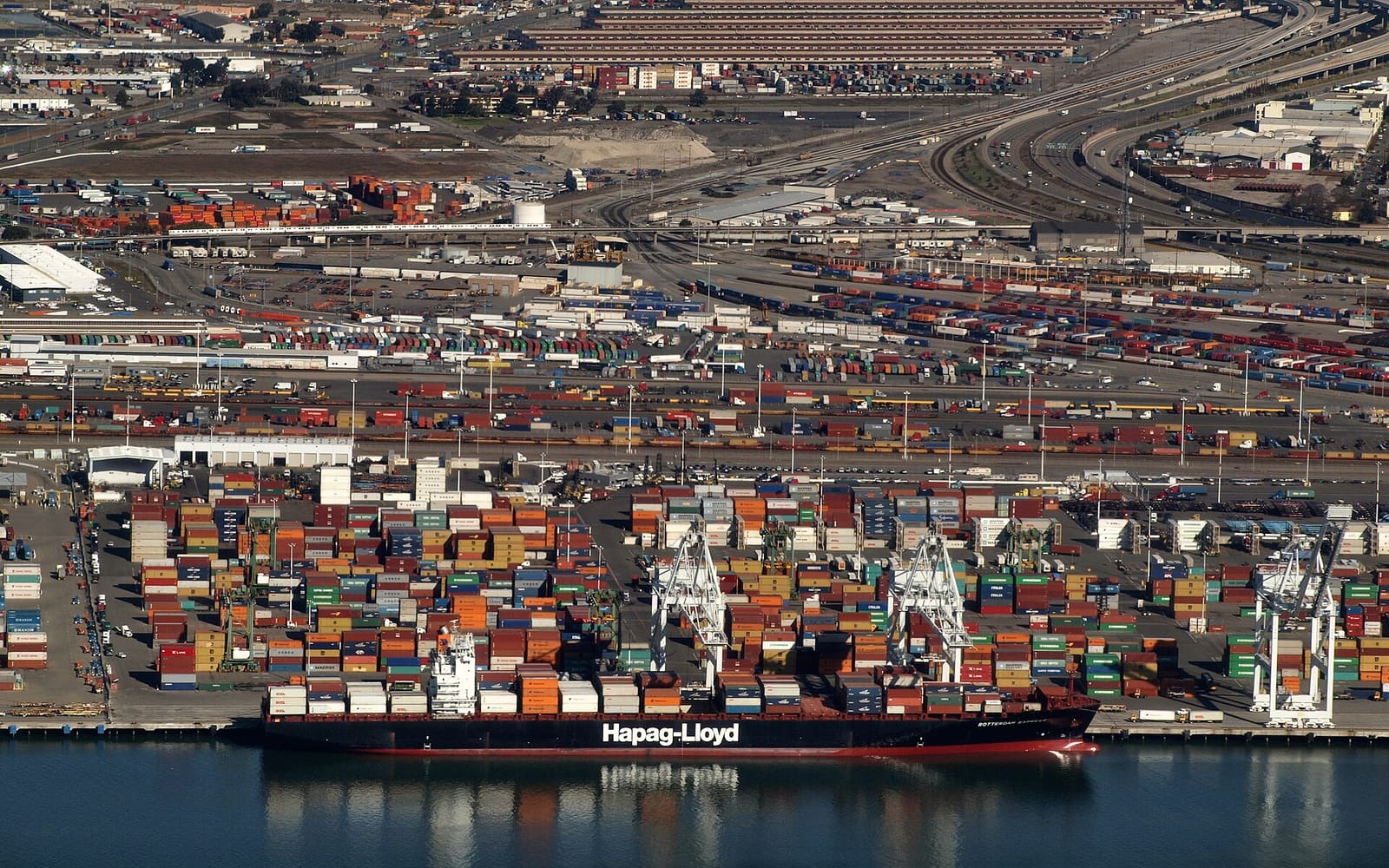
Every year, a large share of retailers and importers try to move seasonal and holiday-adjacent goods through the same ports and onto the same vessels within a compressed window ahead of the buying season. That concentrated demand puts pressure on vessel space, container availability and port throughput all at once, which is what creates the congestion shippers in this category need to plan around. Vessel safety and scheduling standards across this system are coordinated internationally through the International Maritime Organization, but congestion itself is a function of concentrated demand rather than any single point of failure.
The General Peak-Season Window
Demand for vessel space and container equipment out of Chinese ports generally builds through the second half of the year, with the busiest stretch commonly falling in a broad window from roughly August through October, as retailers position inventory ahead of the year-end selling season. Exact timing shifts from year to year, but the pattern of a late-summer-through-autumn crunch is a consistent one to plan around.
What Congestion Actually Looks Like
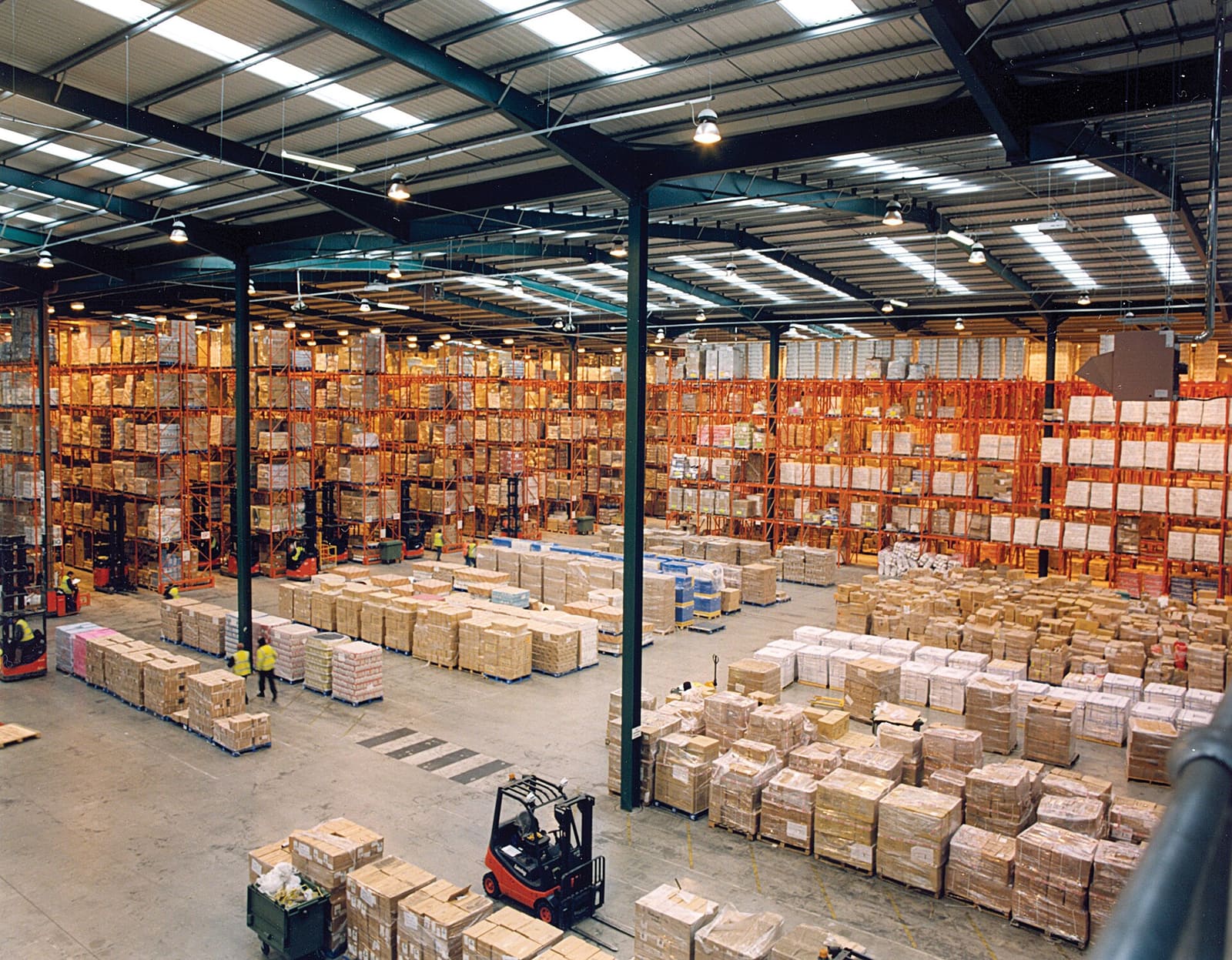
In practice, peak season shows up as longer waits for available container equipment, tighter vessel booking windows, and less schedule flexibility if a shipment slips. None of these are unique to toys and seasonal goods, but the category's fixed selling window means it has the least room to absorb the delay when they happen.
Air Freight as a Peak-Season Safety Valve
Even with careful planning, unexpected demand spikes or production delays sometimes happen. Air freight, while more expensive per unit, can act as a safety valve during peak season — covering a fast-selling line that is running low, or bridging the gap before a delayed sea shipment arrives, without waiting for the next available vessel slot. Standards for this mode are set internationally by the International Air Transport Association, though during peak season the binding constraint is usually available capacity rather than regulation.
Building Lead Time Into Your Sourcing Calendar
The most effective response to predictable seasonal congestion is booking earlier, not hoping for a faster shipment later. Buyers who lock in production and shipping slots well ahead of the peak window generally have more container and vessel options, and more room to absorb the ordinary variability of production and transit time.
Planning Your Peak-Season Shipment Now
If your goods are tied to a holiday or seasonal selling window, the right time to start planning shipping is well before your product is ready to leave the factory. Our team works with toy and seasonal goods importers to build a sourcing and shipping calendar around the selling date, securing space ahead of the peak-season crunch rather than competing for it once it arrives. If you're still evaluating logistics partners, our guide to choosing the right freight forwarder covers the questions worth asking before peak season hits.
Frequently Asked Questions
Demand for vessel space and container equipment generally builds through the second half of the year, with the busiest stretch commonly falling somewhere from roughly August through October as retailers position inventory ahead of the year-end selling season. Exact timing shifts year to year, but the late-summer-through-autumn crunch is a consistent pattern.
A large share of retailers and importers try to move seasonal and holiday-adjacent goods through the same ports and onto the same vessels within a compressed window, putting pressure on vessel space, container availability and port throughput all at once.
It can act as a safety valve — covering a fast-selling line that's running low or bridging the gap before a delayed sea shipment arrives — even though it costs more per unit than sea freight. It's best used to handle unexpected gaps rather than as a primary plan.
Well ahead of the peak-season window. Buyers who lock in production and shipping slots early generally have more container and vessel options, and more room to absorb the ordinary variability of production and transit time.