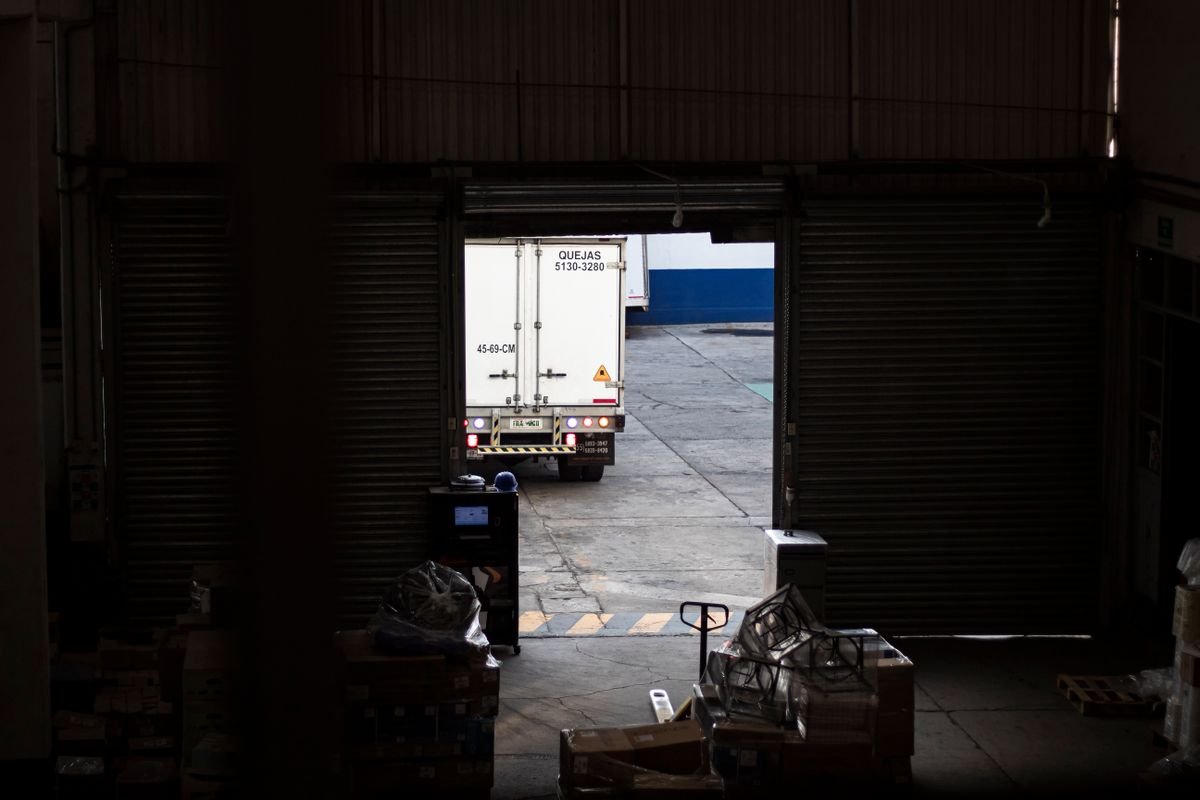
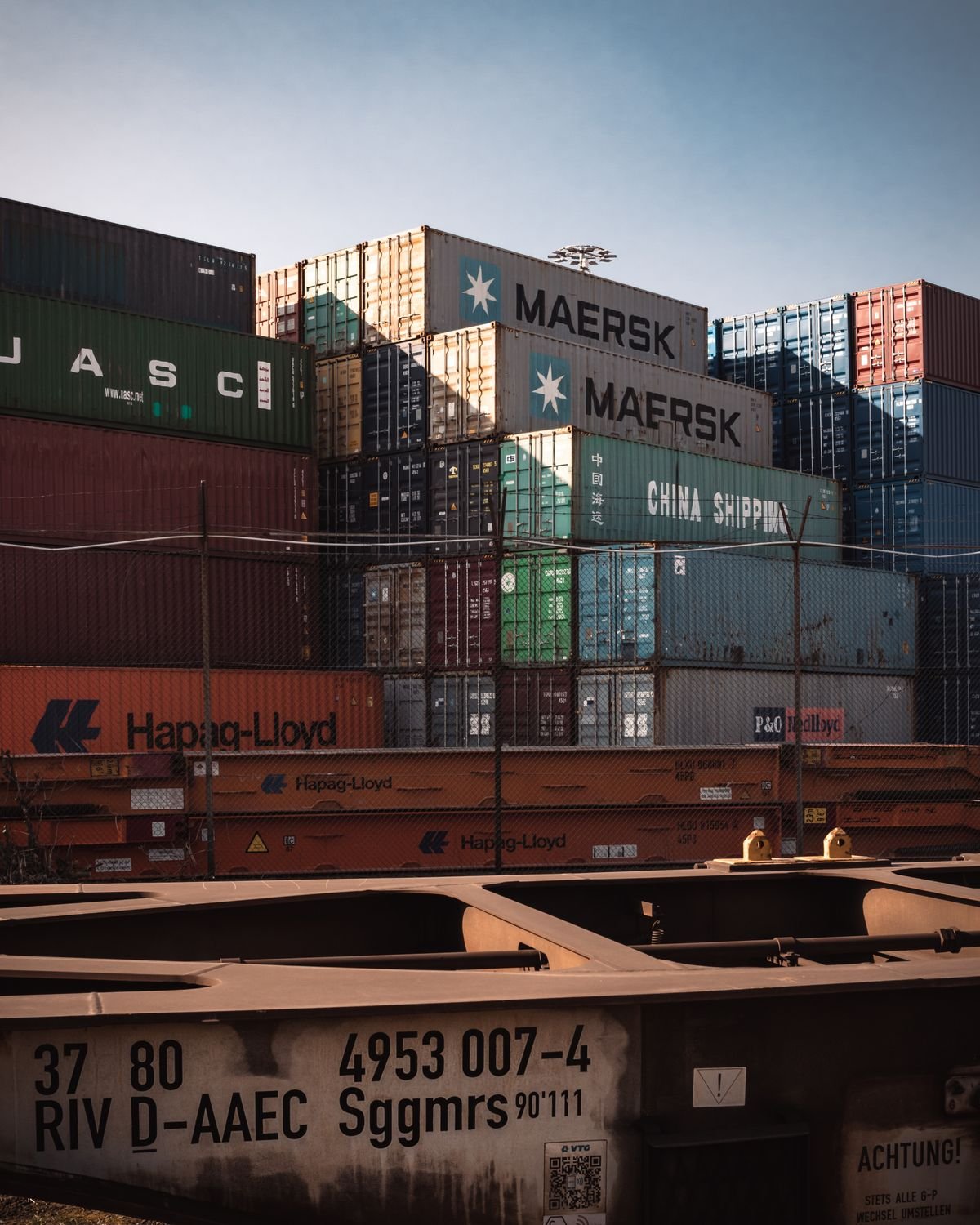
Door-to-door shipping sounds like the simplest option there is: one provider collects the goods from your supplier and delivers them to your address in India. In practice, the phrase describes a scope of service, not a legal status, and the details of that scope decide whether you get a smooth delivery or a surprise bill. This guide explains what door-to-door shipping from China to India usually includes, how it relates to the Incoterms DAP and DDP, who is legally responsible for customs in India, and how to compare quotes.
For the general explanation of the term, see our article on door-to-door delivery. For the lane overview, see our complete guide to China to India shipping.
What Door-to-Door Shipping Usually Includes
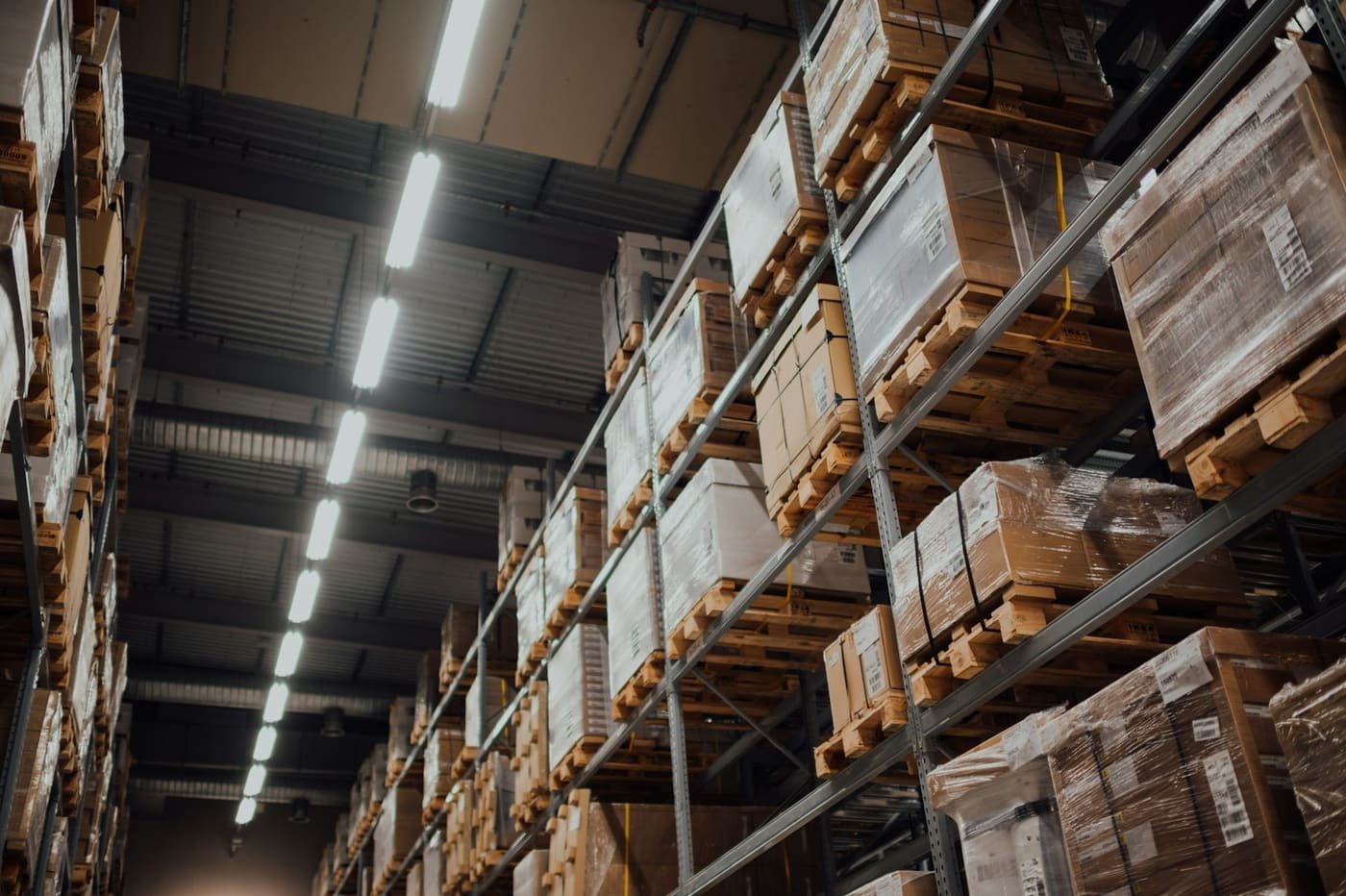
A provider offering door-to-door service takes responsibility for coordinating several legs that you would otherwise book separately. The usual components, and the ones that are often priced separately, look like this:
| Component | Usually part of the service | Often priced separately or excluded |
|---|---|---|
| Pickup at the supplier | Yes, once the cargo is ready | Waiting time if the cargo is late |
| Export clearance in China | Arranged by the provider | Supplier-side fees, depending on the Incoterm |
| Main carriage by sea or air | Yes | Surcharges, if not stated as included |
| Import clearance in India | Customs brokerage and filing support | Customs duty, taxes and any examination charges |
| Port or airport handling | Normally | Storage and demurrage if cargo is held |
| Delivery to your address | Yes, to the agreed address | Delivery outside the agreed area, or delays at the receiver's end |
| Insurance | Sometimes offered | Often optional and charged extra |
The word that matters in "door-to-door" is the second door. Check exactly which address is covered, whether it is a warehouse with a receiving dock, and what happens if nobody is available to receive the cargo.
How a Door-to-Door Shipment Runs
- You and the supplier agree the order, the Incoterm and the delivery address.
- The provider confirms the scope and price in writing and books the cargo.
- The cargo is collected from the supplier once it is ready, and taken to a freight station or the port.
- Export clearance and loading are arranged, with the weight and documents handled before the cut-off.
- The cargo travels by sea or air, and you receive updates.
- The bill of entry is prepared and filed, and the duty is paid by whoever is responsible under your agreement.
- After customs clearance, the cargo is released and trucked to your address.
- You check the delivery against the packing list and report any damage or shortage immediately.
Door-to-Door and Incoterms: DAP and DDP
A door-to-door service is a service. An Incoterm is a term of sale that sets who does what between buyer and seller. The two are related but not the same. Under the ICC's Incoterms 2020, DAP (delivered at place) has the seller deliver the goods to the named place of destination, ready for unloading, with import clearance left to the buyer. DDP (delivered duty paid) goes further and has the seller take care of import clearance and the duties and taxes.
| Term | Who handles import clearance | What a door-to-door quote under it means |
|---|---|---|
| FOB or EXW | The buyer | Your forwarder arranges the journey and clearance on your instructions, and you pay the freight and charges |
| CIF | The buyer | The seller's price includes main freight and insurance, and you handle clearance and delivery in India |
| DAP | The buyer | The seller delivers to your address, and you or your broker clear the goods and pay duty |
| DDP | The seller | The seller is responsible for clearance and duty, which raises the question of who the importer in India is |
A forwarder's door-to-door service can sit on top of any of these. A supplier's door-to-door price under DAP or DDP is a different thing from a forwarder's service. Always ask which one you are being offered.
Who Is Responsible for Customs in India
Door-to-door does not remove the importer's legal responsibilities. Section 46 of the Customs Act, 1962 makes the importer responsible for presenting the bill of entry electronically, and Section 46(4A) requires the importer to ensure the accuracy and completeness of the information, the authenticity of the supporting documents and compliance with any restriction or prohibition. A broker can do the filing, but the obligations stay with the importer.
India's Foreign Trade Policy 2023 also says no import may be made without an Importer Exporter Code unless the person is specifically exempted. So if a seller offers DDP, ask who will present the bill of entry and whose IEC will appear on it. If the answer is unclear, the service may not be as door-to-door as it sounds. Section 47 adds that duty on a self-assessed entry is payable when the bill of entry is presented, which means the money must be ready before the cargo arrives.
When Door-to-Door Makes Sense
- You import occasionally or are new to the lane, and want one party to coordinate the legs.
- You ship small or mixed consignments where managing separate providers costs more time than it saves.
- You want a single point of contact when something changes.
- Your receiving address is not in a port city and needs reliable inland delivery.
When You May Prefer to Manage the Legs Yourself
- You are a regular, high-volume importer with established relationships at each stage.
- You want to choose each carrier, depot and transporter on price.
- You need full control of timing at the port, for example to meet production slots.
A growing business can use door-to-door service while it builds in-house expertise. Early shipments teach you which legs are routine and which cause problems. Later you may keep door-to-door for small or awkward consignments and manage the legs of large regular shipments yourself. Revisit the choice whenever your volumes change.
How to Compare Door-to-Door Quotes
Ask every provider the same questions, and write down the answers.
- Where does service start, and which exact address does it end at?
- Is the price all-in, or does it exclude duty, taxes, inspection and storage?
- Which Incoterm does it assume?
- Who files the bill of entry, who is the importer on it, and who pays the duty?
- What free time is included for storage and container use?
- What happens if the receiver cannot accept delivery on the planned day?
- Is insurance included, and for what value?
Our guide to the booking checklist and documents lists what the provider will need from you, and our customs clearance guide explains what happens at the Indian end.
Pricing Models You Will See
Providers price door-to-door service in a few ways. An all-in price bundles carriage, handling and clearance into one figure, which is simple but can hide what is excluded. An itemised price lists freight, origin charges, destination charges and fees, which is easier to compare. A hybrid gives a fixed price for the carriage and passes through charges that depend on the port, such as storage or examination. None is better in itself. What matters is that the quote says which items are fixed, which can change and what would trigger a change.
Documents and Information You Provide
Even with a single provider, some inputs can only come from you:
- your Importer Exporter Code and the importing entity's details;
- the commercial invoice and packing list, or the supplier's details so the provider can request them;
- the goods description and HS code;
- the delivery address, a contact person and the receiving hours;
- any licences, certificates or test reports for regulated goods;
- insurance instructions.
Problems to Watch For
- A vague second door. The quote ends at the port or at a city, not at your warehouse.
- Duty left out of the headline price. The delivered price looks low, then duty and tax arrive as an extra invoice.
- Inconsistent documents. If the invoice and packing list disagree, delivery can stall at customs, wherever the cargo is.
- No plan for the receiver. Nobody is available to receive the cargo, and waiting time or storage accrues.
- An unclear importer. The legal importer in India is not identified, so nobody can say who is responsible for the filing.
Door-to-Door with RR Brothers and Logistics
RR Brothers and Logistics can arrange door-to-door movement from China, coordinating sea freight or air freight, customs clearance and brokerage, and delivery in India. Send us your cargo details and the delivery address, and we will tell you exactly which steps are included and which are not.
Frequently Asked Questions
Usually pickup at the supplier, export clearance, main carriage, import clearance support and delivery to your address. Duty, taxes, insurance and time-based charges are often priced separately, so ask for a written scope.
No. Door-to-door is a service scope. DDP is an Incoterm under which the seller is responsible for import clearance and duties. A forwarder can offer door-to-door service under almost any Incoterm.
Not automatically. Check whether the quote includes duty and taxes. Under the Customs Act, duty on a self-assessed entry is payable when the bill of entry is presented.
The importer of record is the person who presents the bill of entry in India and carries the responsibilities under Section 46. Ask who that will be, and whose Importer Exporter Code will be used.
Not always. It can save time and coordination effort, but compare the all-in price and the scope with what you would pay for each leg separately.
The start and end addresses, whether duty is included, the Incoterm assumed, who files the bill of entry, the free time included and what happens if the receiver is unavailable.
Sources
- ICC: Incoterms 2020 rules
- CBIC: Customs Act, 1962 (Sections 46 and 47)
- DGFT: Foreign Trade Policy 2023, Chapter 2 (para 2.05, IEC)
This article is general information, not legal, tax or customs advice. Rules, rates and procedures change; confirm current requirements with the relevant authority or a licensed customs professional before you ship. Regulatory references were checked against the official sources listed above on 25 October 2026.
Image credits: header photo by Claudio Schwarz on Unsplash; photo by CHUTTERSNAP on Unsplash. Used under the Unsplash License.
Request a Quote