Shipping from China to India looks simple on paper: a supplier packs the cargo, a carrier moves it and you receive it. In practice, cost and reliability depend on choices made before the cargo leaves the factory: sea or air, full container or shared space, who handles customs at each end, and who pays for what. This guide walks importers through the whole China to India shipping process so you can plan with fewer surprises.
If you already know your Indian port, our port-by-port guide to shipping from China to India goes deeper on individual gateways. This article covers the journey as a whole, and our step-by-step guide to shipping goods from China to India follows one shipment through each hand-off.
The Main Ways to Ship from China to India
| Option | Best suited to | Main trade-off |
|---|---|---|
| Sea freight, full container (FCL) | Large or regular volumes; heavy or bulky goods | Slowest; you pay for the whole container |
| Sea freight, shared container (LCL) | Smaller orders or several suppliers | Extra consolidation and handling at both ends |
| Air freight | Urgent, high-value or lightweight goods | Highest cost per kilogram |
| Door-to-door service | One provider managing pickup to delivery | Price covers more, so check what is included |
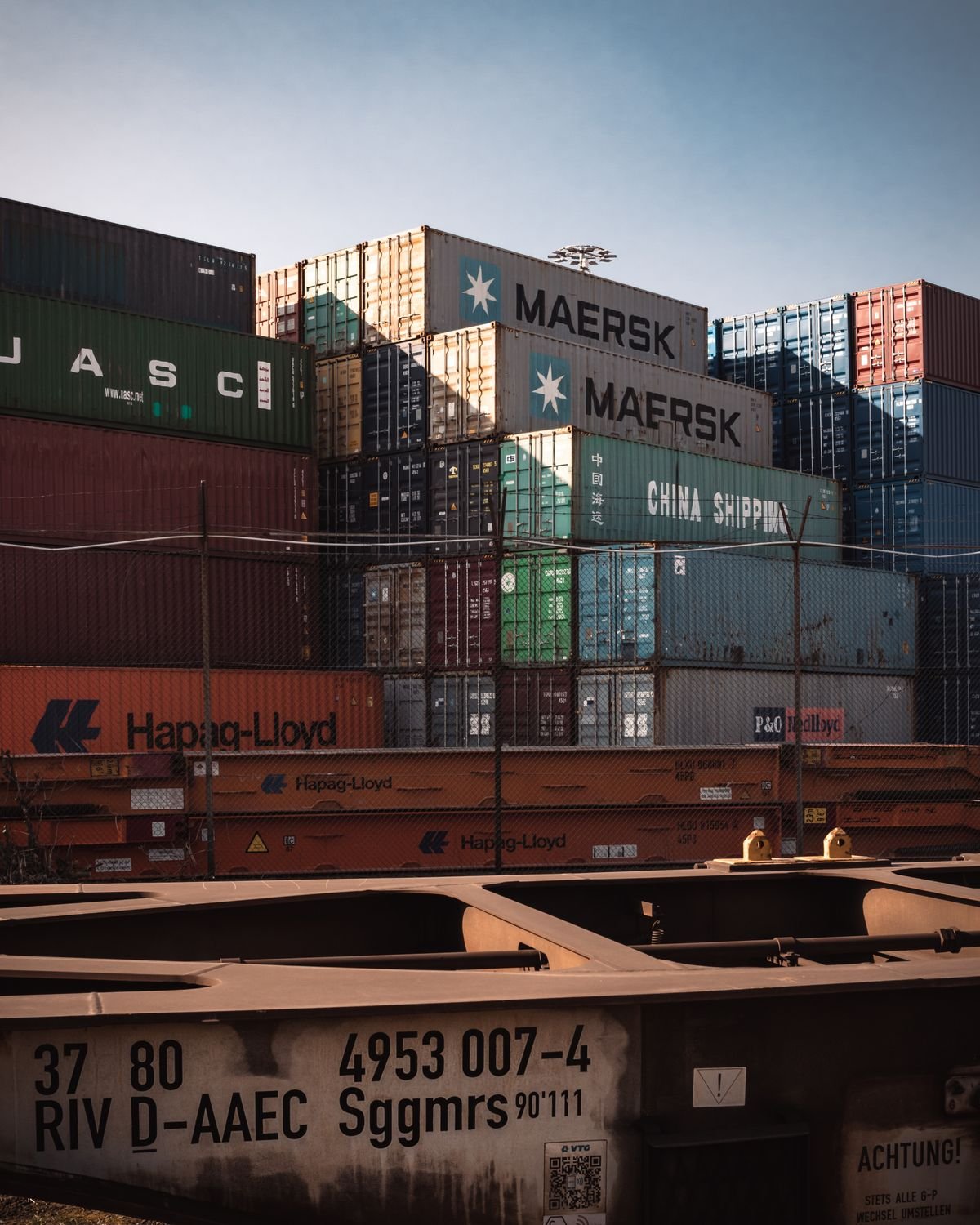
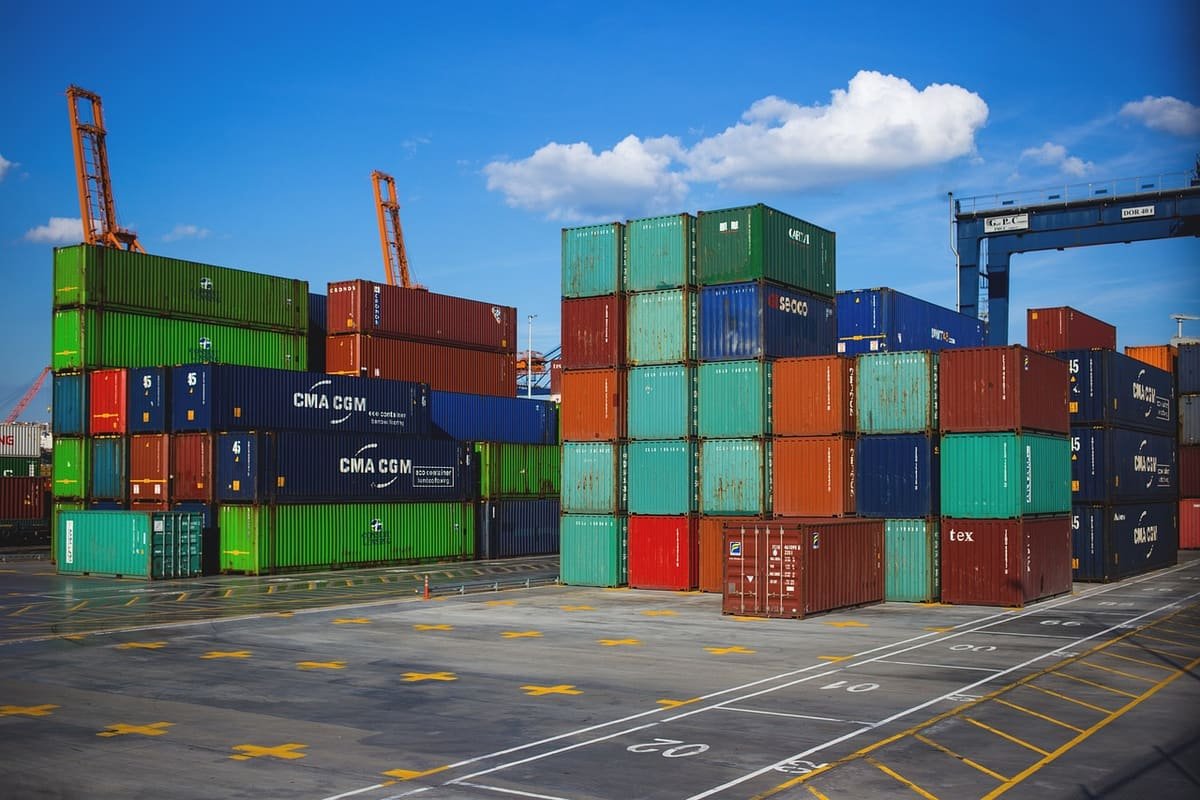
Sea freight is the default for goods that are not urgent. With FCL you book a container for your cargo alone. With LCL your goods share a container, are consolidated at a freight station in China and separated again in India. Our guide to LCL vs FCL for China shipments explains how to choose. RR Brothers and Logistics, as an NVOCC, connects the Chinese gateways of Guangzhou/Nansha, Shenzhen/Yantian, Shanghai and Ningbo with Indian ports including Mumbai/Nhava Sheva and Chennai; see the sea freight service page.
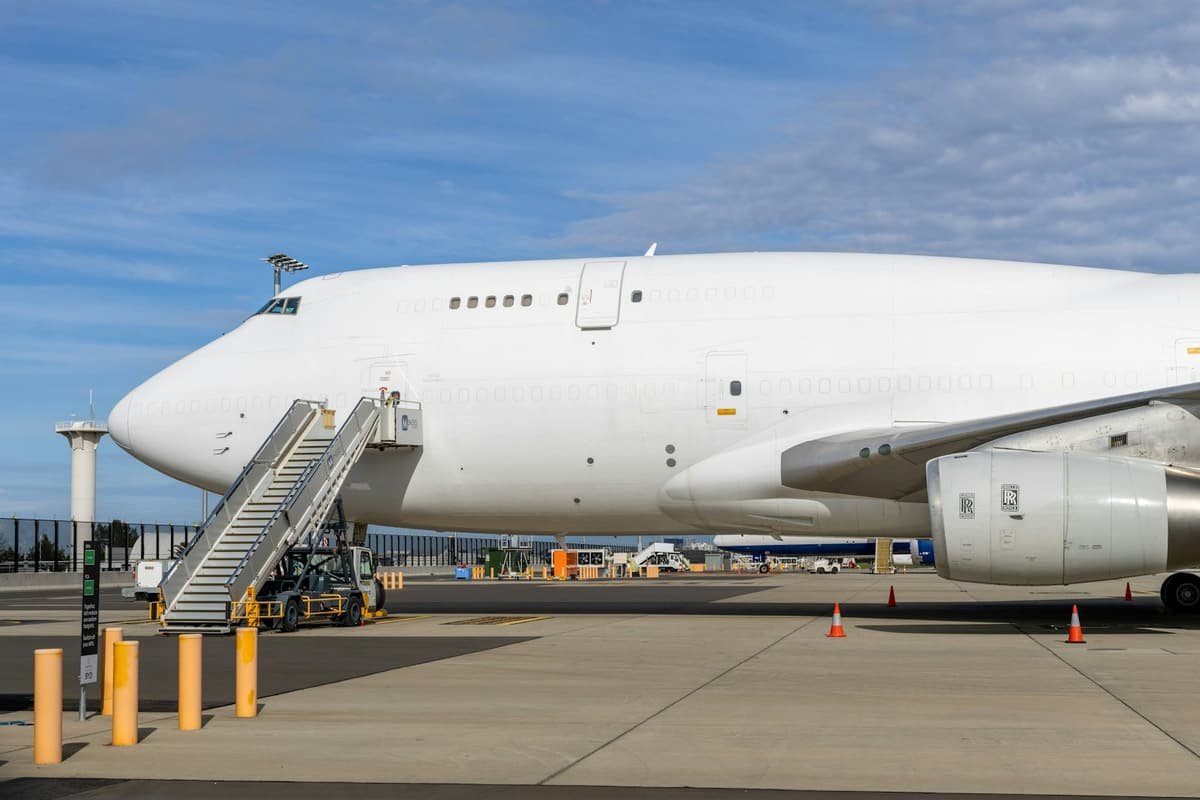
Air freight suits time-sensitive, high-value or compact goods. IATA says air carriers can charge by volumetric or actual weight, whichever is higher, and gives the general rule for volumetric weight as the shipment's volume in cubic centimetres divided by 6,000. Bulky, light packaging can therefore cost as much to fly as dense cargo. Compare modes in our air freight vs sea freight guide or see our air freight service.
Door-to-door means one provider coordinates the movement from your supplier to your address in India. It does not automatically include Indian duties, taxes or customs clearance, so ask for a written list of what is covered. See door-to-door delivery explained.
China to India Shipping, Step by Step
Step 1: Agree the commercial terms
Before you order, agree an Incoterm, the trade term that sets who arranges and pays for each part of the journey and where risk passes from seller to buyer. The ICC lists Incoterms 2020 as the current edition, with eleven rules. Importers sourcing from China often meet EXW, FOB and CIF, which put very different amounts of work and cost on your side. Our Incoterms guide for China sourcing compares them.
Step 2: Classify the goods and check import rules
Each product has a Harmonised System (HS) code that drives its duty and any import conditions. Under India's Foreign Trade Policy, imports are "Free" unless regulated as prohibited, restricted or reserved for state trading enterprises, and domestic laws and technical specifications that apply to Indian-made goods also apply to imports unless specifically exempted. Confirm the code with your supplier and customs broker before shipping; our HS code guide explains why.
Step 3: Get your Importer Exporter Code (IEC)
DGFT's Foreign Trade Policy says no import or export may be made without an IEC unless specifically exempted. The IEC is the same as the holder's PAN and is issued by DGFT on an online application; only one IEC is issued per PAN. The Handbook of Procedures lists the exemptions, including persons importing goods for personal use not connected with trade. Holders must update their IEC online every year during April to June, or it is deactivated until updated. Check DGFT's IEC page for the current procedure.
Step 4: Choose a mode and book a forwarder
Ask forwarders for like-for-like quotes and compare what each includes at origin (pickup, export clearance, terminal charges), on the main leg and at destination (port charges, clearance, delivery). Use our 10 questions to ask a freight forwarder, then request a quote with your cargo details.
Step 5: Export clearance in China
Under GACC Decree No. 103, the consignor of export goods may declare to customs itself or entrust an agent declaration enterprise, both registered with customs. Export declarations are made after the goods arrive at the customs control area but 24 hours before loading. That decree dates from 2003, so confirm current practice with your forwarder. Who handles this step usually follows from your Incoterm.
Step 6: The main journey
Sea shipments move under a bill of lading and air shipments under an air waybill. Keep the reference number and ask your forwarder for the carrier's current schedule rather than relying on a generic transit time. Door-to-door time also includes cargo-ready time, port handling, Indian customs and inland delivery.
Step 7: Bill of Entry and customs clearance in India
Under Section 46 of the Customs Act, 1962, the importer makes entry by presenting a bill of entry electronically on the customs automated system, either directly or through a customs broker on ICEGATE. The Act requires it before the end of the day preceding the day the vessel or aircraft arrives (the Board may prescribe different limits, no later than the end of the arrival day) and allows presentation up to thirty days before expected arrival, so paperwork need not wait for the cargo.
The importer must declare that the contents are true, support the filing with the invoice and other prescribed documents, and ensure the accuracy and completeness of the information, the authenticity of supporting documents and compliance with any restriction or prohibition. That duty stays with you even when a broker files for you. Under Section 47, clearance can follow once customs is satisfied the goods are not prohibited and the duty has been paid.
Step 8: Delivery in India
After release, cargo moves from the port or depot to your warehouse by road or rail. Our Mumbai office supports cargo arriving from China and manages import documentation; see our global network page.
Documents You Will Need
- IEC: your DGFT registration, quoted in the customs filing.
- Commercial invoice and packing list: goods, values, terms, weights and dimensions.
- Bill of lading or air waybill: the transport document.
- Licences, certificates or test reports: only for restricted goods or those under technical standards.
- Insurance certificate: if you insure the cargo; see cargo insurance for China-origin shipments.
Check the documents against each other before shipping: a different goods description on the invoice and packing list can raise questions at customs. Our document checklist and customs clearance guide go further.
How Indian Import Duty Builds Up
Duty starts from the transaction value on your invoice. Section 14 of the Customs Act says that value includes, to the extent and in the manner specified in the rules, the costs of transportation to the place of importation and insurance. Your freight quote and Incoterm therefore affect duty as well as logistics cost. Duty rates depend on the HS code, can include other duties or cesses, and change over time; check the current tariff on the CBIC website or ask your customs broker. IGST is charged on the value including duties.
The table is arithmetic with made-up rates, only to show how the layers stack. It is not the rate for any real product.
| Step | Hypothetical rate | Amount |
|---|---|---|
| Assessable value | - | 100.00 |
| Basic customs duty | 10% of 100.00 | 10.00 |
| IGST | 18% of (100.00 + 10.00) | 19.80 |
| Total duty and tax | 29.80 |
Landed cost is the invoice value plus freight and insurance, duties and taxes, and port, clearance and delivery charges. See calculating shipping costs from China.
What Affects the Cost
Freight is rarely one number. The total moves with the mode and service level, container size or chargeable weight, origin and destination ports and any inland legs, the Incoterm, cargo type (dangerous, temperature-controlled or oversized goods need special handling), timing and season, and carrier and port surcharges. Duties, taxes and insurance sit on top. Our explainer on how freight forwarding rates are calculated breaks these down. We do not publish fixed rates because they change with the market; a quote for your cargo and dates is the only reliable figure.
Common Mistakes to Avoid
- Ordering before agreeing the Incoterm and who handles each step.
- Guessing the HS code or describing goods vaguely.
- Forgetting the IEC or its April to June update.
- Comparing quotes that include different charges.
- Ignoring packaging volume, which hits LCL and air freight hardest.
- Treating the port-to-port schedule as the delivery date.
- Leaving the bill of entry until the cargo has arrived.
- Shipping uninsured.
Plan Your China to India Shipment
Smooth shipments are usually planned in order: terms and classification, then registration and documents, then mode and forwarder, with customs paperwork ready before arrival. RR Brothers and Logistics can quote sea freight and air freight and offers customs clearance and brokerage. Share your cargo details and we will come back with options.
Frequently Asked Questions
In general, yes. DGFT's Foreign Trade Policy says no import or export may be made without an IEC unless specifically exempted, such as goods imported for personal use not connected with trade. Check DGFT's current guidance before you ship.
The importer is responsible for making entry under Section 46 of the Customs Act, 1962, electronically. You can file yourself or use a customs broker through ICEGATE, but you remain responsible for the accuracy of the information and documents.
It starts from the assessable value, which includes freight and insurance to the Indian port. Depending on the HS code it can include basic customs duty and other levies, plus IGST. Rates change, so check the current tariff or ask your customs broker.
It depends mainly on volume and timing. FCL suits larger or regular volumes; LCL suits smaller orders but adds consolidation and handling. Near the break-even point, ask for both quotes.
Sea suits heavy, bulky or non-urgent goods; air suits urgent, high-value or lightweight cargo. Air is priced on the higher of actual and volumetric weight, so compare using packed dimensions, not just kilograms.
It varies by port pair, mode and service, and the total includes cargo-ready time, export clearance, port handling, Indian customs and delivery. Ask your forwarder for the carrier's current schedule and a door-to-door estimate.
Sources
- DGFT: Foreign Trade Policy 2023, Chapter 2 (import policy, IEC rules)
- DGFT: Handbook of Procedures, Chapter 2, July 2026 edition (one PAN, one IEC; IEC exemptions)
- DGFT: IEC profile management
- CBIC: Customs Act, 1962 (Sections 14, 46 and 47)
- ICEGATE: Customs e-filing portal
- CBIC: Central Board of Indirect Taxes and Customs (current tariff)
- General Administration of Customs of China: Decree No. 103 (declaration provisions)
- ICC: Incoterms 2020 rules
- IATA: Air cargo tariffs and rules (volumetric weight)
This article is general information, not legal, tax or customs advice. Rules, rates and procedures change; confirm current requirements with the relevant authority or a licensed customs professional before you ship. Regulatory references were checked against the official sources listed above on 25 October 2026.
Image credits: header photo by Ian Taylor on Unsplash; aircraft photo by Peaky_82 on Unsplash; container terminal photo from Pixabay. Used under the Unsplash License and the Pixabay Content License.
Request a Quote