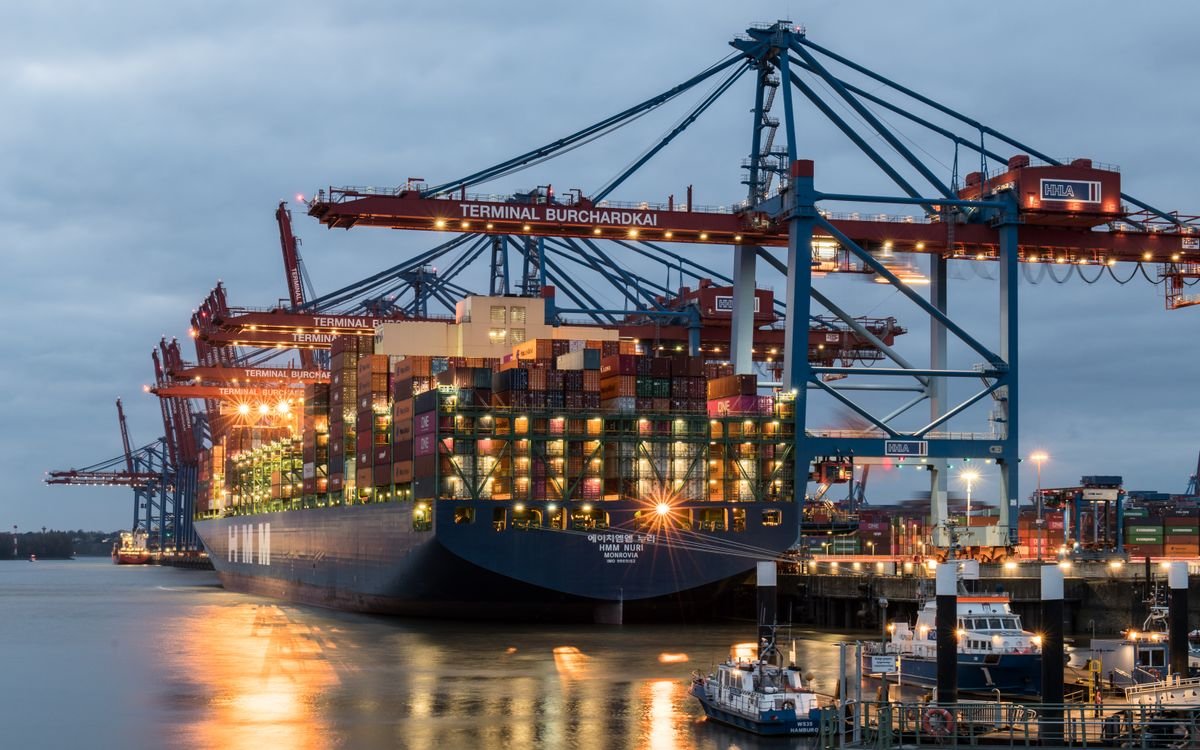
Knowing how to ship goods from China to India comes down to a chain of hand-offs: your supplier packs, a forwarder books, Chinese customs releases the goods, a carrier moves them, Indian customs clears them and a trucker delivers. A step done late or done twice can hold up a shipment as much as the ocean leg itself. This guide follows one shipment through ten steps in order, with what to do and who usually does it.
It assumes your commercial terms and Importer Exporter Code are in place. If not, start with our complete guide to China to India shipping, then come back for the hands-on sequence.
The 10 Steps at a Glance
| Step | What happens | Who usually does it |
|---|---|---|
| 1. Lock the cargo details | Description, HS code, quantities and Incoterm are fixed | You and the supplier |
| 2. Inspect | Goods and cartons checked against the order | You or an inspector you appoint |
| 3. Pack, mark and label | Export-grade cartons, pallets and marks | Supplier |
| 4. Book and plan cut-offs | Space booked, deadlines agreed | Forwarder, for you or the supplier |
| 5. Load and verify weight | Container packed and its mass verified | Supplier or depot, as shipper |
| 6. Export clearance | Declaration to Chinese customs, cargo loaded | Supplier or forwarder |
| 7. Transit and tracking | Vessel or flight, transport document issued | Carrier and forwarder |
| 8. Bill of Entry | Import declaration and duty self-assessment | You or your customs broker |
| 9. Duty, release, delivery order | Duty paid, customs clearance, cargo released | You, customs, carrier |
| 10. Delivery and close-out | Cargo trucked, checked, claims raised if needed | Forwarder and you |
Who does what follows your Incoterm. Under the ICC's Incoterms 2020, EXW leaves export clearance with the buyer, FOB has the seller clear the goods for export and load them on board, and CIF also has the seller pay main freight and insurance. Check it before you assign any step.
Before the Cargo Moves
Step 1: Lock the cargo details
Write down what is shipping: product description, HS code, quantity, carton count, weight, dimensions and Incoterm. Your forwarder, the carrier and both customs authorities will ask for the same facts, and they must match across the invoice, packing list and transport document. Our HS code guide explains classification and our Incoterms guide compares the common terms.
Step 2: Inspect before the goods leave
Check the goods while they are still at the factory. Compare a sample of cartons with the order for quantity, specification, markings and packing quality, and ask for photos of the packed cargo. Once a container is sealed, fixing a problem is slow and costly. A third-party inspector can do this if you cannot attend; see our guide to quality control inspection before shipping from China.
Step 3: Pack, mark and label for export
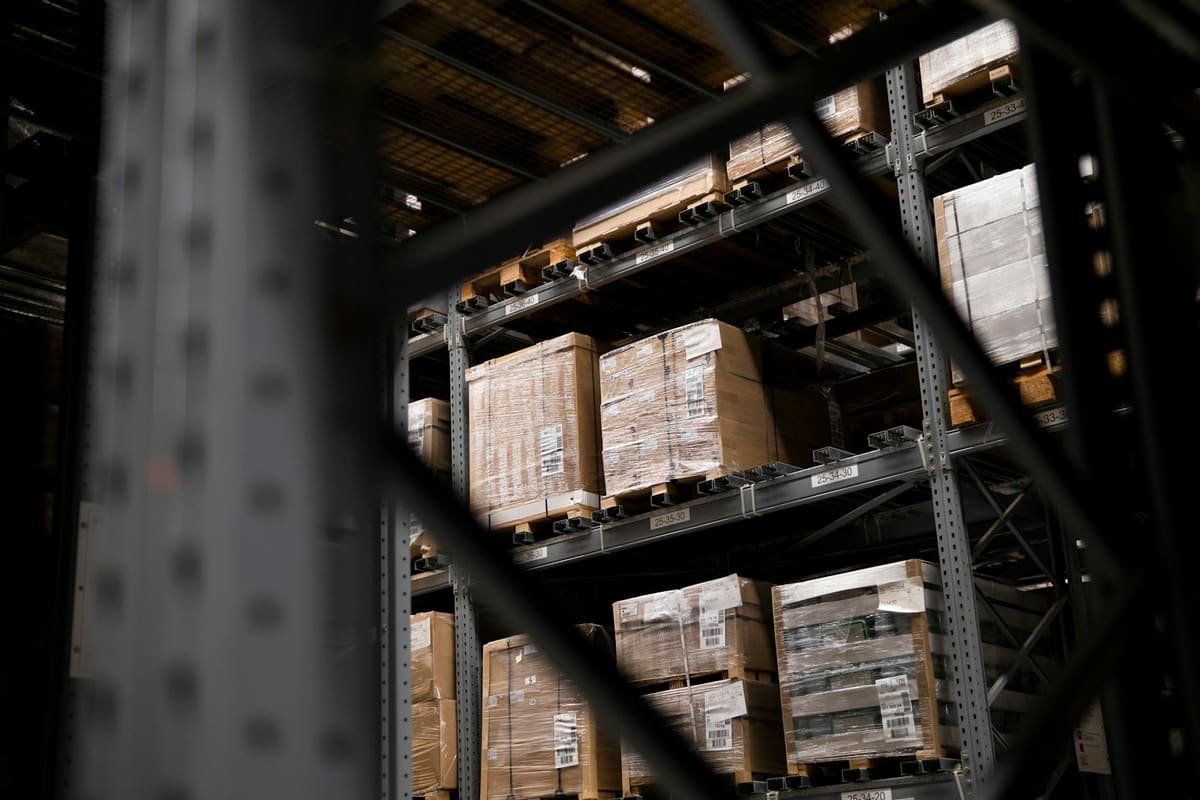
Export cargo is handled many times. Use cartons and pallets strong enough to be stacked, shrink-wrap the pallets, and mark each carton with your name, order number, carton number and gross weight. Barcode labels, as in the photo below, help warehouses identify cargo quickly. Our guide to packaging and palletizing standards for export cargo goes further.
If any packaging is made of raw wood, such as pallets, crates or dunnage, the international standard ISPM 15 requires it to be treated and marked. Approved treatments include heat treatment, which needs a minimum temperature of 56 °C for at least 30 continuous minutes throughout the wood, including its core. Unmarked or untreated wooden packaging can cause problems at the border, so ask your supplier to confirm.
Step 4: Book the shipment and note the cut-offs
Give your forwarder the cargo details from step 1, the pickup address, the cargo-ready date and the Incoterm. Ask for the booking confirmation, the vessel or flight, and the cut-off dates for documents and for delivering cargo to the port or terminal, then work back from the earliest one. A missed cut-off usually means waiting for a later sailing. See our guides to booking cut-off times and the booking checklist, and read LCL vs FCL if your cargo is less than a container.
Getting the Cargo Out of China
Step 5: Load the container and verify its weight
For a full container (FCL), the supplier or a depot packs and seals the container. Since 1 July 2016, SOLAS rules have required a verified gross mass for packed containers. The IMO says the shipper is responsible for stating the verified weight in the shipping document and submitting it in advance to the ship's master and the terminal. It can come from weighing the packed container, or from weighing all packages and cargo items, including pallets, dunnage and securing material, and adding the container's empty weight, using a method certified by the competent authority of the packing country. Ask your forwarder who will supply the figure and by when. For LCL, your cartons go to a freight station to be consolidated with other shippers' cargo.
Step 6: Export clearance and loading
Chinese customs must release the cargo before it is loaded. The consignor, usually your supplier, can file the export declaration itself or entrust a registered agent declaration enterprise, and GACC Decree No. 103 sets the timing: the declaration comes only after the goods reach the customs control area, and at least 24 hours before loading. The decree dates from 2003, so ask your forwarder to confirm today's practice. Under FOB terms the supplier handles this step; under EXW you do, usually through your forwarder.
Step 7: Transit and tracking
Once loaded, the carrier or forwarder issues the transport document: a bill of lading for sea freight, an air waybill for air. Check the draft before it is finalised. The consignee name and address, goods description, quantities and weights should match your invoice and packing list, because corrections after sailing are slower and may cost extra. Our guide to bill of lading types explains the options. Track the cargo by container, bill of lading or flight number, and request the current schedule from your forwarder, since transit varies by route and service.
Clearing and Delivering in India
Step 8: File the Bill of Entry
Section 46 of the Customs Act, 1962 makes the importer responsible for presenting a bill of entry electronically. The deadline is the end of the day before the vessel or aircraft arrives, with holidays counted, although the Board may set a different limit that falls no later than the end of the arrival day. The window opens early: a bill of entry can be presented at any time up to thirty days ahead of the expected arrival.
Filing early does not lock in an earlier duty rate. Under Section 15, the rate and valuation are those in force on the date the bill of entry is presented, and a bill presented before the vessel's entry inwards or the aircraft's arrival is deemed presented on that date. You self-assess the duty (Section 17), and customs may verify the entry and examine or test the goods, with cases selected primarily on risk evaluation. Make sure goods and documents match so an examination does not become a query. See our customs clearance guide.
Step 9: Pay duty, get clearance and collect the cargo
For a self-assessed entry, the importer pays the duty on the date the bill of entry is presented, and late payment carries interest at a rate the Central Government fixes within a range of 10% to 36% a year (Section 47). When the officer is satisfied that the goods are not prohibited and that duty and charges have been paid, an order permitting clearance may follow. Your forwarder or the carrier then arranges release against a delivery order; ask which charges must be settled first, because requirements vary.
Do not let cargo sit. If goods are not cleared, warehoused or transhipped within thirty days of unloading, or any further time the officer allows, they may be sold after notice to the importer (Section 48), and perishable or hazardous goods can be sold sooner with permission. Storage, demurrage and detention charges can build up too; see our explainer on demurrage and detention.
Step 10: Deliver, check and close the file
Cargo then moves by road or rail to your warehouse. On receipt, check cartons against the packing list, note any damage or shortage on the delivery paperwork, photograph it before unpacking, and report it to your forwarder and insurer straight away; see our cargo insurance guide for shipments from China. Keep the invoice, packing list, transport document and Bill of Entry together for accounting and any later query.
A Checklist You Can Reuse
- Before booking: order, HS code, Incoterm and IEC confirmed.
- Before the supplier ships: inspection done, packing and marks agreed, wooden packaging marked.
- Before the cut-off: booking confirmed, verified weight supplied, export declaration handled.
- Before sailing: draft transport document checked against the invoice.
- Before arrival: Bill of Entry prepared, funds ready for duty, delivery order process agreed.
- After arrival: cleared well inside the thirty-day window, delivered and checked.
Ship With a Partner Who Manages the Sequence
RR Brothers and Logistics can book sea freight and air freight from China and support customs clearance and brokerage, so each hand-off in this guide has an owner. For help choosing a provider, see our checklist of questions for forwarders, then share your cargo details for a quote.
Frequently Asked Questions
Fix the cargo details and terms, inspect the goods, pack and label them, book and note the cut-offs, load and verify the container weight, clear export, ship and track, file the Bill of Entry, pay duty and take release, then deliver and check.
It follows the Incoterm. Under EXW the buyer arranges export clearance; under FOB the seller clears the goods for export and loads them on board; under CIF the seller also pays main freight and insurance.
It is the verified weight of a packed container. Under SOLAS, in force since 1 July 2016, the shipper must state it in the shipping document and submit it in advance to the master and the terminal. Ask your forwarder who supplies it and when.
Before the end of the day preceding arrival (the Board can prescribe another limit), and as early as thirty days before the expected arrival. Filing early does not secure an earlier duty rate: under Section 15 the rate depends on the date of presentation, or on the arrival date if the bill was filed before it.
Under Section 48, goods not cleared, warehoused or transhipped within thirty days of unloading, or any further time the officer allows, may be sold after notice to the importer. Storage and demurrage charges can also build up before then.
Wood packaging made from raw wood should be treated and marked under ISPM 15, for example heat treated to at least 56 °C for 30 continuous minutes. Ask your supplier to confirm, or choose plastic or board pallets.
Sources
- CBIC: Customs Act, 1962 (Sections 15, 17, 46, 47 and 48)
- IMO: Verification of the gross mass of a packed container (SOLAS)
- IPPC/FAO: ISPM 15, Regulation of wood packaging material in international trade (2018)
- General Administration of Customs of China: Decree No. 103 (declaration provisions)
- ICC: Incoterms 2020 rules
This article is general information, not legal, tax or customs advice. Rules, rates and procedures change; confirm current requirements with the relevant authority or a licensed customs professional before you ship. Regulatory references were checked against the official sources listed above on 25 October 2026.
Image credits: header photo by Aron Yigin; warehouse photo by Arum Visuals; container photo by Richard Williams. All on Unsplash, used under the Unsplash License.
Request a Quote