From Clipboards to Quadcopters: Why Warehouses Are Flying Drones Indoors
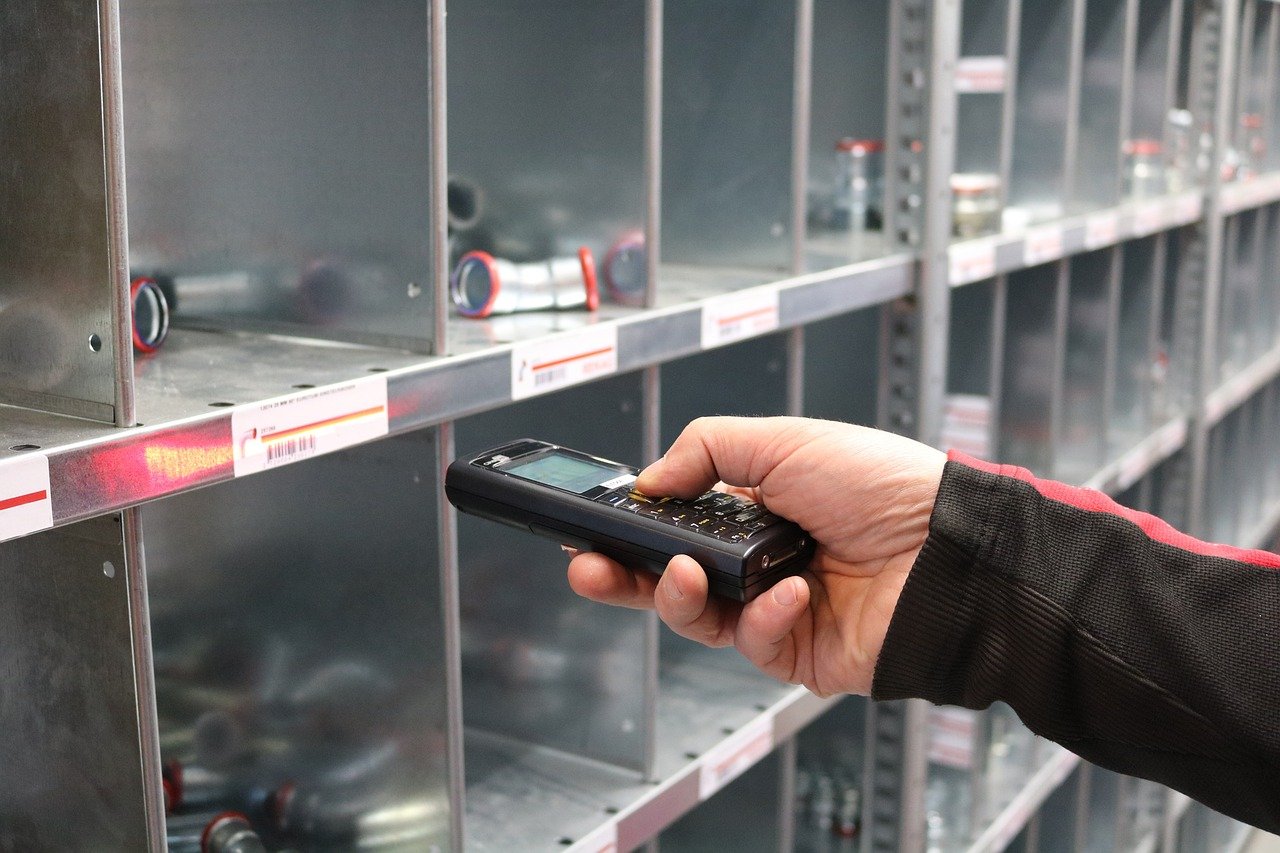
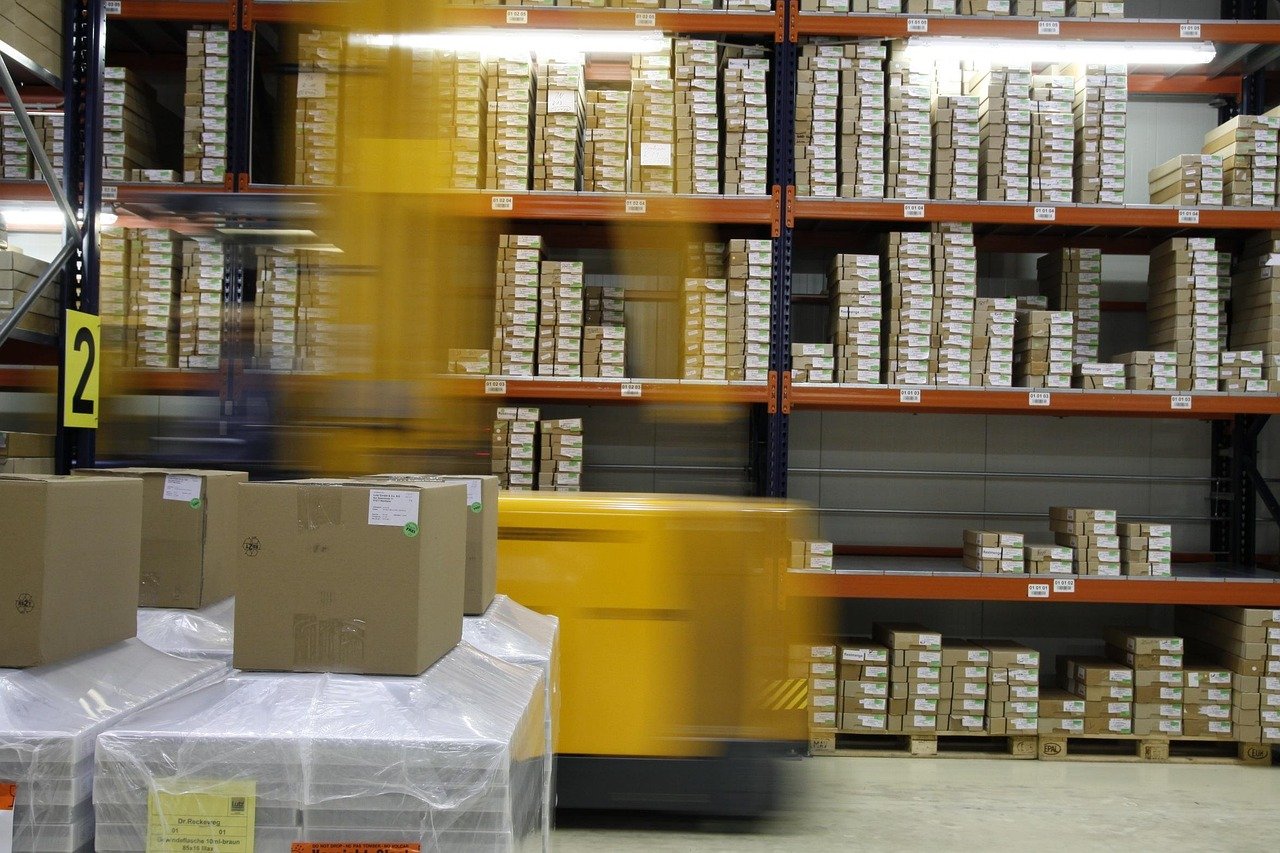
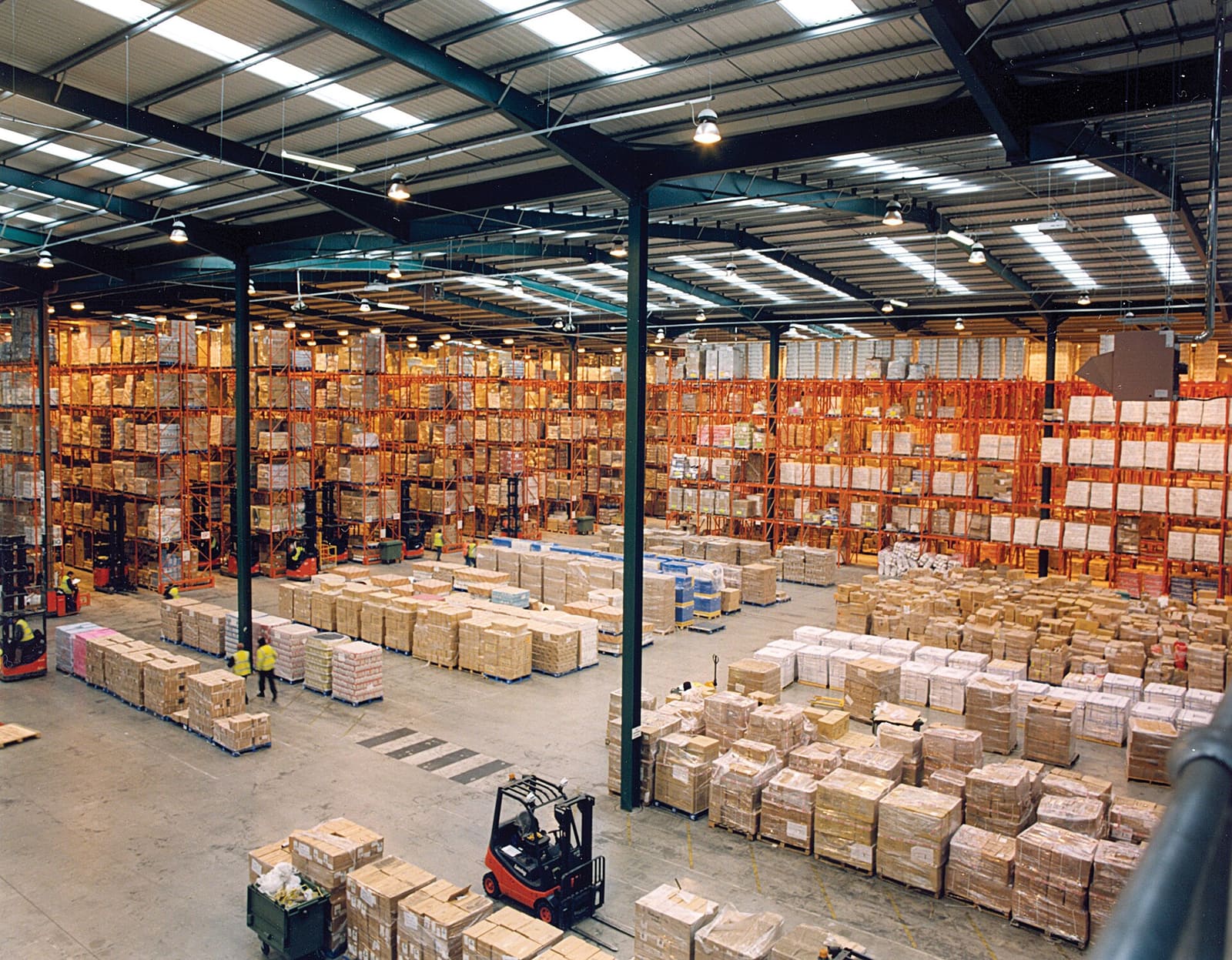
For decades, verifying what is actually sitting on a warehouse shelf has meant the same slow routine: a worker with a scanner and a clipboard, a forklift or reach truck tying up an aisle, and a count that is already a day or two out of date by the time it reaches the warehouse management system. In a transportation logistics facility running tens of thousands of pallet positions across multiple aisles and mezzanine levels, a full physical cycle count can take a team days to complete, and high shelving often gets counted least often simply because it is the hardest and most time-consuming to reach safely. Small, purpose-built indoor drones are now closing that gap. Flying pre-programmed routes above the pedestrian floor, these drones photograph pallet labels and shelf locations, feed the images into recognition software, and return inventory data that would otherwise require a crew on ladders or scissor lifts. Drone warehouse inspection has moved from a trade-show novelty to a genuine operational tool in a relatively short span of time, and the facilities adopting it first tend to be the ones with the tallest racking, the highest SKU counts, and the least tolerance for inventory discrepancies.
How Indoor Inventory Drones Actually Work
The drones used for this purpose are not the camera quadcopters sold for outdoor photography, nor are they the delivery drones tested for last-mile parcel drops. They are small, cage-protected multirotor aircraft designed specifically for confined indoor spaces, typically flying autonomously along a mapped aisle-by-aisle route rather than under a pilot's direct control for each flight. Onboard cameras capture images of every pallet position as the drone ascends and moves down the aisle; software then reads barcodes, license plates or printed labels from those images and cross-references what it finds against the warehouse management system's expected inventory. Two companies illustrate how far this category has come: Pittsburgh-based Gather AI, which added inferred case-count and location-occupancy detection to its platform so the system can flag not just what barcode is present but also whether a slot is fully, partially or incorrectly filled, and Zurich-based Verity, which has deployed its drone fleets across retailers, third-party logistics providers and manufacturers in more than a dozen countries. Industry coverage of Verity's recent funding round gives a useful sense of how much investor interest this niche has attracted as warehouse operators look for ways to automate data capture without re-engineering their entire racking layout.
Automated Cycle Counting: The Core Use Case
Cycle counting is where drone warehouse inspection delivers its clearest return. Rather than counting a subset of locations on a rolling schedule and hoping discrepancies surface before they cause a stockout or a failed outbound shipment, a facility can fly a full-aisle count on a nightly or weekly basis without pulling pickers off the floor or blocking aisles during operating hours. Because the drone's flight path is fixed and repeatable, every count covers exactly the same locations in exactly the same way, which removes a lot of the variability that creeps into manual counts performed by different shifts under different time pressure. For a transportation logistics operation juggling fast-moving e-commerce SKUs alongside slower industrial or palletized freight, that consistency matters: a single miscounted high-shelf pallet can cascade into a missed outbound booking, an inaccurate customs declaration, or a customer complaint that is expensive to trace back to its source. Drones don't eliminate the need for an accurate warehouse management system or well-trained staff, but they do make it realistic to count high-rack locations far more often than a ladder-and-clipboard process ever could.
Structural and Safety Inspections of High Racking
Inventory counting is the most common use case, but it isn't the only one. Racking inspection is a recurring, labor-intensive task in any warehouse that stores pallets several levels high: frames get struck by forklifts, beams bend or crack, netting and fire-suppression sprinkler heads need periodic visual checks, and roof membranes above high-bay storage areas are difficult to inspect without scaffolding or a boom lift. Flying a camera-equipped drone along the top of the racking, or across the underside of the roof structure, lets a facility manager capture high-resolution images of areas that would otherwise require shutting down an aisle and bringing in elevated-access equipment. This doesn't replace a qualified structural inspection where damage is suspected, but it does make it practical to do routine visual sweeps far more frequently, catching a bent upright or a damaged beam before it becomes a collapse risk rather than after an incident report has already been filed.
The same logic applies to cargo condition checks in bonded or high-value storage areas, where a visual record of pallet wrapping, strapping and container seals can be captured without a worker climbing onto stacked freight. For facilities handling temperature-sensitive or fragile goods bound for export, a drone pass before loading can document the condition of cargo at the point it leaves the warehouse, which is a useful record to have on file if a damage claim is ever raised further down the transportation logistics chain. None of this requires specialized aviation expertise on the warehouse's part — most commercial platforms are sold with the flight software, mapping and data dashboard bundled together, with the vendor handling route programming during setup.
Manual High-Reach Inspection vs. Drone-Based Inspection
| Factor | Manual (ladder / scissor lift / reach truck) | Drone-based inspection |
|---|---|---|
| Typical coverage per shift | Limited; aisles often counted on a rotation | Full aisle runs completed in a single flight session |
| Fall / elevated-work risk | Present whenever workers access upper levels | Workers stay on the ground floor |
| Aisle downtime during count | Aisle typically blocked to other traffic | Can often run during low-traffic hours with minimal disruption |
| Count consistency between runs | Varies by operator and shift | Repeatable, fixed flight path each time |
| Upfront investment | Low (existing equipment and labor) | Higher (hardware, software, integration, site mapping) |
Where Drones Fit Alongside RFID and Warehouse Robotics
Drone warehouse inspection is best understood as one layer in a broader stack of warehouse data-capture technology rather than a standalone solution. RFID tagging, which we covered in our guide to RFID and smart pallets in modern warehousing, solves a different problem: it lets fixed readers or handheld scanners detect a tag's presence without needing a direct line of sight to a barcode, which is useful for pallets moving through dock doors or staging areas. A drone, by contrast, is a mobile reading platform that can reach locations fixed readers don't cover, particularly high racking where antenna placement and signal interference make RFID coverage harder to guarantee. The two technologies complement each other well: RFID handles continuous, high-velocity tracking at chokepoints, while scheduled drone flights provide a periodic, independent verification pass across the whole facility. Drones also sit alongside the ground-based automation covered in our piece on warehouse robotics and AMRs in 2026 — autonomous mobile robots move goods around the floor, while inventory drones verify what's actually on the shelf above them, and increasingly the data from both systems feeds into the same warehouse management platform.
Practical Considerations Before Adopting Drone Inspection
Drone warehouse inspection is not a plug-and-play purchase, and facility operators considering it should go in with realistic expectations about setup time, integration work and the kinds of sites where it pays off fastest. A handful of practical factors tend to determine whether a deployment succeeds:
- Facility mapping is required up front. Most systems need an initial site survey to build the flight map, and any major racking reconfiguration typically requires re-mapping before flights resume.
- Indoor navigation doesn't rely on GPS. Because satellite positioning doesn't work reliably indoors, these drones generally use onboard cameras, pre-placed markers or visual-inertial navigation to stay on their programmed route.
- Integration with the warehouse management system matters more than the drone itself. A count is only useful if the resulting data flows automatically into the same system that drives replenishment and order picking, rather than sitting in a separate report that staff have to reconcile manually.
- Return on investment depends on facility scale. The economics tend to favor larger, taller, higher-SKU-count facilities where manual high-reach counting is genuinely slow and risky, rather than smaller single-level warehouses where a worker can already see most locations from the floor.
How RR Brothers and Logistics Can Help
Inventory accuracy is foundational to everything else in transportation logistics — a miscounted pallet doesn't just cause an internal headache, it can delay an outbound booking, complicate a customs declaration, or leave a customer without the stock they were promised. Through our warehousing and distribution network, RR Brothers and Logistics works with facility partners that are investing in exactly this kind of automated data-capture technology, because it directly supports the accuracy our clients depend on when we coordinate multimodal shipments across China, India, Turkey, Kenya, Nigeria and beyond. Whether your cargo needs short-term storage ahead of a sea freight booking or a longer-term distribution arrangement, having confidence in what's actually on the shelf — verified by modern tools rather than an infrequent manual count — is part of what keeps a transportation logistics supply chain predictable from origin to final delivery.
Frequently Asked Questions
An inventory drone never leaves the building. It flies a fixed, pre-programmed route up and down warehouse aisles, photographing pallet and shelf labels so software can reconcile what is actually on a shelf against what the warehouse management system expects to be there, rather than carrying a parcel to an outdoor address.
This varies by racking height, aisle width and drone model, but vendors in this space report scan rates in the hundreds of pallet positions per hour of flight time, which is generally far higher than a worker on foot or on a reach truck can manually verify in the same period.
No. Drones are a data capture method, not a tagging technology. They still read the same barcodes, labels or RFID tags that staff would check manually; the drone simply automates how often and how thoroughly those tags get read, which is why drones and RFID smart pallets are often deployed together rather than as alternatives.
Commercial indoor inventory drones are designed for occupied facilities, typically using obstacle-avoidance sensors and geofenced, pre-mapped flight paths confined to aisle airspace above head height, and many operators schedule flights during low-traffic shifts as an added precaution.