The Warehouse Automation Moment
Walk into a mid-sized distribution center today and the change from five years ago is obvious within about thirty seconds: somewhere on the floor, a fleet of low-profile robots is gliding between racks, pods, and pack stations without a single human pushing a cart. Warehouse automation has moved from a novelty reserved for Amazon-scale operators to something a 50,000-square-foot 3PL facility can justify on a normal capital budget. That shift matters well beyond the four walls of the warehouse itself, because storage and fulfillment speed are now one of the biggest variables in how reliably transportation logistics networks perform end to end. A shipment that sits an extra six hours waiting to be picked and staged is a shipment that misses its outbound truck slot, and that ripple affects every downstream leg of the move.
AMRs and AS/RS: Two Different Tools for Two Different Jobs
The terminology gets used loosely, so it's worth being precise. Autonomous Mobile Robots (AMRs) are wheeled robots that navigate a warehouse floor on their own, using onboard sensors, cameras, and mapping software rather than fixed magnetic strips or wires. They typically move goods, empty totes, or entire mobile shelving pods between zones — bringing inventory to a stationary picker instead of making a person walk the aisle, or shuttling packed orders to a shipping dock. Because they don't need embedded infrastructure, AMRs can usually be deployed incrementally, added a few units at a time, and reprogrammed for a new floor layout in days rather than months.
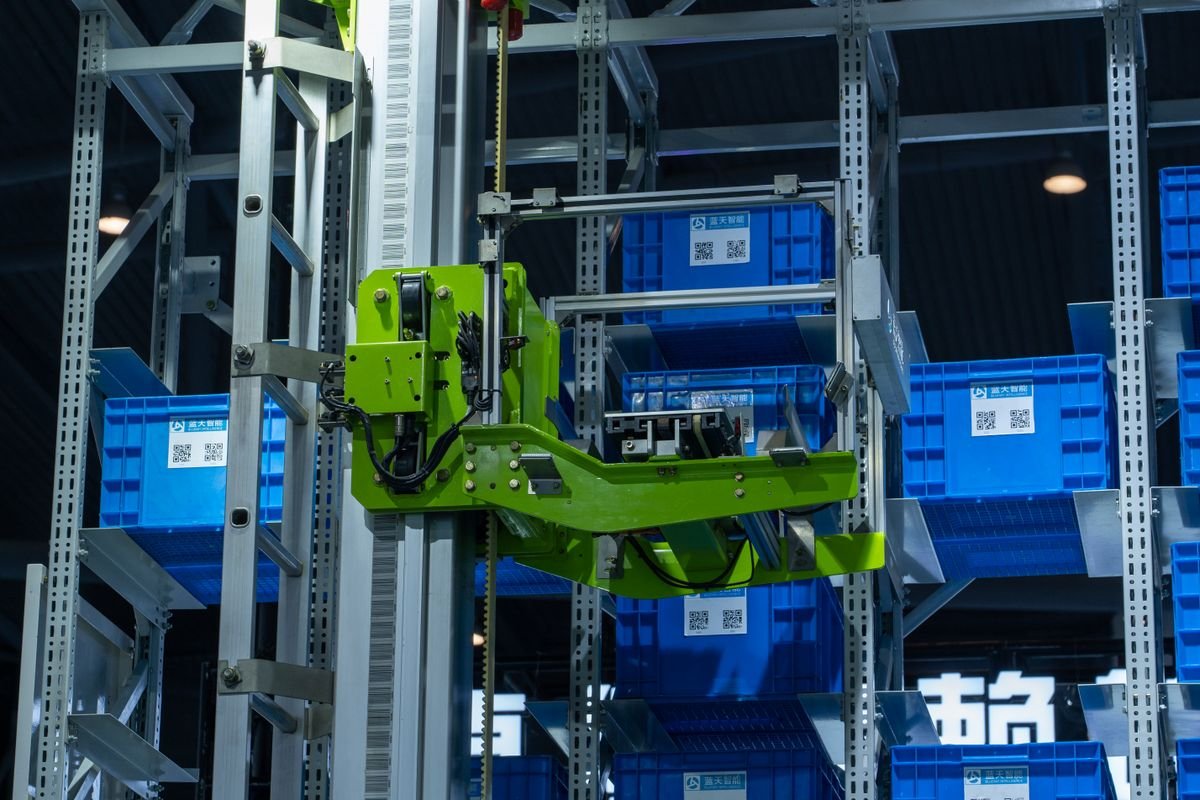
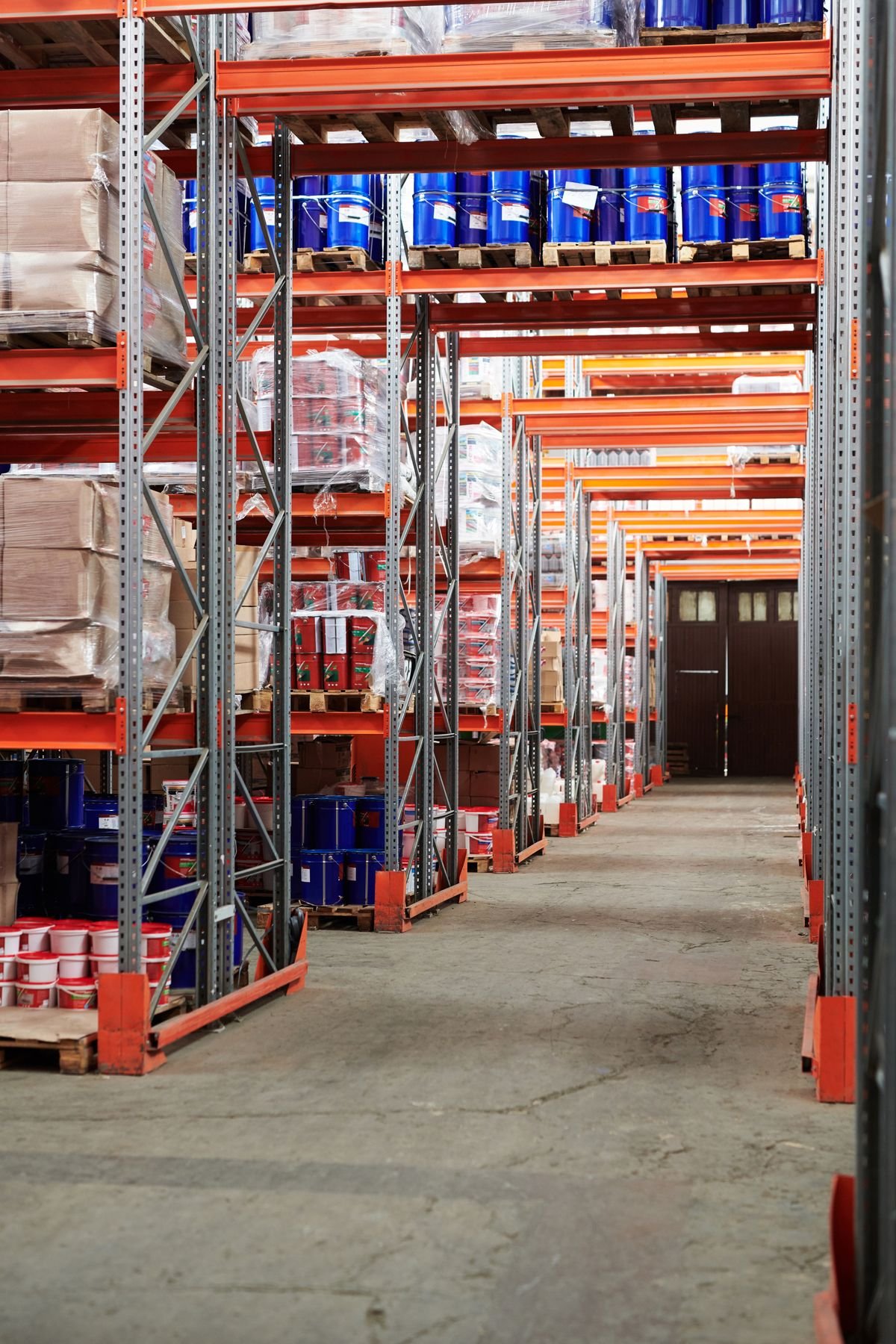
Automated Storage and Retrieval Systems (AS/RS) are a different animal entirely. These are fixed installations — tall steel racking structures served by shuttles, cranes, or mini-load systems on rails, which store and retrieve pallets, cases, or totes at heights and densities no forklift or person could work safely. AS/RS trades flexibility for density and speed: once installed, it can often triple the storage capacity of a given building footprint and pull inventory with a consistency that manual picking struggles to match during a volume spike. The tradeoff is upfront commitment — an AS/RS installation is closer to a construction project than a robotics purchase, with a fixed footprint, a multi-year installation timeline in many cases, and a design that assumes fairly stable SKU and volume patterns going forward.
What's Actually Driving Adoption in 2026
Two forces are doing most of the pushing. The first is a labor market that has not loosened up the way many operators hoped. Warehouse and distribution center roles have some of the highest turnover rates of any blue-collar job category, and even where wages have risen, filling a night shift pick team in a suburban industrial park remains a persistent struggle for many operators. Warehouse automation doesn't eliminate the need for people — someone still has to maintain the robots, manage exceptions, and handle irregular freight — but it materially reduces the number of walking-and-lifting roles a facility needs to fill and retrain every few months.
The second force is volume volatility, particularly from e-commerce. Peak-season spikes that used to be absorbed with temporary labor and mandatory overtime are increasingly handled instead by running the same automated equipment for more hours per day, which is a far more predictable lever to pull than trying to recruit seasonal staff in a tight labor market. Combined, these pressures have pushed warehouse robotics from a "nice efficiency project" to something closer to a resilience requirement for any operator handling meaningful e-commerce or retail replenishment volume.
Comparing AMRs and AS/RS Side by Side
| Factor | AMRs | AS/RS |
|---|---|---|
| Installation | Incremental, weeks per phase | Fixed structure, months to over a year |
| Flexibility | High — reprogram for layout changes | Low — footprint and racking are fixed |
| Storage density | Moderate | Very high, uses full building height |
| Best fit | Variable SKU mix, growing operations | Stable, high-volume SKUs |
| Typical buyer | 3PLs, mid-sized DCs, e-commerce fulfillment | Large retailers, cold storage, manufacturers |
The Payback Question: What Automation Actually Costs
Payback timelines vary enormously by facility, but the general pattern holds across most deployments. AMR fleets, because they can be leased or purchased incrementally and layered onto an existing building without construction work, tend to reach payback faster — often somewhere in the two-to-four-year range for operations with meaningful labor costs and consistent throughput, and sometimes faster in high-turnover, high-volume facilities where recruiting and training costs are especially painful. AS/RS installations carry a much larger upfront number because they're effectively a building modification, and the payback horizon is correspondingly longer, often five to seven years or more, but the density and throughput gains can be substantial enough to justify it for an operator who knows their volume and SKU profile will stay reasonably stable over that period.
The mistake many first-time buyers make is comparing the technology purchase price alone rather than the fully loaded cost of the status quo — recruiting, onboarding, injury claims from repetitive manual handling, and the overtime premium paid during predictable peaks. Once those are counted, the payback math for warehouse automation often looks considerably better than the sticker price alone suggests, which is why more operators are running the numbers seriously rather than treating robotics as a future-technology curiosity — and why automation budgets are increasingly reviewed alongside the rest of a company's transportation logistics spending rather than as an isolated facilities line item.
Where Warehouse Robotics Meets Inbound Transportation Scheduling
It's easy to think of warehouse automation as an inside-the-building efficiency question, but its effects extend directly into transportation logistics planning. Faster, more consistent putaway and picking changes how quickly inbound trucks can be unloaded and turned around at the dock — a facility running AS/RS or AMR-assisted receiving can often clear a trailer and get it back on the road faster than one relying on manual putaway, which improves dock-door throughput and reduces the detention charges that build up when trucks sit waiting. That same speed also makes cross-docking — moving freight from inbound to outbound trailers with minimal storage time in between — far more practical, since automated systems can match inbound arrivals to outbound departure windows with a precision manual processes rarely achieve.
Dock scheduling software increasingly talks directly to the warehouse management system that coordinates the AMR or AS/RS fleet, so an inbound truck's estimated arrival time can trigger staging decisions inside the building before the trailer even reaches the yard. For shippers coordinating multiple inbound and outbound moves through a single facility, this connection between warehouse technology and transportation scheduling is increasingly the difference between a distribution center that's a bottleneck and one that's a genuine asset in the supply chain. Our guide on warehousing and distribution costs and outsourcing timing looks at related questions growing businesses ask when they're deciding whether to build this capability in-house or work with a partner who already has it.
A Phased Path to Automation That Doesn't Require Betting the Whole Warehouse
Most operators don't need to choose between doing nothing and a full AS/RS build-out on day one. A common and lower-risk path starts with a small AMR pilot in a single zone — often goods-to-picker transport for the highest-velocity SKUs — measured against clear before-and-after metrics for picks per hour and error rates. If that pilot performs, the fleet scales in the same facility before any decision is made about a bigger, fixed AS/RS investment. This staged approach also gives an operator real operating data on their own volume and SKU volatility, which is exactly the information needed to judge whether a fixed AS/RS structure is a safe long-term bet or whether continued reliance on flexible AMRs is the more sensible fit. As our broader look at how technology is reshaping logistics solutions notes, the operators getting the most value from automation in 2026 tend to be the ones who sequenced their investment rather than trying to automate everything simultaneously.
Safety, Integration, and Questions Worth Asking a Vendor
Robotics vendors are understandably eager to talk about throughput gains, but the operational questions that determine whether a deployment actually works tend to get less airtime. How does the system behave during a power or network outage — can staff safely fall back to manual picking without the robots blocking the aisles? How well does the vendor's fleet-management software integrate with the warehouse management system already running the building, rather than requiring a parallel, disconnected interface? What's the realistic timeline and cost for expanding the fleet or the racking structure if volume grows faster than planned? According to the Association for Advancing Automation, which tracks robot orders and shipments across North American industry, warehousing and logistics has become one of the fastest-growing end markets for robotics deployment of any sector — a sign that the vendor landscape is maturing quickly, but also that not every provider has equally mature answers to these integration and failover questions. Reference-checking with an operator running a similar SKU profile and volume, rather than relying solely on a vendor's own case studies, remains one of the more reliable ways to pressure-test those claims before signing a multi-year contract.
How RR Brothers and Logistics Can Help
RR Brothers and Logistics operates bonded and non-bonded warehousing and distribution facilities as part of a broader freight forwarding network spanning air, sea, rail and road freight and customs clearance, which means the warehouse technology conversation doesn't happen in isolation from the transportation logistics plan around it. Whether a client needs WMS-managed storage that can flex with seasonal volume, or simply wants inbound and outbound trucking scheduled around faster dock turnaround, our team can help design a warehousing and distribution setup that fits the realities of the cargo moving through it, rather than a one-size-fits-all facility plan — because in transportation logistics, the warehouse and the truck schedule are two halves of the same problem.
Frequently Asked Questions
An AMR (autonomous mobile robot) is a wheeled robot that navigates the floor on its own to move goods or totes between zones, and can be deployed incrementally. An AS/RS (automated storage and retrieval system) is a fixed structure of racking served by cranes or shuttles that stores and retrieves pallets at heights and densities manual handling can't match, but requires a much larger upfront construction-style investment.
AMR fleets often reach payback in roughly two to four years given consistent throughput and meaningful labor costs, since they can be added incrementally without construction. AS/RS installations usually take longer, often five to seven years or more, because the upfront cost includes building modification rather than just equipment.
Yes — AMRs in particular are designed for incremental adoption, letting a smaller operator pilot a handful of robots in one zone before committing to a larger fleet. AS/RS is a bigger commitment better suited to operators with stable, high-volume SKUs, but even that is increasingly offered in smaller modular configurations than the large-format systems built a decade ago.
Yes. Faster, more consistent putaway and picking lets a facility unload and turn around inbound trailers more quickly, improving dock-door throughput and making cross-docking more practical, since automated systems can match inbound arrivals to outbound departure windows more precisely than manual processes typically can.