Why Warehousing Questions Multiply as a Business Grows
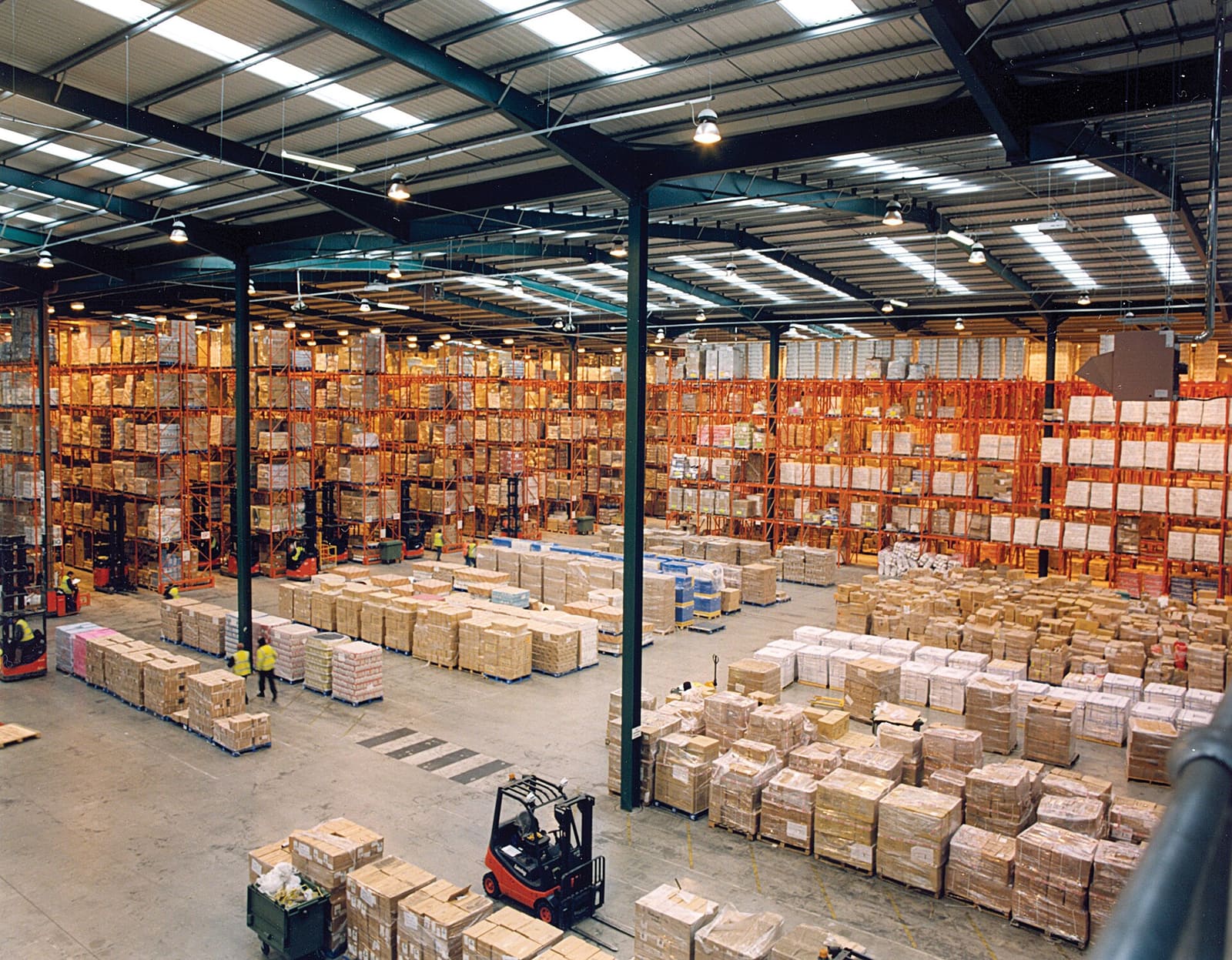
Warehousing rarely feels urgent until it suddenly is. A business selling directly from a single supplier shipment can usually get by without dedicated storage, but the moment order volume grows, inventory needs to sit closer to customers, or a seasonal spike requires holding stock ahead of demand, warehousing and distribution questions start arriving fast. At RR Brothers and Logistics we operate bonded and general warehousing as part of our door-to-door service out of Guangzhou, and we hear the same set of warehousing questions from clients at almost every stage of growth. This FAQ hub gathers those questions under a few practical themes — when to outsource, what it costs, how location affects delivery speed, and inventory management basics — so a growing business can plan its warehousing strategy with a clearer picture of the trade-offs involved.
Knowing When It's Time to Outsource
The clearest signal that a business has outgrown informal storage is when inventory management starts competing directly with the core business for time and attention — when staff are spending hours locating stock, reconciling counts, or scrambling to repack orders instead of focusing on sales or product development. Seasonal businesses often reach this point even faster, because they need to hold significant stock ahead of a demand spike without permanently carrying that overhead year-round. Outsourcing to a third-party warehousing provider converts a fixed cost — leasing and staffing your own facility — into a more variable one tied to actual space and throughput used, which is usually the more capital-efficient choice for a growing but not-yet-large operation. Our detailed guide, Warehousing in Guangzhou: A Guide for International Buyers, walks through how international buyers use bonded warehousing near the source of production to consolidate orders, inspect goods, and stage shipments before they even leave China — often the first form of outsourced warehousing an importer encounters.
What Warehousing Actually Costs
Warehousing costs are rarely a single number — they're a combination of storage fees (typically charged per pallet, per cubic metre, or per square metre per month), handling fees for receiving and dispatching goods, and value-added service charges for anything beyond simple storage, such as labeling, kitting, quality inspection, or pick-and-pack fulfillment. Bonded warehousing, where goods are stored under customs control before duties are paid, often carries a modest premium over standard warehousing but can meaningfully improve cash flow by deferring duty payment until goods actually move to their final market. Businesses evaluating a warehousing partner should ask for an itemised cost breakdown covering all four categories — storage, handling, value-added services, and any minimum monthly commitment — rather than comparing quotes on a single headline storage rate that may not reflect the full picture. Our Warehousing & Distribution service page outlines the full range of storage and value-added options we offer across our network.
How Distribution Strategy Affects Delivery Speed
Where inventory sits has a direct and often underestimated effect on how quickly it reaches the end customer. A business holding all stock in a single central warehouse minimises storage complexity but maximises the average distance — and therefore time — to any given customer. Distributing inventory across multiple regional warehouses closer to demand clusters shortens final-mile delivery times substantially, at the cost of more complex inventory allocation and, usually, higher total storage overhead since safety stock has to be held in more than one location. The right balance depends on order volume, customer geography, and how much of a competitive advantage faster delivery genuinely provides in a given market — for some product categories, a two-day improvement in delivery time meaningfully affects conversion; for others, it barely registers. Growing e-commerce and D2C brands, in particular, tend to reach the multi-warehouse decision point earlier than businesses selling through traditional B2B channels.
Typical Warehousing Cost Components at a Glance
| Cost Component | What It Covers |
|---|---|
| Storage fee | Space occupied, billed per pallet/CBM/sqm per month |
| Handling fee | Receiving, put-away, and dispatch of goods |
| Value-added services | Labeling, kitting, inspection, pick-and-pack |
| Bonded storage premium | Customs-controlled storage with deferred duty |
Warehousing for Cross-Border E-commerce Sellers
Cross-border e-commerce sellers face a specific version of the warehousing question: whether to hold inventory in the origin country, in the destination market, or in both. Storing stock in a destination-market warehouse — sometimes fed by bulk sea freight shipments rather than repeated small parcel imports — dramatically shortens final delivery time to local customers and avoids the per-order customs friction of shipping individual parcels internationally. The trade-off is committing capital to inventory sitting in a foreign warehouse before it's sold, along with the added complexity of managing stock levels across borders. A staged approach works well for many growing sellers: start by fulfilling internationally from a single origin-country warehouse while validating demand in a new market, then shift to local destination-market warehousing once order volume in that market justifies the fixed cost and the improved delivery speed becomes a genuine competitive differentiator. Sellers running marketplace storefronts alongside their own site also need to account for marketplace-specific fulfillment requirements, which sometimes mandate storing inventory in the marketplace's own designated facilities rather than a general third-party warehouse.
Inventory Management Basics Worth Getting Right Early
Even before a business needs multiple warehouses, a few inventory management fundamentals pay off. Accurate, real-time stock visibility — ideally through a warehouse management system integrated with sales channels — prevents the two most common and costly errors: overselling stock that isn't actually available, and holding excess safety stock that ties up working capital unnecessarily. Cycle counting on a rolling basis catches discrepancies faster than an annual full inventory count, and it's far less disruptive to daily operations. For businesses importing from China specifically, coordinating warehousing with freight timing matters too — arranging for inbound sea or air shipments to arrive in a steady, planned rhythm avoids the common trap of warehousing becoming a bottleneck simply because several containers land in the same week.
Seasonality deserves its own mention here, since it's one of the most common reasons a warehousing setup that worked fine for most of the year suddenly falls short. A business gearing up for a peak sales period needs to secure additional warehouse space, and sometimes additional handling staff, well ahead of the actual demand spike — negotiating flexible or short-term capacity with a warehousing partner during the planning stage is far easier than scrambling for space once a facility is already at capacity. The same logic applies in reverse during quieter periods: paying for peak-season-sized space year-round is an avoidable cost for most seasonal businesses, which is exactly why a warehousing partner offering flexible, usage-based space tends to serve growing and seasonal businesses better than a long-term fixed lease sized for the busiest month of the year. Public trade-facilitation guidance from bodies like UNCTAD and standards work from the World Customs Organization around bonded and free-zone warehousing offer useful independent background for businesses new to these concepts.
Warehousing decisions compound over time — the setup that works for a business shipping a handful of containers a month rarely fits one shipping fifty, which is exactly why we encourage clients to revisit their warehousing and distribution strategy at each growth stage rather than treating an initial setup as permanent. As a freight forwarder and NVOCC offering warehousing alongside air, sea, rail and road freight across China, India, Turkey, Kenya and Nigeria, RR Brothers and Logistics can model storage and distribution options against your actual order volume and customer geography rather than a generic benchmark.
Frequently Asked Questions
When inventory management starts consuming significant staff time and attention that could go toward the core business, or when a seasonal demand spike requires holding stock the business can't justify storing year-round in its own space, it's usually time to look at outsourced warehousing.
Budget for storage fees, handling fees for receiving and dispatch, and any value-added services such as labeling, kitting or pick-and-pack. Ask for an itemised quote covering all of these rather than comparing providers on storage rate alone.
Storing inventory closer to customer demand clusters — through regional warehouses rather than a single central facility — shortens final-mile delivery time, though it adds complexity in inventory allocation and typically increases total safety stock held across locations.
Often yes, particularly for buyers consolidating orders from multiple China suppliers before onward shipment — bonded storage defers duty payment until goods actually move to their final market, which can meaningfully improve cash flow during the consolidation period.