Why Guangzhou Is a Natural Consolidation Point
Guangzhou sits at the center of the Pearl River Delta manufacturing region, within reach of thousands of factories producing everything from electronics and textiles to furniture and machinery. For international buyers sourcing from multiple suppliers across South China, Guangzhou is a practical place to bring goods together before they leave the country as a single export shipment.
For buyers who source a mixed range of products — electronics from one supplier and packaging materials from another, for example — Guangzhou's central position also shortens the inland trucking distance each supplier's goods need to travel before consolidation can begin.
Bonded vs. Non-Bonded Storage at Origin
A Guangzhou warehouse can hold cargo under bonded status — a designation granted under the General Administration of Customs of China's framework — while awaiting documentation or consolidation with other suppliers' goods, deferring formal duty processes until the combined shipment is ready to move. Once goods are cleared and consolidated, they can shift to non-bonded storage for final staging before loading. Choosing between the two depends on how long cargo needs to sit and whether it is waiting on paperwork, other suppliers, or simply a scheduled sailing.
WMS-Managed Inventory: Why It Matters
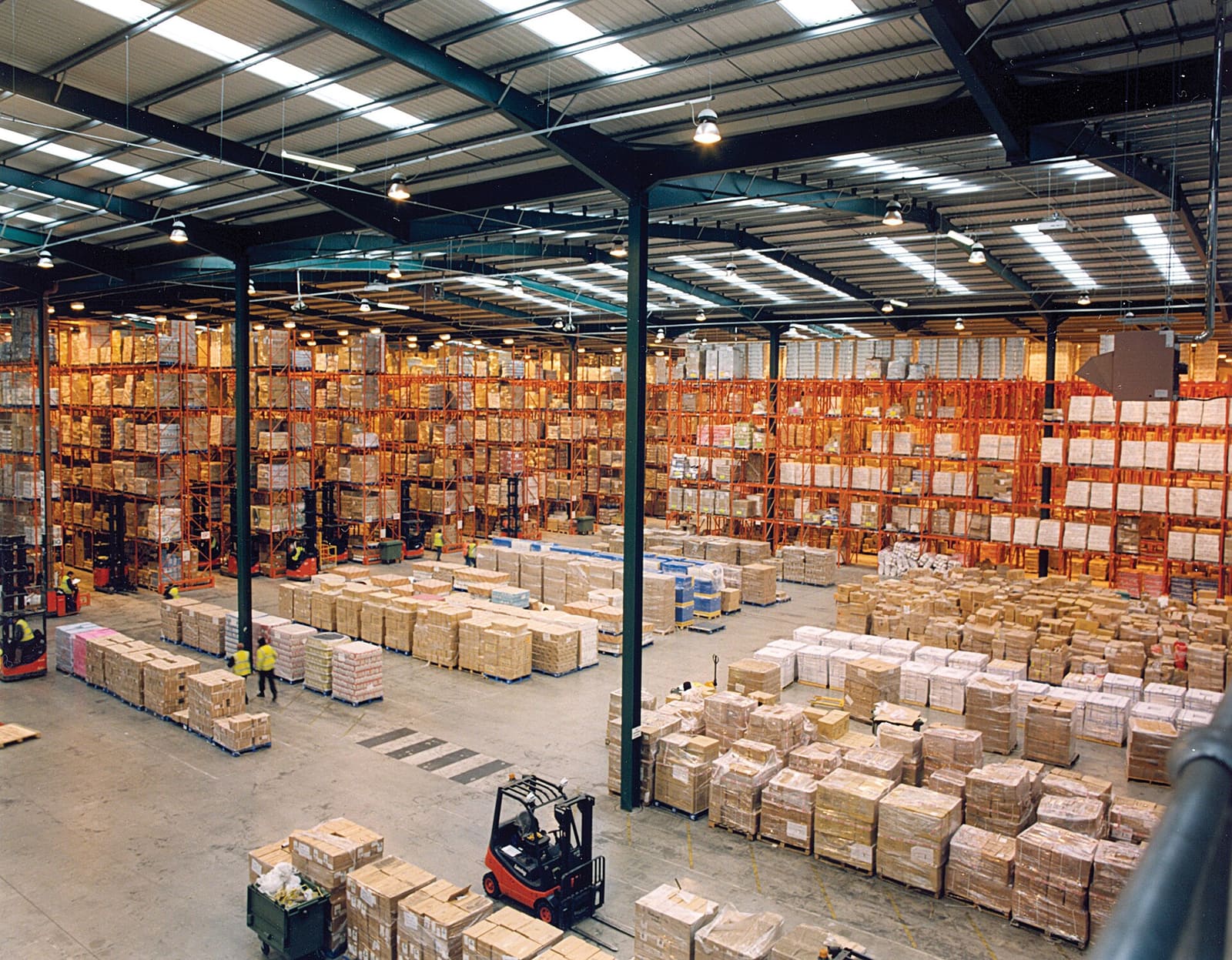
When cargo from several suppliers arrives on different schedules into the same facility, inventory accuracy becomes the difference between a clean consolidation and a shipment that leaves incomplete. A Warehouse Management System gives real-time visibility into what has arrived, what is still outstanding, and what is ready to load — visibility that is difficult to maintain with manual tracking once more than one or two suppliers are involved.
That visibility matters just as much to the buyer as to the warehouse operator, since it replaces guesswork about shipment readiness with a concrete, checkable status at any point before the container is sealed.
From Multiple Suppliers to One Export Shipment
Consolidating multiple supplier orders into a single container or shipment reduces per-unit freight cost and simplifies documentation — one export declaration and one bill of lading instead of several. That single declaration still needs to classify every item accurately under Harmonized System codes, the classification standard maintained internationally by the World Customs Organization, even when it covers goods from several original suppliers. It also means fewer partial shipments arriving at destination on different schedules, which simplifies receiving on the buyer's end as well.
It also gives buyers more negotiating room with individual suppliers, since delivery to a nearby consolidation warehouse is a smaller logistics burden for a supplier than arranging its own direct export shipment.
What International Buyers Should Ask a Warehousing Partner
- Is storage available as both bonded and non-bonded, and can cargo move between the two as needed?
- Is inventory tracked through a WMS with visibility the buyer can access directly?
- Can the warehouse receive from multiple suppliers on different schedules and hold cargo until the shipment is complete?
- Is the facility connected directly to export customs brokerage and outbound freight booking, or does it require a separate handoff?
How This Connects to Onward Freight
Warehousing at origin is most useful when it is planned as part of the same route as the freight that follows it — not treated as a separate storage arrangement. RR Brothers and Logistics operates bonded and non-bonded WMS-managed warehousing from its Guangzhou headquarters alongside air, sea, rail and road freight and customs brokerage, so consolidation, clearance and booking are handled as one continuous process for international buyers.
Frequently Asked Questions
Bonded storage holds cargo while deferring formal duty processes, useful while awaiting documentation or consolidation with other suppliers' goods. Once goods are cleared and consolidated, they typically shift to non-bonded storage for final staging before loading.
When cargo from several suppliers arrives on different schedules, a WMS gives real-time visibility into what has arrived, what's still outstanding, and what's ready to load — visibility that's difficult to maintain with manual tracking once more than one or two suppliers are involved.
Whether storage is available as both bonded and non-bonded with cargo able to move between the two, whether inventory is tracked through a WMS the buyer can access, whether the facility can receive from multiple suppliers on different schedules, and whether it connects directly to export customs brokerage and outbound freight booking.
Yes — it reduces per-unit freight cost and simplifies documentation to one export declaration and one bill of lading instead of several, while also reducing the number of partial shipments arriving at destination on different schedules.