China Has More Than One Gateway — Choosing the Right One Matters
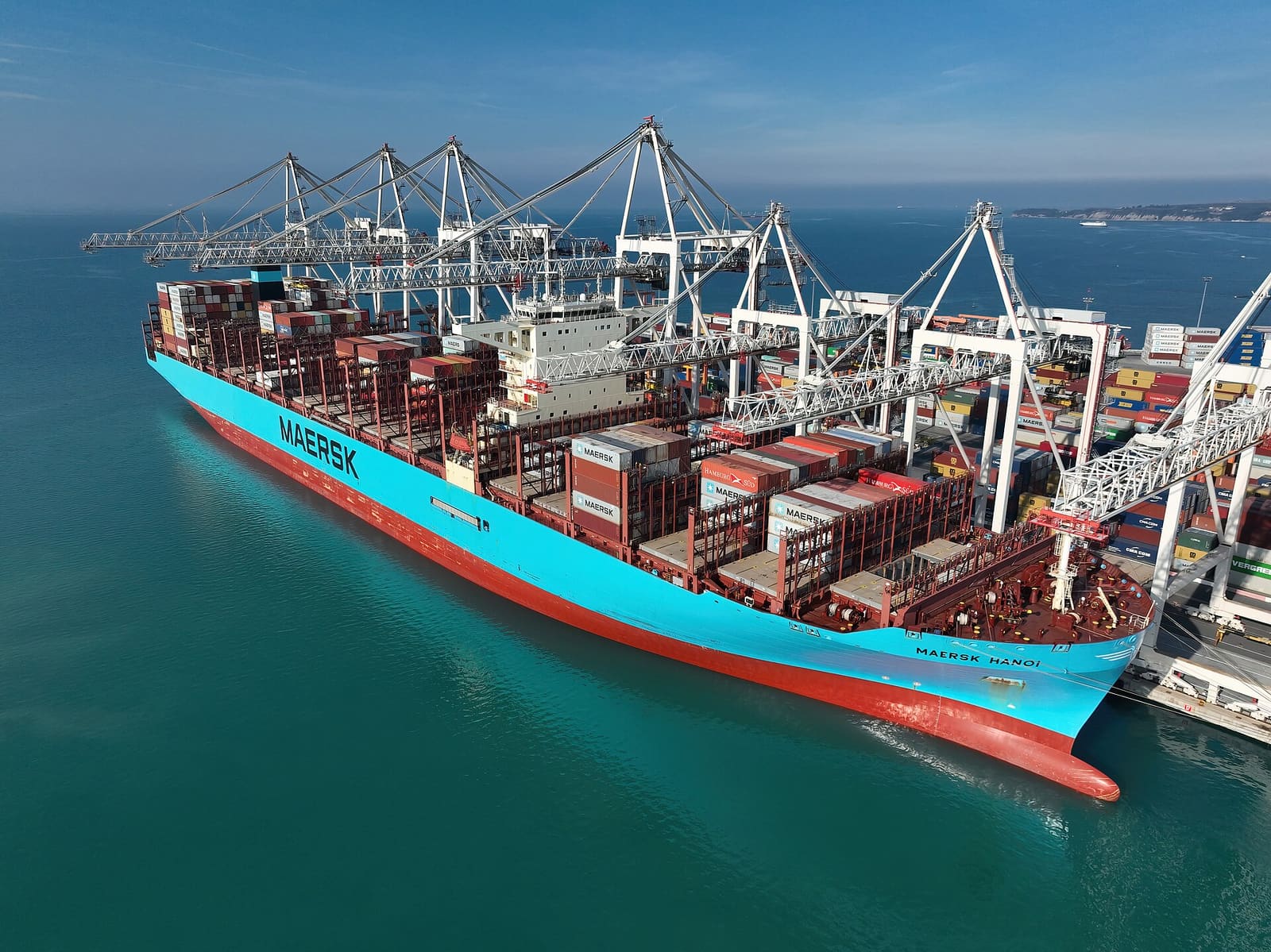
China's coastline is home to several of the world's largest container ports, and international buyers do not have to route every shipment through the same one. Guangzhou/Nansha, Shenzhen/Yantian and Shanghai are three of the country's most important gateways, each shaped by the industries clustered around it. Choosing the right port of origin can shorten inland trucking distances, simplify consolidation, and align better with your supplier base. Whichever gateway a shipment moves through, it still has to clear the same national process overseen by the General Administration of Customs of China, so the port choice is really about logistics efficiency rather than which customs regime applies.
Guangzhou / Nansha: The Pearl River Delta Hub
Guangzhou, home to our headquarters, sits at the center of the Pearl River Delta manufacturing region — one of the most diverse industrial clusters in China, producing everything from furniture and textiles to machinery and consumer goods. Nansha port gives direct access to this manufacturing base without the longer inland trucking legs that cargo from further north sometimes requires.
Shenzhen / Yantian: The Electronics and Tech Corridor
Just along the coast, Shenzhen and its Yantian terminal serve a manufacturing base heavily weighted toward electronics, telecommunications equipment and consumer technology. For buyers sourcing tech-sector products, Yantian often sits closest to the factories actually producing the goods.
Shanghai: China's Largest Container Port
Shanghai is China's largest port by container volume and connects to a broader inland manufacturing base stretching along the Yangtze River corridor. It handles an exceptionally wide range of cargo types and offers a deep schedule of sailings to destinations worldwide, making it a strong default choice when cargo is not concentrated near a single southern manufacturing cluster. Global trade data tracked by UNCTAD has consistently placed Shanghai among the handful of highest-throughput container ports worldwide.
Comparing the Three Gateways
| Port | Region Served | Best-Fit Cargo |
|---|---|---|
| Guangzhou / Nansha | Pearl River Delta | Furniture, textiles, machinery, mixed general cargo |
| Shenzhen / Yantian | South China tech corridor | Electronics, consumer technology |
| Shanghai | Yangtze River corridor | Broad general cargo, widest sailing schedules |
It Does Not Have to Be a Single Choice
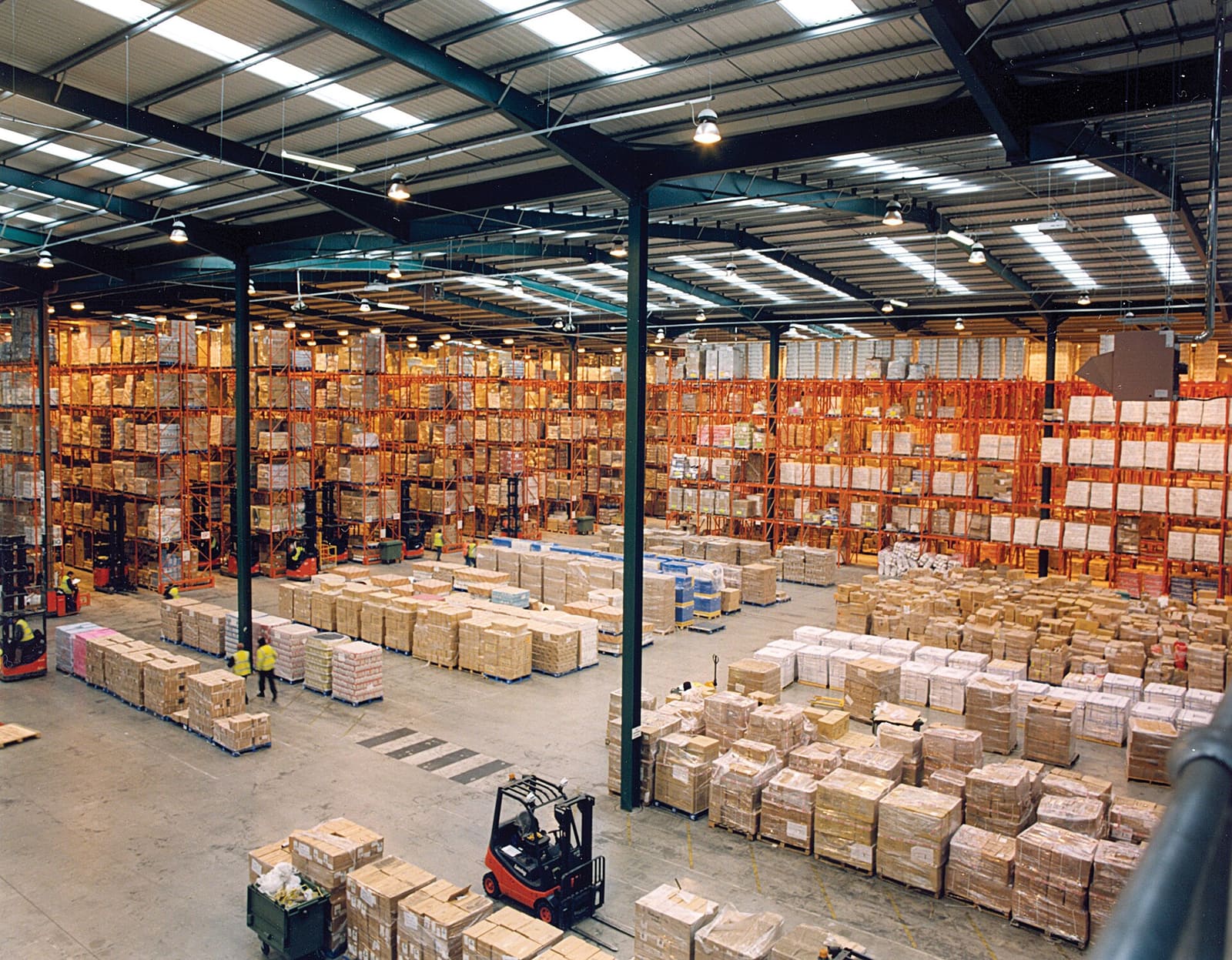
Many of our clients source from suppliers spread across more than one of these regions, and consolidate at whichever port sits closest to the majority of their cargo. Our team, working from our Guangzhou headquarters, coordinates inland trucking, consolidation and booking across all three gateways as part of our Sea Freight (FCL & LCL) service, so the choice of port is based on your supplier footprint rather than which single port a provider defaults to.
Making the Right Call for Your Supply Chain
If your sourcing is concentrated in one region, routing through the nearest port usually wins on both cost and time. If it is spread across several, choosing a freight forwarder who can consolidate across gateways — rather than one tied to a single port — is generally the better fit.
Frequently Asked Questions
Shenzhen/Yantian, since it sits closest to the electronics, telecommunications and consumer technology manufacturing base it was built to serve.
Not necessarily — Shanghai's size and sailing schedule depth make it a strong general default, but Guangzhou/Nansha or Shenzhen/Yantian can offer shorter inland trucking and simpler consolidation if your suppliers cluster in the Pearl River Delta or South China tech corridor instead.
Yes — many buyers source from multiple regions and consolidate at whichever port sits closest to the majority of their cargo, provided their forwarder can coordinate booking across all three gateways.
It can, mainly by shortening inland trucking distances if your suppliers are concentrated in the Pearl River Delta — the savings come from reduced inland transport rather than from the ocean freight rate itself.