The Cash Flow Problem Bonded Warehousing Solves
Under standard import procedures, duties and taxes are typically due at the point cargo clears customs — regardless of whether that cargo is sold, distributed, or still sitting in a warehouse waiting for a buyer. For importers bringing in large or continuous volumes of China-origin goods, that can mean paying duty well before the goods generate any revenue. Bonded warehousing is one of the main tools used to manage that gap.
What Bonded Warehousing Actually Means
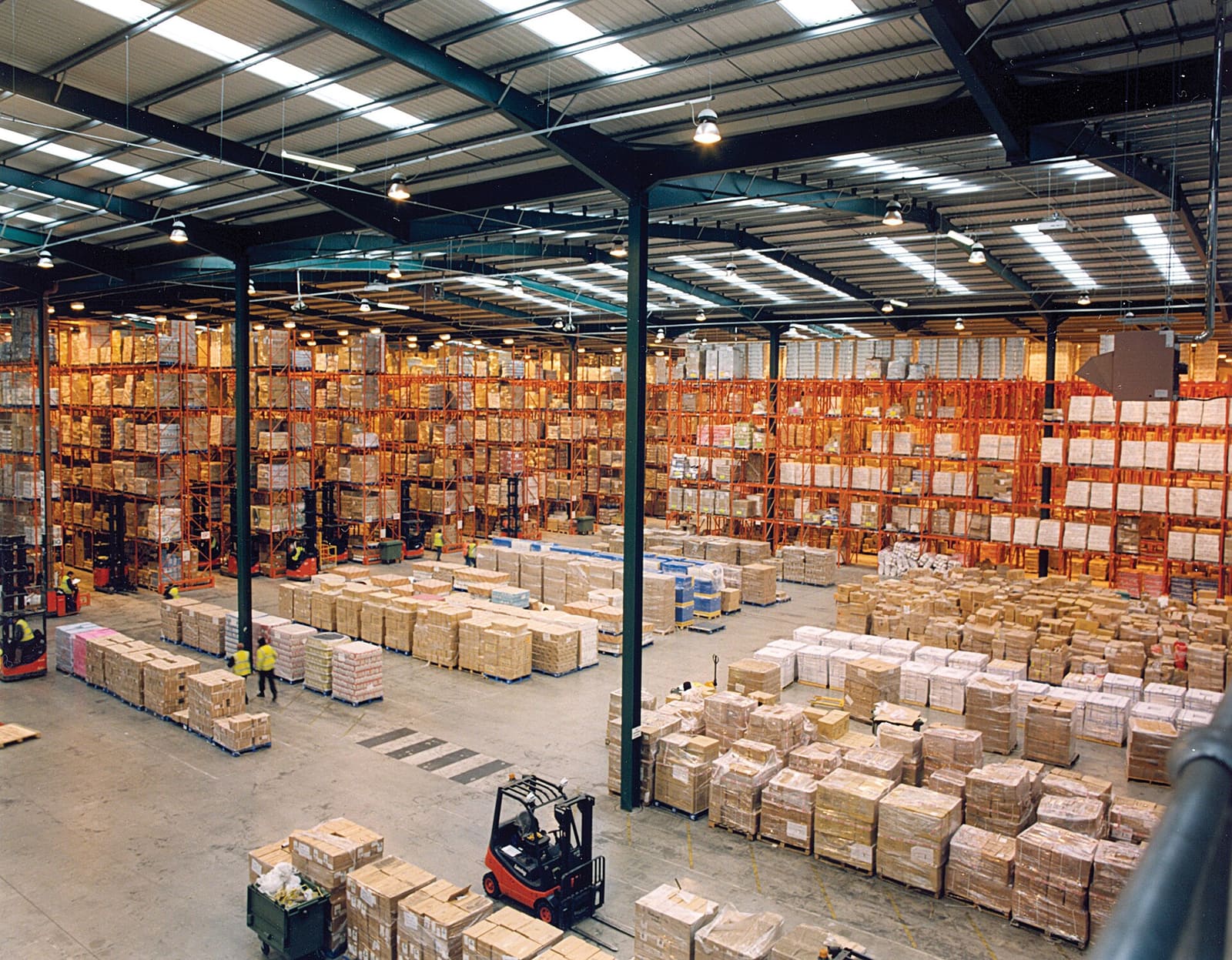
A bonded warehouse is a facility authorized to store imported goods before duties and taxes are paid. Cargo can enter a bonded warehouse directly from the port, be held there under bond, and only trigger duty payment when it is formally withdrawn for domestic sale — or no duty at all if it is re-exported instead. Customs authorities worldwide recognize this deferred-duty status as a standard category of customs-controlled storage, a framework coordinated internationally through the World Customs Organization.
This is different from non-bonded (standard) warehousing, where goods have already cleared customs and duties have already been paid before storage begins.
Bonded vs. Non-Bonded, at a Glance
| Factor | Bonded Storage | Non-Bonded Storage |
|---|---|---|
| Duty status | Deferred until withdrawal | Already paid |
| Typical use | Awaiting clearance, re-export, or sale | Cleared goods awaiting distribution |
| Best for | Cash-flow management, bulk consolidation | Fast-moving, already-cleared inventory |
Where Bonded Warehousing Fits in a China-Origin Supply Chain
For importers consolidating shipments from multiple Chinese suppliers, bonded storage allows cargo to accumulate at destination before duty is paid on the full, combined shipment — rather than paying duty on each smaller batch as it arrives. It also gives distributors flexibility to hold inventory close to end customers without committing duty payment until a sale is confirmed, and supports re-export scenarios where goods move on to a third market without ever being formally imported into the bonded location's home market. Keeping export documentation from China's General Administration of Customs consistent with the consolidated entry filed at the bonded facility helps avoid valuation mismatches when duty is eventually assessed.
Practical Considerations
- Storage duration limits — bonded status is not indefinite; goods typically must be withdrawn, re-exported, or otherwise resolved within a defined period.
- Inventory accuracy — because duty liability is tied to what leaves the warehouse, accurate WMS-based tracking matters more in a bonded environment than in standard storage.
- Coordination with clearance — bonded warehousing works best when it is planned as part of the customs strategy from the outset, not added after cargo has already arrived.
How We Support Bonded Storage Decisions
RR Brothers and Logistics offers both bonded and non-bonded warehousing, managed through a Warehouse Management System for real-time inventory visibility. Because our warehousing sits alongside our customs brokerage and transport services, bonded storage is planned as part of the same route and duty strategy as the rest of your shipment — not handled as a separate, disconnected arrangement.
Frequently Asked Questions
It defers duty and tax payment until goods are formally withdrawn for domestic sale, rather than requiring payment the moment cargo clears customs — which helps manage cash flow for importers holding large or continuous volumes.
In bonded storage, duties haven't yet been paid and are only triggered on withdrawal (or not at all if goods are re-exported); in non-bonded storage, goods have already cleared customs and duty has already been paid before storage begins.
No — bonded status is not indefinite. Goods typically must be withdrawn, re-exported, or otherwise resolved within a defined storage period set by the customs authority.
Yes. It allows cargo from multiple Chinese suppliers to accumulate at destination before duty is paid on the full combined shipment, rather than paying duty separately on each smaller batch as it arrives.