What a Free Trade Zone Actually Is
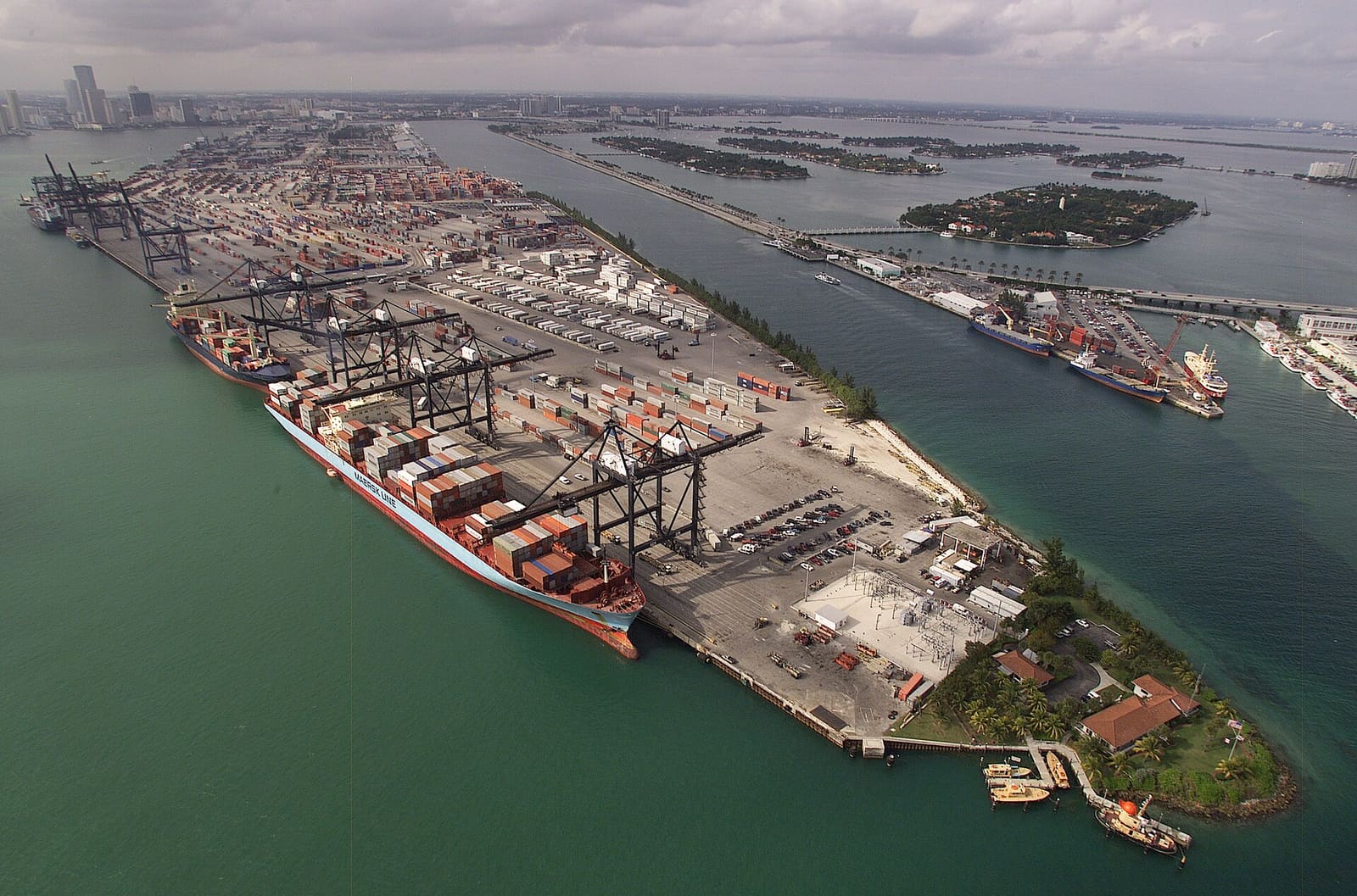
A free trade zone (FTZ) is a designated area, usually near a major port or border crossing, where goods can be imported, stored, handled, manufactured or re-exported under simplified customs treatment — often with duties suspended or reduced until goods formally enter the domestic market. China has developed a number of these zones around its major port cities as part of a broader push to make cross-border trade more efficient.
For international buyers, the practical value of an FTZ has less to do with the policy details and more to do with what it enables operationally: faster consolidation, more flexible re-export, and reduced upfront duty exposure. Multilateral bodies such as UNCTAD have tracked the growing global use of free trade zones and special economic zones as a trade-facilitation tool, reflecting how mainstream this approach has become for cross-border sourcing.
Common Advantages for Importers
- Duty deferral — goods held in an FTZ generally do not trigger duty until they leave the zone for the domestic market, similar in principle to bonded warehousing.
- Simplified re-export — cargo that will be sold on to a third market, rather than sold domestically, can often move through an FTZ without ever triggering full import duty.
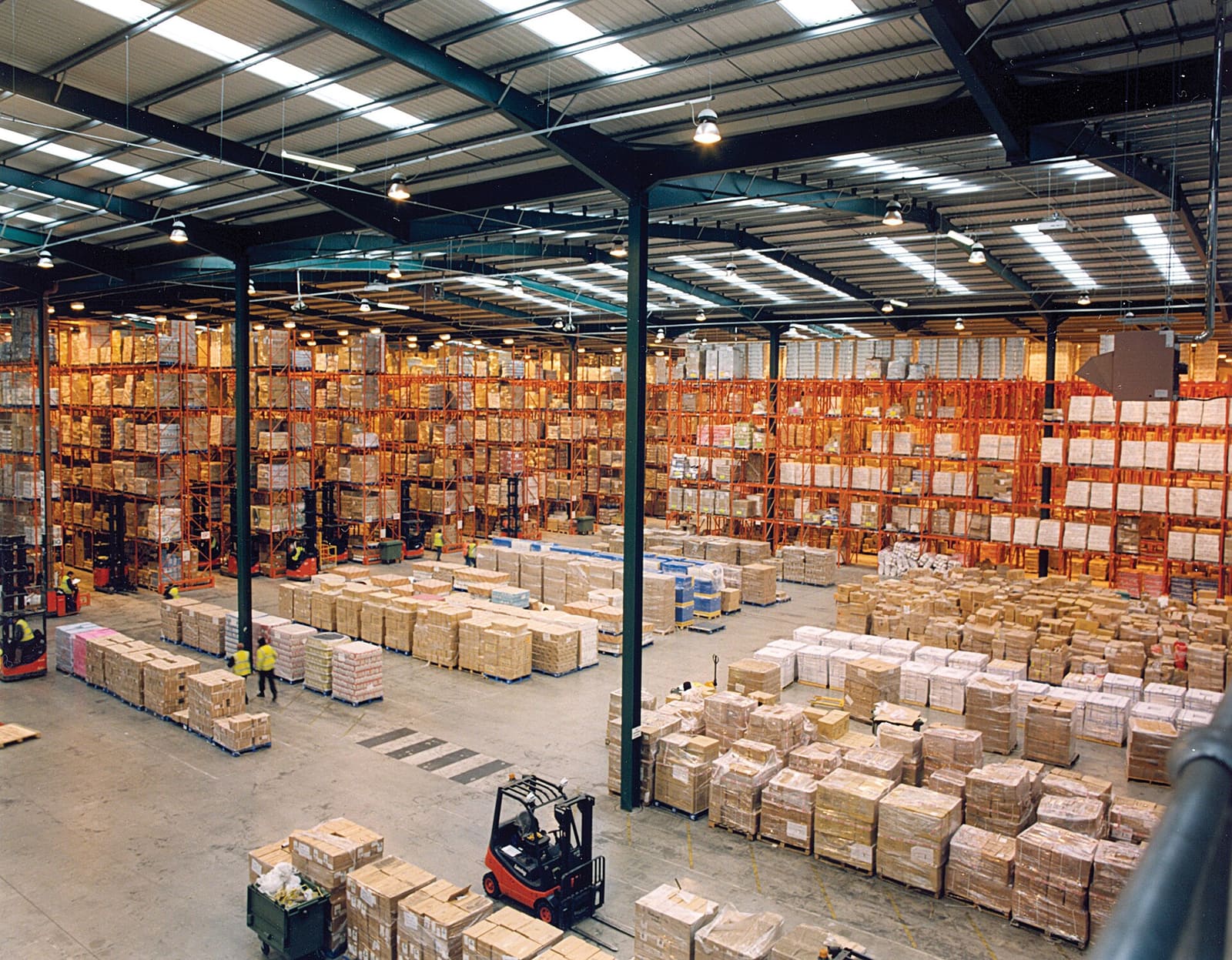
- Consolidation flexibility — goods from multiple suppliers can be gathered, inspected, repackaged or relabeled within the zone before being formally imported or re-exported as a single, organized shipment.
- Reduced administrative friction — many zones offer streamlined customs procedures compared to standard import processing.
How This Plays Out in Practice
Consider an importer sourcing components from several factories across the Pearl River Delta, intended for re-export to a third country rather than sale within China. Routing that cargo through a free trade zone near the origin port allows the goods to be consolidated, quality-checked and repacked as a single shipment — without duty being assessed on components that were never intended for the domestic market in the first place.
The same logic applies to importers who want to hold inventory close to a major Chinese port while deciding, order by order, whether specific goods will ultimately be sold domestically or shipped onward.
Free Trade Zones vs. Bonded Warehousing
The two concepts overlap — bonded warehousing is often available within a free trade zone — but an FTZ is broader than a single warehouse. It can include manufacturing, assembly and value-added processing in addition to storage, all under the same simplified customs framework. Businesses evaluating both should think of bonded warehousing as one tool available inside the wider set of options a free trade zone offers.
What to Ask Before Using an FTZ
- Which specific activities (storage, assembly, repackaging, relabeling) are permitted within the zone you are considering?
- What documentation is required to move goods into and out of the zone?
- How does using the zone affect your onward customs process at the final destination?
Working an FTZ Into Your Sourcing Strategy
Free trade zones are most valuable when they are planned in from the start of a sourcing strategy, rather than considered only after a shipment runs into a duty or timing problem. Our team, based at our Guangzhou headquarters, can help assess whether routing part of your supply chain through a free trade zone makes sense given your mix of domestic sales and re-export.
Frequently Asked Questions
Not necessarily — duty is generally deferred rather than eliminated, only triggering once goods leave the zone for the domestic market. Cargo re-exported to a third market can often avoid full import duty altogether.
Bonded warehousing is usually available within a free trade zone, but an FTZ is broader — it can include manufacturing, assembly and value-added processing in addition to storage, all under the same simplified customs framework.
Yes — goods from multiple suppliers can be gathered, inspected, repackaged or relabeled within the zone before being formally imported or re-exported as a single, organized shipment.
From the start, rather than only after a shipment runs into a duty or timing problem — planning it in early lets you structure sourcing around the zone's consolidation and re-export advantages instead of reacting after the fact.