Two acronyms now sit on top of nearly every shipment entering the European Union, and they get confused with each other constantly: EU ETS and CBAM. Both add cost. Both are tied to carbon. And both are now fully operational as of 2026, which means transportation logistics teams moving goods into Europe can no longer treat either one as a future planning item — they are current, live costs showing up on invoices and customs declarations today. But they are genuinely different mechanisms, taxing different things, collected from different parties, and understanding that difference matters for anyone trying to forecast landed cost on European-bound cargo accurately. This is, in effect, the EU carbon border tax logistics challenge shippers now have to plan around: two separate carbon-pricing systems, each with its own trigger, timeline and point of obligation, both layered onto the same trade lane at the same time.
Two Different Mechanisms, Often Confused
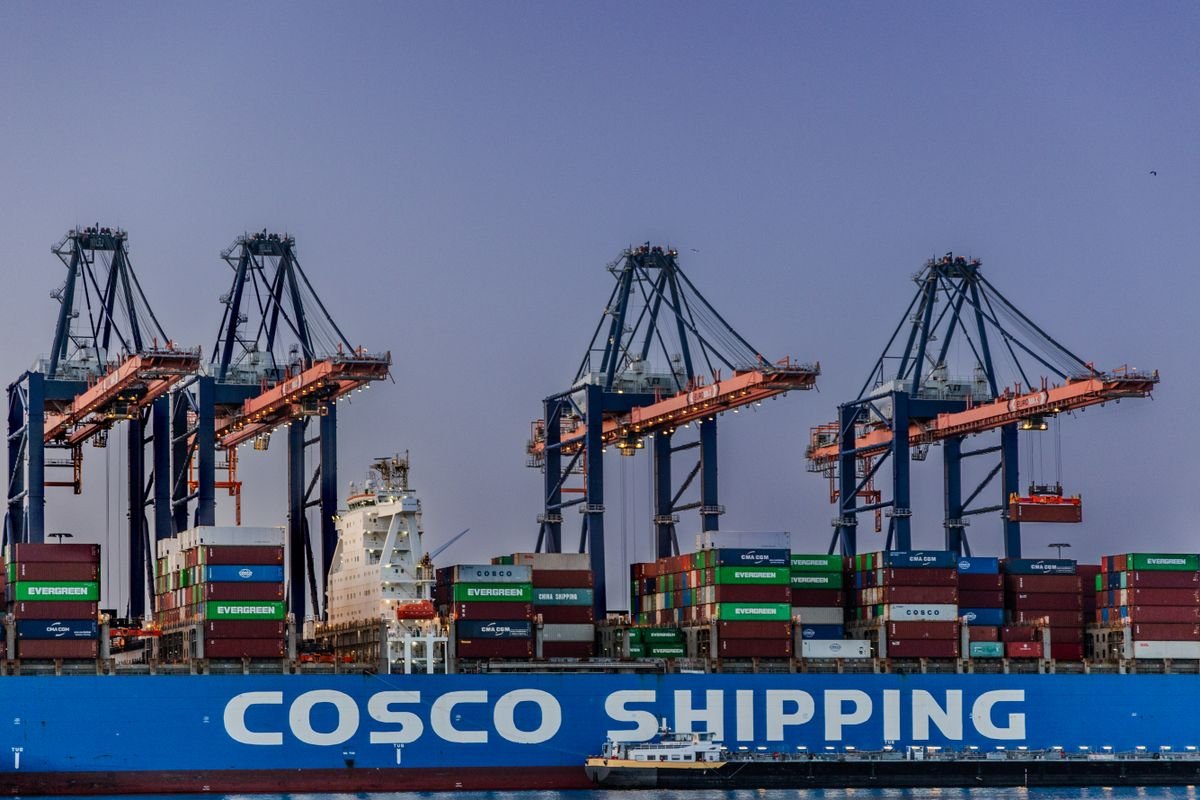
The simplest way to separate them is this: EU ETS prices the emissions from the voyage. CBAM prices the embedded carbon in the goods. A container ship burning bunker fuel to sail from Shanghai to Rotterdam falls under EU ETS regardless of what is inside the containers. A shipment of Chinese steel falls under CBAM because of what the steel itself is and how it was made, regardless of which ship, train or truck carried it to the EU border. A single shipment of steel coils moving by sea can, in principle, trigger obligations under both systems at once — one tied to the ship, one tied to the cargo — which is exactly the kind of overlap that creates confusion for shippers encountering this for the first time.
EU ETS: Carbon Pricing for the Voyage Itself
The EU Emissions Trading System extended to maritime shipping on a phased basis: 2024 required allowances covering 40% of verified shipping emissions, 2025 moved to 70%, and from 2026 onward shipping companies must surrender allowances for 100% of emissions within scope. The scope itself is not uniform across a voyage — intra-EU voyages and emissions generated while a ship is at berth in an EU or EEA port count in full, while voyages between an EU port and a non-EU port count only 50% of emissions, reflecting that only part of that journey touches EU waters. The system applies to cargo and passenger vessels of 5,000 gross tonnage and above, and from 2026 it also captures methane and nitrous oxide emissions alongside carbon dioxide, broadening what counts toward a vessel's compliance obligation. Carriers have been passing this cost through via surcharges — one major carrier has publicly estimated its relevant surcharge rising by roughly 45% as the system reached full implementation, which gives a sense of how material this has become for lines serving Europe rather than a marginal compliance line item.
CBAM: A Border Tax on the Goods, Not the Ship
The Carbon Border Adjustment Mechanism works on an entirely different logic. It targets carbon leakage — the risk that EU climate policy simply pushes carbon-intensive production to countries with weaker rules rather than actually reducing global emissions — by applying a cost to imported goods that is meant to match what an EU-based producer would have paid under EU ETS for making the same product. After a transitional phase running from October 2023 through the end of 2025, during which importers only had reporting obligations, CBAM moved into its definitive regime on 1 January 2026. Under that regime, importers of covered goods must hold authorized CBAM declarant status and will purchase and surrender certificates tied to the embedded emissions in what they import, priced to track EU ETS allowance costs. Coverage currently spans six sectors: iron and steel, aluminum, cement, fertilizers, hydrogen and electricity, with a small-importer exemption for annual volumes under 50 tonnes in the metals, cement and fertilizer categories.
Where the Two Overlap and Where They Don't
| EU ETS (Maritime) | CBAM | |
|---|---|---|
| What it prices | Emissions from the vessel's voyage | Embedded carbon in the imported goods |
| Who is obligated | The shipping company | The EU-based importer |
| Scope of goods/cargo | All cargo on covered vessels, any commodity | Only six specific carbon-intensive sectors |
| 2026 status | 100% of verified emissions in scope | Definitive regime in force; certificate trading platform expected 2027 |
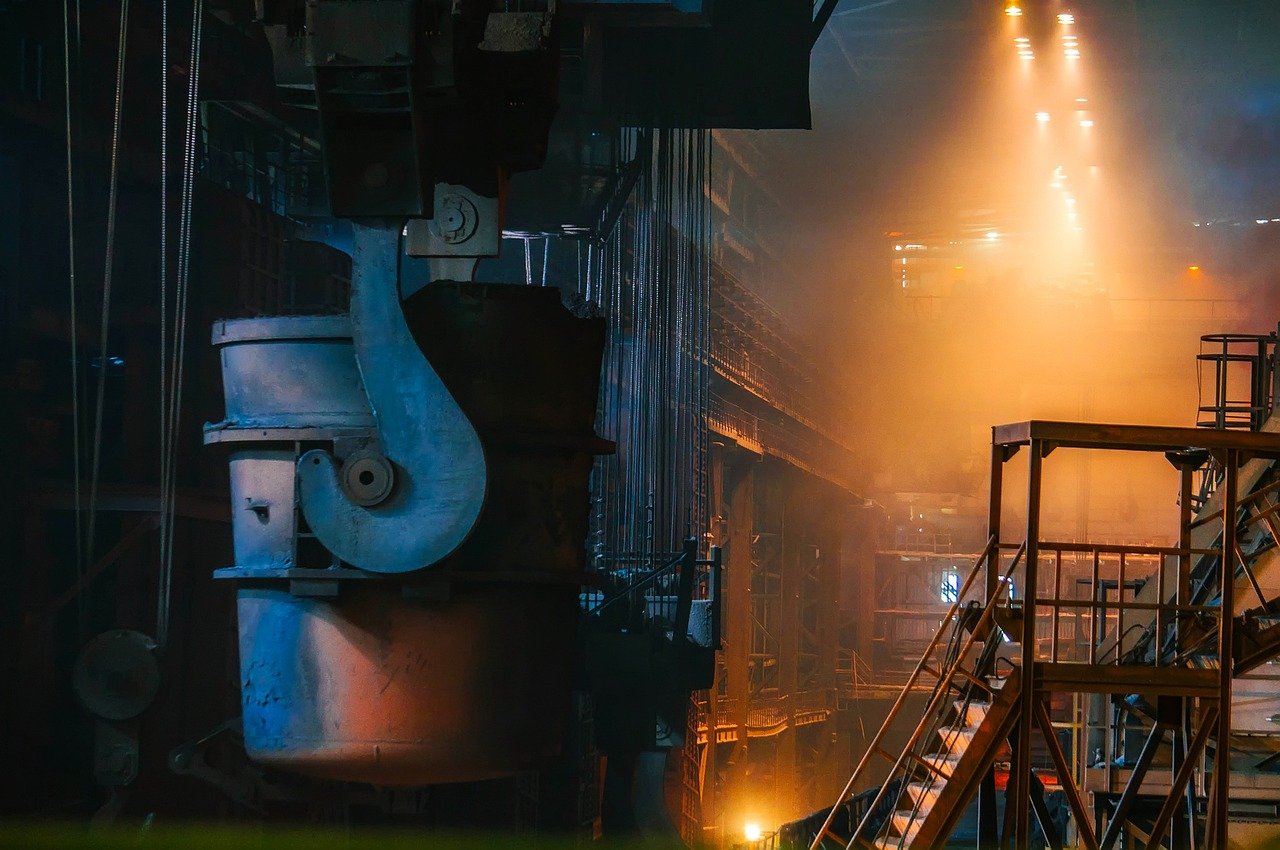
The overlap is narrower than it might first appear. Most cargo moving into Europe — electronics, textiles, machinery, consumer goods — is entirely outside CBAM's scope and only touched by EU ETS through the vessel's own compliance costs, which show up as a carrier surcharge rather than a separate customs obligation. It is specifically the carbon-intensive raw and semi-finished materials — steel coils, aluminum ingots, cement, fertilizer — where both systems apply to the same shipment simultaneously, which is also why our companion coverage of CBAM's effect on Chinese steel exporters focuses specifically on that sector rather than trade with Europe broadly.
What This Means for Shippers Moving Goods Into Europe
For transportation logistics planning purposes, the practical split is this: if a shipment falls outside CBAM's six covered sectors, the main new cost to plan around is the carrier's EU ETS-related surcharge, which is now a standing part of quoted rates on EU-bound lanes rather than a temporary addition. If a shipment does fall within CBAM's scope, the importer additionally needs authorized declarant status and a process for tracking and eventually certifying the embedded emissions in what they're bringing in — a materially heavier compliance lift that touches customs documentation, not just freight cost. Shippers moving a mix of both should budget time to determine, product line by product line, which obligations actually apply rather than assuming a blanket approach covers everything correctly.
The Definitive Phase: What Changed in 2026, and How the Market Is Adapting
Two things shifted meaningfully with 2026's arrival. First, EU ETS moved from partial to full emissions coverage, removing what had been a gradual cost ramp and replacing it with the system's full intended cost. Second, CBAM moved from a reporting-only transitional phase into a regime with real financial obligations — authorization requirements are now binding, even though the certificate purchase-and-surrender mechanism itself is still being built out, with the trading platform expected to become operational in 2027 for certificates covering 2026 imports retroactively. Both changes mean the compliance landscape shippers are navigating in 2026 is materially different, and more costly, than what applied even a year earlier, and our broader guide to China-Europe trade relations covers how this fits into the wider trading relationship between the two blocs.
On the carrier side, most major ocean lines serving Europe have now built EU ETS costs directly into their published surcharge structures rather than treating them as an ad hoc add-on, which at least gives shippers a visible line item to track even if the underlying allowance price continues to move. On the customs brokerage side, firms handling CBAM-covered goods have had to build new internal processes for collecting and verifying embedded-emissions data from overseas suppliers, since that data did not previously need to accompany a shipment's customs paperwork at all. This is a genuinely new category of EU carbon border tax logistics work — gathering production-level emissions data from a factory in China or elsewhere, translating it into the format CBAM's reporting requires, and keeping records ready for the certificate reconciliation process once the trading platform goes live in 2027. Brokers and forwarders who built this capability early, during the 2023–2025 transitional phase when only reporting was required, are generally better positioned now that the definitive regime carries real financial consequences for getting it wrong.
There is also a documentation timing issue worth flagging specifically. Because CBAM's embedded-emissions data has to trace back to the original manufacturer, a transportation logistics chain with multiple intermediaries — a trading company, a consolidator, a freight forwarder — needs that data to travel with the shipment information from the very first point of sale, not be reconstructed after the goods have already cleared an EU border. Shippers who leave this until a shipment is already in transit routinely find themselves short the documentation CBAM compliance requires, which can mean delays at the point of import even when the underlying goods themselves are fully compliant.
Practical Steps for Compliance
None of the steps below are difficult in isolation, but they only work if they are built into standard transportation logistics processes well before a shipment reaches an EU border, rather than handled as exceptions after something goes wrong.
- Confirm CBAM applicability early — check whether specific product lines fall within the six covered sectors before assuming a shipment is unaffected, since classification mistakes are costly to unwind after the fact.
- Secure authorized declarant status in advance — this is not an instant process, and importers who wait until a shipment is already in transit risk delays at the EU border.
- Request EU ETS surcharge transparency from carriers — ask how a quoted rate breaks down between base freight and ETS-related cost so changes in the underlying allowance price can be tracked over time.
- Track embedded-emissions documentation from suppliers — CBAM certificate obligations depend on accurate emissions data from the original producer, which needs to be requested and verified well before the certificate trading platform goes live.
How RR Brothers and Logistics Can Help
RR Brothers and Logistics supports clients moving cargo into European markets with customs clearance and brokerage services that account for exactly this kind of shifting compliance landscape, helping identify which shipments fall under CBAM's scope and making sure EU ETS-related surcharges are transparent rather than buried inside a quoted rate. As both mechanisms continue to evolve — particularly as CBAM's proposed expansion to downstream product categories moves through negotiation — our team tracks the practical EU carbon border tax logistics implications so clients aren't left reacting to changes after they've already affected a shipment in transit.
Frequently Asked Questions
EU ETS is a carbon pricing system applied to the voyage itself, requiring shipping companies to hold emissions allowances for the emissions generated transporting cargo in and out of EU ports. CBAM is a separate border tax applied to the embedded carbon in specific imported goods, such as steel, aluminum and cement, regardless of how those goods were transported.
Yes. The phase-in ran at 40% of verified shipping emissions in 2024 and 70% in 2025, reaching 100% coverage from 2026 onward, so shipping companies are now surrendering allowances covering the full scope of emissions within the system.
CBAM currently covers six carbon-intensive sectors: iron and steel, aluminum, cement, fertilizers, hydrogen and electricity, with a European Commission proposal under negotiation that would extend it to roughly 180 additional downstream product categories with high steel and aluminum content.
Formally, EU ETS costs are the shipping line's compliance obligation and CBAM certificate obligations sit with the EU-based importer, but in practice both costs are typically factored into landed cost and negotiated between exporter and importer through pricing and contract terms.