The Problem Consolidation Solves
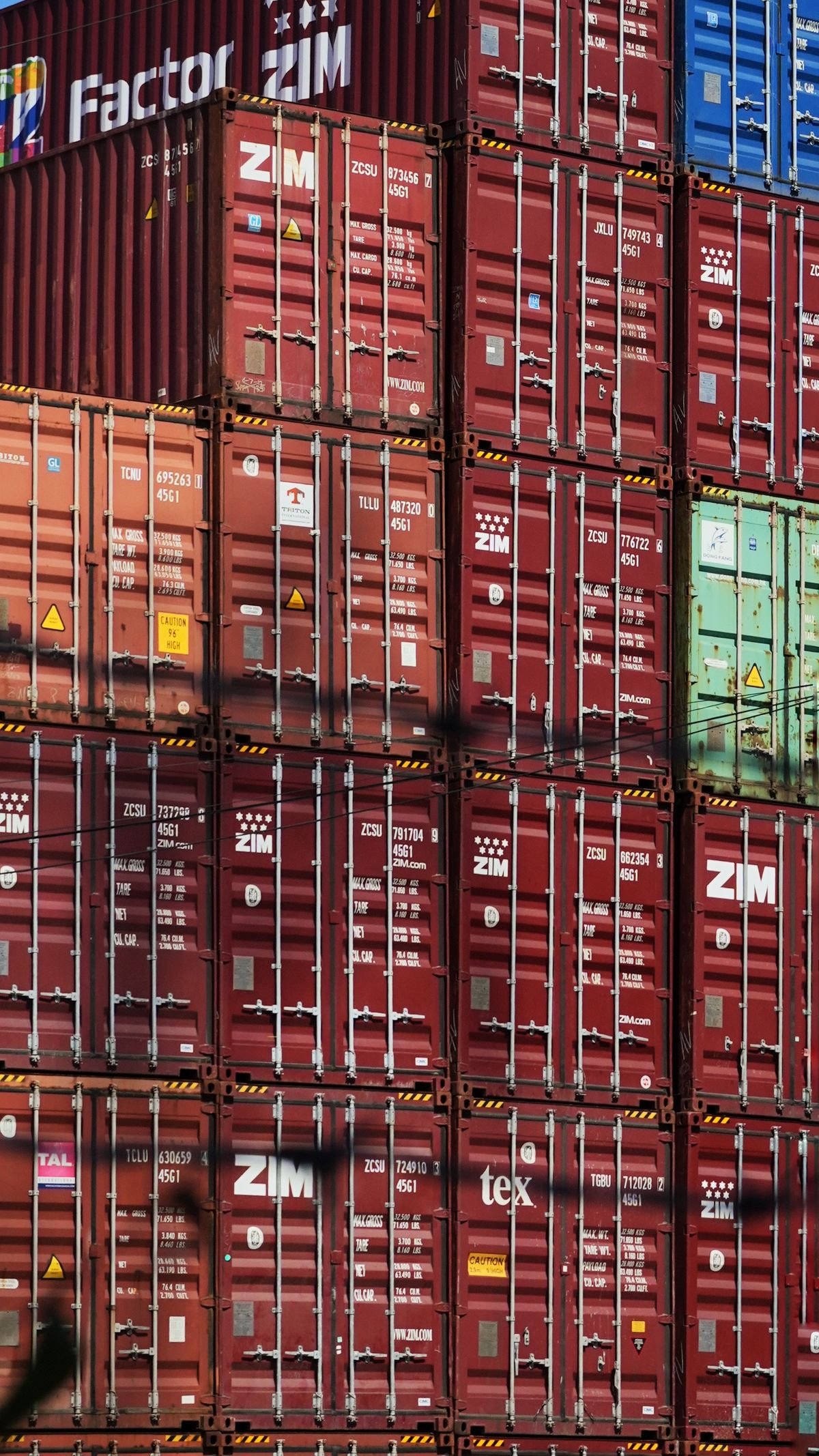
Not every shipment fills a full container. For a buyer sourcing a smaller volume of goods from China, paying for an entire 20-foot or 40-foot container — most of it empty — is simply wasteful. Freight consolidation, better known as LCL (Less than Container Load), solves this by combining multiple shippers' cargo into a single shared container.
How Consolidation Actually Works
A consolidator collects cargo from multiple shippers heading to the same general destination, groups it into one container at an origin warehouse, and manages the paperwork so each shipper's cargo is tracked and cleared separately at the far end — even though it traveled together. Because each shipper's goods still cross the export border individually on paper, that documentation has to satisfy the same requirements set by the General Administration of Customs of China, even though the cargo physically moves as one container. Every container — consolidated or not — also needs its Verified Gross Mass confirmed before loading under IMO SOLAS rules, a requirement that applies the same way whether the box holds one shipper's goods or several. This means you pay only for the space your cargo actually occupies, not the whole container.
A Simple Worked Example
Say three importers each need to ship roughly 15 cubic meters of cargo from Guangzhou to the same destination market. Individually, none of them comes close to filling a 40-foot container's ~58 cubic meter capacity, and none of them wants to pay for the empty space that would leave. Consolidated together, the three shipments fill roughly 45 cubic meters of shared space — each importer pays only for their share, and the container sails at a reasonable utilization rate instead of nearly empty.
What You Give Up With LCL
Consolidation typically adds a small amount of extra handling time at both ends — cargo has to be loaded into and unloaded from the shared container at a warehouse, rather than being sealed once at the factory and opened once at final delivery. For time-sensitive shipments, FCL (Full Container Load) may still be worth the extra cost even at lower volumes.
When Consolidation Makes the Most Sense
- Regular but moderate-volume shipments that don't justify a full container
- New importers testing a product line before committing to larger volumes
- Businesses sourcing from multiple Chinese suppliers who want to combine shipments into one sailing
How RR Brothers Manages Consolidation
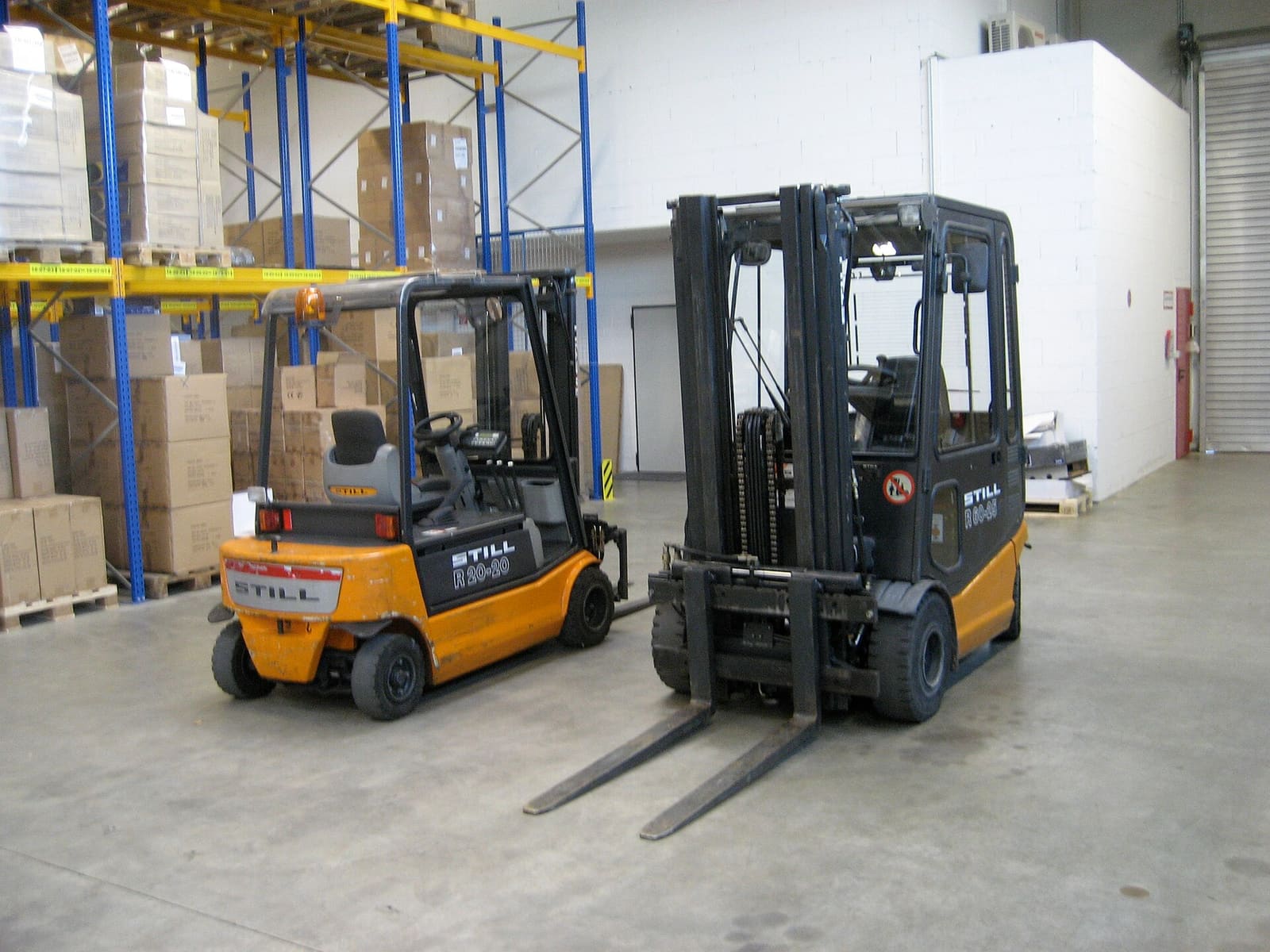
Because we operate our own warehousing at origin in Guangzhou, we can consolidate multiple clients' cargo efficiently, track each shipment individually through the process, and clear it correctly at destination — giving smaller importers the cost benefit of LCL without losing visibility into their own cargo.
Frequently Asked Questions
With LCL you pay only for the container space your cargo actually occupies, rather than the cost of an entire 20-foot or 40-foot container, most of which would otherwise sit empty for a smaller shipment.
No — a consolidator manages the paperwork so each shipper's cargo is tracked and cleared separately at the destination, even though it traveled together in the same shared container.
LCL typically adds a small amount of extra handling time at both ends, since cargo has to be loaded into and unloaded from the shared container at a warehouse rather than sealed once and opened once.
Yes — it's one of the situations where consolidation makes the most sense, since it avoids committing to full-container volumes before you know how a product line will perform.