A Sourcing Strategy Built on Alignment, Not Just Distance
Friend-shoring has become one of the more widely used terms in global trade strategy over the past few years, and it describes something genuinely distinct from the nearshoring conversation that preceded it. Where nearshoring is about moving production physically closer to the end market to cut transit time and freight cost, friend-shoring is about choosing suppliers and manufacturing partners in countries that are politically and economically aligned with the buyer's home government — regardless of how close or far those countries actually are. A US buyer friend-shoring to India or Vietnam is not necessarily shortening its supply chain in distance terms; it is deliberately choosing a trade partner it considers diplomatically reliable over one it considers politically exposed. That distinction matters enormously for transportation logistics planning, because it means friend-shored cargo often still travels the same long-haul ocean or air routes as before — just from a different origin, under a different compliance profile.
Why Friend-Shoring Gained Momentum
The term picked up mainstream use as Western governments and multinational buyers grew increasingly uncomfortable with supply chain concentration in any single country perceived as a geopolitical risk, particularly following pandemic-era disruptions and escalating trade tension between major economies. Government policy has reinforced the trend directly in some cases — trade financing incentives, tariff preferences under agreements with allied nations, and explicit industrial policy aimed at reducing dependency on any one manufacturing base have all pushed buyers toward friend-shoring as a stated corporate strategy rather than a quiet operational adjustment. It's a strategy driven as much by boardroom risk committees and government relations teams as by pure supply chain economics.
Friend-Shoring vs. Nearshoring: Two Different Logics
It's worth being precise about the difference, because the two terms get used interchangeably in casual conversation and they lead to very different transportation logistics outcomes. Our companion article on nearshoring and its impact on transportation logistics covers the proximity-driven version of this trend — production moving to Mexico to serve the US market, or to Eastern Europe to serve Western Europe, primarily to cut lead times and simplify last-mile delivery. Friend-shoring doesn't share that geographic logic. A friend-shoring move from China to India, for a US buyer, can mean a comparable or even longer ocean transit time than the supplier being replaced, since India is not meaningfully closer to the US East or West Coast than China's major export ports. The rationale is political risk reduction and trade-policy alignment, not transit-time reduction — and a transportation logistics plan built around friend-shoring needs to be evaluated on those terms rather than assumed to bring the automatic speed benefits that nearshoring does.
What Friend-Shoring Changes in Practice for a Shipment
- A new documentation profile — different country-of-origin rules, different certificates of origin, and potentially different free trade agreement eligibility than the supplier being replaced, all of which need to be verified rather than assumed to carry over.
- A different tariff exposure — friend-shored origins often qualify for preferential tariff treatment under specific trade agreements that the previous origin didn't, which can materially change landed cost calculations once freight is factored in.
- A different carrier and port network — the ocean carriers, transshipment hubs and inland transport options serving a friend-shored origin may differ meaningfully from the previous supplier's network, affecting both transit time and cost.
- New compliance screening requirements — even an aligned trading partner requires standard customs, sanctions and product-compliance checks; friend-shoring reduces certain geopolitical risks but does not eliminate the need for due diligence.
India as a Case Study in Friend-Shoring Demand
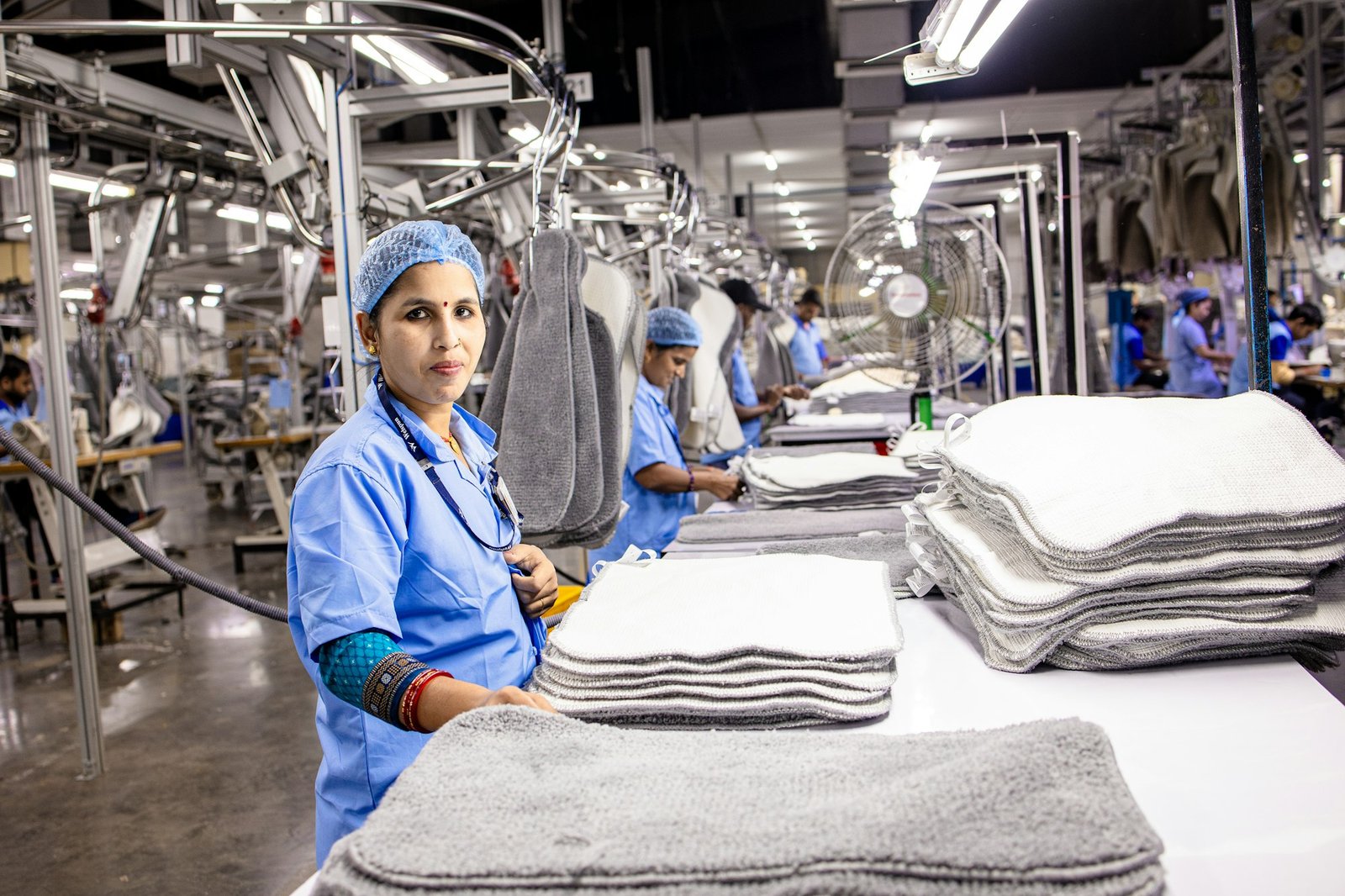
India has been one of the most frequently cited friend-shoring destinations for Western and Japanese buyers over the past several years, driven by a combination of a large domestic manufacturing base, government incentive programs aimed at electronics and pharmaceutical production, and a trade relationship that many Western governments consider more diplomatically stable than alternatives. RR Brothers and Logistics has direct operational experience on China-India and broader India trade lanes, and one pattern we see consistently is that buyers underestimate how much the transportation logistics profile changes even when the "why" behind the move is purely political. Port congestion patterns, customs documentation standards and typical transit times on India-bound and India-origin freight are genuinely different from China lanes, and a shipper moving quickly on a friend-shoring decision needs a forwarder who already understands those differences rather than learning them shipment by shipment. Gujarat ports like Mundra and Pipavav, and the Nhava Sheva terminal near Mumbai, have all seen rising volumes tied in part to this demand, and each has its own typical dwell times, feeder connections and peak-season congestion patterns that a shipper new to Indian sourcing needs to plan around rather than discover mid-shipment.
Vietnam and Mexico: The Other Frequently Cited Destinations
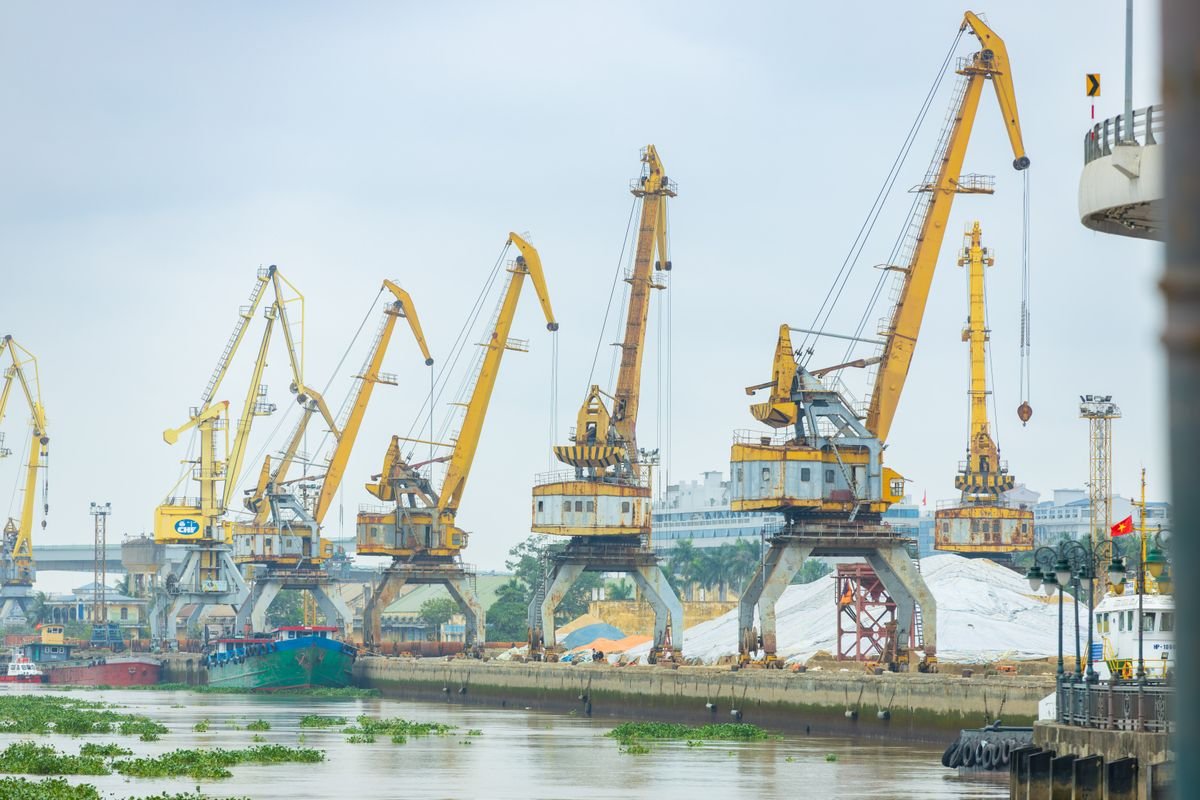
Vietnam and Mexico round out the list of destinations most commonly associated with friend-shoring in trade press and corporate sourcing strategy documents, though the underlying logic differs between them. Vietnam's appeal combines friend-shoring's political-alignment logic with some of nearshoring's proximity logic for buyers serving other parts of Asia, while also benefiting from established electronics and textile manufacturing infrastructure built up over more than a decade of investment. Mexico, meanwhile, sits at the overlap of both trends for US buyers specifically — it is both geographically near (nearshoring) and, under USMCA, a formally aligned trade partner (friend-shoring), which is part of why Mexico has seen some of the fastest growth in manufacturing investment among all the destinations typically discussed in this conversation. Our related piece on India-ASEAN trade routes covers some of the practical port and transit details relevant to Vietnam-origin freight specifically.
Friend-Shoring vs. Nearshoring: A Side-by-Side Comparison
| Factor | Friend-Shoring | Nearshoring |
|---|---|---|
| Primary driver | Political and trade-policy alignment | Geographic proximity, shorter lead times |
| Typical transit time change | Often unchanged or longer | Usually shorter |
| Typical mode | Long-haul ocean or air freight | Ocean, rail or road, shorter haul |
| Example move (US buyer) | China to India or Vietnam | China to Mexico |
The Multimodal Question: Does Friend-Shoring Change the Best Mode of Transport?
One transportation logistics question that comes up repeatedly with friend-shoring moves is whether the change in origin should also trigger a change in mode. The answer is genuinely case-by-case. A move from coastal China to a well-connected Indian port like Mundra or Nhava Sheva may keep a shipper firmly in standard FCL or LCL ocean freight territory, with little change to the underlying mode decision. But a move to an inland manufacturing hub, or to a country with less mature port infrastructure, can shift the calculus toward a combination of road or rail pre-carriage to a suitable gateway port, adding a leg to the routing that didn't exist with the previous supplier. Air freight also deserves a fresh look after any friend-shoring transition, particularly during the qualification period when a shipper may be running smaller volumes from the new origin and want the speed and lower minimum-commitment of air cargo rather than waiting to fill a full container. None of these mode decisions should simply carry over from the previous origin's playbook — they need to be re-evaluated against the new origin's actual infrastructure and the buyer's actual volume and timing needs.
Building a Transportation Logistics Plan Around a Friend-Shoring Move
Shippers who handle a friend-shoring transition well tend to treat it as a full transportation logistics re-planning exercise rather than a simple supplier swap. That means mapping the new origin's port infrastructure and typical dwell times, confirming which ocean carriers actually serve the specific origin-destination pair at competitive rates and frequency, verifying free trade agreement eligibility and documentation requirements from scratch rather than assuming the previous supplier's paperwork template applies, and building in a transition period where both the old and new origin are qualified simultaneously to avoid a supply gap. The World Trade Organization has tracked the broader trend of trade fragmenting along geopolitical lines in its recent trade outlook reporting, noting that this kind of realignment is reshaping global trade flows in ways that go beyond simple cost optimization — which is exactly why a friend-shoring decision deserves the same rigor as any other major sourcing change, not less.
How RR Brothers and Logistics Can Help
As a freight forwarder with established operations across China, India, Turkey and other markets frequently cited in friend-shoring discussions, RR Brothers and Logistics helps clients evaluate the real transportation logistics implications of a friend-shoring move before they commit to it — actual transit times, actual carrier options, actual documentation requirements — rather than relying on general assumptions about a new origin. Whether you're qualifying a second supplier in India alongside an existing China relationship, or shifting a product line to Vietnam for trade-policy reasons, our team can help structure the freight side of that transition so it doesn't become the weak link in an otherwise sound strategic decision. We can also run the two origins in parallel during a qualification window, so the transportation logistics side of a friend-shoring decision never becomes the reason it slips its timeline.
Frequently Asked Questions
Friend-shoring is the practice of sourcing goods or components from countries that are politically or economically aligned with the buyer's home market, prioritizing diplomatic and trade-policy alignment over pure geographic proximity or lowest unit cost.
Nearshoring is driven by physical proximity and shorter transit times — moving production closer to the end market. Friend-shoring is driven by political and trade-policy alignment and can still involve long-haul ocean or air freight to a country that is geographically distant but considered a reliable trade partner.
India, Vietnam and Mexico are frequently cited by Western buyers as friend-shoring destinations, chosen for a combination of trade-agreement access, diplomatic alignment and growing manufacturing capacity, though the specific list varies by the buyer's home market and industry.
It depends on the specific origin-destination pair. Friend-shoring doesn't automatically mean shorter or cheaper routes — some friend-shored origins are farther from the end market than the supplier being replaced, so freight cost and transit time need to be evaluated lane by lane rather than assumed.