A Market That Keeps Evolving
China's role as a global manufacturing and export hub isn't static — the products moving through Chinese ports, the routes they take, and the way they're booked all continue to change. For importers, staying aware of the direction these trends are moving matters as much as managing today's shipment.
Continued Manufacturing Value-Chain Movement
China's manufacturing base continues to move toward higher-value categories — electronics, precision machinery, advanced materials — while remaining central to global sourcing for a huge range of goods. For logistics, this generally means more shipments requiring careful handling, accurate documentation, and sometimes specialized equipment, rather than pure commodity-style bulk freight.
Sustained Growth in Cross-Border E-commerce
Cross-border e-commerce from China has grown substantially and shows no sign of reversing, pushing more logistics demand toward smaller, more frequent shipments and bonded warehousing models rather than infrequent bulk imports. UNCTAD's ongoing research on digital trade confirms this trajectory, tracking how cross-border e-commerce continues to outpace traditional trade growth worldwide. Sellers are increasingly building fulfillment strategies around this shift rather than treating it as a side channel.
China-Europe Rail as a Real Alternative
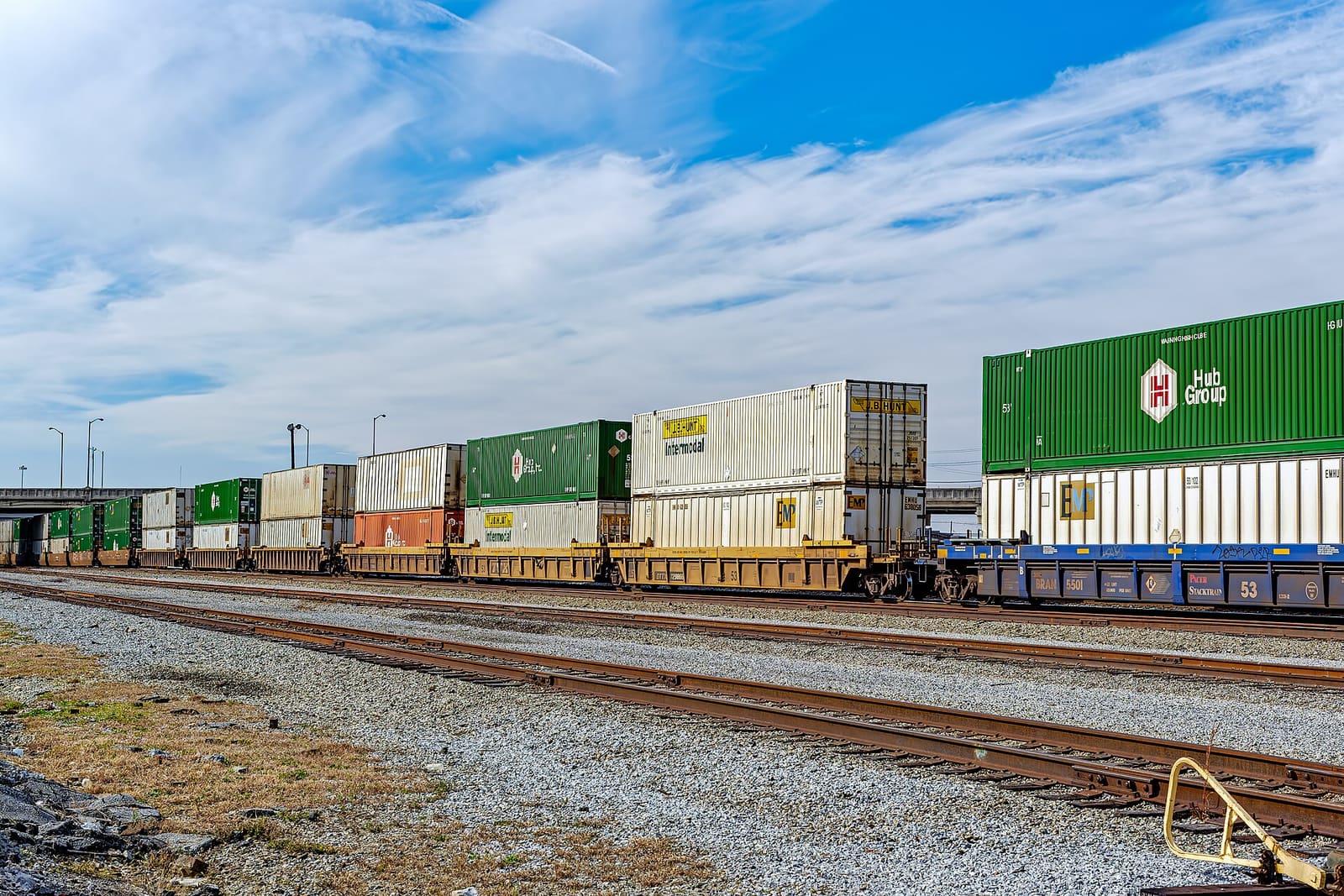
China-Europe rail freight has developed into a genuine middle option between sea and air — slower than air, but meaningfully faster than sea, and increasingly used for time-sensitive cargo that doesn't justify air freight cost. Expect this option to keep gaining share on relevant lanes rather than remaining a niche choice.
Digitization of Documentation and Tracking
Paper-heavy customs and shipping documentation processes are gradually giving way to digital systems, improving visibility and reducing the manual errors that cause customs delays. China's own customs authority, the General Administration of Customs of China, has been at the forefront of this digitization push domestically. Importers working with forwarders who have adopted these systems tend to see fewer documentation-driven holds.
Multi-Origin Sourcing as a Standard Practice
More buyers now combine China sourcing with other origins as a matter of standard practice rather than crisis response, seeking resilience without giving up China's manufacturing scale and cost advantages. The WTO has also tracked a broader diversification of global manufacturing and trade patterns, consistent with this shift toward multi-origin sourcing strategies. This trend rewards forwarders with genuine multi-country networks over single-corridor specialists.
What This Means for How You Plan
None of these trends require an overreaction — they call for a logistics partner who is tracking them and adjusting recommendations accordingly. That's the role RR Brothers plays for clients moving cargo from our Guangzhou headquarters to markets across India, Europe, the US and Canada.
Frequently Asked Questions
No — it is developing into a genuine middle option between sea and air, faster than ocean but cheaper than air, and it is gaining share on relevant lanes rather than replacing either mode outright.
It is pushing more volume toward smaller, more frequent shipments and bonded warehousing models, rather than the infrequent bulk imports that shaped traditional freight planning.
Yes — more shipments now require careful handling, accurate documentation and sometimes specialized equipment, rather than the commodity-style bulk freight that once dominated.
Many now do, as standard practice rather than crisis response — seeking resilience while keeping China's manufacturing scale and cost advantages, which rewards forwarders with genuine multi-country networks.