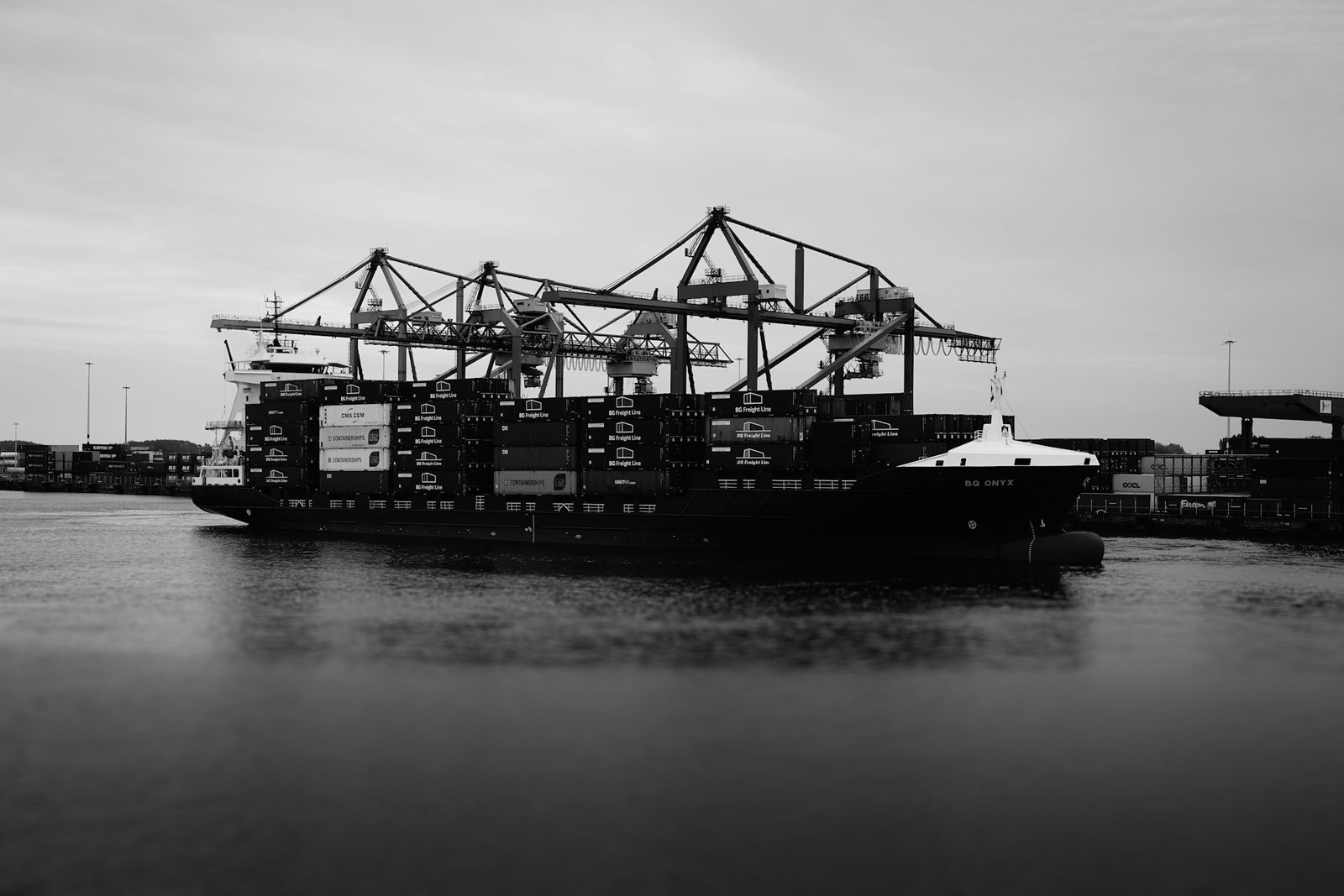
A manufacturer feels a supply chain disruption as a stopped line, and the cause can be much smaller than the effect. A component held at the port for want of a certificate, a supplier that stops answering after an advance, a missed cut-off or a payment sent to the wrong account can each halt production. Large shocks get the headlines, but the day-to-day disruptions that a manufacturer can prevent come from suppliers, documents, compliance, money and transport. This guide helps manufacturers reduce supply chain disruptions in four moves: map where they come from, spread the risk, tighten the steps where errors happen and rehearse the response. It uses Indian rules and official advice, and ends with a made-up scenario and a quarterly routine.
For tests of resilience, see stress-testing supply chain resilience. For inventory choices, see just-in-time vs just-in-case inventory strategies.
Move 1: Map Where Disruptions Come From
| Source | Typical disruption | A control |
|---|---|---|
| Supplier | Identity fraud, silence after an advance, sub-standard goods, price rises after signing | Verification and protected payment |
| Documents | A mismatch that holds the entry | A master data sheet and a three-way match |
| Compliance | Goods held because evidence or registration is missing | A compliance file for every part |
| Money | A wrong payee, a late remittance, duty funds not ready | A payment protocol and a cash calendar |
| Transport | A missed cut-off, a changed schedule, damage in transit | Firm cut-offs, buffers and insurance |
| Calendar | Factory closures, monsoon weather, peak seasons | A year-ahead calendar |
| Single points | One supplier, one route, one person | A second source, a second route and a deputy |
List the disruptions you have already had. A one-page register of what happened, why, how long it lasted and what it cost is the best map you can build.

Move 2: Spread the Risk
Suppliers. The Embassy of India in Beijing's advisory for Indian SMEs reports sub-standard goods, silence after advance payments, changed bank accounts and price increases after contracts were signed, and recommends verifying credentials, signing a proper contract with an arbitration clause, using a letter of credit, escrow or bank guarantee for high-value contracts, and independent inspection. Treat each transaction on its own merits, even with a long-standing supplier. See how to find reliable suppliers in China and multi-origin sourcing.
Routes and modes. Keep a fallback route and mode for each critical lane, and a rule for when to switch. Our guide to when businesses should choose air freight gives tests for protecting a line with an air shipment.
People. A process that only one person understands is a single point of failure. Name a deputy for filing, payments and supplier contact.
Move 3: Tighten the Steps Where Errors Happen
Compliance
Compliance failures can strand cargo. DGFT's general notes on import policy say that electronics notified under the 2012 Compulsory Registration Order are prohibited unless BIS-registered and labelled, and that the importer shall re-export them or customs shall deform them beyond use and dispose of them as scrap. A PIB release says the Machinery and Electrical Equipment Safety Order applies from 1 September 2026 to machines and electrical equipment in its first Schedule, with components to follow from a date to be notified. Policy can also change by notification, as para 2.07 of the Foreign Trade Policy 2023 provides for prohibitions and restrictions. Keep a compliance file for each part, and review the rules each quarter.
Documents and customs
Section 46(2) of the Customs Act, 1962 says the bill of entry includes all the goods mentioned in the bill of lading or other carrier receipt. Section 111(m) makes goods that do not correspond with the entry in value or any other particular liable to confiscation, and Section 46(3) allows a bill of entry to be presented up to thirty days before the expected arrival, so filing early removes a source of waiting. Duty on a self-assessed entry is due on presentation under Section 47(2). See avoiding documentation errors.
Payments
The Reserve Bank's Master Direction on Import of Goods and Services expects remittances against normal imports within six months of shipment, asks for a guarantee on advances above USD 200,000 unless a waiver applies and allows third-party payments only on conditions. Protect your own bank details, as the Embassy advises: confirm any change by a second channel and never rely on email alone.
Transport
Under Article 31 of the Montreal Convention, a complaint about damage to air cargo must be made within fourteen days of receipt and a complaint about delay within twenty-one days, so check goods on arrival and complain in writing. For visibility, a PIB release on the National Logistics Policy launch records the Commerce Minister's description of the Unified Logistics Interface Platform as a portal for real-time information on where goods are. A forwarder's tracking should serve the same purpose for your shipments.
Move 4: Rehearse the Response
When a disruption happens, speed depends on decisions made in advance. Write a one-page playbook:
- Detect. Who sees the first signal, and where is it recorded?
- Decide. Who decides, using which criteria, how fast? For example, split the shipment, switch mode, use the second supplier or stop the line.
- Do. Who contacts the supplier, the forwarder and the broker, and what do they say?
- Debrief. After each event, record what happened and update the register and the controls.
A Made-Up Scenario
A shipment of control boards arrives and is held because the BIS registration evidence for one model is missing (all details are made up). The register shows that the same issue arose for another part last year. The playbook triggers at once. The compliance lead asks the supplier for the evidence, the buyer checks the second source's stock, the planner calculates how many days of production the stock on hand covers and the forwarder is asked about re-export or storage. The decision is to fly a small batch from the second supplier to cover the gap while the evidence is obtained. In the debrief, the compliance file is extended to every model, and evidence becomes a condition of release for each purchase order.
A Made-Up Disruption Register
A register does not need special software. A table that the whole team can read is enough, as the made-up entries below show.
| Event (made up) | Root cause | Days of production lost | Control added |
|---|---|---|---|
| Control boards held at the port | BIS evidence missing for one model | 6 | Evidence becomes a release condition for each purchase order |
| Supplier asks to change its bank account | A request received by email only | 0, caught before payment | Any change is confirmed by a call to a known number |
| Shipment misses the vessel cut-off | Documents sent late | 4 | Documents are due two days before the cut-off |
Review the table each quarter and look for causes that repeat, because a cause that has appeared twice is cheaper to fix than the next event it will produce.
Insurance and Claims
Check that cargo insurance covers the full value and the whole route, and write the claim steps and deadlines on one page that the receiving team can find. The air cargo deadlines quoted above are short, and sea and road claims have time limits of their own, so ask your forwarder and your insurer for the dates that apply to each mode.
Run a Yearly Exercise
Once a year, take one event from the register and walk the team through it with the clock running: who is told first, who decides, what is said to the supplier and to the customer, and what the line does in the meantime. Write down where the playbook was unclear and fix it the same week.
A Quarterly Routine
- Update the disruption register and review the causes.
- Re-check policy, standards and the compliance file for every part.
- Review supplier verification and second-source readiness.
- Test the playbook with a short walk-through.
- Review insurance and the claims process.
- Check the calendar for closures and peaks.
Common Mistakes
- Planning for large shocks and ignoring the small, frequent ones.
- Relying on one supplier because the price is good.
- Treating compliance evidence as a paperwork task and not as a release condition.
- Having no fallback route or mode.
- Relying on email to confirm bank details.
- Not recording disruptions, so the same one recurs.
Build Resilience With RR Brothers and Logistics
RR Brothers and Logistics helps manufacturers keep lines supplied, with sea freight, air freight and customs clearance between China and India. Tell us which parts are critical and we will help you plan routes, documents and fallbacks.
Frequently Asked Questions
Those that start in supplier checks, documents, compliance, payments and transport steps, such as an unverified supplier, a document mismatch, missing registration evidence, a wrong payee or a missed cut-off.
Goods that need registration or certification can be held or refused. DGFT says notified electronics without BIS registration are prohibited and must be re-exported or scrapped.
Verify credentials, sign a proper contract with an arbitration clause, protect payments with a letter of credit, escrow or bank guarantee for high-value deals and inspect independently, as the Embassy of India advises.
Who detects, who decides and on what criteria, who contacts which partner and what is said, and a debrief that updates the register and controls.
Section 46 allows a bill of entry up to thirty days before expected arrival, so filing as soon as documents are ready removes one source of waiting.
Each quarter, and after every disruption, updating the register, the compliance file, supplier verification and the playbook.
Sources
- Embassy of India, Beijing: Updated advisory for Indian SMEs doing business with Chinese companies
- DGFT: General notes regarding import policy (ITC (HS) 2022, Schedule 1)
- PIB: Machinery and Electrical Equipment Safety (Omnibus Technical Regulation) Amendment Order, 2025 (19 August 2025)
- DGFT: Foreign Trade Policy 2023, Chapter 2 (para 2.07)
- CBIC: Customs Act, 1962 (Sections 46, 47 and 111)
- Reserve Bank of India: Master Direction, Import of Goods and Services (updated 12 January 2026)
- Convention for the Unification of Certain Rules for International Carriage by Air (Montreal Convention 1999), full text
- PIB: Prime Minister launches National Logistics Policy (17 September 2022)
This article is general information, not legal, tax or customs advice. Rules, rates and procedures change; confirm current requirements with the relevant authority or a licensed customs professional before you ship. Regulatory references were checked against the official sources listed above on 26 October 2026.
Image credits: header photo by Albert Stoynov on Unsplash; photo by Leandro Barreto on Unsplash. Used under the Unsplash License.
Request a Quote