A Trade Relationship Rebalancing in Real Time
India and Russia have traded with each other for generations, but the shape of that relationship has shifted noticeably since 2022, when energy trade expanded sharply and pulled a wider set of ancillary sectors along with it. By 2026, the picture is more textured than "India buys Russian oil" — a broader mix of sectors is now moving cargo in both directions, and the logistics challenges that come with that growth have become as important a conversation as the trade figures themselves. For a freight forwarder managing the India-Russia trade corridor day to day, understanding which sectors are actually driving booking volume — and where the bottlenecks sit — matters more than any single headline trade number.
Energy Remains the Anchor, But Not the Whole Story
Crude oil and refined petroleum products remain the largest single component of India's imports from Russia by a wide margin, and that volume has been a major driver of the overall increase in bilateral trade in recent years. Energy cargo, however, mostly moves through dedicated tanker shipping rather than the container and breakbulk freight that a forwarder like RR Brothers and Logistics typically handles, so its growth affects the overall trade relationship's visibility more than it affects day-to-day container booking volume. What matters more for container and multimodal freight is the layer of trade sitting beneath the energy headline: fertilisers, coal, and a broadening set of non-energy goods moving in both directions.
Sectors Beyond Energy Gaining Real Traction
On the export side, Indian pharmaceuticals continue to be a well-established category in the Russian market, alongside tea, coffee, marine products, engineering goods, textiles, and organic chemicals. Several of these sectors have grown steadily as Indian exporters have worked to fill space that became available as some Western suppliers scaled back their presence in Russia. On the import side beyond energy, fertilisers and certain metals and mining products have grown as categories, reflecting Russia's role as a major global supplier of both. None of these sectors individually rivals energy in volume, but together they represent a meaningfully diversifying trade relationship rather than one dependent on a single commodity.
What Moves Where: A Sector Snapshot
| Direction | Leading Categories | Typical Mode |
|---|---|---|
| Russia to India | Crude oil, coal, fertilisers, metals | Tanker, bulk, some container |
| India to Russia | Pharmaceuticals, tea, engineering goods, textiles, marine products | Container (FCL/LCL) |
Logistics Bottlenecks Still Limiting Faster Growth
Several structural bottlenecks continue to cap how quickly non-energy trade can scale despite genuine demand on both sides. Payment and settlement remain a recurring friction point, a topic we cover in detail in our companion piece on rupee-ruble trade settlement, since a narrower banking network for handling this trade lane's transactions can slow the pace at which new contracts are financed. Vessel availability on direct India-Russia sailings is also thinner than on major global trade lanes, meaning routing often runs through transshipment hubs or dedicated corridors rather than a simple point-to-point service — which is why alternatives like the INSTC corridor and the Eastern Maritime Corridor via Vladivostok matter as much as they do to this trade relationship. Compliance and documentation requirements, covered in our guide to navigating sanctions and compliance in India-Russia logistics, also add a layer of process that a comparable shipment to, say, the UAE or Singapore would not carry.
Where Growth Is Likely to Concentrate Next
Sectors most likely to see continued growth are ones where Indian exporters already hold an established reputation — pharmaceuticals and generic medicines chief among them — alongside agricultural and food products where Russian demand has grown as some competing suppliers have redirected volumes elsewhere. On the import side, fertiliser trade is likely to remain significant given India's substantial domestic agricultural demand and Russia's position as a major global producer. Engineering goods and machinery components represent a category worth watching, since Indian manufacturers have been building capacity that could serve Russian industrial demand if logistics and payment friction continues to ease. Broader context on India's trade policy environment is available through the Ministry of Commerce, while global trade pattern data is tracked by UNCTAD.
Which Indian Ports Handle This Trade
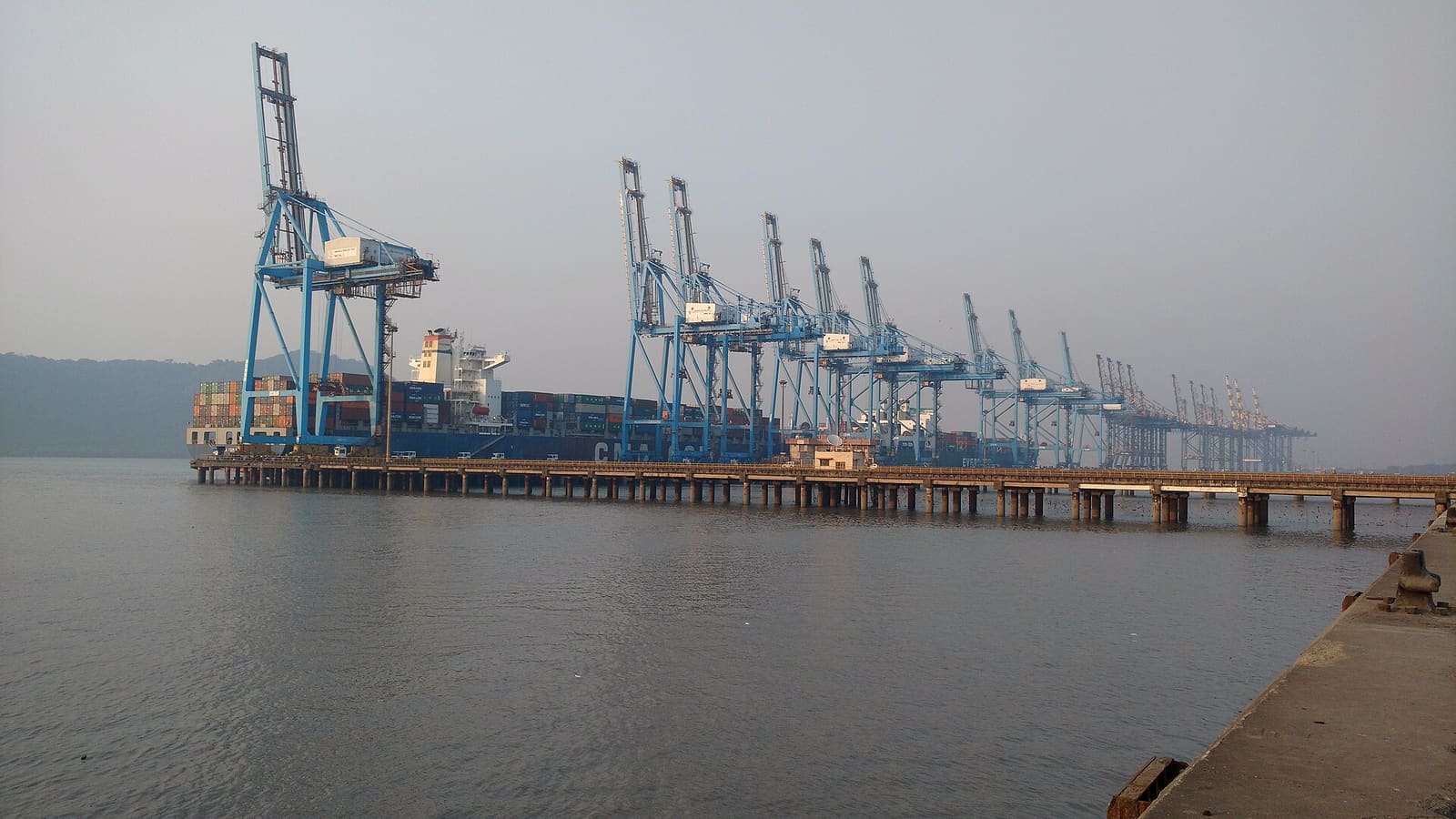
Cargo moving on this lane originates from across India's port network rather than concentrating in a single gateway. Mumbai's Nhava Sheva terminal handles a significant share of container volume, while Chennai, Mundra, Tuticorin and Kolkata each serve as regional gateways depending on the exporter's location and the specific Russian destination port. Exporters unfamiliar with which Indian port suits their cargo and destination combination should consult our full India ports to Russia shipping guide, which breaks down routing options port by port.
Two Practical Takeaways for Shippers
- Diversify beyond a single sector's assumptions. A shipper new to this lane should not assume that logistics norms built around energy tanker trade will apply to their container shipment — container freight on this corridor has its own routing, documentation, and scheduling realities.
- Plan for thinner vessel availability than major global lanes. Because direct sailings are less frequent than on established East-West trade lanes, book earlier and build more schedule flexibility into your planning than you might on a China-Europe or China-US shipment.
RR Brothers and Logistics tracks sector-level shifts in India-Russia trade closely because they directly shape which routing, documentation, and scheduling approach makes sense for a given shipment. Whether a client is exporting pharmaceuticals, engineering goods, or agricultural products, our role is to match the cargo to the most reliable available routing rather than defaulting to a one-size-fits-all answer on a trade lane that continues to evolve.
Frequently Asked Questions
Energy remains the largest category by volume, but pharmaceuticals, tea, engineering goods, marine products and textiles are the leading non-energy export sectors from India, while fertilisers and metals are prominent import categories from Russia beyond crude oil and coal.
Bilateral trade has grown substantially since 2022, driven largely by increased energy imports, with a gradually broadening set of non-energy sectors also contributing. Shippers should consult current official trade statistics for precise figures, as they are updated regularly by both governments.
Payment and settlement friction, thinner direct vessel availability compared with major global trade lanes, and added compliance and documentation requirements are the most commonly cited bottlenecks currently limiting faster growth in non-energy trade.
Mumbai's Nhava Sheva terminal handles a significant share of container volume on this lane, with Chennai, Mundra, Tuticorin and Kolkata also serving as regional gateways depending on the exporter's location and destination in Russia.