A Different Kind of Gateway to Russia
Most conversations about India-Russia shipping default to the INSTC's overland routing through Iran and the Caspian Sea, or to a conventional sea call at a Baltic or Black Sea port. Vladivostok, on Russia's Pacific coast near the borders with China and North Korea, offers a genuinely different proposition: a single-mode sea route between India and Russia that never touches Iranian territory, the Caspian Sea, or a European port call at all. For Vladivostok port India trade, that simplicity is the whole appeal — one carrier, one bill of lading, one ocean leg, even though the raw sailing distance from India's west coast around to Russia's Far East is considerably longer than the shorter overland alternatives.
That trade-off between distance and simplicity is really the central question for any shipper evaluating this corridor. A route that runs entirely by sea is, almost by definition, easier to track, insure and plan around than one that hands cargo between four or five different operators across three countries. Vladivostok's case is built on that predictability rather than on being the fastest option on paper, and for many categories of cargo, predictability is worth more than shaving a handful of days off the total transit.
The Eastern Maritime Corridor
The route connecting Indian ports to Vladivostok has come to be known as the Eastern Maritime Corridor, and it has been actively discussed and developed by both governments as a direct sea alternative to INSTC's multimodal routing. Where INSTC's advantage is a shorter total distance achieved through several transshipment points, the Eastern Maritime Corridor's advantage is operational simplicity — a single sea leg with none of the sea-to-road-to-rail-to-ferry handoffs that make INSTC's actual transit time harder to predict. Chennai has emerged as the natural Indian anchor port for this corridor given its position on India's east coast, a routing we cover in detail in our Chennai-Vladivostok maritime corridor guide.
Port Infrastructure and Regional Role
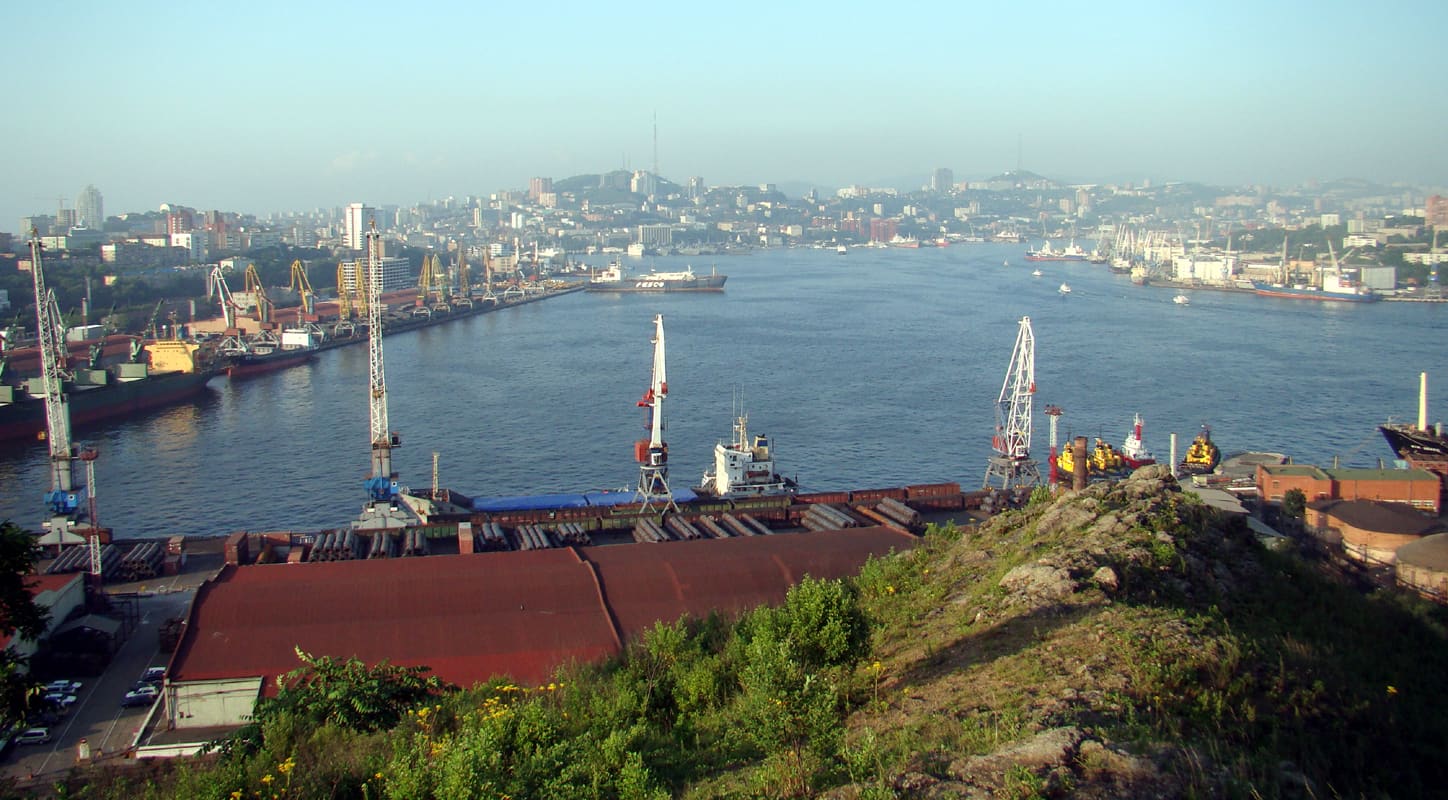
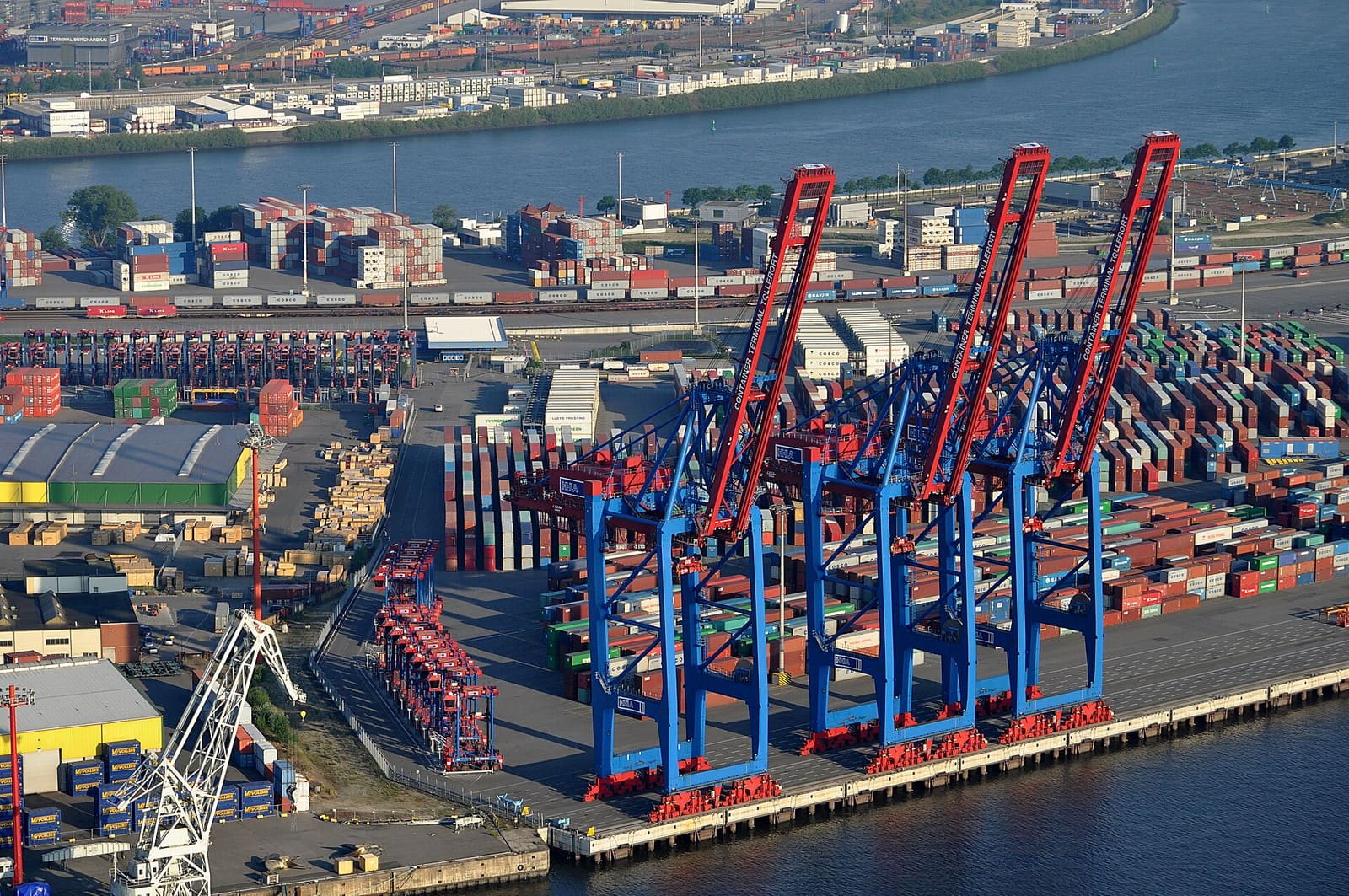
Vladivostok is Russia's largest Pacific port and the commercial and administrative centre of the Russian Far East, handling containerised cargo, general cargo, ro-ro traffic, and bulk commodities tied to the region's fishing, timber, and mineral industries. Its facilities connect not only to Vladivostok's immediate hinterland but, importantly, to the eastern terminus of Russia's national rail network — a link that matters for cargo continuing further into Russia rather than staying within the Far Eastern region itself. As Russia's investment in its Far East economic zones has continued, the port's role as a Pacific-facing gateway for the wider Russian economy — not just the immediate Vladivostok region — has grown accordingly.
Free Port Status and Regional Investment
Vladivostok has operated under a "Free Port" regime since 2015, a Russian federal program offering simplified customs procedures and investment incentives across a number of Far Eastern ports and economic zones, of which Vladivostok is the flagship. The broader intent has been to encourage foreign investment and trade activity in Russia's Far East, a region that historically saw less commercial development than European Russia given the distance from Moscow. For shippers, the practical relevance of this framework is less about any specific incentive and more about the general direction of policy — the Russian Far East, and Vladivostok specifically, has been a consistent focus of infrastructure and trade-facilitation investment for close to a decade, which is part of why the port has grown into a credible India-trade gateway rather than a peripheral one.
Realistic Transit Times from India
| Routing | Modes Involved | Approx. Character |
|---|---|---|
| India (Chennai) to Vladivostok | Sea only | Single-mode, longer distance, fewer handoffs |
| India to Russia via INSTC | Sea + road/rail + Caspian crossing | Shorter distance, more transshipment points |
| India to St. Petersburg via Europe | Sea only | Longest sea distance, best fit for western Russia |
Exact sailing times fluctuate with carrier schedules, vessel availability, and port congestion at either end, so treat these as directional comparisons rather than fixed quotes — a forwarder actively booking on this corridor should confirm current transit against live vessel schedules rather than a historical average.
What Moves Through Vladivostok
Cargo suited to the Vladivostok route tends to be less time-sensitive than goods moving by air, given the sea distance involved, but well suited to full container loads of machinery, industrial equipment, engineering goods, and general merchandise. Because the port also sits close to Russia's fishing and forestry industries, it handles a meaningful volume of outbound seafood and timber products as well, some of which is relevant to Indian importers on the return leg of a shipment. For Indian exporters, the corridor is increasingly discussed for pharmaceuticals, tea, textiles and engineering goods bound for the Russian Far East and, via onward rail, further into Siberia and central Russia.
The return-leg dynamic is worth flagging separately, because it shapes how carriers price and schedule the route. A corridor that only carries cargo in one direction tends to see higher freight rates and less predictable capacity than one with reasonably balanced flows in both directions, since a carrier without a return cargo effectively prices the empty leg into the outbound rate. As Indian imports of Russian Far East goods have grown alongside Indian exports moving the other way, the corridor's balance has improved, which is one of the underlying reasons vessel economics on this route have become more workable over time.
Vladivostok and the Trans-Siberian Railway
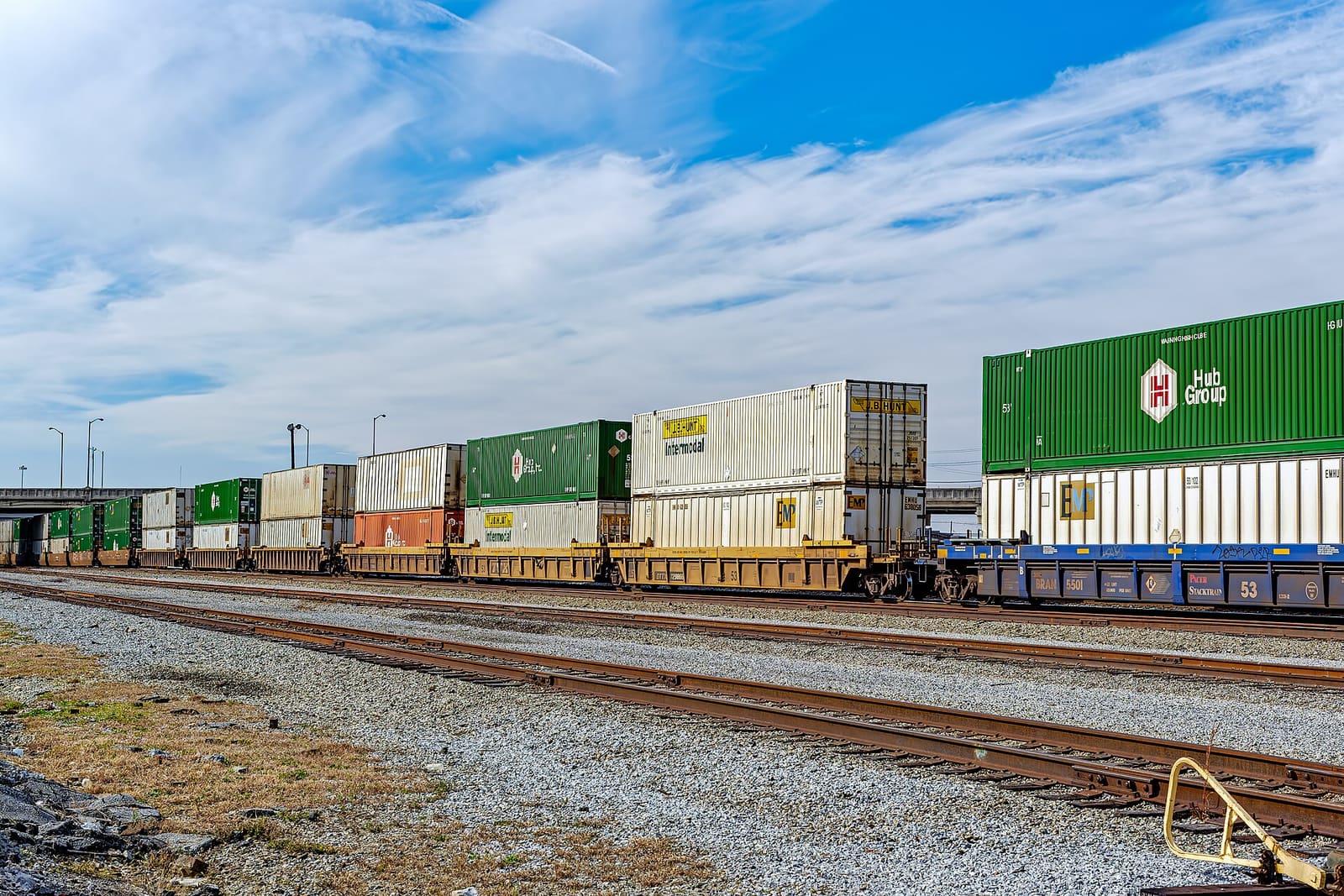
Vladivostok's other major distinction is its position as the eastern terminus of the Trans-Siberian Railway, the historic rail line connecting Russia's Pacific coast to Moscow and St. Petersburg across the width of the country. For cargo arriving at Vladivostok by sea and needing to continue deep into Russian territory, this rail connection is the obvious next leg, and it is one of the reasons the port carries strategic weight beyond its immediate regional cargo base. We look at the practicalities and trade-offs of that onward rail leg in more depth in our Trans-Siberian Railway for India-Russia cargo guide, including where it makes sense against sea freight and where it doesn't.
Booking Considerations: Vessel Frequency and Capacity
Because Vladivostok is a less heavily trafficked corridor for Indian exporters than, say, Northern Europe or the Middle East, vessel frequency and capacity deserve more attention at the booking stage than they would on a mature, high-frequency lane. Shippers should expect fewer sailing options per month than on established routes, which means booking lead times matter more and last-minute space is less reliably available. This is less a reflection of the corridor being underdeveloped than a natural feature of a still-maturing trade lane — volumes have been growing, and capacity has generally kept pace, but a forwarder with direct visibility into current vessel schedules and allocation on this specific route is more valuable here than on a lane where space is rarely in question.
Customs and Practical Considerations
Cargo clearing at Vladivostok goes through the same Russian Federal Customs Service framework as any other Russian port, with the standard commercial invoice, packing list, bill of lading and certificate of origin requirements. Because the port sits at the eastern edge of Russia's customs and rail network, shippers should factor in that any onward domestic transport — whether by rail toward Siberia or further west — adds its own transit time and documentation on top of the ocean leg. Organisations like the UN Conference on Trade and Development and the International Maritime Organization both publish general background on how single-mode sea corridors like this one compare with more complex multimodal alternatives such as INSTC, which the Asian Development Bank profiles in its own INSTC explainer.
Two Practical Takeaways for Shippers
- Choose Vladivostok when simplicity matters more than raw distance. A single ocean carrier relationship, without the coordination overhead of a multimodal INSTC routing, can be worth the longer sailing time for cargo that isn't time-critical.
- Think about the final destination, not just the port of discharge. If cargo needs to continue toward Moscow or western Russia, factor the Trans-Siberian rail leg into both cost and total transit time from the outset.
RR Brothers and Logistics tracks both the Eastern Maritime Corridor and the INSTC as live routing options for India-Russia freight, recommending whichever fits a shipment's cargo type, budget and timeline rather than defaulting to a single corridor. As with any developing trade lane, the right answer for one shipper's cargo isn't automatically the right answer for another's, which is why our role as a freight forwarder is to weigh the actual routing options against a client's specific priorities rather than promote one corridor over the rest by default. For the full range of Indian port options on this lane, see our India ports to Russia shipping guide and our dedicated Chennai port to Russia shipping guide.
Frequently Asked Questions
Vladivostok offers a direct, single-mode sea route between India and Russia that avoids the multiple transshipment points of the INSTC's overland legs, and it sits at the eastern terminus of the Trans-Siberian Railway, giving it onward rail access deep into Russian territory.
Transit time depends on the specific carrier service and current vessel schedules, and tends to run longer in raw sailing days than the shorter overland INSTC route, given the greater sea distance involved. Shippers should confirm current transit estimates with their forwarder rather than relying on a fixed figure.
Machinery, industrial equipment, engineering goods and general merchandise dominate inbound cargo, while the port also handles a significant volume of outbound seafood and timber products tied to Russia's Far East industries.
It gives shippers a genuine single-mode sea alternative to the INSTC's multimodal routing and to conventional calls at Baltic or Black Sea ports, which is particularly useful for cargo where operational simplicity matters more than shaving a few days off total transit time.