The World's Longest Railway Enters the India-Russia Conversation
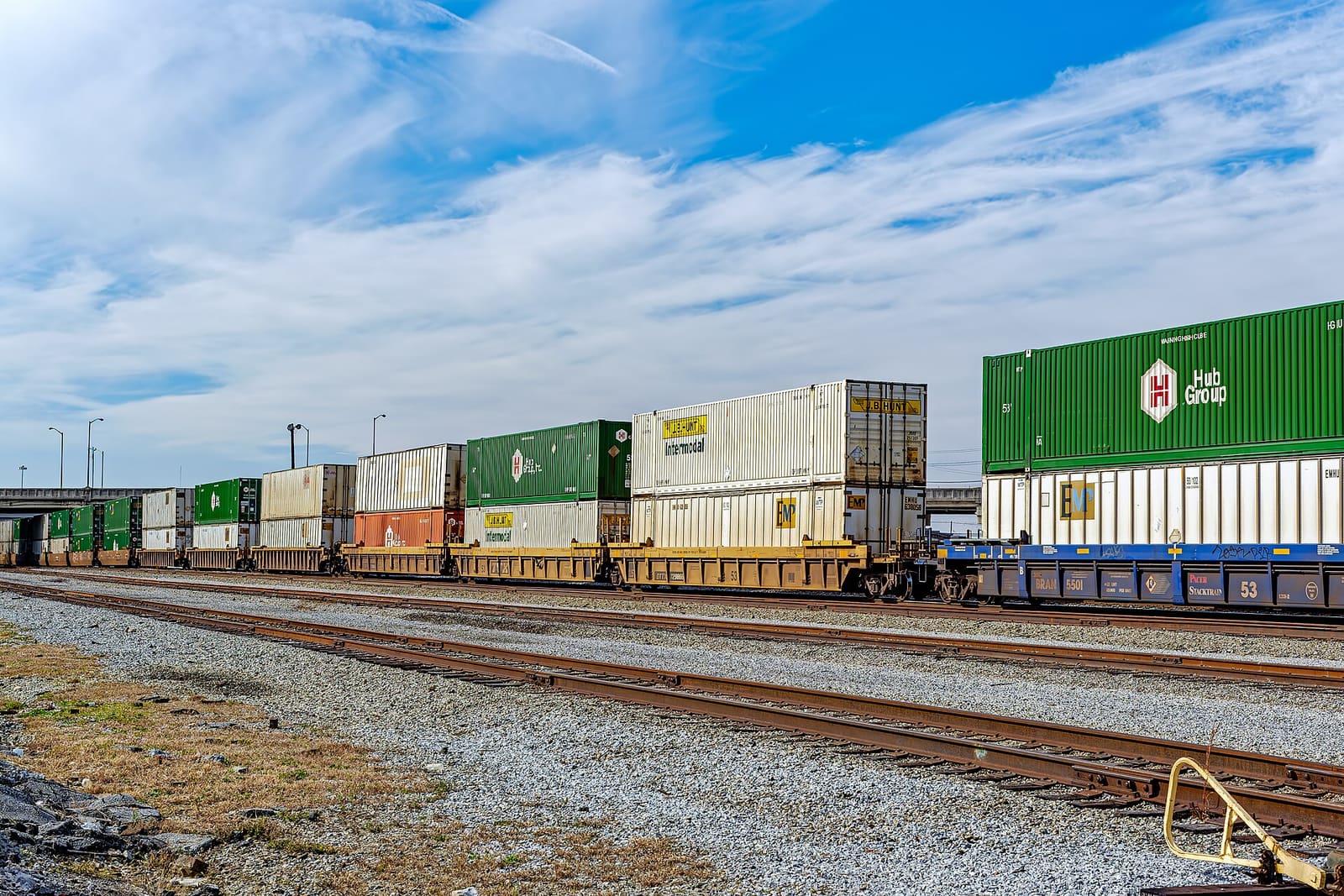
The Trans-Siberian Railway, stretching roughly 9,000 kilometres from Moscow to Russia's Pacific coast, is one of the great feats of rail infrastructure anywhere in the world, and it has quietly become part of the conversation about how cargo moves between India and Russia. It was never built with India in mind — its origins go back well over a century, designed to link European Russia with the Far East — but as shippers look for alternatives to conventional sea freight and to multimodal corridors like INSTC, the question of whether the Trans-Siberian route offers a genuinely usable option for India-Russia cargo comes up often enough to deserve a straight answer. The short version: it can be part of a viable routing, but only for specific cargo types and only when it connects properly to the sea leg that gets goods from India to Russia's Far East in the first place.
How Cargo Would Actually Reach the Line
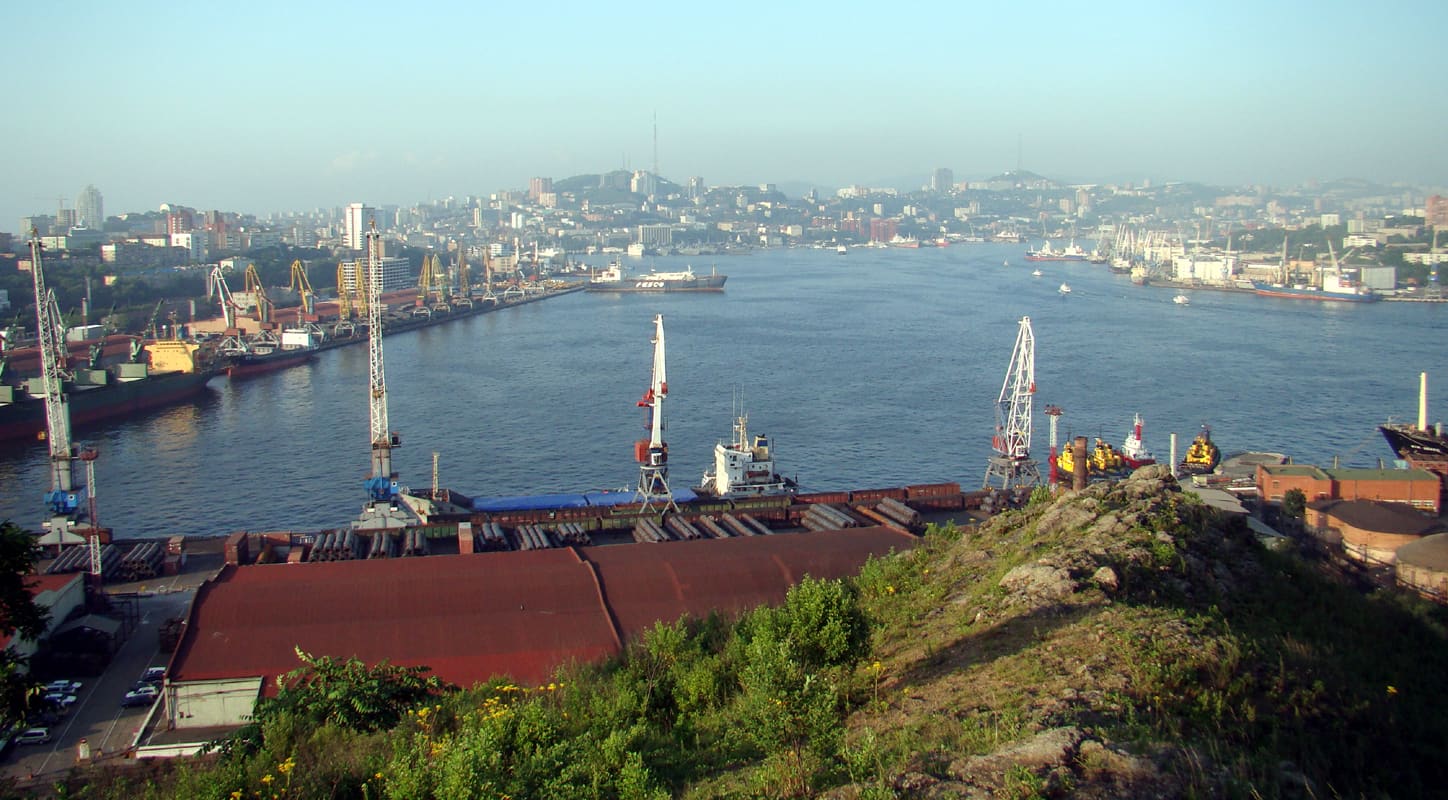
Indian cargo cannot simply "join" the Trans-Siberian Railway directly — India has no land border or direct rail connection with Russia, so any cargo using this route needs a sea leg first. The most practical entry point is Russia's Far East, where cargo shipped by sea from Indian ports to Vladivostok or a nearby Far Eastern port can then be transferred onto the Trans-Siberian network for onward rail movement toward Moscow, St. Petersburg, or intermediate destinations across Siberia. We cover the sea leg of this journey in detail in our guide to Vladivostok as Russia's Far East gateway for India trade, and the entire India-to-Vladivostok sailing is itself sometimes referred to as part of the broader Eastern Maritime Corridor, discussed further in our Chennai-Vladivostok maritime corridor guide. In effect, using the Trans-Siberian Railway for India-Russia cargo means combining two legs — sea freight to the Far East, then rail across Russia — rather than a single continuous transport mode.
Cost and Time Trade-Offs Versus Sea Freight
| Routing | Modes Involved | Key Consideration |
|---|---|---|
| India to Vladivostok, then Trans-Siberian rail onward | Sea + long-haul rail | Can beat all-sea transit time to European Russia once the sea leg lands, but adds a transshipment step |
| India to St. Petersburg or a Baltic port, direct sea | Sea only | Single-mode simplicity, no transshipment, but a longer sea distance overall |
| INSTC via Iran and the Caspian Sea | Sea + road/rail + Caspian crossing | Shorter distance on paper, multiple transshipment points of its own |
The practical trade-off is straightforward: the Trans-Siberian option can be competitive on time for cargo ultimately destined for cities along or near the rail corridor itself — including parts of Siberia that a Baltic or Black Sea sea route would struggle to reach efficiently — but it is rarely the cheapest option once the added transshipment handling at the Far Eastern port is factored in. For cargo destined specifically for Moscow or western Russia, a direct sea route, covered in our guide to shipping to Moscow from India, is often the more straightforward choice.
Which Cargo Types Suit This Route
The Trans-Siberian option makes the most sense for cargo genuinely destined for cities along the rail corridor — Siberian industrial centres, for instance — where a Far Eastern sea-to-rail routing is inherently more direct than shipping all the way around to a Baltic or Black Sea port and then trucking cargo back east. It also suits cargo types that tolerate a longer overall transit with a transshipment step: industrial machinery, raw materials, and general cargo without tight delivery windows. It is a poor fit for time-critical or high-value goods that would be better served by air freight, and it is not yet set up as a high-frequency, containerised service in the way major sea lanes are.
Where It Fits Alongside INSTC and Central Asian Routes
The Trans-Siberian Railway is best understood as one option within a broader set of overland and multimodal alternatives to conventional India-Russia sea freight, alongside the INSTC corridor and emerging Central Asian rail alignments, which we explore in our piece on Kazakhstan and Central Asia as a bridge for India-Russia trade. None of these has yet matured into a mass-market containerised service the way the major East-West sea lanes have, and a forwarder recommending any of them should do so based on the specific cargo and destination in question rather than presenting rail as a universal upgrade over sea freight.
Infrastructure and Capacity Realities
Capacity along the Trans-Siberian corridor is shared with substantial domestic Russian freight and passenger traffic, and the line itself was not designed around international container logistics standards in the way a modern dedicated freight corridor would be. Scheduling reliability for international cargo transiting the line can therefore vary more than shippers accustomed to fixed liner sailing schedules might expect. Realistic planning means treating any Trans-Siberian transit estimate as a range rather than a guaranteed date, and building in contingency time particularly around the transshipment point in the Far East. For general background on how rail freight fits into international trade infrastructure discussions, the UN Conference on Trade and Development and the Asian Development Bank's regional transport corridor research both offer useful context on how overland freight corridors across Eurasia are developing.
Two Practical Takeaways for Shippers
- Match the destination to the route, not the other way around. The Trans-Siberian option earns its place for cargo genuinely bound for Siberian or Far Eastern Russian destinations — for Moscow or western Russia, a direct sea route is usually simpler and more predictable.
- Budget contingency time for the transshipment step. Any routing that combines sea and rail carries more schedule risk at the handoff point than a single-mode service, so build that buffer into client-facing delivery commitments.
RR Brothers and Logistics evaluates the Trans-Siberian option as one tool among several when planning India-Russia freight, alongside direct sea routes, the INSTC corridor, and Central Asian rail alignments. Our role is to recommend the routing that genuinely fits a shipment's destination, cargo type, and timeline rather than defaulting to whichever option sounds most novel.
Frequently Asked Questions
Since India has no direct rail link with Russia, cargo must first move by sea to a Russian Far East port such as Vladivostok before transferring onto the Trans-Siberian network for onward rail movement toward Moscow, St. Petersburg, or Siberian destinations along the line.
The sea-plus-rail combination can be time-competitive for cargo genuinely destined for Siberian or Far Eastern Russian cities, but it usually costs more than a direct sea route once transshipment handling is included, and a direct sea route to European Russia is often simpler for Moscow-bound cargo.
Industrial machinery, raw materials, and general cargo without tight delivery windows that is genuinely destined for cities along the Trans-Siberian corridor are the best fit. Time-critical or high-value goods are usually better served by air freight or an established sea route.
Not necessarily — the most common routing for India-origin cargo enters via a Russian Far East sea port such as Vladivostok, connecting directly onto the Trans-Siberian network without transiting Chinese territory, though some alternative overland alignments in the wider region do cross China.