Moscow Is the Destination, But Rarely the Port
Moscow is an inland city, and every shipment that ends there — whether it originates in India, China or anywhere else — has to complete at least one leg of inland transport after its ocean voyage ends. For Indian exporters and importers, that means the practical question isn't really "how do I ship to Moscow," but "which Russian port should my cargo land at, and how does it get from there to Moscow." This guide works through both halves of that question, building on the routing options we cover in more depth across our broader India-Russia trade corridor coverage.
Choosing the Right Russian Port of Entry
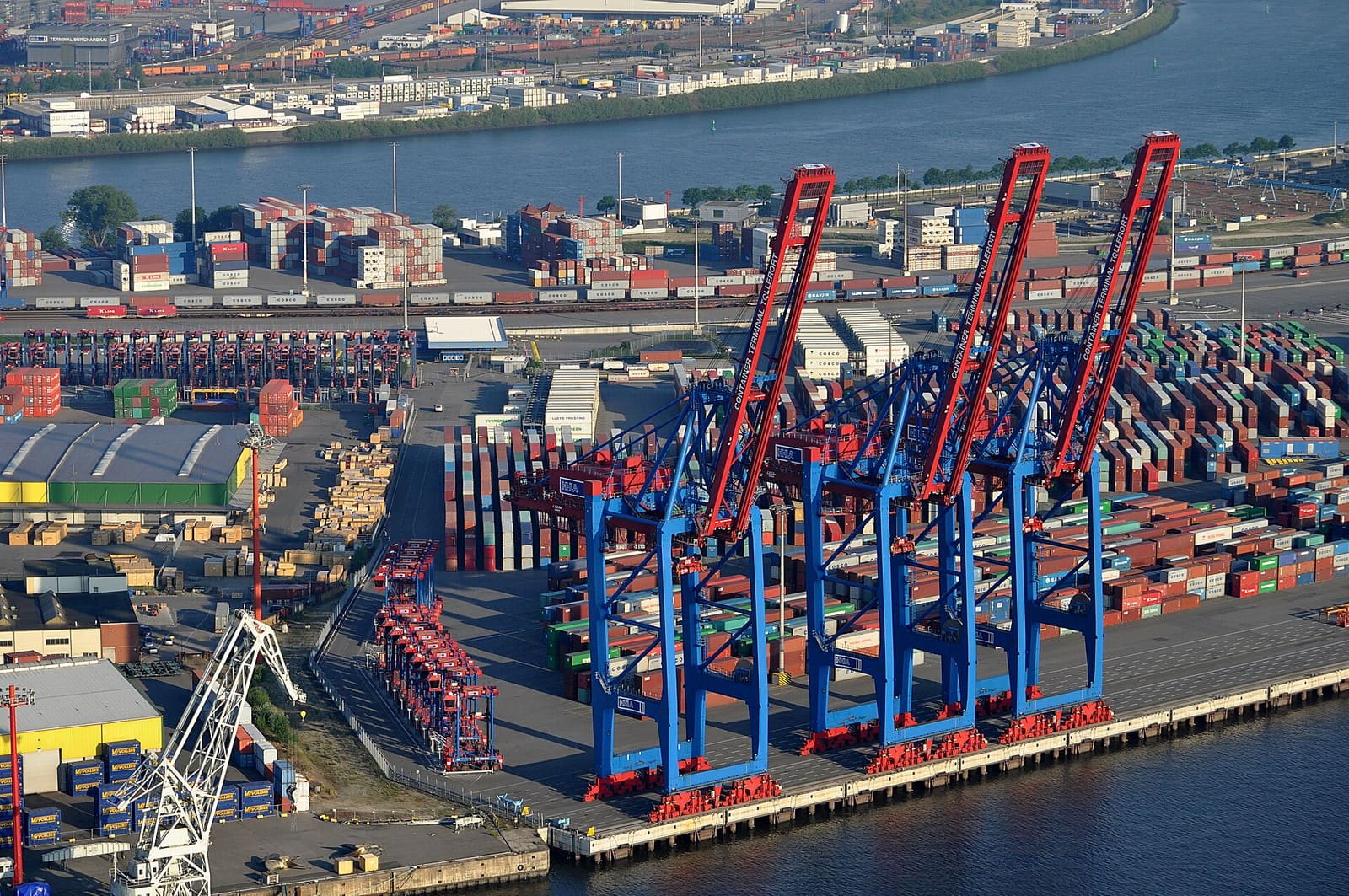
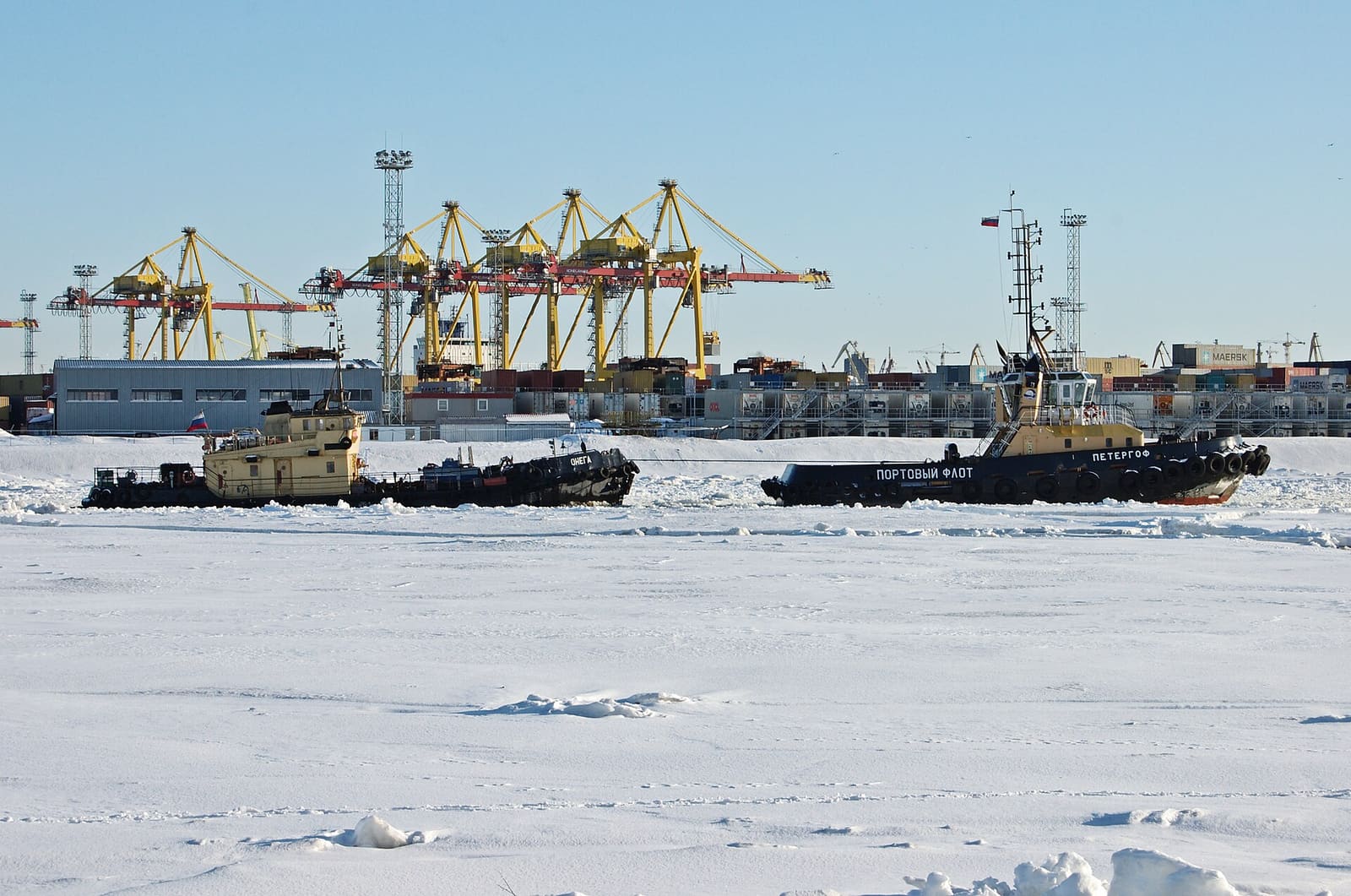
The most common entry points for India-origin cargo bound for Moscow are Russia's Baltic and Black Sea ports, since both connect to Moscow by well-established rail and road networks. St. Petersburg, on the Baltic coast, is the more geographically direct option for cargo arriving via a western sea route, and we cover it in detail in our St. Petersburg port guide. Novorossiysk on the Black Sea is a viable alternative depending on which shipping line and routing a forwarder is running at the time — see our Novorossiysk port guide for more on that gateway. For cargo moving via the INSTC concept through Iran and the Caspian Sea, a Russian Caspian port becomes the entry point instead, with a longer subsequent rail leg to Moscow.
Sailing from India
On the Indian side, Mumbai's Nhava Sheva (JNPT) is the most commonly used origin port for Russia-bound cargo given its container volume and carrier frequency — our dedicated Mumbai to Russia shipping guide covers that route specifically. Mundra on the Gujarat coast is a workable alternative for shippers based in northern or western India, and several east coast ports can also serve this trade depending on the specific cargo and carrier relationships involved. A forwarder with genuine flexibility across multiple Indian gateways, rather than a single default port, is generally better positioned to find the most efficient sailing for any given shipment.
Realistic Transit Time Expectations
Total transit time from an Indian port to final delivery in Moscow includes three distinct segments: the ocean voyage itself, port handling and customs clearance at the Russian port of entry, and the inland rail or road leg to Moscow. Each of these segments can vary meaningfully depending on current shipping line schedules, port congestion, and the completeness of a shipment's documentation at the point of arrival. Shippers should ask their forwarder for a segment-by-segment estimate rather than a single headline transit number, since that breakdown makes it much easier to identify where delays are actually occurring if a shipment runs behind schedule.
Documentation for Russian Customs Clearance
Clearing Russian customs requires the standard core export/import document set — commercial invoice, packing list, bill of lading or air waybill, and certificate of origin — along with any additional certificates specific to the goods category involved, particularly for regulated products. We go through the full document checklist in detail in our companion piece, Documentation Checklist for Shipping Goods from India to Russia. Incomplete or inconsistent documentation is consistently one of the most common causes of delay at Russian customs, regardless of which port of entry is used, so getting this right before the cargo even leaves India pays off at the other end.
A Simplified Route Overview
| Segment | Typical Option |
|---|---|
| Indian origin port | Mumbai (Nhava Sheva) or Mundra |
| Russian port of entry | St. Petersburg (Baltic) or Novorossiysk (Black Sea) |
| Inland leg to Moscow | Rail or road freight from the port of entry |
| Alternative routing | INSTC via Iran and the Caspian Sea for select cargo types |
International Reference Points
For shippers new to this corridor, it's worth understanding the broader international framework these shipments operate within. The International Maritime Organization sets the safety and operating standards that apply to the ocean leg regardless of destination port, while the World Customs Organization publishes the harmonized customs frameworks that most countries, including Russia, build their own import procedures around. India's own Ministry of Commerce is a useful source for current Indian-side export policy relevant to this trade lane.
A Practical Note
Because Moscow sits well inland from any coastline, the quality of a forwarder's inland partner network in Russia matters just as much as their ocean carrier relationships. A shipment that clears the Russian port smoothly can still be delayed if the onward rail or road leg isn't coordinated properly, so ask any forwarder quoting this route how they manage that final segment specifically, not just the ocean voyage.
RR Brothers and Logistics coordinates the full India-to-Moscow journey as a single booking — origin handling in India, ocean freight to the Russian port of entry, customs clearance, and the inland leg to final delivery — so clients get one accountable point of contact for the entire route rather than piecing it together themselves.
Frequently Asked Questions
Most cargo reaches Moscow fastest via a conventional sea route to a Russian Baltic port such as St. Petersburg, followed by rail or road transport inland. The right choice ultimately depends on current sailing schedules and the cargo's origin port in India.
A commercial invoice, packing list, bill of lading or air waybill, and certificate of origin form the core document set, with additional certificates required for regulated goods categories. See our full documentation checklist for a detailed breakdown.
Total transit time combines the ocean voyage, port and customs clearance at the Russian port of entry, and the inland rail or road leg to Moscow. Ask your forwarder for a segment-by-segment estimate rather than relying on a single headline number, since it varies with current shipping schedules and documentation readiness.
Yes — St. Petersburg's Baltic location generally offers a more direct rail connection to Moscow than Black Sea ports like Novorossiysk, though the best choice depends on which sea routing and carrier schedule is most efficient for your cargo's origin port in India at the time of booking.