Russia's Front Door to the Baltic
Of the handful of Russian ports that matter to an Indian shipper, St. Petersburg carries a certain historical weight the others don't: it was the city where India, Iran and Russia signed the founding agreement for the International North-South Transport Corridor back in September 2000, and it remains the country's principal Baltic gateway a quarter-century later. For cargo moving between India and European Russia, St Petersburg port shipping is usually the default reference point — the port through which the widest range of general cargo, machinery, consumer goods and project cargo passes on its way to Moscow and the western Russian market. Understanding what the port actually offers, and where it fits alongside Russia's other major gateways, is useful groundwork for any shipper weighing routing options on this lane, particularly as India-Russia trade volumes have continued to develop across multiple sectors in recent years.
Unlike a corridor built around a single dominant terminal, the India-Russia trade lane genuinely offers shippers a choice of entry points, and that choice matters. A consignment bound for a distributor outside Moscow behaves very differently, cost- and time-wise, depending on whether it lands at a Baltic port, a Black Sea port, or a Pacific port thousands of rail-kilometres further east. St. Petersburg's case rests almost entirely on its geography: it is the Russian port physically closest to the country's largest population and industrial centres in European Russia, and that single fact shapes almost everything else about how the port is used.
The Port's Terminals and What They Handle
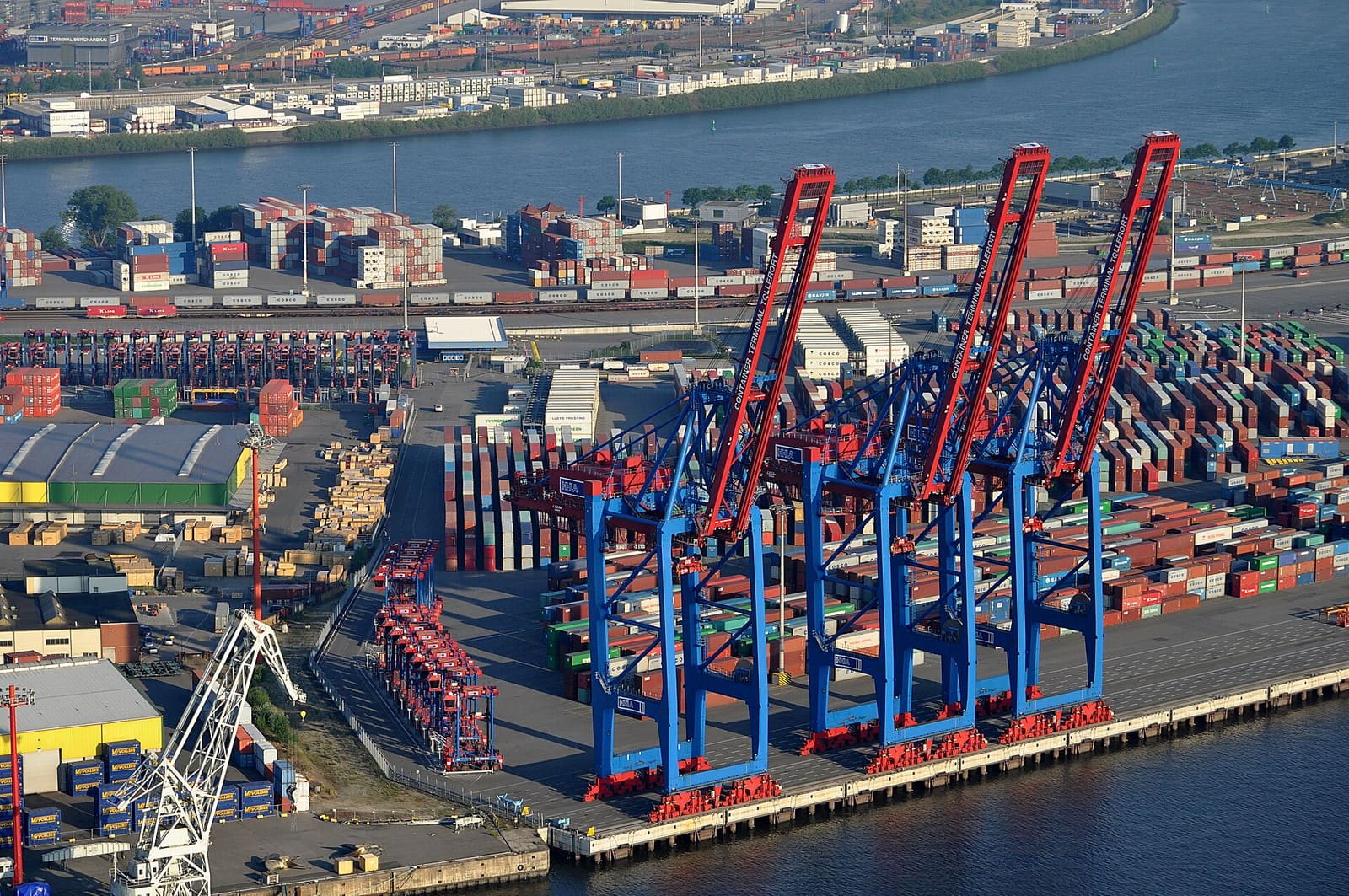
The Port of St. Petersburg (often referred to together with the nearby Ust-Luga terminal complex on the Gulf of Finland) is a mixed-cargo hub rather than a single-purpose container terminal. Its facilities handle containerised cargo, general and breakbulk freight, ro-ro traffic, and a meaningful volume of project and heavy-lift cargo tied to Russia's industrial and energy sectors. As a Russia Baltic port, St Petersburg's core strength has always been its direct rail and road connectivity into Moscow and central Russia — the port sits close enough to the country's economic centre of gravity that inland transit is measured in a day or two by rail rather than the week-plus haul required from Russia's Pacific ports. That proximity is precisely why St Petersburg freight India volumes have historically leaned toward finished goods, machinery, textiles, pharmaceuticals and industrial inputs bound for Moscow-area distribution rather than raw commodities.
The port complex also functions as a transshipment point for cargo continuing further into the Russian interior or, in some configurations, onward toward other Baltic and Nordic markets. For a freight forwarder, that dual role — final destination for some cargo, waypoint for other cargo — means a booking to "St. Petersburg" isn't always the end of the routing conversation; it's often the first of two or three legs that need to be planned together from the outset rather than handled sequentially once the vessel has already discharged.
Ice, Season, and Baltic Sailing Patterns
One consideration that doesn't come up on India's tropical and subtropical port calls but matters on the Baltic is winter ice. The eastern Gulf of Finland, where St. Petersburg sits, can experience ice conditions during the coldest months of the Russian winter, and carriers calling the port sometimes adjust vessel scheduling, use ice-class tonnage, or route through nearby terminals less exposed to ice buildup during that window. This is a manageable, well-understood operational factor for carriers experienced on the route rather than a reason to avoid the port, but it is one more reason a shipment's promised transit time should come from a forwarder actively tracking current vessel schedules on this specific lane rather than a generic year-round estimate.
What Typically Moves Through St. Petersburg
Cargo profiles through St. Petersburg tend to reflect what the surrounding Moscow and northwestern Russian market actually consumes and produces: machinery and industrial components, auto parts, textiles and garments, pharmaceuticals and medical supplies, food and consumer goods, along with outbound project cargo tied to Russian industry. For Indian exporters, this makes St. Petersburg a natural fit for many of the same product categories that already move well on other India-Russia lanes — pharmaceuticals, engineering goods, textiles, tea and agro-based products among them. The port's mixed-cargo infrastructure means it can accommodate standard FCL and LCL container moves alongside occasional breakbulk or project shipments without requiring an entirely separate booking process.
Getting Cargo from India to St. Petersburg
There is no single accepted routing for India-to-St. Petersburg cargo, and that is itself worth understanding before booking. A shipment can move by direct or transshipment ocean service around Europe into the Baltic Sea — a long sea leg that avoids land transit entirely but adds meaningful transit days. Alternatively, cargo can move on the multimodal INSTC routing via Iran and the Caspian Sea, entering Russia further south and continuing to St. Petersburg by inland rail — a shorter total distance but with more transshipment points to coordinate. A growing number of shippers also combine an ocean leg to a Russian Baltic or Black Sea port with onward domestic rail, effectively treating the sea call as a gateway rather than the final destination. Whichever routing is used, a forwarder booking this lane needs visibility into vessel schedules, INSTC transshipment capacity, and Russian domestic rail availability simultaneously — it is rarely a single-carrier decision.
St. Petersburg Compared with Russia's Other Gateways
| Port | Sea Basin | Best Fit |
|---|---|---|
| St. Petersburg | Baltic Sea | Fast inland access to Moscow and central/western Russia |
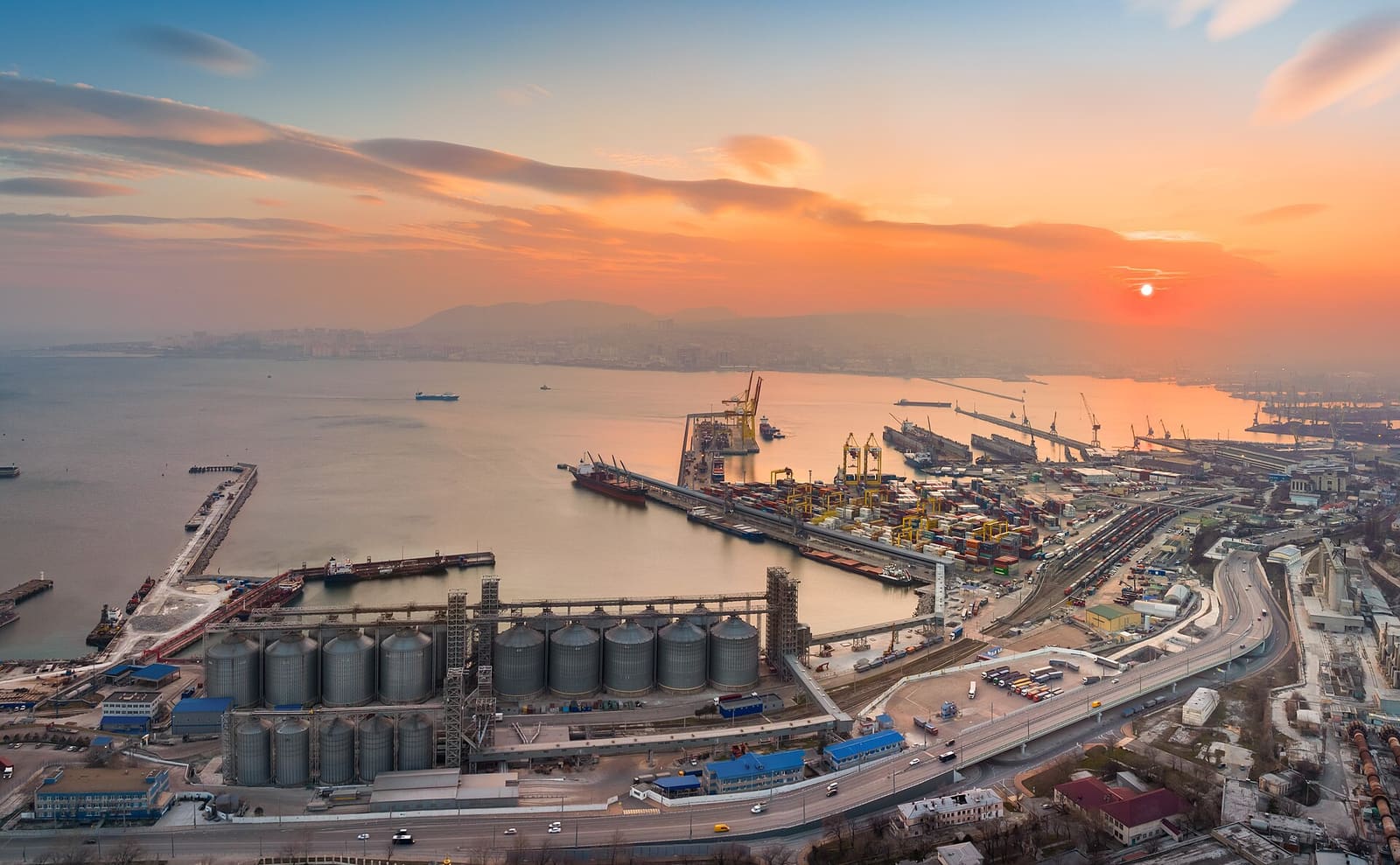
| Novorossiysk | Black Sea | Southern Russia, bulk and grain-adjacent trade, Mediterranean-linked service |
| Vladivostok | Pacific / Sea of Japan | A direct, single-mode sea link avoiding the INSTC's land legs entirely |
Customs and Documentation at a Baltic Entry Point
Cargo arriving at St. Petersburg clears through Russian Federal Customs Service procedures like any other entry point in the country, requiring a commercial invoice, packing list, bill of lading and, depending on the goods category, certificates of conformity or sanitary/phytosanitary documentation. Because St Petersburg handles such a broad mix of cargo types — from containerised consumer goods to heavy industrial equipment — accurate HS classification and complete supporting paperwork matter as much here as at any other Russian port, and incomplete documentation is one of the more common causes of delay once cargo reaches the terminal. Shippers new to this corridor benefit from working through a full documentation checklist for India-to-Russia shipping well before the cargo is booked, rather than assembling paperwork after the vessel has already sailed. International bodies such as the World Customs Organization and UNCTAD publish useful general background on how customs procedures and multimodal transit corridors interact, while the Asian Development Bank's INSTC explainer is a good primer for shippers considering the overland alternative to a direct Baltic sea call.
Coordinating a Route with More Than One Owner
A shipment routed through St. Petersburg, whichever way it gets there, typically passes through more than one operational owner: an ocean carrier or NVOCC for the sea leg, potentially a separate operator for any INSTC-related overland or Caspian segment, and Russian domestic rail or road transport for the final leg to Moscow or another inland destination. Each handoff is a point where a shipment can either move smoothly or sit waiting for the next leg's capacity to become available. This is the main reason experienced forwarders on this corridor emphasise coordination over booking speed — a shipment quoted quickly by a party that only controls one leg of the journey can still end up delayed at a transshipment point that party doesn't manage. RR Brothers and Logistics structures India-Russia bookings with this end-to-end view in mind rather than treating each leg as someone else's problem once our part of the routing is complete.
Two Practical Takeaways for Shippers
- Match the port to the final destination, not just the country. If the ultimate consignee sits in or near Moscow, St. Petersburg's inland rail advantage often outweighs a marginally shorter sea distance to a different Russian port.
- Plan documentation early regardless of routing. Whether cargo arrives via a direct ocean service or the INSTC's multimodal legs, Russian customs paperwork requirements don't change — assembling it in advance avoids being the bottleneck at the port.
RR Brothers and Logistics coordinates India-Russia freight through whichever gateway best suits a shipment's cargo type and final destination, St. Petersburg included. As international trade volumes on this corridor continue to develop, our role as an NVOCC and freight forwarder is to give clients a routing recommendation grounded in current vessel and rail realities — part of the same India-Russia practice covered in our broader India-Russia trade corridor guide and our India ports to Russia shipping guide.
Frequently Asked Questions
St. Petersburg is Russia's principal Baltic port and sits close to Moscow and the country's central industrial and consumer markets, giving cargo fast inland rail and road access once it clears the terminal. It also carries historical significance as the city where the INSTC founding agreement was signed in 2000.
St. Petersburg handles a broad mix of containerised general cargo, machinery, consumer goods, ro-ro traffic and project or heavy-lift cargo tied to Russia's industrial sectors, rather than being a single-commodity port. Exact throughput figures vary year to year, so shippers should confirm current capacity with their forwarder at booking time.
St. Petersburg's advantage is proximity to Moscow and western Russia; Novorossiysk on the Black Sea serves southern Russia and Mediterranean-linked trade, while Vladivostok on the Pacific coast offers a single-mode sea option that avoids the INSTC's overland legs entirely. The right choice depends on where the cargo ultimately needs to arrive.
Yes — cargo can move via the INSTC's sea, road and Caspian Sea legs into Russia and then continue to St. Petersburg by domestic rail, though this involves more transshipment points than a direct ocean service. Which option makes sense depends on the cargo's time sensitivity and the shipper's tolerance for a multimodal journey.