A Landlocked Giant With an Outsized Logistics Role
Kazakhstan doesn't touch India, Russia's Baltic or Black Sea coastline, or any ocean at all, yet it sits squarely across the most direct overland path linking South Asia to European Russia and on to Europe. As trade volumes on the wider India-Russia trade corridor have grown and shippers have looked for alternatives to a single dependence on sea freight through the Suez Canal or around the Cape of Good Hope, Kazakhstan's rail network, its extensive dry port infrastructure, and its position at the crossroads of Central Asia have made it one of the more interesting — if still developing — transit options on the table. For a forwarder managing cargo on this corridor, Kazakhstan is best understood not as a destination in its own right but as connective tissue between routes that would otherwise require a much longer sea journey.
How Kazakhstan Connects Into the Wider Corridor Network
Kazakhstan's relevance to India-Russia trade runs through two related but distinct channels. First, it sits on one of the possible eastern alignments of the broader INSTC corridor, where cargo moving north from Iran or across the Caspian Sea can connect into Kazakh rail lines rather than routing entirely through Azerbaijan or directly into Russian territory. Second, and increasingly discussed on its own terms, Kazakhstan forms a link in Central Asian rail alignments that connect China's western rail network through to Russia — a route that intersects conceptually with a possible future overland connection discussed in our piece on the proposed new Russia-India rail link. In both cases, Kazakhstan's value lies in its rail infrastructure and border-crossing capacity with Russia, China, and the other Central Asian republics, rather than in any coastal port of its own.
Rail Infrastructure and Border Crossings
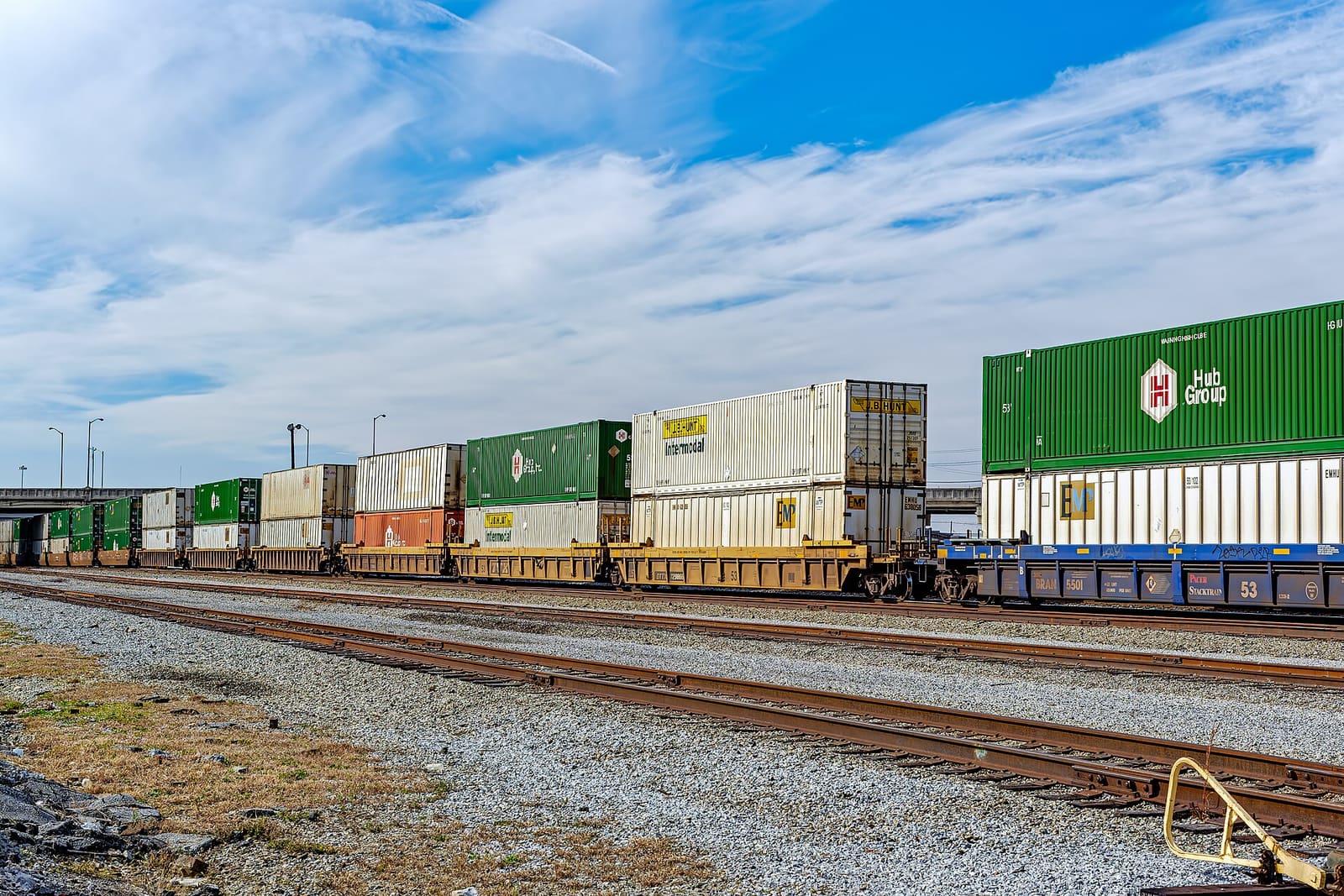
Kazakhstan operates one of the more developed rail networks in Central Asia, inherited in large part from the Soviet-era broad-gauge system that remains compatible with Russian rail infrastructure — a genuine advantage for cargo continuing north, since it avoids the gauge-change transshipment that would otherwise be needed. Key rail border crossings between Kazakhstan and Russia, along with dry port and logistics hub development around cities like Almaty and the northern rail junctions closer to the Russian border, have received sustained investment as Central Asian states position themselves as transit economies rather than purely origin or destination markets. None of this infrastructure is built specifically for India-Russia cargo — it primarily serves China-Europe and intra-Eurasian trade — but it is available capacity that a well-connected forwarder can tap into for suitable cargo.
Cost and Time Trade-offs Versus INSTC and Sea Freight
A Kazakhstan-routed overland option competes on a similar basis to the INSTC corridor covered separately in our guide: a potentially shorter transit time than sea freight, offset by the operational complexity of a multimodal journey with several transshipment points and multiple customs jurisdictions. Where a Kazakhstan-based routing may have an edge over the direct INSTC alignment through Iran and the Caspian Sea is in the maturity of the underlying rail infrastructure — Kazakhstan's rail links to Russia are considerably more established, having carried significant China-Russia and China-Europe cargo for years, than the Iranian and Caspian legs of the core INSTC route. That said, neither has yet displaced conventional sea freight into Russian Baltic, Black Sea or Far East ports as the default choice for most container volume, and shippers should treat both as developing alternatives suited to specific cargo types rather than wholesale replacements.
Comparing the Central Asian Options
| Route | Modes Involved | Key Consideration |
|---|---|---|
| Kazakhstan/Central Asia bridge | Sea to Iran/Caspian + rail via Kazakhstan | Mature rail link to Russia, but still an emerging India-specific corridor |
| Direct INSTC (via Iran/Caspian) | Sea + road/rail + Caspian ferry | Shorter alignment, but transshipment capacity still developing |
| Conventional sea freight | Sea only, single carrier | Mature and predictable, but longer transit distance |
What Kind of Cargo Suits This Route Today
As with INSTC generally, cargo that tolerates a multimodal journey with several handoffs is the better fit for a Kazakhstan-routed option: industrial components, machinery, chemicals and bulk goods rather than time-critical or high-value consumer shipments that would be better served by air freight or an established sea lane. Shippers already using rail options such as the Trans-Siberian Railway once cargo reaches Russian territory may find a Kazakhstan-based approach leg complements that rail journey reasonably well, since both rely on compatible broad-gauge infrastructure. For background on how Central Asian transit corridors fit into the region's broader trade strategy, the Asian Development Bank's INSTC explainer is a useful primer, and the UNCTAD trade and transport publications cover Central Asian connectivity more broadly for readers wanting deeper background.
Dry Ports, Warehousing and Transshipment Capacity
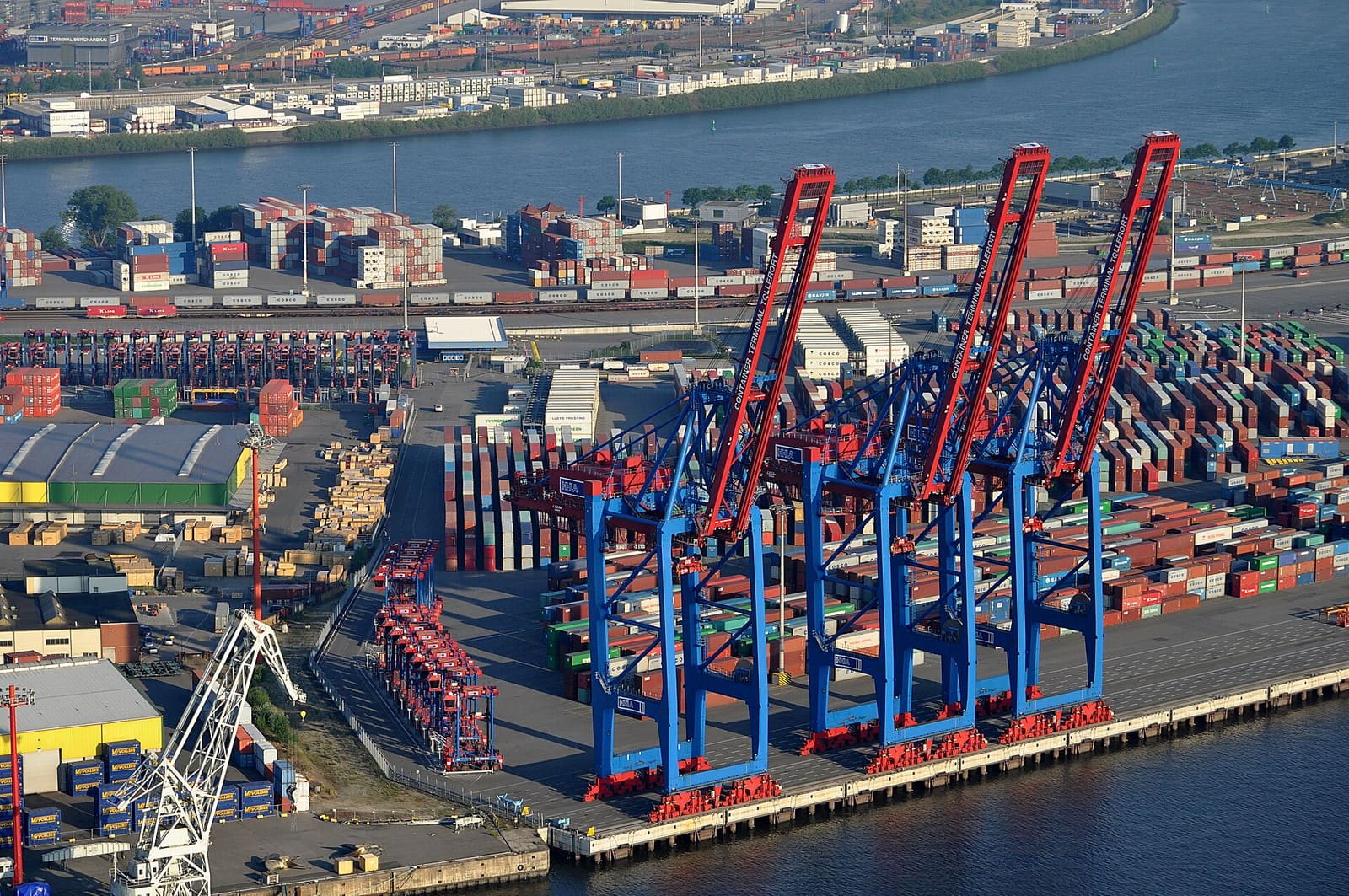
A working overland corridor needs more than track and locomotives — it needs dry ports and container yards where cargo can be consolidated, inspected, and transferred between different rail gauges or between road and rail, and it needs warehousing capacity to buffer the inevitable timing mismatches between arriving and departing services. Kazakhstan has invested in this kind of logistics infrastructure around several of its key rail junctions, part of a broader national strategy to position the country as a transit economy rather than a pure origin or destination market for freight. This infrastructure was built primarily with China-Europe and China-Russia container volumes in mind, but it is, in principle, available capacity that a forwarder can draw on for India-origin cargo routed through Iran, the Caspian Sea and into the Kazakh rail network — provided the transshipment scheduling and paperwork across each leg are managed carefully.
Customs Transit Procedures Across Multiple Territories
A shipment moving from an Indian port through Iran, across the Caspian Sea, and onward through Kazakhstan into Russia technically transits several separate customs territories before it ever reaches its final destination. Depending on the specific alignment used, this can mean formal customs transit declarations at each border crossing, even where the cargo itself is not being imported for consumption in the transit country. The Eurasian Economic Union's shared customs framework, which Kazakhstan is part of alongside Russia, Belarus, Armenia and Kyrgyzstan, does simplify onward movement once cargo has formally entered EAEU customs territory, but the legs prior to that point — particularly the Iranian and Caspian crossing — still require careful transit documentation. This is one of the areas where a forwarder's on-the-ground relationships and experience across multiple jurisdictions genuinely matters more than it would on a single-carrier ocean shipment.
What This Means for Forwarders Planning Multi-Leg Routings
For a freight forwarder assembling a multi-leg routing that touches Kazakhstan, the practical work sits less in the physical movement of cargo and more in coordinating handoffs — confirming a Caspian ferry schedule aligns with the onward rail service, ensuring transit documentation is prepared correctly for each border crossing before cargo arrives there, and maintaining visibility into where a shipment actually sits at any given point across several legs and several countries. This is meaningfully different work from booking a single ocean carrier on a published sailing schedule, and it rewards a forwarder with established relationships across each leg of the journey rather than one attempting to coordinate the route for the first time on a client's behalf. As India-Russia trade volumes continue to grow and shippers look for alternatives that reduce dependence on any single route, this kind of multi-leg coordination capability is likely to become a more valuable part of what a forwarder offers on this corridor.
Two Practical Takeaways for Shippers
- Treat a Kazakhstan-routed option as complementary, not a replacement. It works best alongside — not instead of — an established sea route into a Russian port, particularly while India-specific volume on this corridor is still building.
- Match cargo type to the corridor's realistic strengths. Bulk, industrial and non-time-critical cargo remain the best fit until transshipment capacity and India-origin volume mature further on this route.
RR Brothers and Logistics evaluates overland options including Kazakhstan and Central Asian rail alignments as part of a broader routing conversation with clients moving cargo on the India-Russia lane, alongside conventional sea freight into ports such as St. Petersburg and Novorossiysk. As with any developing corridor, our approach is to give an honest assessment of what a route can deliver today rather than oversell its current capacity.
Frequently Asked Questions
Kazakhstan sits across the most direct overland path linking Central Asia and Russia, with a Soviet-era broad-gauge rail network already compatible with Russia's rail infrastructure. That makes it a natural bridge for cargo connecting into the INSTC concept or other Central Asian rail alignments toward Russia.
Kazakhstan's rail network, its border crossings with Russia and China, and a growing set of dry ports and logistics hubs support cargo transit, though this infrastructure was primarily built for China-Europe and intra-Eurasian trade rather than India-specific volume.
A Kazakhstan-based routing can benefit from more mature rail infrastructure into Russia than the Iranian and Caspian legs of the direct INSTC alignment, but it still involves multiple transshipment points and remains a developing option rather than a mature, fully commoditized route.
Not yet at the scale of established sea lanes. It suits bulk, industrial and non-time-critical cargo that can tolerate a multimodal rail journey, and works best as a complement to conventional sea freight rather than a full replacement while India-specific volume on this corridor continues to build.