A Proposal Worth Watching, Not Yet a Route to Book
Periodically, discussions resurface around a new or expanded overland rail link designed to connect Russia and India more directly than today's sea-dominant trade actually allows. It is important to be precise about what this is: a proposed and, in various forms, discussed corridor concept — not an operational rail route that a shipper can book cargo on today. As a freight forwarder that has to give clients accurate, actionable information, we think it's worth explaining what such a corridor would involve, why it keeps coming up in trade policy conversations, and why shippers should treat it as a development to monitor rather than a routing option to plan around in the near term.
What "New Rail Link" Actually Refers To
Unlike INSTC, which already has a defined multimodal structure connecting India to Russia via Iran and the Caspian Sea (see our INSTC corridor guide), proposals for a more direct Russia-India rail link generally sit within the broader family of Trans-Asian railway concepts — ideas for continuous or near-continuous rail connectivity stretching from South Asia through Central Asia and into Russia, without the sea and Caspian crossing legs that INSTC currently requires. These discussions have taken different shapes over the years, sometimes framed around extending existing Central Asian rail networks, sometimes around entirely new corridor alignments. None of these proposals currently constitute a single, funded, under-construction rail line connecting India directly to Russia.
Which Regions Such a Corridor Would Likely Pass Through
Any realistic version of a more direct Russia-India rail corridor would almost certainly route through Central Asia — most plausibly Kazakhstan, given its existing rail infrastructure and its role as a transit hub already discussed in relation to Chinese and Russian trade (see our companion piece on Kazakhstan and Central Asia as a bridge for India-Russia trade) — potentially alongside Uzbekistan, Afghanistan or Iran depending on which alignment is under discussion. India itself would need to connect into this network either through its own northern rail infrastructure or through a combined sea-and-rail handoff, since India does not share a direct land border with any of the Central Asian states involved in these proposals.
Why a Direct Rail Link Is Attractive in Theory
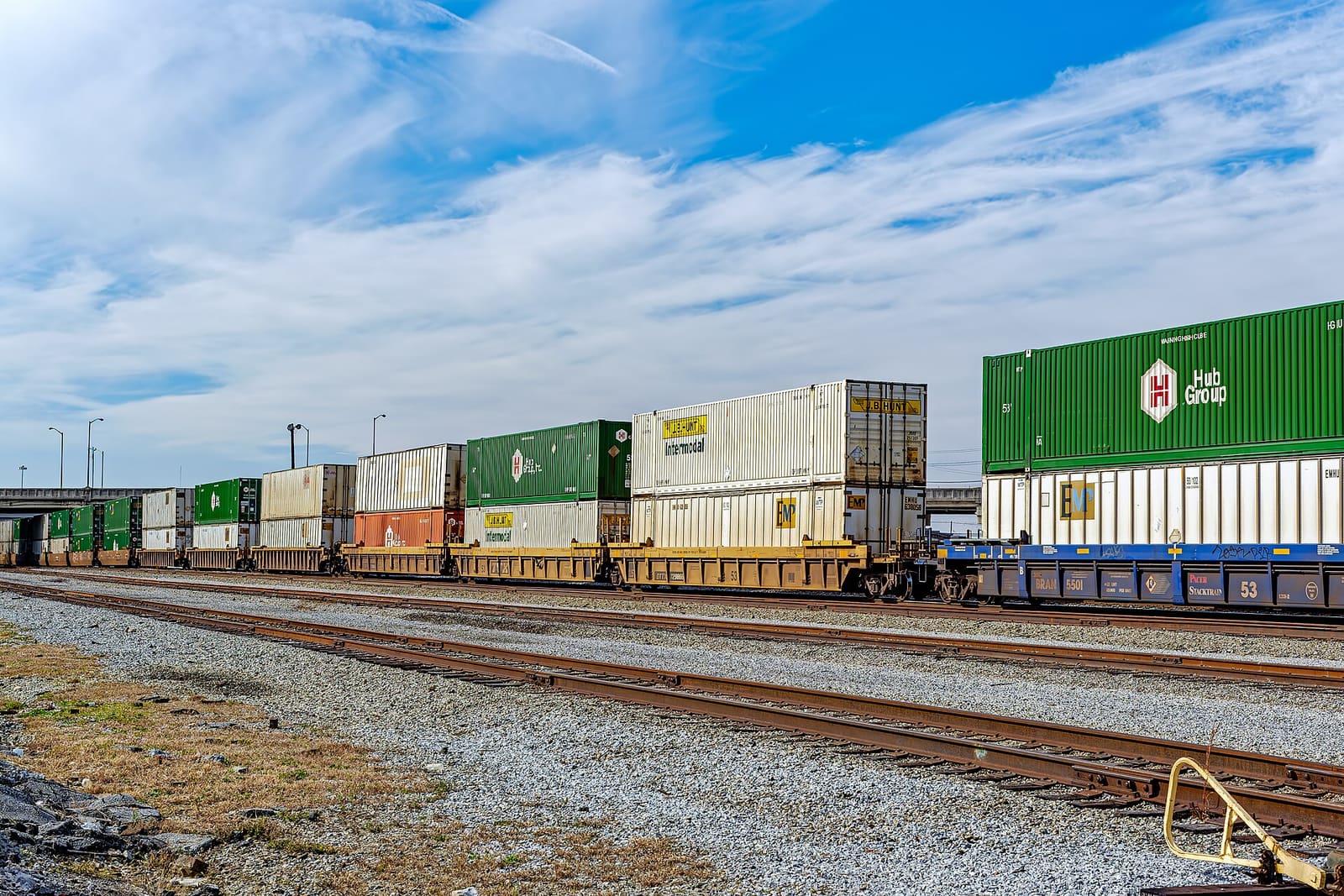
The theoretical appeal is straightforward: rail freight between Asia and Europe, where mature corridors already exist (China-Europe rail being the best-known example), routinely beats ocean freight on transit time while remaining considerably cheaper than air freight. If a comparably mature rail corridor existed between India and Russia, it could offer shippers a genuine middle option between slow, cheap sea freight and fast, expensive air freight — much as the Middle Corridor increasingly does for China-Turkey and China-Europe trade. India's own experience building out its Dedicated Freight Corridor network domestically shows how transformative purpose-built rail infrastructure can be for freight movement, even though that corridor operates entirely within India rather than across international borders.
Why Shippers Should Stay Realistic
Cross-border rail corridors of this scale are difficult and slow to build under the best of circumstances — they require coordinated investment, gauge compatibility, customs harmonization and border-crossing agreements across every country the line passes through. Even well-funded, actively-discussed corridors elsewhere in the world have taken many years longer than initially projected to become fully operational. A prudent shipper should treat any "new Russia-India rail link" headline as a signal that infrastructure conversations are ongoing, not as an indication that a bookable freight service is imminent. For current, authoritative context on Central Asian and South Asian transport corridor development, the Asian Development Bank's regional integration research portal is a useful independent source, alongside India's own Ministry of Commerce for trade policy statements as they're issued.
How This Compares with Corridors That Already Exist
| Corridor | Status |
|---|---|
| INSTC (sea + rail via Iran/Caspian) | Established framework, developing infrastructure and throughput |
| Trans-Siberian Railway (within Russia) | Fully operational within Russia; connects to India via sea legs |
| Proposed direct Russia-India rail link | Under discussion / proposed — not yet operational |
A Practical Takeaway for Shippers
Until a proposed corridor of this kind is confirmed, funded and actually operational, the sensible approach is to keep shipping on the routes that exist today — conventional sea freight into Russian ports, the developing INSTC framework, or the Eastern Maritime Corridor to Vladivostok covered in our Chennai-Vladivostok corridor guide — while staying informed about how these proposals develop. A good freight forwarder should be tracking this landscape on your behalf, ready to bring a new route into the conversation the moment it becomes a genuine booking option rather than a policy discussion.
RR Brothers and Logistics stays close to developments across the full range of India-Russia routing options, from the well-established India-Russia trade corridor sea lanes to emerging concepts like this one. We would rather tell a client honestly that a route isn't ready yet than oversell a corridor that hasn't been built.
Frequently Asked Questions
It refers to ongoing discussions and proposals — part of the broader Trans-Asian railway concept — for more direct rail connectivity between Russia and India, generally routed through Central Asia. It is not yet a confirmed, funded or operational rail line.
Most proposed alignments would route through Central Asia, most plausibly Kazakhstan given its existing rail network, potentially alongside other states depending on which version of the concept is under discussion. India would need to connect via its own rail network or a combined sea-and-rail handoff.
There is no confirmed timeline. Cross-border rail corridors of this scale typically take many years to move from proposal to operational service, and shippers should treat this as a development to monitor rather than a route to plan shipments around in the near term.
No. Shippers should continue using currently available routes — conventional sea freight, the developing INSTC framework, or the Eastern Maritime Corridor — and treat any future rail link as an additional option once it is genuinely operational, not as a reason to delay current shipments.