Automotive parts and components move in huge variety and at tight tolerances of time. A single vehicle line can depend on parts from several countries, each with its own lead time, its own packaging and its own classification, and a missing part can stop the line as surely as a missing engine. The logistics task is to treat parts as classes, with different solutions for each: line-critical items, standard components, tooling and aftermarket stock. This guide sets out that approach for importers into India. It covers part classes and the shipping solution for each, packing and labelling for traceability, dangerous goods in parts such as batteries, tooling and moulds, second-hand and refurbished parts and customs entries with many lines, and ends with a made-up replenishment model.
For the broader manufacturer view, see international shipping solutions for manufacturing companies.
Split Parts Into Classes
| Class | Examples | What matters | Typical shipping solution |
|---|---|---|---|
| Line-critical | Parts whose absence stops the line | Reliability and time | Scheduled lanes, early customs filing, a buffer, and air as the fallback |
| Standard components | Regular parts with steady demand | Cost and consistency | Sea freight, consolidated, on a planned cadence |
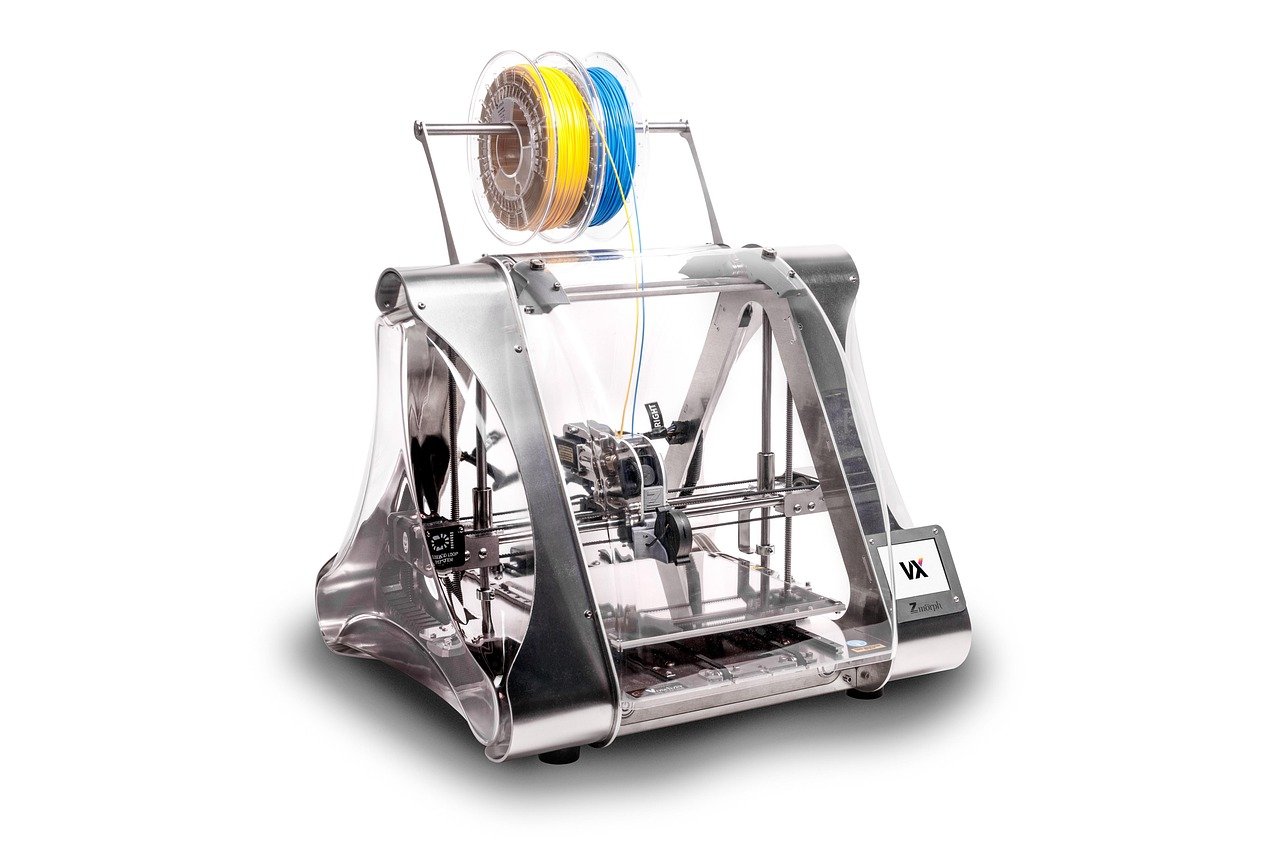
| Tooling and capital items | Moulds, dies, jigs and fixtures | Handling and duty treatment | Special packing, and a check of the duty scheme |
| Aftermarket and spares | Slow-moving service parts | Availability at low stock | Consolidated shipments plus occasional air top-ups |
Review the classes each quarter. A part can move from standard to line-critical when a second source disappears.
Choose the Mode by the Cost of Delay
For line-critical parts, the question is the cost of a stopped line against the freight premium. Our guide to when businesses should choose air freight gives the tests, and the guide to air freight solutions for urgent industrial shipments covers the urgent case. For steady components, sea freight with a safety buffer is the usual economic choice, and just-in-time vs just-in-case inventory strategies explains how to size the buffer.
Pack and Label for Traceability
Parts are small, numerous and easy to mix up. Pack each part number in its own labelled inner carton, mark the outer carton with the part numbers and quantities and make the packing list follow the carton-by-carton contents. The US International Trade Administration describes the packing list as itemising the contents of each package, with weights and measurements, used by freight forwarders to determine weights and freight costs and by customs officials to check the contents of a specific carton. For wooden pallets and crates, ISPM 15 requires approved treatment and a mark where the wood is raw. The CTU Code asks packers to distribute heavy cargo appropriately over the floor, avoid stowing heavy goods on top of light ones and observe handling instructions and symbols on packages, all of which matter for mixed loads of parts.
Dangerous Goods in Parts
Some parts contain batteries, fluids or pressurised components. IATA says the shipper is responsible for packaging, labelling and the Shipper's Declaration for Dangerous Goods, and that incorrectly completed documents mean the goods cannot be accepted for air shipment. At sea, the IMO says carriage of dangerous goods in packaged form must comply with the IMDG Code. Ask your supplier for the dangerous goods status of every part before you book, and keep the safety data with the shipment file.
Tooling, Moulds and Dies
Tooling can count as capital equipment. DGFT's page on the EPCG scheme lists spares, moulds, dies, jigs, fixtures, tools and refractories among the capital goods the scheme covers, subject to its conditions and an IEC. Para 2.35 of the Foreign Trade Policy 2023 requires a legal undertaking, bank guarantee or bond with Customs wherever duty-free import is allowed. Take advice on whether a scheme suits your tooling before you place the order, and plan the packing of heavy tools with the same care as for machinery. See shipping heavy machinery internationally.
Used and Refurbished Parts
Para 2.31 of the Foreign Trade Policy treats second-hand goods separately. Refurbished or re-conditioned spares of capital goods are free subject to a Chartered Engineer's certificate of at least 80% residual life of the original spare, and second-hand goods other than capital goods are restricted and importable against an authorisation. Check the status of any used or refurbished part before you order it.
Check Standards Before You Order
Whether a particular automotive part falls under a mandatory standard or a registration order is a question to settle before the purchase order, not at the port. DGFT's general notes on import policy say that products under mandatory Indian Standards must comply and that electronics notified under the 2012 Compulsory Registration Order are prohibited unless BIS-registered and labelled. A PIB release adds that assemblies, sub-assemblies and components under the Machinery and Electrical Equipment Safety Order will follow from a date to be notified. Ask BIS or your customs broker about each new part number, and keep the answer in the part file.
Customs Entries With Many Lines
A parts shipment can have hundreds of lines. Section 46(2) of the Customs Act, 1962 says the bill of entry includes all the goods mentioned in the bill of lading or other carrier receipt, and Section 111(m) makes goods that do not correspond with the entry in value or any other particular liable to confiscation. One wrong quantity or part number among hundreds is still a mismatch. Keep a master data sheet with part numbers, descriptions, classification and unit values, and match the invoice, packing list and transport document line by line before filing. See avoiding documentation errors and how product classification affects import duties and compliance.
A Made-Up Replenishment Model
The figures below are made up. A plant uses a line-critical control module, a standard bracket and a service part.
| Part | Class | Demand | Solution |
|---|---|---|---|
| Control module | Line-critical | 200 a week | Weekly air shipment, a buffer of 400 units, filed early, with a second source qualified |
| Bracket | Standard | 5,000 a month | Monthly sea LCL, a buffer of ten days, wooden packaging checked |
| Service part | Aftermarket | 20 a month | Quarterly consolidated shipment plus air top-up on request |
The buffer on the control module covers two weeks of demand. It exists to protect the line from a missed flight, a customs query or a late supplier.
Receive, Count and Put Away
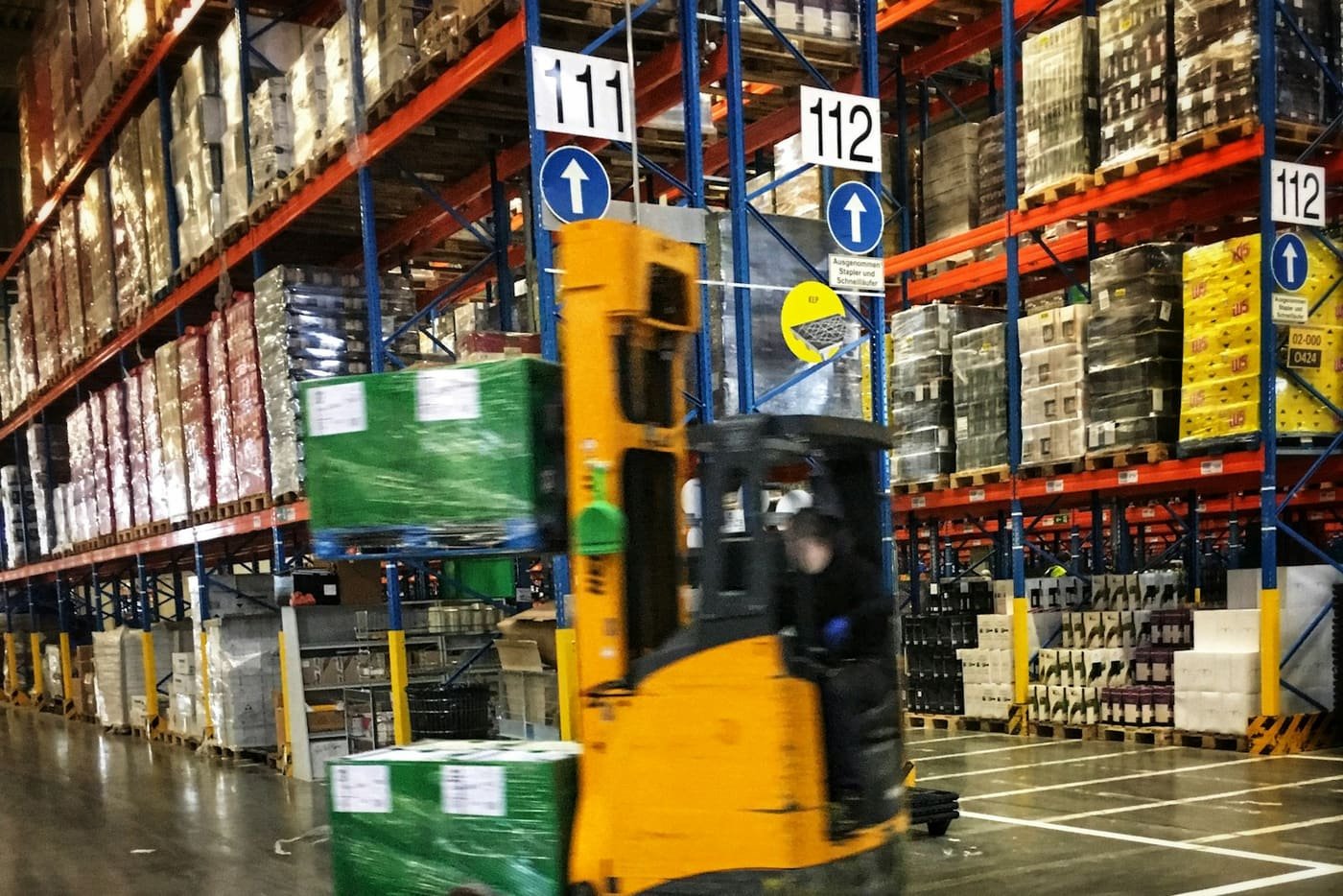
Inbound discipline protects the traceability that the packing created. Scan or count each carton against the packing list on arrival, set aside any carton that does not match, photograph damage before opening and put parts away by part number and batch, so that a quality problem can be traced back to a shipment. Update stock on the same day, because a replenishment trigger that runs on stale numbers sends the next order late.
Measure Each Class
Track a few numbers for each class and review them every quarter: how complete each shipment was on arrival, how long transit and clearance really took, how many lines needed correction at customs and how many days of cover were used. Reset buffers from the lead times you recorded and not from the ones the supplier quoted, and move a part from one class to another when the numbers show that its role has changed.
Common Mistakes
- Treating all parts alike, so that line-critical parts travel on slow routes.
- Mixing part numbers in one carton.
- Not asking about batteries, fluids and pressurised parts until the booking is made.
- Describing parts vaguely on the invoice.
- Overlooking the policy status of used or refurbished parts.
- Having no fallback for the line-critical class.
A Checklist
- Every part is assigned a class, reviewed each quarter.
- Mode and buffer are set by the cost of delay.
- Packing is by part number, with labels and a carton-level packing list.
- Dangerous goods status is known before booking.
- Tooling and duty schemes are checked before ordering.
- Used or refurbished parts are checked against para 2.31.
- Standards and registration questions are answered for each new part number.
- A master data sheet drives the invoice, packing list and bill of entry.
Move Parts With RR Brothers and Logistics
RR Brothers and Logistics ships automotive parts from China by air and sea, supports dangerous goods handling and handles customs clearance. Send us your part classes and volumes and we will help you plan the lanes and the paperwork.
Frequently Asked Questions
By class: line-critical parts, standard components, tooling and capital items, and aftermarket spares. Each class gets its own shipping solution, buffer and fallback.
Some do, such as parts containing batteries, fluids or pressurised components. IATA says the shipper is responsible for packaging, labelling and the declaration, so ask for the status before booking.
DGFT's EPCG page lists moulds, dies, jigs, fixtures, tools and refractories among covered capital goods. The scheme has conditions and requires an IEC, so take advice first.
Para 2.31 of the Foreign Trade Policy restricts second-hand goods other than capital goods to import against an authorisation, and refurbished spares of capital goods need a Chartered Engineer's certificate of at least 80% residual life. Check the status of each part.
Because Section 46(2) requires the entry to include all goods in the carrier's document and Section 111(m) makes goods that do not correspond with the entry liable to confiscation.
Size it from your recorded lead times, including delays, and from the cost of a stopped line, and review it each quarter.
Sources
- US International Trade Administration: Packing list
- IPPC/FAO: ISPM 15, Regulation of wood packaging material in international trade (2018)
- IMO/ILO/UNECE: Code of Practice for Packing of Cargo Transport Units (CTU Code)
- IATA: What you need to know about the transport of dangerous goods by air
- IMO: The International Maritime Dangerous Goods (IMDG) Code
- DGFT: Export Promotion Capital Goods (EPCG) scheme
- DGFT: Foreign Trade Policy 2023, Chapter 2 (paras 2.31 and 2.35)
- DGFT: General notes regarding import policy (ITC (HS) 2022, Schedule 1)
- PIB: Machinery and Electrical Equipment Safety (Omnibus Technical Regulation) Amendment Order, 2025 (19 August 2025)
- CBIC: Customs Act, 1962 (Sections 46 and 111)
This article is general information, not legal, tax or customs advice. Rules, rates and procedures change; confirm current requirements with the relevant authority or a licensed customs professional before you ship. Regulatory references were checked against the official sources listed above on 26 October 2026.
Image credits: header photo by Bernd Dittrich on Unsplash. Used under the Unsplash License.
Request a Quote