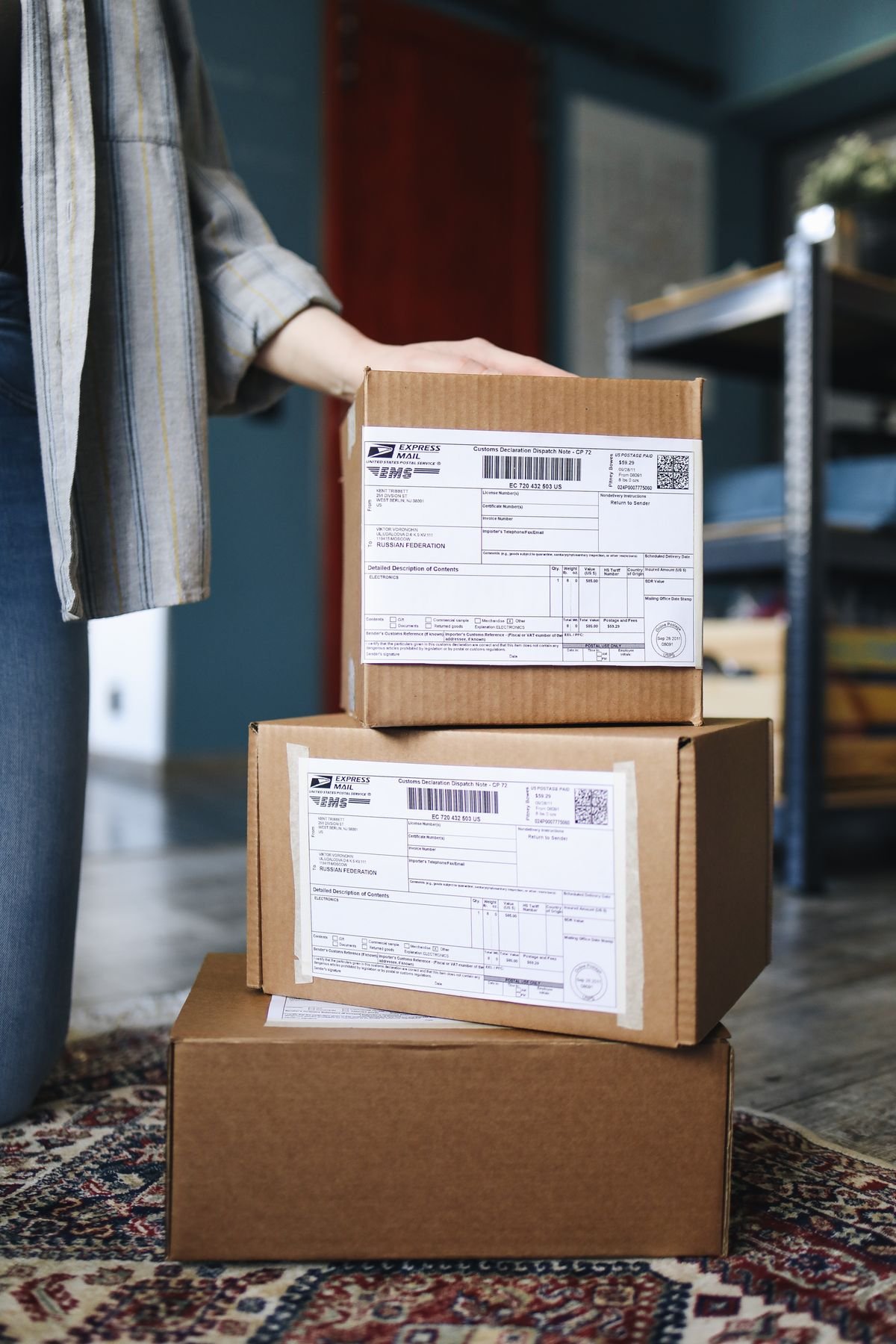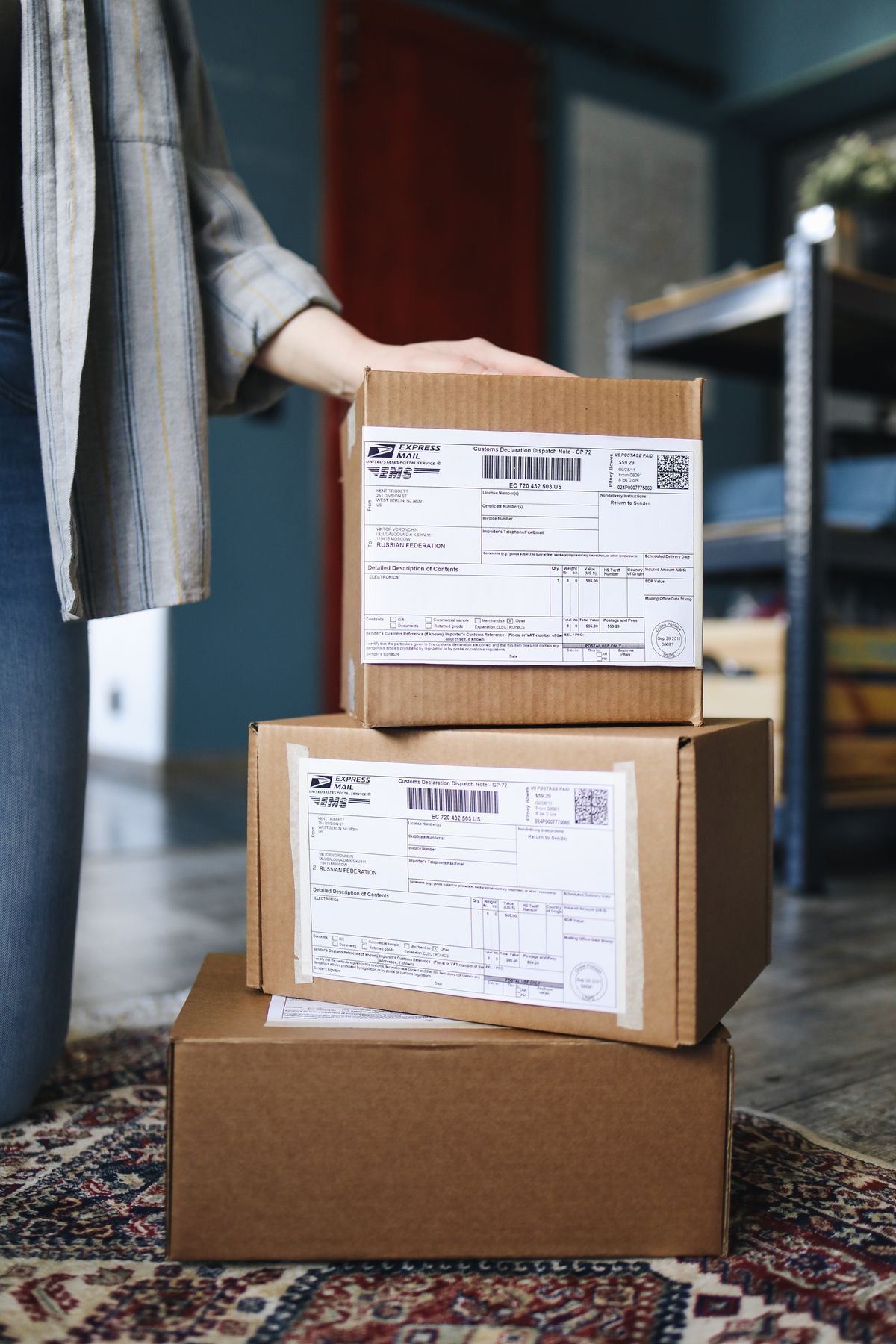
The right shipping solutions for e-commerce businesses depend less on the carrier's brand than on three facts about your orders: how big each shipment is, how fast it has to arrive and who handles customs at the other end. A sample parcel, an urgent restock of a best seller and a container of bulky stock are different problems, and the cheapest answer to one is usually the wrong answer to another. This guide sets out five international shipping solutions, shows how Indian customs treats the courier route and the freight route, gives a decision table, and ends with the questions to ask providers and the mistakes to avoid.
For the wider chain from supplier to customer, see cross-border e-commerce logistics: a complete guide. For importers who buy from China, see how Indian e-commerce brands can import products from China.
The Five Solutions at a Glance
| Solution | Suits | Customs route into India | What to watch |
|---|---|---|---|
| Express courier | Small, urgent parcels, samples and test orders | The authorised courier files a courier bill of entry | Value limits and excluded goods |
| Postal parcel | Light consumer parcels | Postal documents, with the postal receipt in form CN-22 or CN-23 | Check the postal operator's limits and tracking |
| Air freight | Urgent or valuable stock replenishment | A bill of entry filed by the importer or a customs broker | Cut-offs, chargeable weight and airport charges |
| Sea freight (LCL or FCL) | Bulky or planned stock | A bill of entry filed by the importer or a customs broker | Longer lead times and storage charges |
| Warehouse-based fulfilment | Repeat orders from held stock | Depends on where the stock sits | Inventory risk and storage costs |
For postal parcels, India's Foreign Trade Policy 2023 lists the postal receipt, in form CN-22 or CN-23, among the transport documents for imports.
How Indian Customs Treats the Courier Route
India's Courier Imports and Exports (Electronic Declaration and Processing) Regulations, as published on the CBIC courier site, apply to goods carried by an authorised courier by air at the customs airports notified for the purpose. They give the courier four forms of bill of entry: CBE-XI for documents, CBE-XII for free gifts and samples, CBE-XIII for low value dutiable consignments and CBE-XIV for other dutiable consignments. A low value dutiable consignment is an import, other than documents, gifts and samples, with an invoice value not exceeding one lakh rupees. Gifts and samples are limited to ten thousand rupees per consignment for imports, and samples must be free of charge and bona fide.
The regulations do not apply to some goods, including animals, plants and parts of them, perishables, publications with incorrect maps of India, and precious and semi-precious stones and gold or silver in any form, except for re-import as the regulations specify. They also say that imported goods not cleared within thirty days of arrival are detained and may be sold or disposed of after notice to the courier. The consolidated text we reviewed is the 2022 version, and the rules have since been amended, so check the current text on the courier site before you ship. A PIB release of 31 March 2026 says CBIC amended them from 1 April 2026 and introduced a Return to Origin facility for goods that remain uncleared or unclaimed for more than 15 days and are not prohibited, restricted or under an enforcement hold.
How Indian Customs Treats the Freight Route
Air and sea freight cargo is cleared through the normal process under the Customs Act, 1962: the importer, or a licensed customs broker on its behalf, presents a bill of entry, self-assesses and pays the duty and takes delivery after the order permitting clearance. Our guide to customs clearance in India step by step sets out the sequence.
Whichever route you choose for goods you intend to sell, plan to hold an Importer Exporter Code. The Handbook of Procedures exempts persons importing goods for personal use that is not connected with trade, but a business importing stock is not in that position. See our guide to the importer exporter code.
Which Solution for Which Order
| Situation | Usual choice | Why |
|---|---|---|
| A sample or first test order | Express courier | Small, fast, and the courier handles the filing |
| An urgent restock of a best seller | Air freight | Speed justifies the premium, as our tests for choosing air freight explain |
| A planned restock of bulky goods | Sea freight, LCL or FCL | Lower cost per unit and no urgency |
| Steady monthly demand | A mix of sea for base stock and air for top-ups | Matches cost to urgency |
| Many small orders to customers abroad | Warehouse-based fulfilment close to the market | Avoids shipping each order across the world |
What Drives the Cost
For air, IATA says carriers charge on the higher of actual and volumetric weight, with volume in cubic centimetres divided by 6,000 as the general rule, and it lists terminal handling among the accessorial fees. So the size of your packaging matters as much as its weight. For sea freight, the cost depends on whether you fill a container or share one. Duty and IGST come on top of freight on every route, so work out the landed cost before you choose.
Who Pays Duty on the Customer's Parcel?
If you sell to consumers in other countries, or if a supplier quotes you delivery to India with duties paid, the trade term decides who clears the goods. An ICC Academy article says DDP obliges the seller to manage both export and import formalities, including any transit customs, and to arrange transport to the destination, and adds that a seller may face significant barriers completing import formalities in a foreign country and may be better off selling under DAP. Under Indian law the bill of entry is presented by the importer, so if goods come to you on delivered terms, confirm who is named as importer in India and who holds the IEC.
Returns and Unclaimed Goods
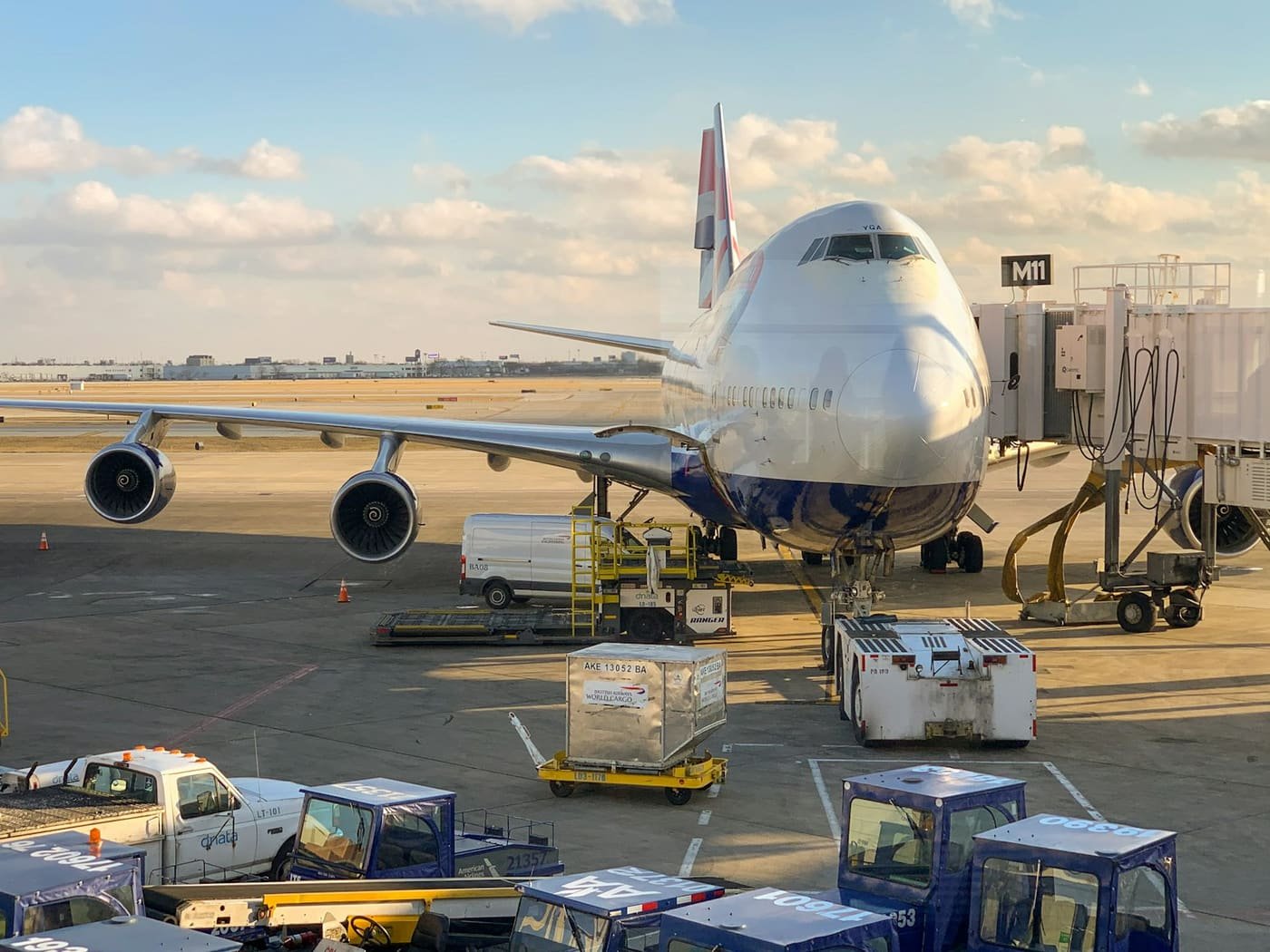
Plan for what happens when a parcel is not collected or a customer sends an item back. The 2022 consolidated courier regulations provide for imported goods not cleared within thirty days of arrival to be detained and disposed of after notice, and the PIB release on the 2026 changes describes a Return to Origin facility for goods that stay uncleared or unclaimed for more than 15 days and are not prohibited, restricted or under an enforcement hold. Ask your provider how both apply to your parcels, and who pays the cost of a return.
A Made-Up Order Mix
The products and quantities below are made up.
| Product | Order | Solution | Reason |
|---|---|---|---|
| New accessory, unproven | 2 kg of samples | Express courier | Tiny volume, speed matters |
| Best-selling gadget | 400 kg restock, stock-out risk | Air freight | The cost of lost sales exceeds the freight premium |
| Bulky storage boxes | 6 cubic metres | Sea LCL | Light, bulky, not urgent |
| Core range, steady demand | A full container each quarter | Sea FCL | Lowest cost per unit for planned stock |
Questions to Ask Providers
- Which customs airports and goods do you handle, and which goods are excluded?
- Who files the customs declaration, and on what authority?
- What are the value limits for the route you propose?
- What happens to cargo that is not cleared or not collected?
- How are returns and rejected deliveries handled?
- What tracking will I get, and at which points?
- What are the cut-offs, and what charges apply after arrival?
Common Mistakes
- Sending everything by courier because it is easy, when volumes justify freight.
- Sending small urgent orders by sea and losing the sale.
- Ignoring packaging size and paying for volumetric weight.
- Overlooking duty and IGST in the price.
- Assuming the courier route covers every product.
- Not having an IEC for business imports.
A Shipping Solutions Checklist
- The orders are sorted by size, value and urgency.
- Each category has a named route and a fallback.
- Customs responsibility is agreed in writing.
- The IEC is active.
- Landed cost is calculated for each route.
- Returns and unclaimed cargo have a procedure.
Choose Your Route With RR Brothers and Logistics
RR Brothers and Logistics offers air freight, sea freight, e-commerce logistics and customs clearance from China to India. Send us your order profile and we will suggest the mix that fits.
Frequently Asked Questions
Express courier, postal parcels, air freight, sea freight in LCL or FCL, and warehouse-based fulfilment. The choice depends on parcel size, urgency, value and who handles customs.
Under the courier regulations, an import consignment other than documents, gifts and samples with an invoice value not exceeding one lakh rupees. Check the current text, which has been amended since the 2022 consolidation.
No. The regulations exclude some goods, including animals, plants, perishables, publications with incorrect maps of India and precious stones, gold and silver in any form, and goods that are restricted or prohibited need the right permissions.
The 2022 text provides for detention and disposal after thirty days, and PIB reports that from 1 April 2026 a Return to Origin facility applies to goods uncleared or unclaimed for more than 15 days that are not prohibited, restricted or under an enforcement hold.
Yes, unless an exemption applies. The Handbook of Procedures exempts imports for personal use not connected with trade, which does not describe a business importing stock.
Under DDP the seller manages export and import formalities and delivers to the destination. ICC Academy notes that a seller may face significant barriers completing import formalities abroad and may prefer DAP.
Sources
- CBIC: Courier Imports and Exports (Electronic Declaration and Processing) Regulations, 2010 (consolidated 2022 text)
- PIB: CBIC operationalises reforms for e-commerce exports and courier trade (31 March 2026)
- CBIC: Customs Act, 1962 (Section 46)
- DGFT: Foreign Trade Policy 2023, Chapter 2 (para 2.06)
- DGFT: Handbook of Procedures, Chapter 2, July 2026 edition (para 2.07)
- IATA: Air cargo tariffs and rules (volumetric weight and accessorial fees)
- ICC Academy: EXW and DDP, Incoterms 2020 explained
This article is general information, not legal, tax or customs advice. Rules, rates and procedures change; confirm current requirements with the relevant authority or a licensed customs professional before you ship. Regulatory references were checked against the official sources listed above on 26 October 2026.
Image credits: header photo by Claudio Schwarz on Unsplash; photo by Patrick Campanale on Unsplash. Used under the Unsplash License.
Request a Quote