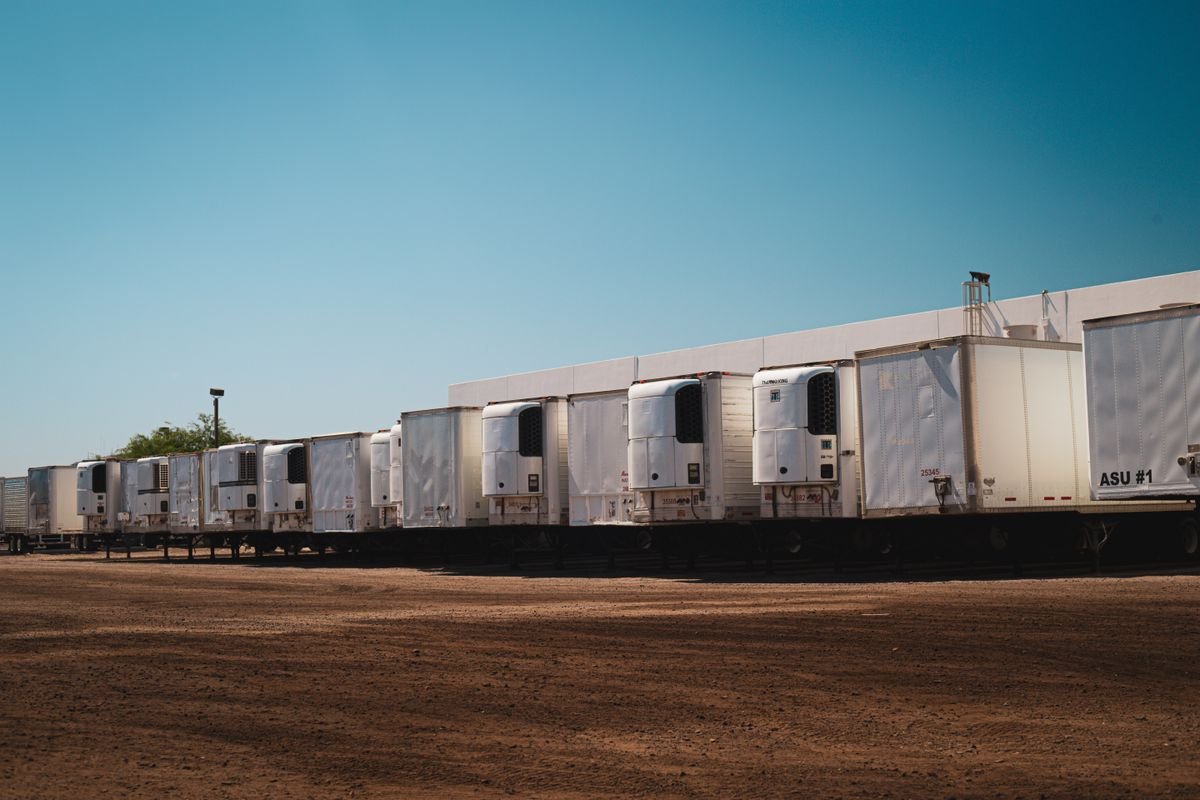
The Reefer Container Is No Longer a Silent Box
A refrigerated shipping container — a reefer — used to be, from a data standpoint, mostly a black box once it left the terminal. A technician set the target temperature before loading, and nobody knew for certain whether that setting held steady until the container was opened at destination. That has changed substantially over the past several years. Reefer units built or retrofitted with IoT (Internet of Things) monitoring hardware now stream live operating data for the length of a voyage, turning what used to be a once-a-voyage guess into a continuously verifiable record. For shippers of perishable cargo, pharmaceuticals and other temperature-sensitive goods, this shift is one of the more consequential technology changes in transportation logistics in recent years, and it is quickly becoming an expected standard rather than a premium extra.
What Reefer IoT Sensors Actually Capture
A modern reefer monitoring unit typically reports on several data streams simultaneously, each feeding into a picture of whether cargo condition is holding within the parameters set at loading:
- Supply and return air temperature — the temperature of air entering and leaving the cargo space, which together indicate whether the refrigeration unit is maintaining the setpoint across the full container, not just near the sensor.
- Relative humidity — critical for produce such as bananas, avocados and other fresh fruit, where humidity swings can accelerate ripening or spoilage independent of temperature.
- Controlled-atmosphere gas levels — some reefers used for produce actively regulate oxygen and carbon dioxide levels inside the container to slow ripening, and monitoring these levels is as important as monitoring temperature for that cargo.
- Door-open events — a magnetic or optical sensor logs the exact timestamp and duration of any door opening, flagging unauthorized access or inspection events that could have exposed cargo to ambient conditions.
- GPS / GNSS location — continuous positioning data that lets a shipper see exactly where a container is at any point in transit, not just its last reported port.
- Power and fuel status — for containers running on generator sets (gensets) during inland transport, monitoring confirms the unit has continuous power rather than discovering a dead genset only on arrival.
Getting Data Off a Container in the Middle of the Ocean
The hardest engineering problem in reefer IoT is not the sensors themselves — it's connectivity. A container stacked mid-vessel on a transoceanic voyage has no cellular signal for most of the journey, which is why reefer monitoring providers rely on satellite connectivity, typically through low-earth-orbit or geostationary networks such as Iridium or Inmarsat, to relay readings back to shore in near real time. This comes at a real cost and bandwidth trade-off: satellite links typically transmit smaller, less frequent data packets than a cellular connection could support, so most systems are engineered to prioritize critical alerts — a temperature excursion, a door-open event — over continuous full-resolution logging while at sea. Once a vessel approaches port or a container moves onto an inland truck or rail car, devices generally switch to cellular connectivity, which allows faster, more detailed data to sync before or after each leg of the journey. Our broader guide to IoT and real-time cargo tracking looks at how this satellite-to-cellular handoff works across container types generally, beyond reefers specifically.
Why Door-Open Events Matter as Much as Temperature
It's tempting to think of reefer monitoring purely as a temperature log, but door-open event data often tells an equally important story. A temperature excursion that coincides with a logged door-open event at a known inspection point — a customs hold, for example — tells a very different story than the same excursion occurring mid-ocean with no door-open event recorded, which would point instead to a refrigeration unit malfunction. Being able to distinguish between those two causes, after the fact, is often the difference between a straightforward insurance claim and a prolonged dispute over what actually happened to a shipment and who is responsible for it.
Industry Standards Shaping Reefer Telemetry
As more container lines and equipment providers adopted proprietary reefer monitoring systems, shippers increasingly found themselves managing data in incompatible formats from different providers, which limited the value of the technology for end-to-end visibility. Industry bodies have worked to address this: the Digital Container Shipping Association has published Track & Trace standards that have expanded to cover reefer and IoT visibility specifically, aimed at making reefer container telemetry data interoperable across carriers so a shipper using multiple ocean carriers can work with a single consistent data format rather than a different proprietary feed from each one. This standardization work matters more than it might seem, since it's what ultimately allows a forwarder or shipper to build a single monitoring dashboard across an entire multi-carrier cold chain program rather than monitoring each carrier's cargo separately through a different portal.
Retrofitting Older Fleets Versus Buying New Smart Reefers
Not every reefer in global circulation was built with IoT hardware from the factory. Container leasing companies and carriers have taken two broad paths to close that gap: ordering new reefer units with monitoring hardware integrated from manufacture, and retrofitting existing reefer fleets with bolt-on telemetry devices that attach to the unit's existing power and control systems. Retrofitting is generally the faster, lower-cost route to expanding monitored capacity across a large existing fleet, though it can mean working with a narrower set of data points than a reefer designed around monitoring from the start. For a shipper booking reefer capacity, it is worth confirming directly whether a specific container has monitoring hardware installed and active, rather than assuming every reefer in a carrier's fleet currently offers the same visibility. This is a practical question worth raising at booking stage rather than assuming, since a shipper who needs continuous monitoring for a specific buyer requirement or insurance condition may otherwise discover only after sailing that the assigned unit was not equipped for it.
What a Reefer Monitoring Record Looks Like for a Claim
When a cargo claim does arise on a temperature-sensitive shipment, the difference between a monitored and an unmonitored reefer is often the difference between a claim resolved in weeks and one that drags on for months. A continuous monitoring record lets a claims handler pinpoint exactly when a deviation began, how long it lasted, and what the container's door-open history shows around that window, replacing what would otherwise be a dispute based on competing assumptions about what likely happened during a multi-week voyage. Insurers increasingly view this kind of documented record favorably, and some cargo insurance arrangements for high-value perishable or pharmaceutical shipments now expect continuous monitoring data as a condition of coverage, rather than treating it as an optional extra a shipper may or may not have arranged.
From Raw Data to Usable Alerts
Capturing a continuous stream of temperature and location readings is only valuable if a shipper can actually act on it before a problem compounds. Most reefer monitoring platforms layer threshold-based alerting on top of the raw data feed, flagging a shipment the moment a reading moves outside an acceptable range rather than requiring someone to review a full data log manually after the fact. A well-configured alert can prompt a forwarder to coordinate an early intervention at the next port of call — adjusting the setpoint remotely where the system supports it, or arranging an inspection — rather than only discovering a sustained temperature excursion once the container is opened at final destination. The gap between a system that merely logs data and one that actively surfaces the handful of readings that actually require a decision is, in practice, where much of the commercial value of reefer IoT investment gets realized.
What This Means for Shippers of Perishable Cargo
For a shipper moving fresh produce, seafood, dairy or other perishables from China to international markets, reefer IoT monitoring changes the conversation from "we hope the cold chain held" to "here is the continuous record showing it did, or exactly where it didn't." That record supports faster claims resolution when something does go wrong, gives receivers at destination advance warning if a shipment has had any issue in transit, and increasingly factors into buyer requirements for certain categories of perishable goods where continuous monitoring is becoming close to standard practice rather than a premium add-on. Our dedicated guide to cold chain reefer shipping for perishables from China covers the end-to-end process this monitoring technology supports, while our look at cold chain IoT for pharma transportation logistics covers the stricter monitoring requirements that apply specifically to temperature-sensitive pharmaceutical shipments.
How RR Brothers and Logistics Can Help
RR Brothers and Logistics arranges reefer container bookings with continuous IoT monitoring for clients shipping perishable cargo internationally, giving shippers visibility into temperature, humidity and location data for the full length of a voyage rather than a single reading at origin and destination. Where a monitored shipment does show a deviation in transit, our team can help interpret the data record and manage the claims process with the carrier, backed by a continuous log rather than guesswork about what happened mid-voyage. Download our company brochure (PDF) for a full overview of our services and global network.
Frequently Asked Questions
Modern reefer monitoring units capture supply and return air temperature, relative humidity, controlled-atmosphere gas levels for certain produce, door-open events, GPS location, and power or fuel status for units running on generator sets.
Since a container mid-vessel has no cellular signal for most of a transoceanic voyage, monitoring providers rely on satellite connectivity, typically through networks such as Iridium or Inmarsat, switching to faster cellular connectivity once the container nears port or moves onto inland transport.
Door-open event data helps distinguish between a temperature excursion caused by an inspection or customs hold versus one caused by a refrigeration unit malfunction, which materially affects how an insurance claim or dispute over the shipment is resolved.
Industry bodies such as the Digital Container Shipping Association have published standards aimed at making reefer telemetry data interoperable across carriers, so a shipper using multiple carriers can work toward a single consistent data format rather than a different proprietary feed from each one.