Why "Marketplace Fulfillment" Isn't One Thing
Sellers who list on more than one Indian marketplace quickly learn that marketplace fulfillment logistics is not a single system with three storefronts bolted on — it is three genuinely different operating models, each with its own inventory rules, warehousing requirements and delivery expectations. Amazon, Flipkart and Meesho have each built fulfillment infrastructure that reflects a different bet about how Indian e-commerce should work: Amazon's around centralized, forecast-driven warehousing; Flipkart's around a hybrid of owned and seller-linked fulfillment; and Meesho's around a zero-inventory, reseller-led network built for the widest possible base of small sellers. Getting marketplace shipping comparison right before committing inventory to any one of them saves a seller months of avoidable rework.
RR Brothers and Logistics sits upstream of all three models. Most of the sellers we work with import finished goods, components, or private-label product from our home base in Guangzhou, China, and then have to decide how that inventory gets split across marketplace fulfillment centers once it lands in India. That decision — how much stock goes into Amazon FBA, how much into Flipkart's network, and how much stays with the seller for Meesho-style direct dispatch — has as much impact on delivery speed and cost as the freight booking that got the goods into the country in the first place.
Amazon: FBA, Easy Ship, and Seller Flex
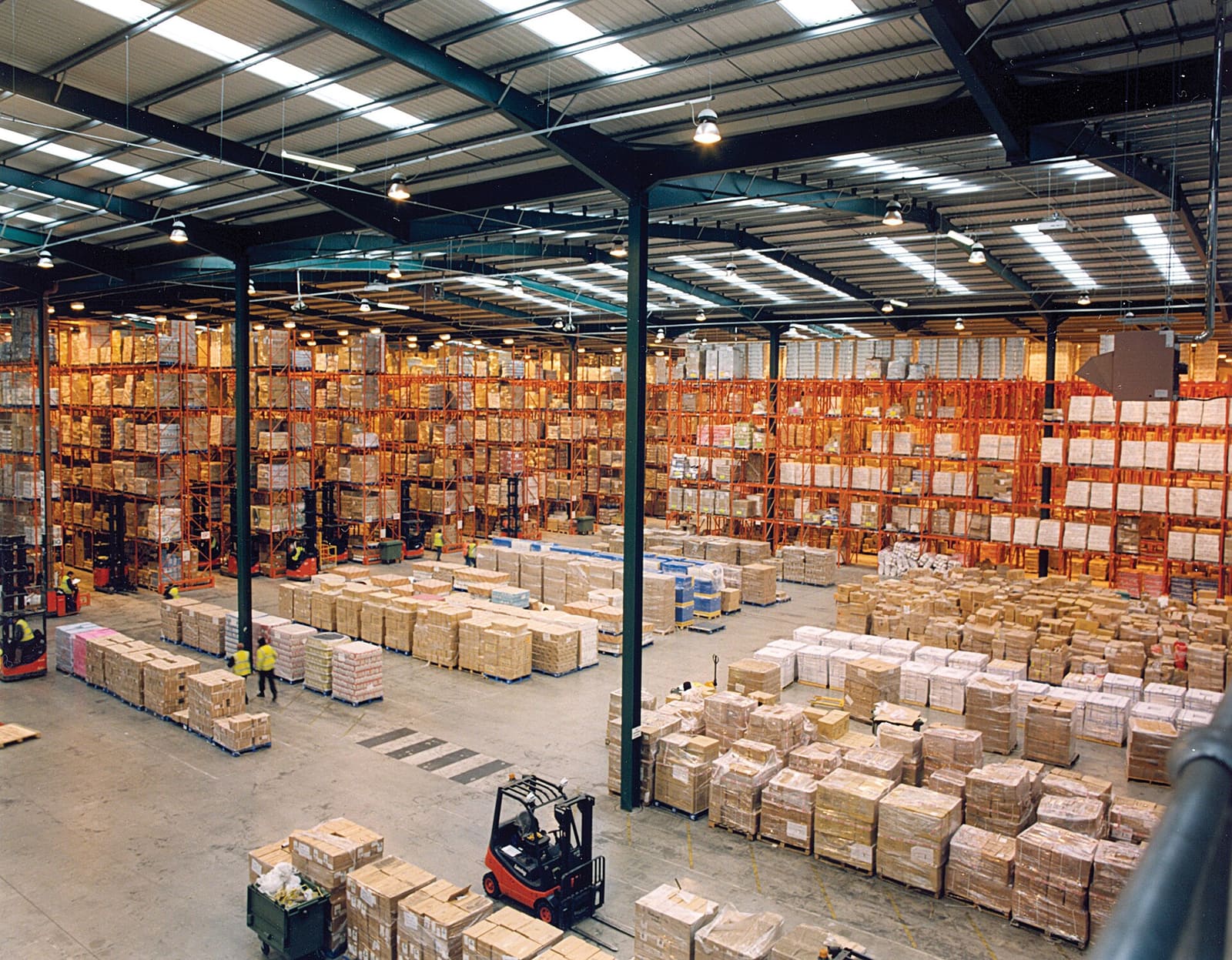
Amazon offers sellers the widest range of fulfillment choices of the three platforms. Fulfilled by Amazon (FBA) means inventory is shipped in bulk to Amazon's own warehouses, where Amazon handles storage, packing, delivery and customer returns — the seller's job effectively ends once the shipment reaches the fulfillment center. Easy Ship keeps inventory at the seller's own premises but uses Amazon's logistics network for pickup and delivery, while Seller Flex sits in between, treating a seller's own warehouse as if it were an Amazon fulfillment center under Amazon's operational standards. For sellers who import inventory from China in bulk, FBA prep is its own discipline — carton labeling, barcode placement and inbound shipment planning all have to be right before goods ever reach an Amazon warehouse, a process we cover step by step in our guide to Amazon FBA prep and freight shipping from China.
Flipkart: Fulfilled by Flipkart (FBF) and Smart Fulfilment
Flipkart's model, Fulfilled by Flipkart (FBF), mirrors Amazon's FBA in structure — sellers ship bulk inventory into Flipkart's warehouses and Flipkart manages the rest — but Flipkart's fulfillment network leans more heavily on regional hubs tuned for India's tier-2 and tier-3 city demand, which is a meaningfully larger share of Flipkart's order base than it is for Amazon. Flipkart also runs a self-ship option similar to Easy Ship for sellers who prefer to hold their own inventory. For sellers already running FBA and considering Flipkart as a second channel, the operational lesson is that inventory allocation between the two networks needs its own forecasting discipline — stock sitting in the wrong platform's warehouse doesn't help fulfill an order placed on the other one.
Meesho: A Different Model Built for Zero-Investment Sellers
Meesho was built around a fundamentally different assumption: that most sellers, particularly small manufacturers, resellers and home-based businesses, cannot or do not want to pre-position inventory in a marketplace warehouse. Meesho's default model has the seller holding stock and dispatching directly once an order comes in, with Meesho's own logistics partners handling pickup and last-mile delivery — closer in spirit to a managed dropshipping arrangement than to FBA-style bulk warehousing. This keeps upfront capital and storage costs low, which is precisely why Meesho has attracted such a large base of small and first-time sellers, but it also means delivery timelines depend heavily on how quickly an individual seller can pack and hand off an order once it's placed, rather than on a marketplace's own pre-positioned stock.
| Platform | Primary Model | Inventory Location | Best Suited For |
|---|---|---|---|
| Amazon | FBA / Easy Ship / Seller Flex | Amazon warehouse or seller premises | Established sellers with forecastable demand |
| Flipkart | Fulfilled by Flipkart (FBF) / Self-ship | Flipkart warehouse or seller premises | Sellers targeting tier-2/tier-3 demand |
| Meesho | Seller-held stock, Meesho logistics pickup | Seller's own premises | New, small or low-capital sellers |
Inventory Placement and Delivery Speed
The single biggest driver of marketplace delivery speed is not the marketplace's brand or app experience — it's where the inventory physically sits when the order is placed. Stock pre-positioned in a warehouse close to the buyer, whether that warehouse belongs to Amazon, Flipkart, or a seller's own regional 3PL, can typically move to same-day or next-day dispatch. Stock that has to be picked, packed and handed to a courier from a single distant location, as in much of the Meesho model, adds days regardless of how efficient the seller's packing process is. Sellers scaling beyond a single city increasingly borrow the same regional-warehousing logic covered in our piece on D2C brand logistics and scaling fulfillment from India — the same principles about hub placement apply whether the buyer came through a brand's own website or a marketplace listing.
Multi-Marketplace Sellers: The Real Complexity
Very few serious sellers stay on a single platform for long, and the real fulfillment challenge shows up once a seller is running Amazon, Flipkart and Meesho storefronts simultaneously. Each platform has its own labeling requirements, its own return and cash-on-delivery handling — a genuine headache on Flipkart and Meesho given how much of their order volume is COD, a topic we've examined separately in our guide to cash-on-delivery logistics challenges for Indian e-commerce — and its own reconciliation cycle for GST and TCS. Since marketplace operators are generally required to collect tax at source under India's GST framework, sellers need clean GSTIN registration and accurate invoicing across every channel; the current rate structure and compliance requirements are published on the official CBIC GST rates portal. A seller managing three sets of warehousing rules, three return policies and three tax reconciliation cycles without a unified inventory and freight partner ends up spending as much time on operations as on actually selling.
Choosing the Right Mix for Your Business
There is no universally "best" marketplace fulfillment model — the right mix depends on capital available for inventory pre-positioning, how predictable demand is, and how price-sensitive the product category is to added logistics cost. A seller with steady, forecastable demand for a mid-to-high value product generally gets the best delivery speed and customer experience from FBA-style pre-positioned stock. A seller testing a new product line or working with thin margins often does better starting on Meesho's lower-commitment model before scaling into Amazon or Flipkart's warehousing programs. India's Ministry of Commerce (commerce.gov.in) continues to publish policy updates aimed at supporting India's growing digital commerce sector, and that broader push toward formalizing e-commerce logistics is likely to keep favoring sellers who treat fulfillment as a deliberate strategy rather than an afterthought.
Two Practical Takeaways
- Match inventory placement to demand predictability, not platform preference. Pre-position stock only where you can forecast sell-through — unsold inventory sitting in a marketplace warehouse quietly erodes margin through storage fees.
- Plan inbound freight around your fulfillment split, not the other way around. If a shipment from China needs to be divided across Amazon, Flipkart and your own Meesho-ready stock, that split should be decided before the container is booked, not after it lands.
RR Brothers and Logistics helps sellers plan the inbound side of this equation — importing inventory from our Guangzhou base by air, sea or rail, and coordinating customs clearance and onward distribution so stock reaches the right marketplace warehouse, or the seller's own facility, in the condition and timeframe each platform expects. Whether you're building your first FBA shipment or balancing inventory across three marketplaces at once, our team can help simplify the freight side of the equation, much as we do for other SMEs navigating cross-border trade.
Frequently Asked Questions
Amazon and Flipkart both offer bulk-warehouse fulfillment programs (FBA and FBF) with their own labeling, packaging and inbound shipment rules, while Meesho's default model has sellers holding inventory themselves and dispatching directly once an order is placed, using Meesho's logistics network for pickup and delivery.
Meesho's seller-held inventory model typically requires the least upfront capital, since there's no need to pre-position stock in a marketplace warehouse. Amazon FBA and Flipkart FBF usually become more cost-effective once demand is high enough and predictable enough to justify storage fees in exchange for faster delivery.
Delivery speed depends heavily on how close inventory sits to the buyer at the moment of order. Pre-positioned warehouse stock can typically move to same-day or next-day dispatch, while stock shipped from a single seller-held location generally takes longer regardless of packing efficiency.
Yes — most sellers eventually split inventory, using a warehouse-fulfillment program for fast-moving, forecastable SKUs while self-shipping slower-moving or newly launched products. Managing this split well requires clear visibility into stock levels across every location.