The Relentless Climb Toward Bigger Ships
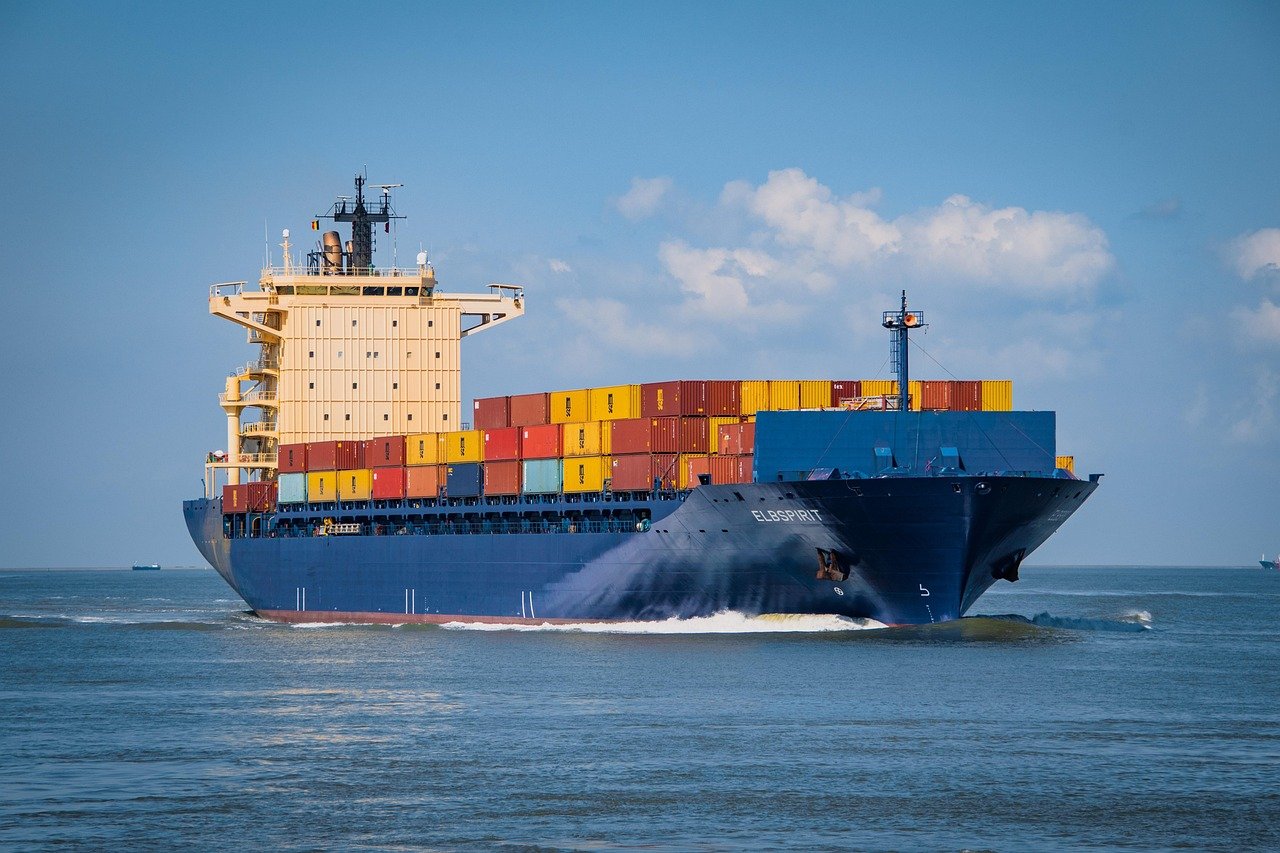
Container ships have grown almost continuously since the box itself standardized global trade in the 1960s, but the pace of that growth over the last decade has been striking even by the industry's own history. The largest vessels now in commercial service carry roughly 24,000 TEU, more than double the capacity of a standard Panamax ship that once defined the upper limit of container shipping capacity worldwide. These ultra-large container vessels, often shortened to ULCVs, are no longer rare showcase ships built for a single headline route — they are becoming a standard order size for carriers competing on the busiest Asia-Europe and Asia-North America lanes, and that shift has consequences for transportation logistics that go well beyond the vessels themselves.
From the First Container Ship to Today's Giants
Container shipping's scale problem is really just the latest chapter in a growth story that started with a single converted tanker. When Malcom McLean's Ideal X made its first voyage from Newark to Houston in 1956, it carried 58 containers — a number that today's largest ULCVs exceed by a factor of more than 400. Through the 1980s and 1990s, Panamax ships sized to fit the original Panama Canal locks set the practical ceiling for container shipping capacity on most routes. That ceiling broke decisively once carriers began ordering Post-Panamax and eventually Neopanamax vessels sized for the canal's 2016 expansion, and it has kept breaking ever since as shipyards deliver ever-larger newbuilds for the busiest East-West trade lanes. The UNCTAD Review of Maritime Transport, published annually, has tracked this trajectory in detail and consistently shows containership size and overall global container shipping capacity climbing even through years when freight demand growth has been far more modest, underscoring that vessel size decisions are driven as much by carrier cost competition as by any straightforward read of underlying trade volume.
Why Carriers Keep Ordering Larger Vessels
The economic logic behind mega-ships is straightforward even if the numbers involved are enormous: the fuel, crew and port cost of moving a single container falls as vessel size increases, because most of a ship's operating cost doesn't scale in direct proportion to its capacity. A vessel carrying 24,000 TEU doesn't need twelve times the crew of a 2,000 TEU feeder ship, and its fuel consumption per box carried is generally lower than that of a smaller vessel making the same voyage. On the highest-volume trade lanes, this unit-cost advantage has been enough to keep driving orders toward ever-larger ships even during periods when overall container shipping capacity already looks oversupplied relative to cargo demand. It's also worth remembering that ship orders are placed years before delivery — a vessel ordered today typically won't enter service for two to three years, so today's orderbook reflects carrier expectations set well in advance of whatever the market actually looks like once the ship is finally launched.
The Physical Limits: Draft, Crane Reach and Channel Width
Bigger ships only make economic sense if ports can actually handle them, and that is where the constraint becomes genuinely physical rather than commercial. A fully laden ULCV can require channel and berth depths of 17 meters or more, well beyond what many established ports were originally dredged for. Quay cranes need enough outreach to span 24 or more container rows across a vessel's deck, a requirement that has forced ports investing in mega-ship capability to replace older cranes rather than simply add more of the same size. Canal transits add another layer of constraint: draft and width restrictions at chokepoints like the Suez and Panama canals directly cap how large a vessel can be while still using those shortcuts, which is part of why some of the newest, largest ships are effectively locked into specific trade lanes rather than being redeployable across the whole global network the way a mid-sized vessel can be.
Vessel Classes and What They Require
| Vessel Class | Approx. Capacity | Port Requirements |
|---|---|---|
| Panamax (legacy) | ~5,000 TEU | Widely compatible, minimal special infrastructure |
| Neopanamax | ~14,000-15,000 TEU | Fits expanded Panama Canal locks; moderate crane outreach |
| ULCV | 18,000-24,000+ TEU | 17m+ draft, extreme crane outreach, deep-water berths only |
Which Ports Can Actually Handle the Largest Ships Today
Only a relatively short list of the world's gateway hubs can currently accept the largest ULCVs on a fully laden, direct-call basis, among them Shanghai's Yangshan port, Ningbo-Zhoushan, Singapore, Busan, and a handful of northern European ports including Rotterdam and Antwerp. This concentration matters for the wider container shipping capacity picture: as our news coverage of the global containership orderbook nearing 40% of the existing fleet lays out, a huge amount of new capacity is entering the water at a scale that only a limited number of ports can physically absorb on direct calls, concentrating the mega-ship traffic even further at the top handful of hubs rather than spreading it evenly across the world's ports. It's a pattern worth watching closely over the next few years, since every additional ULCV delivered without a matching expansion in deep-water berth capacity tightens that bottleneck a little further.
Ports Are Racing to Keep Up With Ship Size
Faced with the choice of losing mainline calls altogether or investing heavily to stay in the direct-call tier, ports around the world have committed billions of dollars to dredging deeper channels, replacing quay cranes with longer-reach models, and reinforcing berths to handle heavier ship loads concentrated over a longer quay face. These are not quick projects — dredging a channel to a new depth can take years of environmental review and construction, and a port that falls behind the size curve risks losing direct mainline service to a rival gateway that modernizes faster. This dynamic has turned port infrastructure investment into a competitive race among the world's leading container hubs, one where falling even one vessel class behind on capability can mean the difference between anchoring a region's transportation logistics network and slipping into feeder-only status relative to a faster-modernizing neighbor.
The Cascade Effect on Smaller Ports and Feeder Networks
- Hub-and-spoke routing intensifies — as more cargo moves on vessels that can only call at a handful of deep-water hubs, smaller and mid-sized ports increasingly rely on feeder vessels to connect their cargo to a mega-ship at a transshipment hub rather than receiving mainline calls directly.
- Transshipment adds a handling step — every feeder connection means an extra load and discharge cycle, adding both time and cost to cargo that would once have moved on a single direct-call vessel.
- Hub congestion risk rises — concentrating more of global container shipping capacity through fewer hub ports raises the stakes when any one of those hubs experiences delays, since there are fewer alternative direct-call gateways to absorb diverted volume.
- Carrier alliance structures adapt around ship size — how mega-ships are deployed across specific strings is closely tied to the broader alliance realignment covered in our piece on 2026's carrier realignment into Gemini, Premier and Ocean Alliance, since alliance partners typically coordinate which hub ports their largest vessels call at.
What This Means for Shippers Choosing Gateway Ports
For a business planning transportation logistics around ocean freight, the practical implication of mega-ship growth is that gateway choice now carries more weight than it once did. Routing cargo through one of the handful of ports capable of receiving the largest vessels directly can mean access to more frequent mainline sailings and potentially more competitive rates on the busiest lanes, but it can also mean exposure to more severe congestion when something goes wrong at that hub, since so much volume is funneled through so few gateways. Routing through a smaller port via feeder connection trades some of that congestion risk for a longer, more complex routing with an extra transshipment leg. Our review of past container shortages and freight rate volatility shows how quickly capacity swings at the top of the market can ripple down into rate volatility at every level of the network, which is exactly why gateway and routing decisions deserve real scrutiny rather than defaulting to whichever port a shipper has always used. None of this is a reason to avoid ocean freight — it's simply a reminder that the mechanics of modern transportation logistics increasingly run through a smaller set of infrastructure chokepoints than the sheer size of the global fleet might suggest.
How RR Brothers and Logistics Can Help
RR Brothers and Logistics books ocean freight across multiple carriers and gateway ports, which means clients aren't limited to a single hub's congestion profile or a single alliance's mega-ship deployment pattern. Where a direct call through a major deep-water hub makes sense, we route accordingly; where a feeder connection through a smaller, less congested port offers better overall transit reliability for a specific shipment, our sea freight and multimodal teams can build that into the plan instead. As container shipping capacity keeps concentrating around an ever-smaller number of ports capable of handling the largest vessels, having a forwarder that actively compares routing options — rather than booking the same lane by default — is an increasingly practical way to manage transportation logistics risk on ocean freight moving through or from China.
Frequently Asked Questions
The largest container ships in service now carry roughly 24,000 TEU (twenty-foot equivalent units), a class of vessel often referred to as an ultra-large container vessel, or ULCV. This is more than double the capacity of a standard Panamax ship from two decades ago.
Larger vessels lower the fuel, crew and port cost per container carried, giving carriers a real unit-cost advantage on high-volume lanes even during periods of soft demand. Ordering decisions are also made years in advance of delivery, so today's orders reflect expectations set well before current overcapacity concerns became apparent.
No. Handling the largest container ships requires deep channels and berths, quay cranes with enough outreach to span 24 or more container rows, and enough yard capacity to process a much larger single-call volume, which limits fully capable calls to a relatively short list of the world's largest gateway hubs.
Cargo bound for or moving through smaller ports increasingly travels via feeder vessels connecting to a mega-ship at a major transshipment hub rather than a direct call, which can add transit time and an extra handling step compared with routing through one of the hub ports capable of receiving the largest vessels directly.