What Slotting Means, and Why It's Easy to Get Wrong
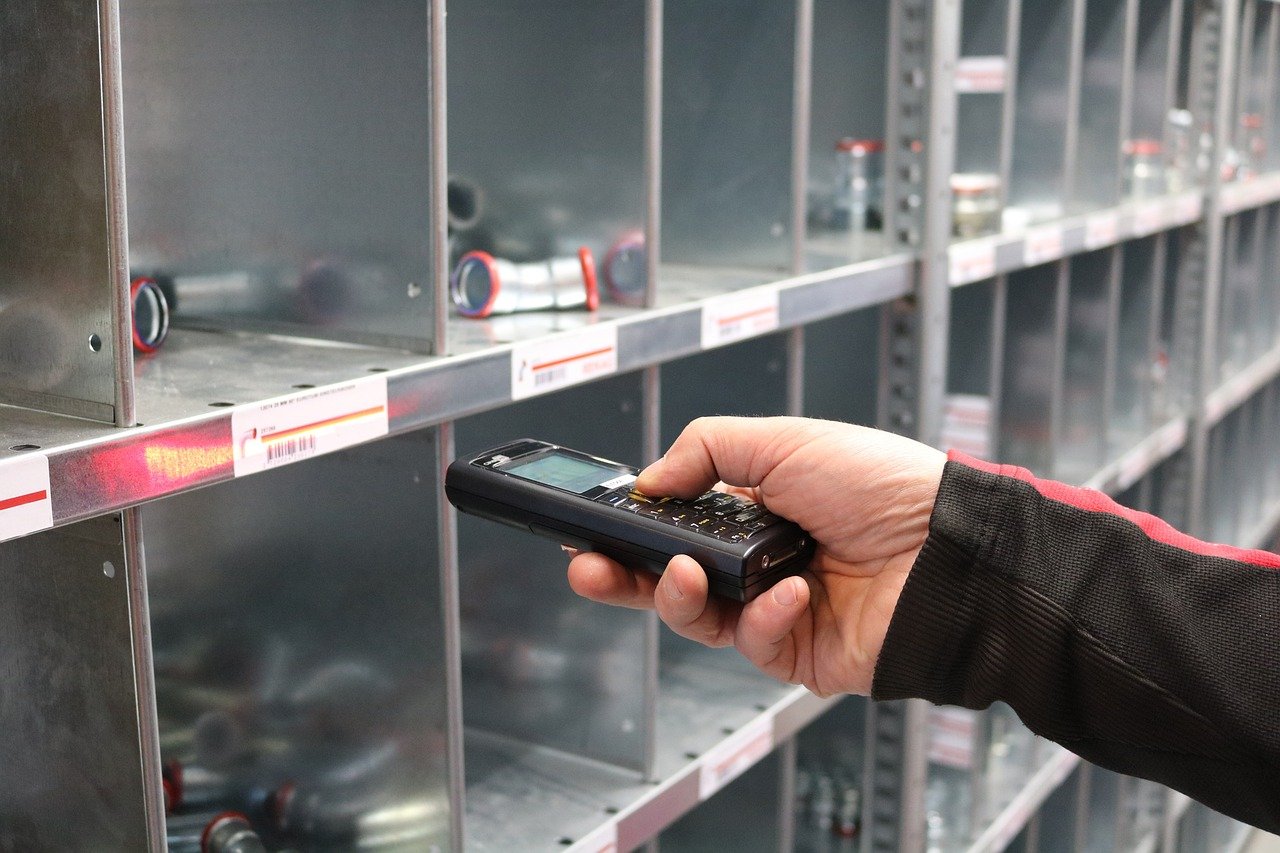
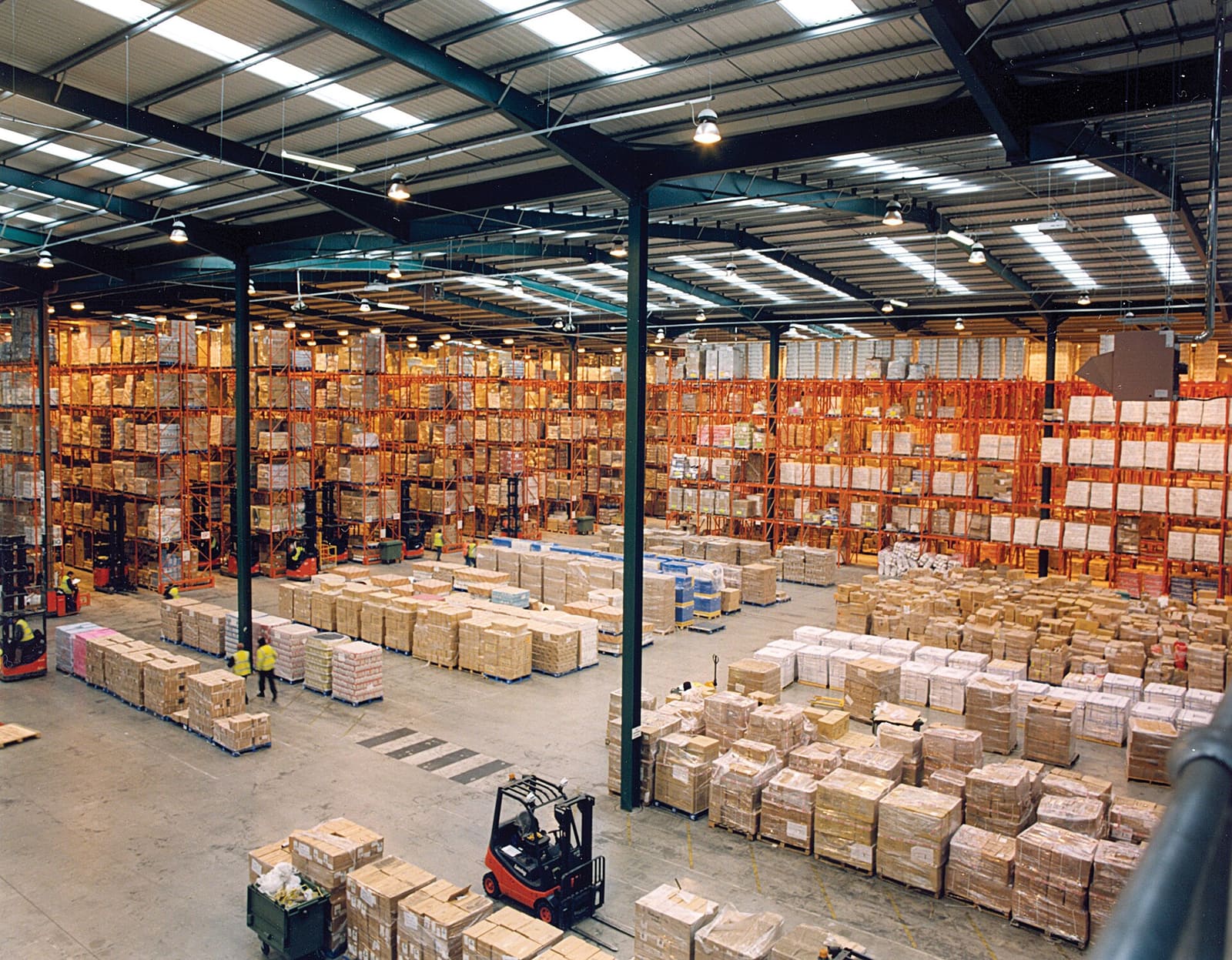
Slotting is one of those warehouse fundamentals that rarely gets discussed outside operations teams, yet it quietly determines how efficiently a distribution center runs. In simple terms, slotting is the practice of assigning each SKU — each distinct product line — to a specific storage or picking location within a warehouse, based on factors like its size, weight, how often it's ordered, and what it's typically ordered alongside. A well-slotted warehouse puts fast-moving items within easy reach of packing stations and keeps slow movers further away, minimizing the total distance a picker has to travel across a shift. A poorly slotted one does the opposite — sending pickers on long walks for popular items while prime, easy-to-reach locations sit occupied by SKUs nobody orders — and that inefficiency compounds across thousands of picks a day in any transportation logistics operation running real volume.
The Problem With a Static Layout
Most warehouses that slot at all do it as a periodic, manual exercise: someone pulls historical pick data, reorganizes the layout based on what moved fastest over the last quarter or season, and then leaves that layout in place until the next review cycle — often many months later. The trouble is that demand doesn't hold still for months at a time. A SKU that was a top mover last quarter can fall off a cliff after a promotion ends; a new product launch can become the warehouse's single busiest pick location within weeks of its release; and genuine seasonality means an item's popularity can shift dramatically between one month and the next. A static layout set once and left alone inevitably drifts out of alignment with actual demand, and by the time the next manual review happens, the warehouse has already absorbed weeks or months of avoidable picker travel and congestion around the wrong locations.
What Predictive Slotting Actually Does
Predictive slotting closes that gap by using forecasted demand — not just historical pick data — to continuously or automatically recommend and apply location changes before demand shifts rather than after. Instead of waiting for a quarterly review, a predictive slotting engine built into a warehouse management system ingests incoming order data, demand forecasts, promotional calendars and seasonal trend signals, and uses that information to flag SKUs that should move to a more accessible location, or ones that should be deprioritized to make room. The distinguishing word is "predictive" — it's forward-looking by design, anticipating that a SKU's demand is about to change based on a forecast or a known upcoming promotion, rather than only reacting to pick data that's already a month or two stale by the time anyone looks at it.
The Inputs a Predictive Slotting Engine Actually Needs
- Historical pick and order velocity — the baseline signal of how frequently each SKU has actually been picked, which still matters even in a forward-looking model since recent history is often the best starting predictor of near-term demand.
- Forward-looking demand forecasts — sales forecasts, promotional calendars and known upcoming launches that tell the system a SKU's velocity is about to change before the pick data reflects it.
- SKU physical characteristics — size, weight and handling requirements that constrain which storage locations a given item can physically occupy regardless of how popular it is.
- Affinity and co-order patterns — which SKUs tend to be ordered together, since placing frequently co-ordered items near each other reduces the number of separate stops a picker has to make per order.
Static Slotting vs. Predictive Slotting, Side by Side
| Factor | Static, Manual Slotting | Predictive Slotting |
|---|---|---|
| Review frequency | Periodic — monthly, quarterly, or ad hoc | Continuous or system-triggered |
| Basis for placement | Past pick history only | Past history plus forecasted demand |
| Response to promotions/seasonality | Lagging — reacts after the fact | Anticipatory — adjusts ahead of the spike |
| Labor required to maintain | Significant manual analysis each cycle | Largely automated, with human review of recommendations |
How This Pairs With Warehouse Layout Planning More Broadly
Predictive slotting doesn't operate in a vacuum — it works best as one layer within a broader approach to warehouse layout optimization. Where a digital twin of a warehouse or supply chain lets an operations team simulate and test layout changes before committing to them physically, predictive slotting is the engine that keeps a live layout continuously tuned once it's in production, flagging and often auto-triggering individual SKU moves day to day rather than modeling a one-time layout redesign. The two are complementary: a digital twin is well suited to evaluating a major shift, like adding a new pick zone or reconfiguring aisle widths, while predictive slotting handles the constant, smaller-scale churn of which specific SKU sits in which specific bin as demand shifts week to week. Technologies like RFID-tagged pallets and smart inventory tracking also feed directly into a predictive slotting system, since accurate, real-time inventory location data is a prerequisite for any system trying to recommend moves with confidence.
The Real-World Payoff: Picker Travel and Order Cycle Time
The practical benefit of predictive slotting shows up most clearly in two metrics: picker travel distance and order cycle time. Industry analyses of warehouse labor consistently point to travel time — simply walking between pick locations — as one of the largest single components of total picking labor, often larger than the time spent actually handling product. Shrinking that travel distance by keeping fast movers consistently close to packing and shipping areas, even as which SKUs count as "fast movers" changes over time, compounds into meaningful daily labor savings at scale. It also improves order cycle time, since orders containing in-demand SKUs get picked faster when those SKUs sit in optimal locations rather than wherever they happened to land during the last manual slotting review. For a transportation logistics operation under pressure to ship same-day or next-day, that cycle time improvement at the warehouse stage can be the difference between meeting a cutoff and missing it.
Implementation Realities Worth Knowing Upfront
Predictive slotting is not a "set it and forget it" system, and warehouses adopting it for the first time generally need to budget for a period of tuning. Forecast accuracy varies by SKU and category, and a slotting engine making recommendations off a poor forecast can trigger unnecessary moves that cost more in labor than they save — which is why most implementations start with the system generating recommendations for human approval rather than fully automating every move from day one. Physical constraints matter too: a predictive engine can suggest an ideal location for a SKU, but if that location can't actually accommodate the item's size or weight, the recommendation is moot, so good master data on SKU dimensions is a prerequisite rather than a nice-to-have. None of this undermines the case for predictive slotting, but it's a reason to treat the rollout as a gradual, measured process rather than a single switch-flip.
There's also a change-management cost that's easy to underestimate on paper. Every slotting move the system recommends is, in practice, a physical task — a warehouse associate has to relocate stock, update location labels, and confirm the system's record matches reality, and a slotting engine that recommends too many moves too frequently can generate more re-shelving labor than the picking efficiency it saves. The Material Handling Institute, a leading US industry association for warehouse and material handling equipment, has long highlighted labor availability and efficiency as persistent pressure points for distribution operations, which is exactly the pressure predictive slotting is aimed at relieving — but only if the frequency and batching of recommended moves is tuned sensibly rather than left to trigger changes constantly. Most mature implementations settle into a rhythm of batched move recommendations reviewed once or twice a week rather than continuous real-time churn, balancing responsiveness against the practical labor cost of constantly reshuffling a warehouse floor.
Where Predictive Slotting Fits Within a Broader Fulfillment Strategy
It's worth placing predictive slotting warehouse management in context: no amount of in-warehouse optimization can compensate for poor decisions made earlier in the supply chain, such as holding the wrong inventory mix at the wrong distribution point in the first place. Predictive slotting assumes the right SKUs are already in the building — its job is to decide where within that building they sit, not whether they should have been stocked there at all. That's why the most effective implementations pair a predictive slotting warehouse system with accurate upstream demand planning and inbound freight scheduling, so that the inventory arriving at a distribution center already roughly matches what the forecast expects it to need to serve, rather than forcing the slotting engine to compensate for a mismatch between what was ordered and what's actually selling. For a transportation logistics network spanning multiple warehouses or regions, that alignment between inbound planning and in-warehouse slotting is often a bigger lever on total fulfillment cost than either piece optimized in isolation.
How RR Brothers and Logistics Can Help
Through our warehousing and distribution services, RR Brothers and Logistics manages storage and fulfillment for clients moving goods through China and across our served markets, and keeping warehouse layouts aligned with actual demand patterns is a core part of running that operation efficiently. Whether a client needs bonded storage, cross-docking, or a distribution setup tuned to fast-changing seasonal demand, our team applies the same underlying principle predictive slotting is built on — placing inventory where it minimizes handling time and keeps orders moving — as part of the broader transportation logistics service we provide from origin to final delivery.
Frequently Asked Questions
Slotting is the practice of assigning each SKU to a specific storage or picking location within a warehouse, based on factors like size, weight, pick frequency and how it's typically ordered alongside other items, with the goal of minimizing picker travel time and handling effort.
Traditional slotting is typically a manual, periodic exercise based on historical pick data and set once until someone decides to redo it, while predictive slotting uses forecasted demand — including seasonality, promotions and trend signals — to continuously or automatically re-optimize SKU placement before demand actually shifts, rather than reacting after a layout has already become inefficient.
It typically combines historical order and pick data, current inventory levels, SKU physical characteristics, and forward-looking demand forecasts or promotional calendars, feeding all of it into a warehouse management system's slotting engine to recommend or automatically trigger location changes.
It delivers the largest absolute labor savings in large, high-SKU-count operations, but the underlying logic scales down reasonably well to smaller warehouses too, especially ones with pronounced seasonal or promotional demand swings where a static layout would otherwise go stale quickly.