The Question Every Shipper Eventually Asks
Sooner or later, almost every importer we work with asks some version of the same question: should this shipment go by sea or by air? It's one of the most consequential decisions in a shipment's planning, because it drives cost, delivery date, and even how much safety stock a buyer needs to hold. At RR Brothers and Logistics we quote both modes daily out of our Guangzhou base into India, Turkey, Kenya, Nigeria and beyond, and the sea freight vs air freight question comes up on nearly every new client call. This FAQ hub groups the questions we hear most often — cost, speed, cargo suitability, and hybrid strategies — so you can work out the right mode for your specific shipment rather than defaulting to whichever one you used last time.
Cost: Why the Gap Is Bigger Than Most Shippers Expect
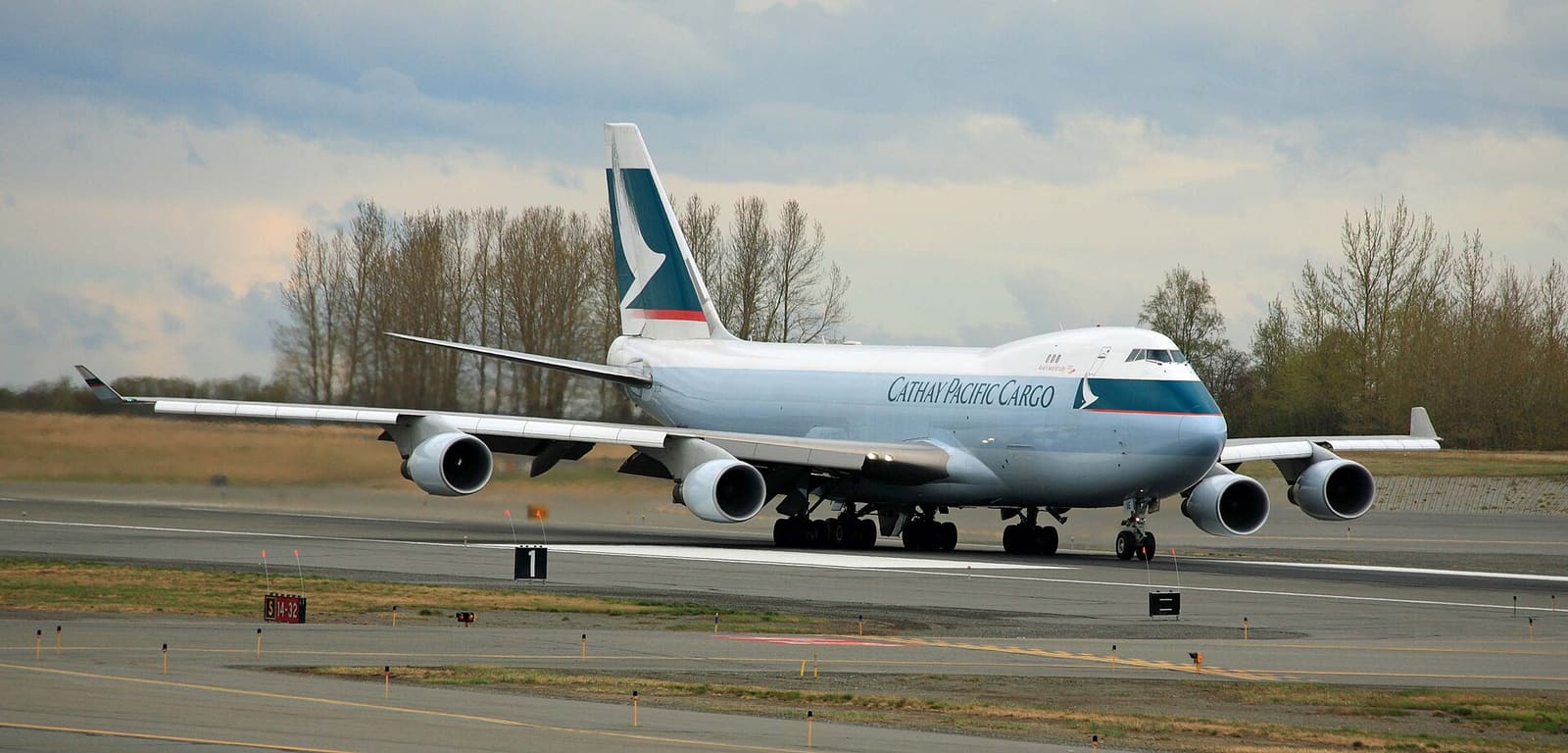
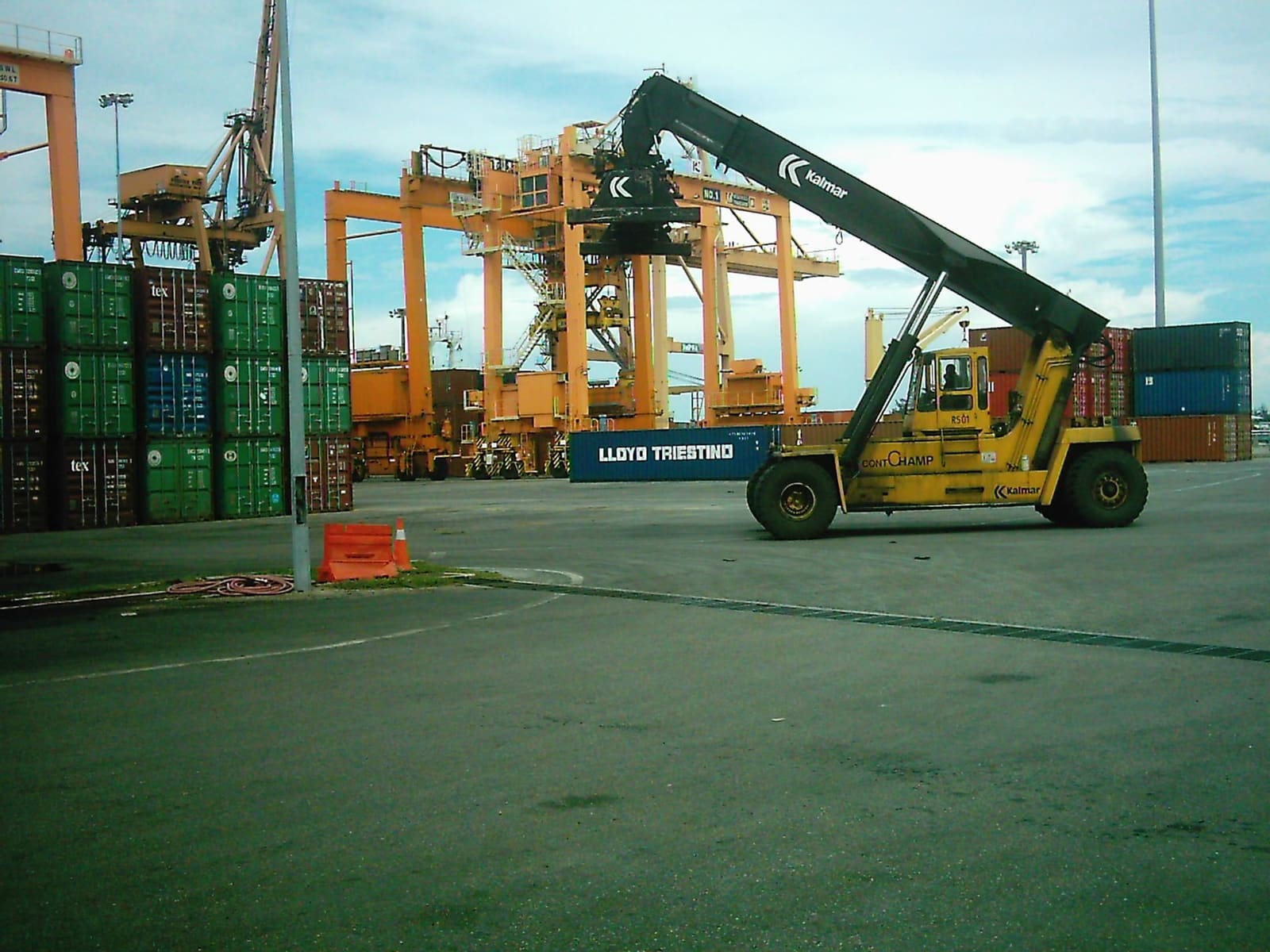
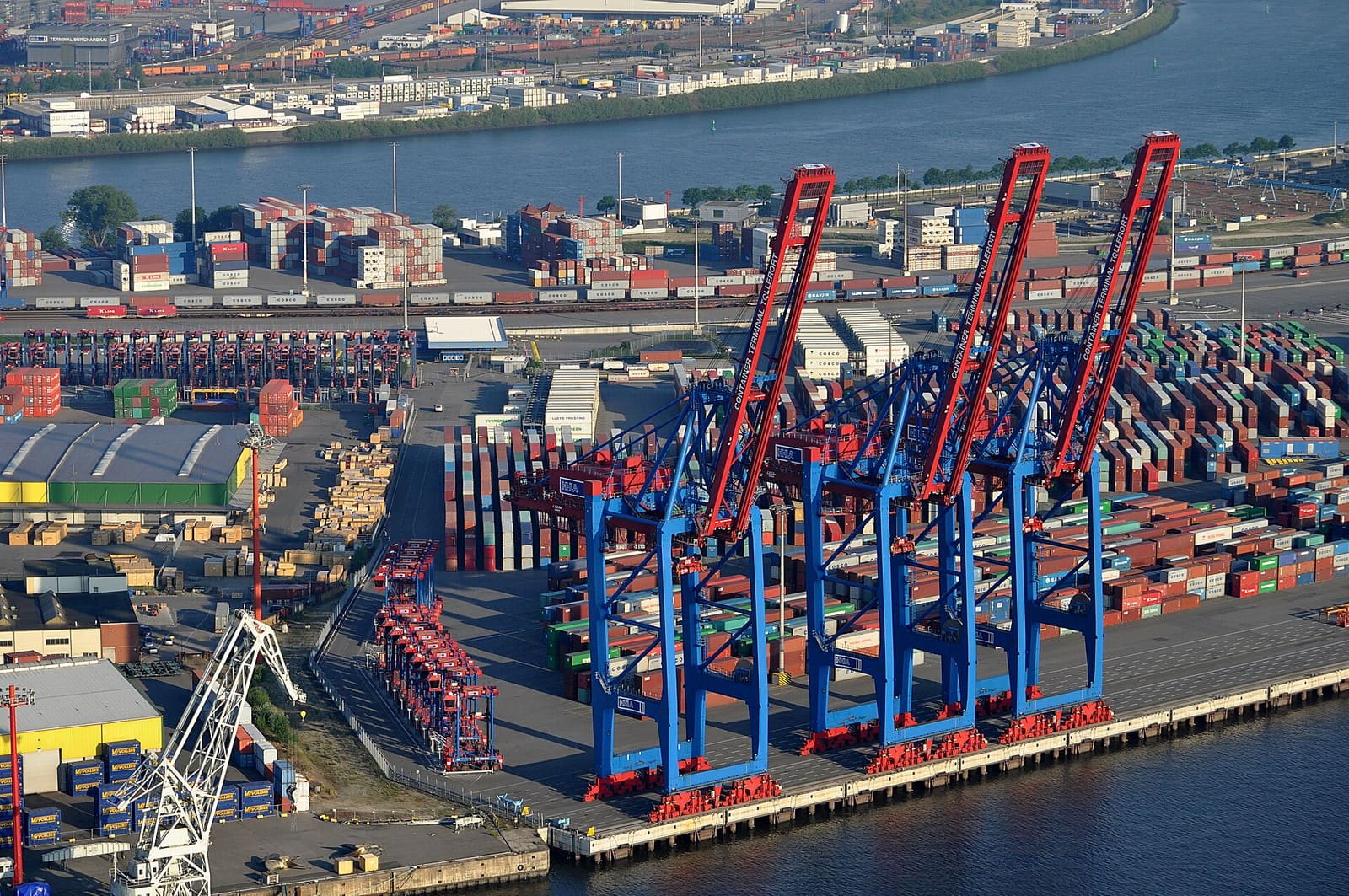
Air freight is priced by chargeable weight — the greater of actual weight or volumetric weight — and that pricing model, combined with the fundamentally higher operating cost of moving cargo by aircraft, means air freight typically costs several times more per kilogram than sea freight on the same lane. Sea freight, particularly FCL for full container loads, offers by far the lowest cost per unit for bulky or heavy cargo, which is exactly why it remains the default choice for the overwhelming majority of global trade volume. The gap narrows somewhat for very light, low-density cargo — where air's speed advantage can offset a chargeable-weight penalty that isn't as punishing as it would be for something dense and heavy — but for standard commercial goods, sea freight almost always wins on landed cost. It's part of why trade volume data compiled by bodies like UNCTAD consistently shows the vast majority of global trade, by weight and volume, still moving by sea despite air freight's growing share of high-value goods. Our detailed comparison, Air Freight vs. Sea Freight From China: Which Should You Choose?, breaks down the cost mechanics further with worked examples specific to China-origin cargo.
Speed: How Big Is the Time Difference, Really
The transit-time gap between the two modes is dramatic. Air freight typically moves cargo between major hubs in a matter of days, while sea freight on the same origin-destination pair can take several weeks depending on the route, port congestion, and whether transshipment is involved. That said, "air freight is fast" doesn't mean instant — cargo still has to clear origin export customs, be trucked to the airport, wait for available capacity on a scheduled flight, and clear destination customs before final delivery, so door-to-door air transit is longer than the flight time alone suggests. Sea freight's longer transit also comes with more variability: port congestion, vessel schedule changes, and seasonal demand spikes can all add days or weeks beyond a carrier's originally quoted transit time, which is a genuine planning risk worth building into any sea freight timeline.
Which Cargo Types Suit Which Mode
Cargo characteristics matter as much as budget when choosing a mode. High-value, low-weight goods — electronics components, pharmaceuticals, fashion samples, urgent spare parts — are natural candidates for air freight because the cost premium is small relative to the value being protected, and the speed reduces the working-capital cost of goods sitting in transit. Bulky, heavy, or low-value-per-kilogram goods — furniture, raw materials, most consumer goods at scale — are far better suited to sea freight, where the cost-per-unit advantage is overwhelming and the extended transit time is manageable with reasonable inventory planning. Perishable or temperature-sensitive cargo sits in a middle category: some categories justify air freight's speed to preserve shelf life, while others move successfully by sea using reefer containers when the extra weeks of transit are compatible with the product's shelf life. Fragile or oddly-shaped goods also deserve a second look before defaulting to either mode — some items handle repeated transfers between truck, aircraft and warehouse worse than a single, more stable ocean voyage, while others are genuinely safer in the air where handling touchpoints are fewer even if the individual handling steps are more time-pressured.
Dangerous goods and restricted cargo add another layer of mode-specific rules worth checking early. Air carriers apply stricter classification and packaging requirements for hazardous materials than most ocean carriers, and some substances that ship without issue by sea are simply not accepted on passenger or even dedicated freighter aircraft at all. A shipper unsure whether their cargo falls into a restricted category should confirm with their forwarder before assuming either mode is available by default.
Insurance is worth factoring into the comparison too, since it's easy to focus purely on freight cost and overlook it. Cargo insurance premiums are generally calculated as a small percentage of declared value regardless of mode, but the shorter transit time and generally fewer handling touchpoints in air freight can translate into a marginally lower claims history for some cargo types, which occasionally shows up in slightly more favourable premiums. It's a secondary factor rather than a deciding one, but worth asking about when comparing total landed cost between the two options.
Realistic Comparison Snapshot
| Factor | Sea Freight | Air Freight |
|---|---|---|
| Cost per kg | Low | High |
| Typical transit time | 2–6 weeks | 2–7 days |
| Best for | Bulky, heavy, or standard-value cargo | High-value, light, or time-critical cargo |
| Schedule variability | Moderate to high (congestion, weather) | Generally lower, but capacity-constrained in peak periods |
How Peak Season and Capacity Constraints Change the Calculation
The sea-versus-air comparison isn't static throughout the year. During peak shipping season — typically the months leading into major holiday retail periods — ocean freight rates can rise sharply and vessel space can become genuinely difficult to secure at short notice, which narrows the cost gap with air freight and sometimes makes air the more reliable option even for cargo that wouldn't normally justify it. Air cargo capacity tightens during the same periods, particularly on lanes that rely partly on belly space in passenger aircraft, so booking early matters for both modes when demand is high. Shippers who wait until the last moment to decide between sea and air during a capacity crunch typically end up with fewer options and higher rates on whichever mode they choose. Our related guide on peak season shipping delays from China covers how to plan bookings around these seasonal swings rather than reacting to them after rates have already moved. Currency movements and fuel surcharges also shift the relative economics of each mode from quarter to quarter, which is another reason a "sea is always cheaper" rule of thumb, while directionally true, shouldn't be treated as fixed when planning a specific shipment months in advance.
Can You Combine Both Modes in One Shipment?
Yes — and it's a strategy more shippers should consider than currently do. A common hybrid approach is splitting an order: shipping the bulk of the volume by sea to keep landed cost low, while air-freighting a smaller portion to cover immediate demand while the sea shipment is still in transit. This is particularly useful for a new product launch, a restock ahead of peak season, or any situation where an out-of-stock risk carries a real cost in lost sales. Sea-air combination routing — trucking or flying cargo partway, then transferring to a sea leg, or vice versa — is a more specialised option that can sometimes beat a pure air freight cost while still landing meaningfully faster than an all-sea routing, though it requires careful coordination and isn't available or cost-effective on every lane. A forwarder managing both modes under one booking, rather than two separate providers, is generally the difference between a hybrid strategy that works smoothly and one that creates coordination gaps. For broader shipping-mode context, the International Maritime Organization and its published guidance on containerised trade offer useful independent background on how ocean freight fits into global supply chains.
There's no universally correct answer to sea versus air — the right choice depends on your cargo's value density, how urgently it's needed, and how much cost premium the situation justifies. As a freight forwarder and NVOCC quoting both modes daily across China, India, Turkey, Kenya and Nigeria, RR Brothers and Logistics can model both options side by side for a specific shipment, including hybrid strategies, so the decision is based on real numbers rather than habit.
Frequently Asked Questions
Air freight tends to make financial sense for high-value, low-weight cargo where the speed reduces working-capital cost, for urgent restocks, or when the cost of a stockout would exceed the freight premium. For bulky or heavy standard-value goods, sea freight remains cheaper per unit.
Air freight typically moves cargo in days rather than weeks, while sea freight transit commonly runs two to six weeks depending on the route. Door-to-door timelines for both include additional time for trucking and customs clearance at each end.
Yes. A common approach splits an order — most volume by sea to control cost, a smaller portion by air to cover immediate demand — and sea-air combination routings exist on some lanes as a middle-ground option between full sea and full air cost and speed.
Yes — a change in demand forecast, a supplier delay, or a sea freight schedule disruption can all shift the economics enough to justify switching part or all of a shipment to the other mode. This is exactly the kind of decision worth discussing with your forwarder before cargo is booked, not after.