A Business Model Built Entirely on Hitting the Same Date, Every Month
Subscription boxes are, at their core, a logistics promise disguised as a product: beauty samples, snacks, hobby kits, coffee, books — the category varies enormously, but every subscription business is making the same underlying commitment, which is that a curated box will reliably arrive on roughly the same date each cycle. Subscription box logistics is unforgiving of the delays that a one-off e-commerce order might tolerate, because a late box doesn't just annoy one customer on one order — it erodes trust in a recurring relationship the entire business depends on. Get recurring shipment logistics right and a subscription brand builds a low-churn, predictable revenue base; get it wrong repeatedly and even a beloved product concept will bleed subscribers.
RR Brothers and Logistics works with subscription-model sellers who source products, components or packaging from our home base in Guangzhou, China, as well as with brands assembling boxes domestically from imported inputs. The recurring, calendar-driven nature of this business — a fixed ship date every single cycle, with no flexibility to simply push a launch back a week — makes subscription fulfillment logistics genuinely different from standard e-commerce shipping, where a delayed order is unwelcome but rarely catastrophic to the underlying business model.
Why Subscription Logistics Is Harder Than It Looks
The core difficulty is that a subscription box compresses several logistics-heavy steps into a fixed, recurring window: sourcing and receiving that cycle's products (often from multiple suppliers, sometimes including imported items), kitting — assembling the individual components into the finished box — and then shipping the entire subscriber base within days of each other so the "reveal" feels simultaneous rather than staggered. Any delay at the sourcing stage compresses the kitting and shipping window that follows, and because the ship date is fixed by subscriber expectation rather than by operational readiness, a subscription brand has far less room to simply slip the timeline the way a standard retailer might.
This is where inbound freight planning becomes inseparable from outbound fulfillment. A box theme that depends on a product arriving from a Chinese manufacturer needs that inbound shipment locked in weeks before the kitting date, with realistic buffer for customs clearance and any delay in transit — treating international freight timelines as fixed rather than aspirational is the single biggest lesson subscription brands learn, usually the hard way, in their first year. Our guide on scaling D2C brand fulfillment covers a closely related version of this same challenge — matching inbound freight to an outbound commitment date — even though D2C brands don't face the same rigid, calendar-fixed cadence that subscription boxes do.
Fulfillment Models for Monthly Subscription Cycles
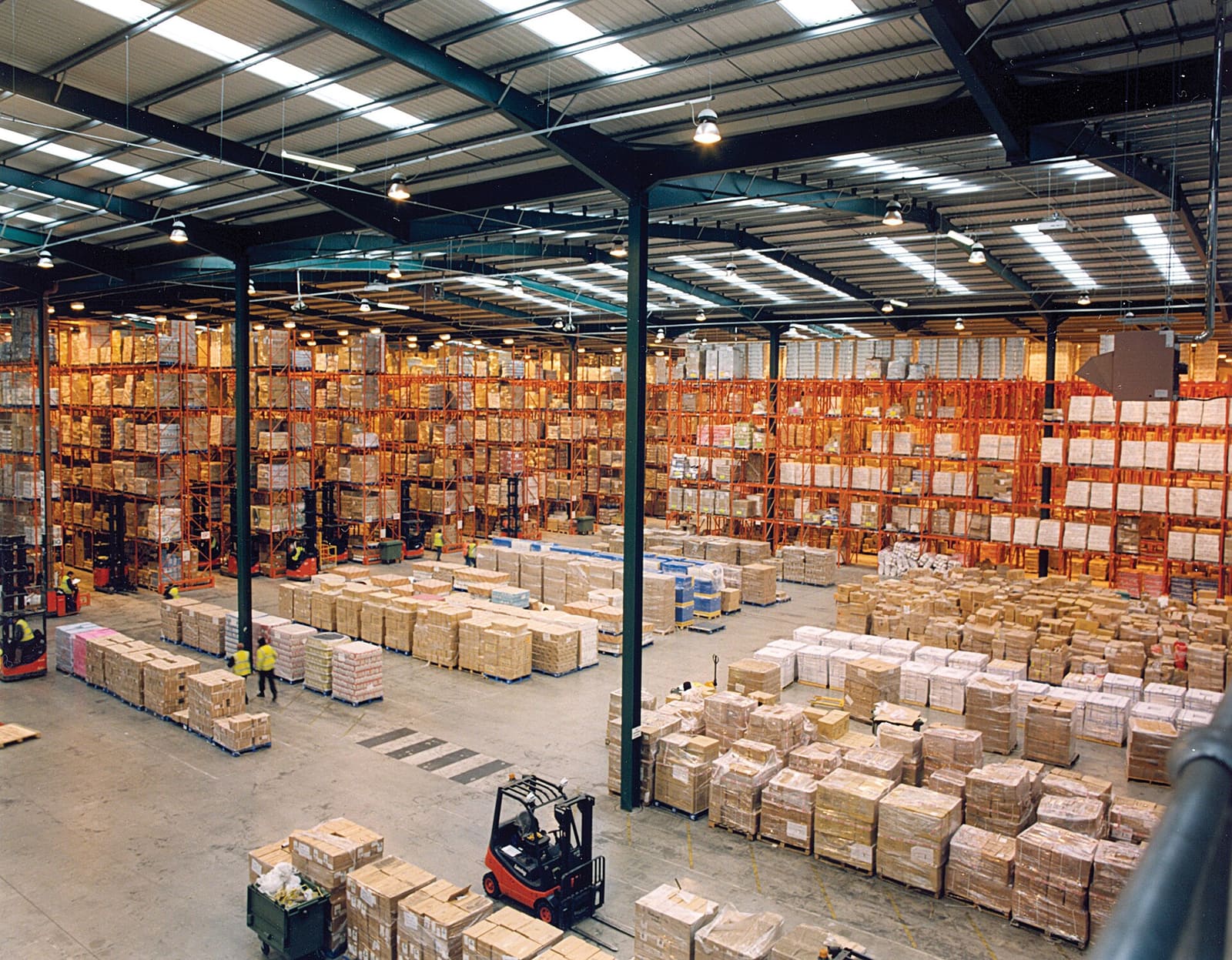
Most subscription brands choose between three broad fulfillment approaches as they grow. In-house kitting, where the brand assembles boxes itself, offers the most creative control over presentation and unboxing experience, but requires enough warehouse space and seasonal labor to handle the entire subscriber base's volume in a short kitting window each cycle — a peak-and-trough labor pattern that's expensive to staff for internally. Outsourced kitting to a specialized fulfillment partner shifts that seasonal labor burden onto a provider built for exactly this workflow, at the cost of some flexibility on last-minute box changes. A hybrid model — in-house kitting for premium or limited-run boxes, outsourced for the core recurring subscription — lets growing brands protect their signature unboxing experience on flagship products while keeping the bulk of predictable, repeatable volume off their own floor space.
| Fulfillment Model | Best Fit | Main Trade-Off |
|---|---|---|
| In-house kitting | Small subscriber base, premium unboxing | Seasonal labor cost and space |
| Outsourced 3PL kitting | Growing, high-volume subscriber base | Less last-minute flexibility |
| Hybrid | Brands with both flagship and core boxes | More complex coordination |
Sourcing and Consolidating Inbound Components
Because a single box often bundles items from several different suppliers, some domestic and some imported, consolidating those inbound shipments efficiently is one of the more overlooked cost levers available to subscription brands. Rather than each supplier's shipment traveling separately, freight consolidation combines multiple suppliers' cargo into shared container space, cutting per-unit freight cost meaningfully — a technique explored in depth in our guide to freight consolidation for small e-commerce sellers, and one that applies just as directly to a subscription brand juggling several component suppliers each cycle as it does to a single-product seller. For sellers newer to importing, understanding the mechanics of shared container space is also covered from a slightly different angle in our existing guide to LCL container sharing, which explains how consolidated shipments are booked and priced.
Planning Around Seasonal Spikes and Limited-Edition Boxes
Subscription businesses face a particular version of peak-season pressure: a holiday-themed box, a collaboration drop, or a gift-subscription surge around November and December can multiply order volume well beyond the normal monthly cadence, right at the point in the calendar when freight capacity and warehouse labor are already tightest across the wider e-commerce sector. Our guide to peak season logistics planning for e-commerce brands lays out the booking and capacity lead times that apply here — for a subscription brand, the practical implication is booking inbound freight for a holiday box earlier than instinct suggests, since a delay that would merely be inconvenient in a normal cycle becomes existential when it's tied to a gift-giving deadline subscribers can't move.
Global reporting on e-commerce and cross-border retail trends, including analysis published by UNCTAD (unctad.org), consistently shows subscription and curated-box models as one of the faster-growing segments of online retail — growth that raises the stakes on getting recurring logistics right, since a larger subscriber base amplifies both the cost savings of efficient freight and the reputational cost of a missed cycle.
Shipping to International Subscribers
A subscription box that starts with a purely domestic subscriber base often finds international sign-ups arriving faster than the operation was built to handle, and cross-border subscription fulfillment introduces a layer of customs complexity that a purely domestic shipping calendar doesn't need to account for. Every recurring outbound shipment crossing a border is, in effect, its own small export transaction, subject to the destination country's duty thresholds and documentation rules — frameworks that individual customs authorities build around the standards coordinated by the World Customs Organization (wcoomd.org). A recurring box with a changing mix of contents each cycle also means the customs declaration itself changes every month, unlike a standard product shipped repeatedly with an identical description — a detail that catches out subscription brands expanding internationally for the first time. Getting country-specific labeling and declared-value documentation consistent across a growing international subscriber base is covered in more depth in our guide to packaging and labeling requirements for cross-border e-commerce, which applies directly to a subscription brand shipping the same evolving box to multiple countries every cycle.
Brands sourcing subscription box components from Chinese manufacturers and shipping the finished boxes onward to subscribers in markets like India often benefit from establishing a regional kitting and distribution point rather than shipping every finished box internationally from a single home base — a strategy that shortens the last-mile leg for a growing international subscriber base while keeping the higher-volume inbound freight from China consolidated into fewer, larger shipments.
Two Practical Takeaways for Subscription Brands
- Work backward from the ship date, not forward from sourcing. Lock the kitting date first, then reverse-engineer supplier and freight deadlines from it — including realistic customs clearance buffer for any imported component — rather than hoping sourcing finishes in time.
- Consolidate multi-supplier inbound freight wherever the cycle allows. Combining several suppliers' cargo into shared container space is one of the few cost levers unique to the multi-component nature of subscription boxes, and it compounds meaningfully over dozens of cycles a year.
RR Brothers and Logistics supports subscription box brands on the inbound side of this equation — consolidating component and product freight out of our Guangzhou base by air, sea or rail, clearing customs on schedule, and coordinating delivery timed to a kitting calendar rather than a generic delivery window. Whether you're sourcing one component or assembling a dozen SKUs into every box, our team can help build a freight schedule that never puts your ship date at risk.
Frequently Asked Questions
Subscription boxes compress sourcing, kitting and shipment of the entire subscriber base into a fixed recurring window with no flexibility to delay the ship date. This makes inbound freight timing, especially for imported components, far less forgiving than in standard e-commerce fulfillment.
Consolidating inbound freight from multiple component suppliers into shared container space is one of the most effective levers, along with negotiating outbound carrier rates based on predictable, recurring monthly volume rather than one-off shipment pricing.
In-house kitting suits smaller subscriber bases wanting maximum control over presentation; outsourced 3PL kitting suits larger, growing subscriber bases; and a hybrid model — in-house for flagship or limited boxes, outsourced for the core recurring box — works well for brands running both.
Forecast against known subscriber counts plus a realistic buffer for new sign-ups before the cycle's cutoff, and place inbound freight orders early enough to absorb normal transit and customs variability — treating each cycle's inbound deadline as fixed rather than adjustable protects the ship date.