Two Terms Used Almost Interchangeably — and Wrongly So
Walk into most trading companies and you'll hear "logistics" and "supply chain" used as if they mean the same thing. They don't, and the distinction is more than academic — it affects who in a business owns which decisions, where budget gets allocated, and which problems actually get solved when something goes wrong. A shipper who understands where logistics ends and supply chain strategy begins is in a far stronger position to know exactly what to ask for from a freight partner, and what to handle internally. The Council of Supply Chain Management Professionals, the industry body most widely cited for standard definitions in this field, draws the same boundary. At RR Brothers and Logistics we sit inside our clients' supply chains every day as their logistics execution partner, without ever pretending to be the whole picture, and that boundary is worth being precise about.
What Logistics Actually Covers
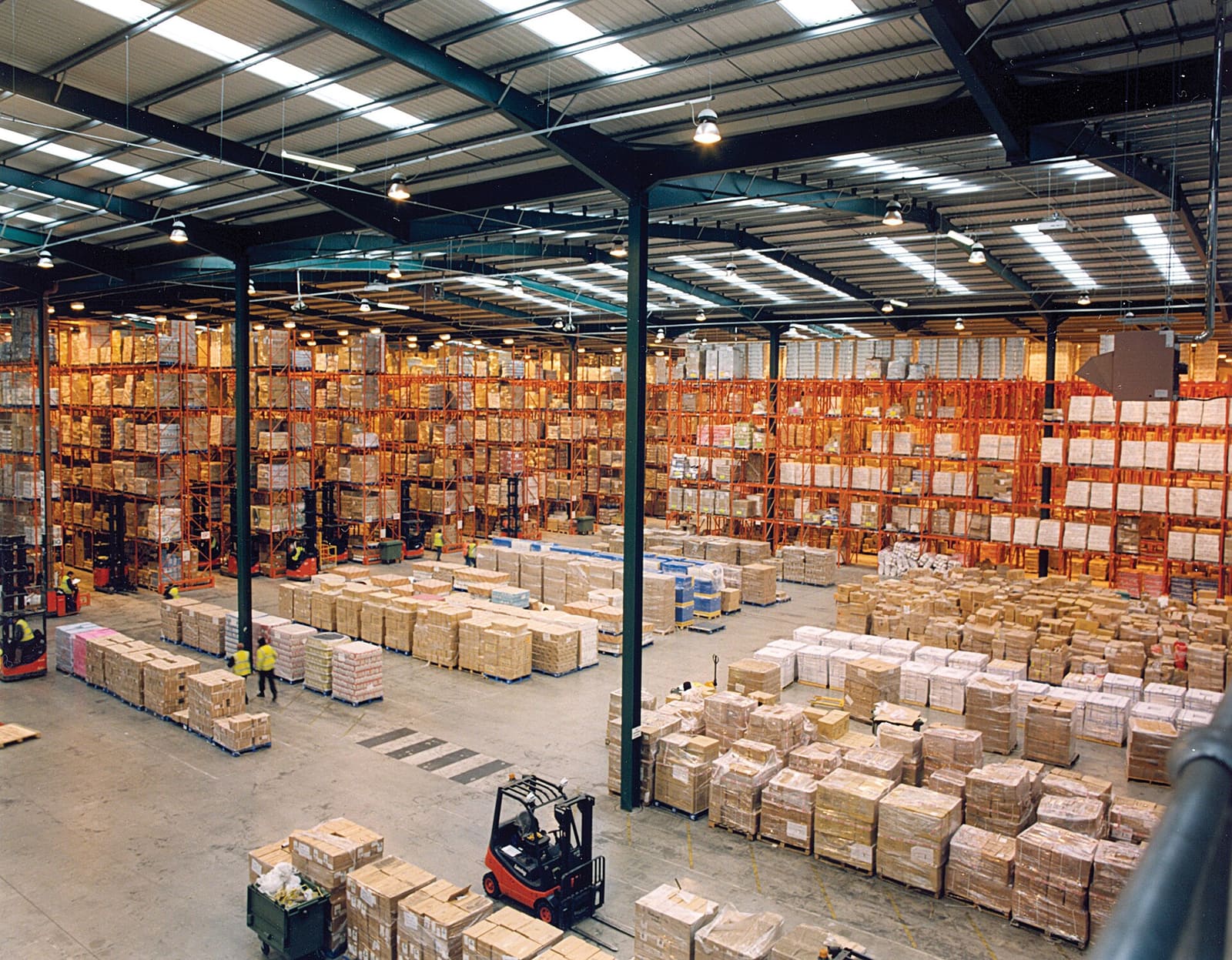
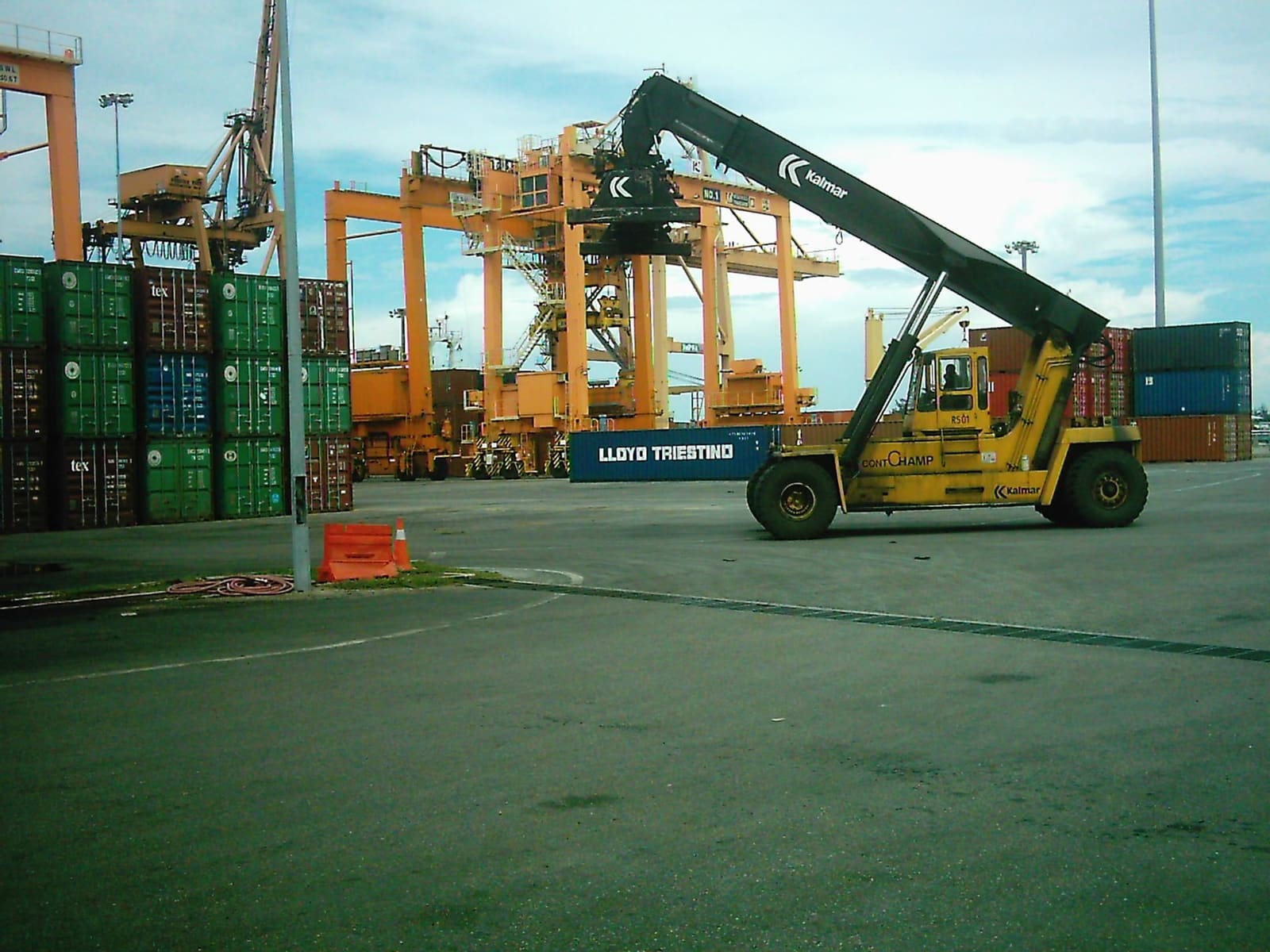
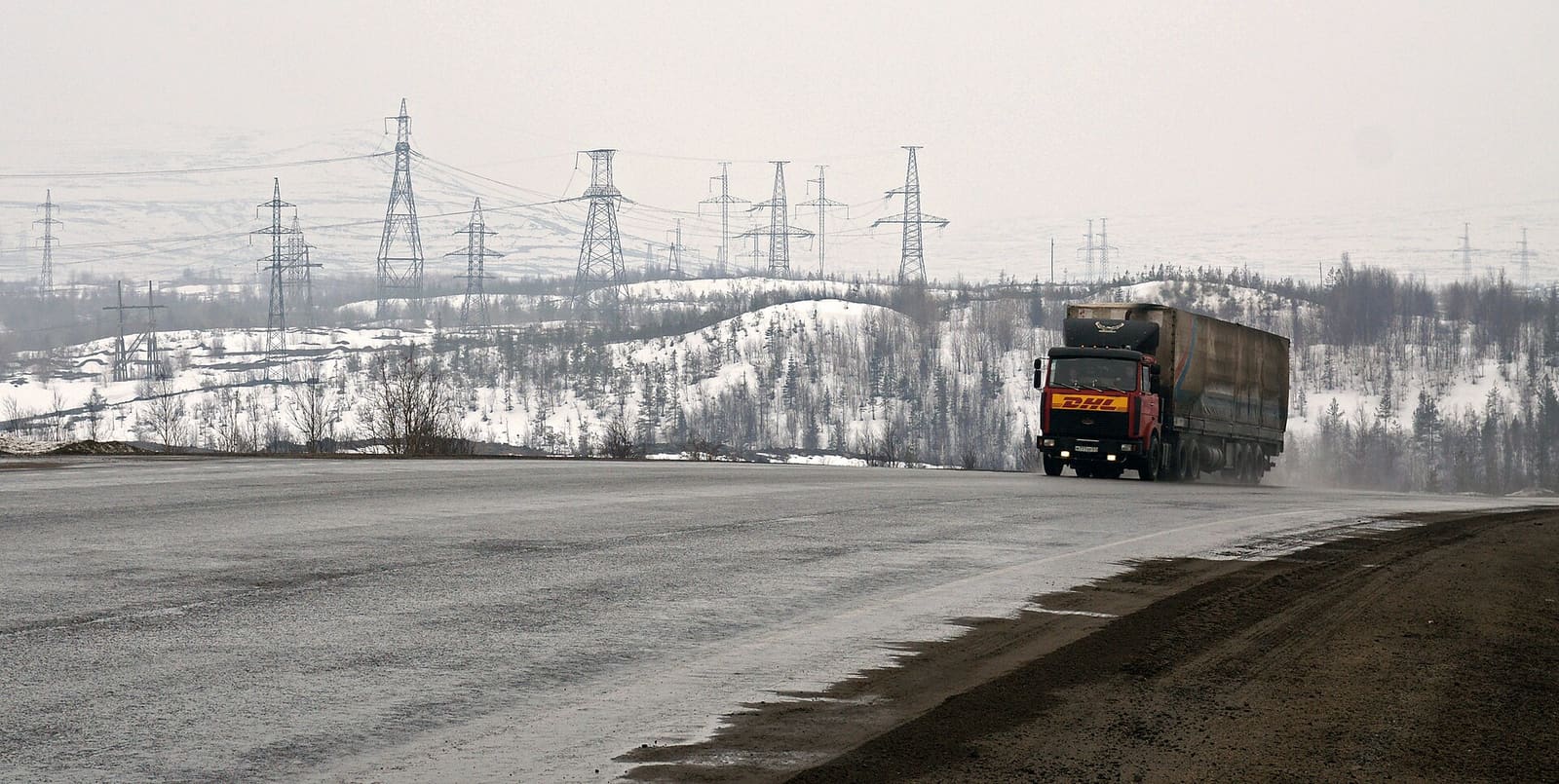
Logistics is the operational layer: the physical movement and storage of goods from one point to another. It covers freight booking across air, sea, rail and road, customs clearance and brokerage, warehousing, inventory handling at a facility level, and last-mile delivery. Logistics answers tactical questions — which carrier, which route, which mode, how much space, how fast. It is the part of the chain a forwarder like RR Brothers and Logistics is hired to execute, and our detailed explainer on what logistics solutions actually include goes further into the specific services that typically sit inside this layer. Logistics, in short, is concerned with moving and storing product correctly, on time, and at a defensible cost.
What Supply Chain Management Covers
Supply chain management sits a level above logistics. It is the strategic discipline of designing, coordinating and continuously improving the entire network that gets a product from raw material to end customer — supplier selection and relationship management, demand forecasting, production planning, inventory strategy across multiple locations, risk management, and, yes, logistics as one component within that broader system. A supply chain manager asks different questions than a logistics manager: which supplier should we diversify toward if a single-source region faces disruption, how much safety stock should sit in which market, should manufacturing move closer to the end customer, and how do currency, tariff and geopolitical risk factor into sourcing decisions years in advance. Logistics executes movement; supply chain management decides what should move, from where, in what quantity, and why.
Logistics Is a Subset of Supply Chain, Not a Rival to It
The cleanest way to resolve the "is logistics part of supply chain management or separate from it" question is to picture supply chain management as the larger circle and logistics as one important slice inside it — alongside procurement, production, demand planning and supplier risk management. Logistics is arguably the most visible slice, because it's the part that fails loudly: a missed sailing, a customs hold, a warehouse stockout show up immediately and are easy to point to. But a business can execute logistics flawlessly and still have a fundamentally weak supply chain strategy sitting underneath it — for example, sourcing 100% of a critical component from a single supplier in one region with no contingency, however smoothly that supplier's shipments happen to move today.
| Dimension | Logistics Solutions | Supply Chain Management |
|---|---|---|
| Scope | Movement and storage of goods | End-to-end network from raw material to customer |
| Time horizon | Days to weeks, shipment by shipment | Months to years, strategic planning |
| Typical owner | Logistics/operations manager, freight forwarder | Supply chain director, executive leadership |
| Key questions | Which route, mode, carrier, warehouse? | Which suppliers, where to manufacture, how much risk to carry? |
Where the Two Genuinely Overlap
The overlap is real and grows the more a business scales across multiple markets. A supply chain decision to add a second manufacturing base in a new country immediately becomes a logistics question: which ports serve that region, what customs regime applies, what transit times can realistically be planned around. Equally, a logistics constraint can force a supply chain rethink — if a particular corridor is chronically congested or unreliable, the strategic answer may be to diversify sourcing rather than simply booking around the bottleneck each time. This is exactly the reasoning behind integrated logistics solutions for cross-border trade, where freight movement, customs and warehousing are coordinated as one system precisely because cross-border supply chains can't treat logistics as an afterthought bolted onto a sourcing decision made elsewhere.
Which Should a Business Optimise First?
For most growing importers and exporters, logistics is the more urgent, higher-leverage place to start — it's where inefficiency shows up fastest and where a good freight forwarder can deliver measurable improvement within weeks rather than years. Supply chain strategy work — supplier diversification, network redesign, demand forecasting maturity — tends to matter more as a business scales and as the cost of a single point of failure grows large enough to threaten continuity. A useful rule of thumb: if your day-to-day pain is missed deadlines, unpredictable costs, or documentation errors, that's a logistics problem to fix first. If your pain is recurring disruption tracing back to one supplier, one region, or one mode with no backup plan, that's a supply chain strategy gap no amount of logistics excellence alone will close. Many businesses that come to RR Brothers looking for logistics solutions for small businesses are, in effect, solving the first problem while quietly building the operational muscle to eventually tackle the second.
Why the Distinction Matters When Choosing a Partner
Being clear about this boundary also sets realistic expectations for what a freight forwarder or 3PL can and can't do. A logistics partner, however good, executes movement and storage — it does not set your sourcing strategy, negotiate your supplier contracts, or decide your inventory policy across markets, though a strong one will flag logistics-driven risk that should feed into those decisions. Frameworks published by bodies like UNCTAD consistently treat logistics performance as one input into broader trade competitiveness rather than the whole story, which is a useful frame for any business trying to work out where its own gaps really sit — in execution, in strategy, or in both.
RR Brothers and Logistics operates firmly in the logistics layer — freight forwarding, customs clearance, warehousing and distribution across China, India, Turkey, Kenya and Nigeria — while working closely enough with clients' broader supply chain decisions to flag risk before it becomes disruption. Whether your business needs tighter logistics execution, a fuller end-to-end logistics solution, or simply a clearer picture of where logistics ends and supply chain strategy begins, our team can help you scope the right starting point.
Frequently Asked Questions
Logistics is a subset of supply chain management, not a separate discipline. Supply chain management is the broader strategic system covering sourcing, production, inventory and risk, and logistics is the operational component within it responsible for moving and storing goods.
Yes, and it's a common situation. A business can execute freight movement, customs and warehousing flawlessly while still carrying significant strategic risk underneath — for example, relying on a single supplier or region with no contingency plan if that source is disrupted.
For most growing importers and exporters, logistics improvements deliver faster, more measurable results and are the practical starting point. Supply chain strategy work becomes more urgent as the business scales and single points of failure carry bigger consequences.
A good freight forwarder won't set your sourcing or inventory strategy, but an experienced one will flag logistics-driven risks — chronic port congestion, a single-corridor dependency, recurring customs delays — that should feed into a client's broader supply chain decisions, even though the final call sits with the business itself.