What "Third-Party Logistics" Actually Covers
Third-party logistics solutions are, at their simplest, an arrangement where a business hands specific logistics functions to an outside specialist rather than performing them in-house. That can mean anything from a single outsourced task — warehousing finished goods, say — to a broad bundle covering freight forwarding, customs clearance, inventory management and last-mile delivery. What makes a provider a genuine 3PL rather than just a vendor is that it executes on your behalf using its own assets, staff and carrier relationships, while you retain the strategic decisions about what to ship, when, and to whom. For many importers and exporters, the question isn't whether outsourced logistics has value — it clearly does — but when the switch from doing it yourself to handing it over actually pays off.
Signs a Business Should Consider Outsourcing to a 3PL
There's rarely one dramatic moment that triggers the decision to outsource. More often it's an accumulation of smaller frictions that, taken together, signal the in-house approach has stopped scaling. A few of the clearest signals worth watching for:
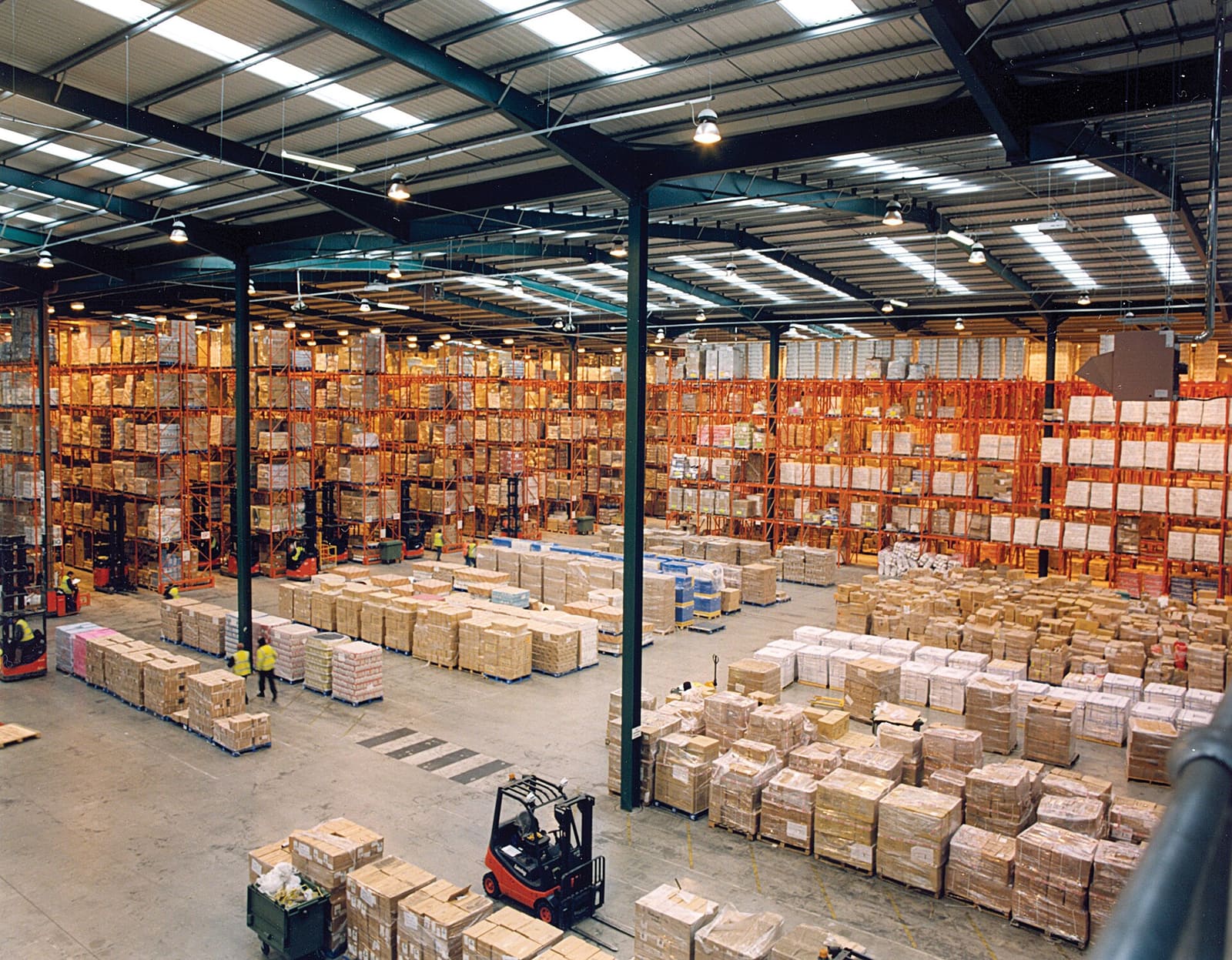
- Warehousing costs are rising faster than sales. If leased or owned storage space keeps expanding to match inventory growth, a 3PL's shared warehousing network often delivers better unit economics than adding your own square footage.
- Order volume has outgrown your team's bandwidth. When staff spend more hours packing, labelling and tracking shipments than on product or customer relationships, the opportunity cost of staying in-house is climbing.
- You're entering a market with no local network. Building customs relationships, trucking contacts and warehouse capacity from scratch in a new country is slow; an established 3PL already has that infrastructure in place.
- Seasonal spikes strain fixed capacity. A logistics setup sized for average demand struggles during peak periods, while a 3PL can flex capacity up and down as volume moves.
- Errors and delays are becoming routine rather than occasional. Mis-picked orders, missed pickup windows, or documentation mistakes that repeat month after month usually point to a process that has outgrown its current owner.
None of these alone forces a decision. But two or three appearing together, especially alongside genuine revenue growth, is usually a reliable sign that outsourcing has moved from optional to overdue.
Which Logistics Functions Get Outsourced First
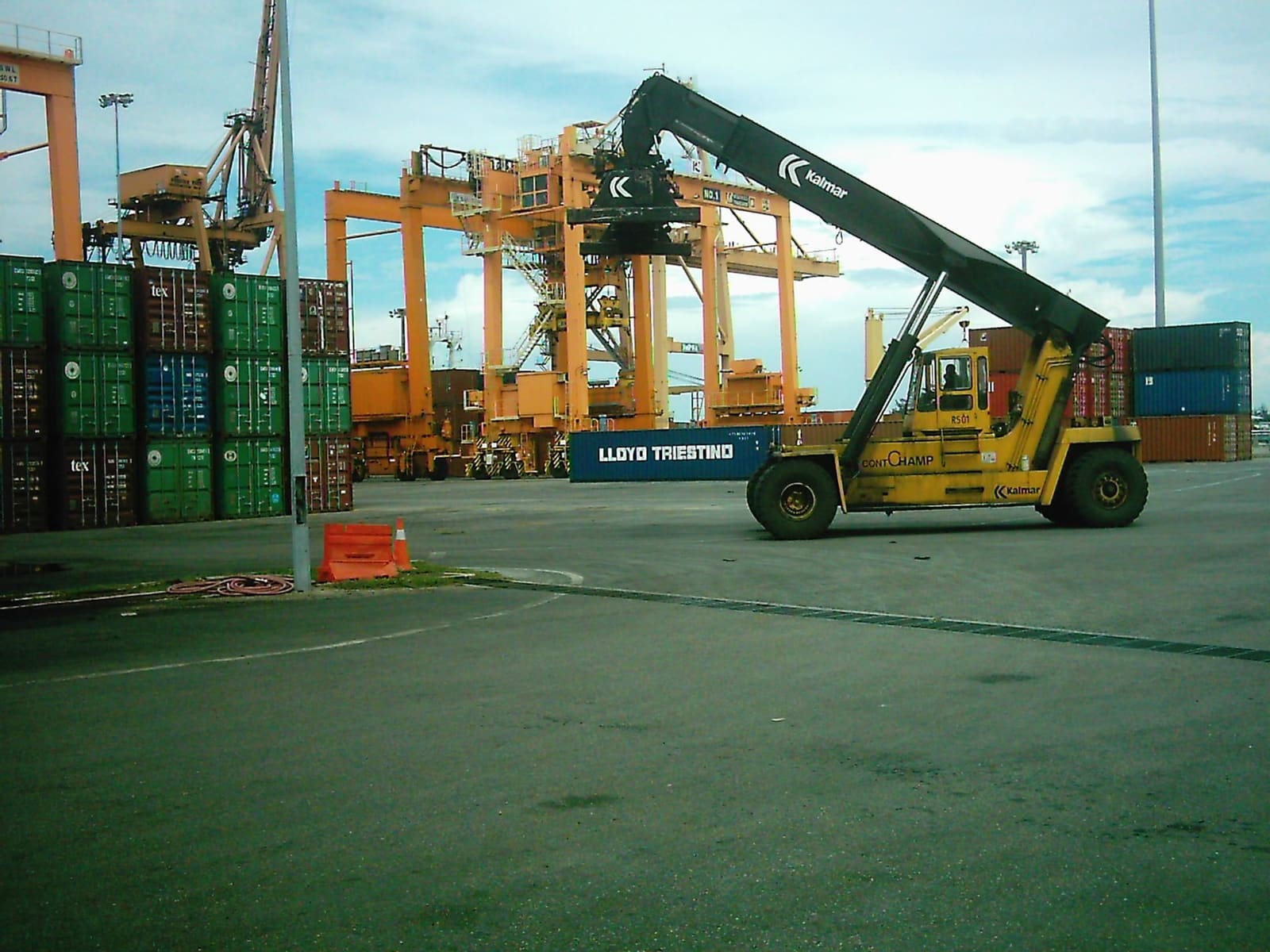
Businesses rarely hand over everything at once, and that caution is generally well founded. In practice, warehousing and distribution tend to be the first functions outsourced, since storage space and pick-and-pack labour are relatively straightforward to benchmark against an in-house alternative. Freight forwarding — booking and managing the actual transport leg — is usually next, particularly once a business starts shipping to multiple countries and needs relationships it doesn't have the time or scale to build itself. Customs clearance and brokerage often follow, especially in markets with complex documentation requirements, since the cost of a clearance mistake tends to be far higher than the cost of getting expert help. Functions like reverse logistics and returns handling, covered in more detail in our guide to reverse logistics solutions for managing returns, are frequently outsourced last, once a business has proven the core outbound relationship works.
In-House vs 3PL: A Practical Comparison
| Factor | Keeping It In-House | Outsourcing to a 3PL |
|---|---|---|
| Capital investment | Warehouses, trucks and staff are fixed costs | Largely variable, tied to actual volume |
| Speed to new markets | Slow — network has to be built from scratch | Fast — existing 3PL infrastructure is already in place |
| Control over process | Full, direct control | Shared — depends on contract and reporting quality |
| Handling demand spikes | Fixed capacity strains under peak volume | Capacity flexes with a 3PL's broader network |
How to Measure ROI From a 3PL Partnership
Outsourcing decisions are too often judged only on freight rate per container, which misses most of where the real return shows up. A fair ROI comparison should weigh total landed cost — freight, warehousing, handling and duty together — against the equivalent in-house cost, including staff time your team no longer spends chasing shipments or resolving errors. Delivery reliability is just as important: fewer missed windows and fewer customer complaints translate directly into retained revenue, even if they don't appear on an invoice. Inventory accuracy, order cycle time and the ability to absorb a seasonal spike without a scramble are all measurable, and a transparent 3PL should be willing to report against agreed metrics rather than leaving performance to anecdote. Businesses evaluating this trade-off often find it useful to first understand the broader category their provider sits in — our guide to 3PL vs. 4PL logistics models lays out how a pure execution partner differs from one that manages your supply chain more strategically.
Common Concerns About Losing Control
The most frequent hesitation businesses raise before outsourcing is a fear of losing visibility and control over something core to their operation. In practice, a well-structured 3PL relationship should increase visibility rather than reduce it — regular reporting, tracking access and a clearly defined escalation process give a shipper more consistent insight than juggling several uncoordinated vendors ever did. The businesses that struggle with outsourcing are usually the ones that treated the handover as a one-time transaction rather than an ongoing relationship requiring the same attention as any other supplier partnership. Setting clear service expectations up front, and reviewing performance on a set schedule rather than only when something goes wrong, addresses most of the control concerns that keep businesses from outsourcing longer than they should.
Making the Transition Without Disrupting Operations
A phased handover generally works better than an all-at-once switch. Running the 3PL alongside existing processes for a defined trial period, on a smaller product line or a single market, lets both sides validate accuracy and service levels before committing fully. This is particularly relevant for smaller businesses weighing up whether they have the volume to justify outsourcing at all — a question covered in our guide to logistics solutions for small businesses. Manufacturers with more complex, production-linked freight needs will typically want a more tailored arrangement from the outset; our guide to custom logistics solutions for manufacturers covers how that kind of program gets built.
RR Brothers and Logistics operates as exactly this kind of outsourced logistics partner for importers and exporters across China, India, Turkey, Kenya and Nigeria — handling freight forwarding, customs clearance and warehousing so clients can focus on sourcing and sales rather than shipment chasing. If you're still weighing up the basics of what a logistics partnership should include before deciding what to outsource, our overview of what logistics solutions actually are is a good place to start. International frameworks published by UNCTAD and the World Customs Organization are also useful background reading on how trade facilitation and outsourced logistics standards continue to evolve globally.
Frequently Asked Questions
Rising warehousing costs relative to sales, order volume outgrowing your team's bandwidth, expansion into a market with no local network, seasonal capacity strain, and recurring errors or delays are the clearest signals. Two or three appearing together, alongside real revenue growth, usually mean outsourcing is overdue rather than optional.
Warehousing and distribution are typically outsourced first, followed by freight forwarding as a business ships to more markets. Customs clearance often follows given the cost of documentation mistakes, with reverse logistics and returns handling usually outsourced last.
Compare total landed cost — freight, warehousing, handling and duty together — against the equivalent in-house cost including staff time saved. Delivery reliability, inventory accuracy and the ability to absorb seasonal spikes without scrambling are equally important, measurable indicators.
Not with a well-structured relationship. A good 3PL provides regular reporting, tracking access and a clear escalation process — often giving more consistent visibility than coordinating several uncoordinated vendors independently did.