What the USMCA Actually Covers for Shippers
The United States-Mexico-Canada Agreement, which replaced NAFTA when it entered into force on July 1, 2020, remains the single biggest regulatory factor shaping transportation logistics planning across North America. For shippers routing goods into Mexico, the United States or Canada — including a large volume of cargo that originates in China and is transformed, assembled or finished somewhere in the USMCA region before reaching its final market — the agreement determines whether a shipment qualifies for preferential, duty-free tariff treatment or moves under standard Most Favored Nation rates. That distinction can swing landed cost by several percentage points on a single container, which is why USMCA trade logistics planning has become a standing agenda item for import/export teams rather than a one-time compliance exercise.
Unlike a simple tariff schedule, USMCA ties preferential treatment to where and how a product is made, not just where it's shipped from. That makes transportation logistics decisions — where to locate a distribution or light-assembly facility, which border crossing to route through, which mode to use for the final domestic leg — inseparable from the trade-compliance decisions that determine whether a shipment actually qualifies for the lower duty rate in the first place.
Rules of Origin: Why They Matter More Than Tariff Headlines
The core mechanic of USMCA is its rules of origin framework, and it is considerably stricter than the NAFTA rules it replaced. For automotive goods specifically, passenger vehicles and light trucks must meet a 75% regional value content threshold to qualify for preferential treatment, up from 62.5% under NAFTA, alongside separate steel and aluminum sourcing requirements and a labor value content rule tied to wages paid in the region. Other product categories carry their own tariff-shift and value-content tests, which means two shipments that look similar on a packing list can have very different duty outcomes depending on where their components actually originated and how much regional processing they underwent.
This is the part of USMCA trade logistics that catches companies out most often: assembling or finishing a product in Mexico does not automatically make it "originating." The relevant regional value content and tariff-shift tests still have to be met and documented, which means bill-of-materials data, supplier certificates of origin and production records all need to be in order before a customs broker can claim preferential treatment — not assembled retroactively after a shipment has already cleared.
The 2026 Review and Why the Framework Isn't Static
USMCA was built with a structured review mechanism baked in — roughly every six years, the three governments are required to assess whether to extend the agreement, and that review has become the venue where rule changes actually get negotiated rather than left to chance. The United States used the 2026 review process to push for tougher automotive content requirements, including a proposed US-specific content threshold on top of the existing regional value content rule, while bilateral talks between the US and Mexico have continued to address rules of origin alongside steel, aluminum and broader economic security questions. None of this means the underlying legal framework disappears — the agreement stays in force while negotiations continue — but it does mean the specific compliance thresholds a shipment needs to meet today may not be the same thresholds in effect twelve months from now. Companies building long-term sourcing and routing strategies around USMCA preferential treatment need to treat the rules as a moving target, not a fixed reference point, and should track official guidance directly from the Office of the United States Trade Representative rather than relying on outdated summaries.
Nearshoring to Mexico and the USMCA Connection
A meaningful share of the nearshoring activity we've tracked in our companion piece on nearshoring's transportation logistics impact is directly tied to USMCA eligibility rather than proximity alone. Manufacturers shifting final assembly, light manufacturing or kitting operations to Mexico are often doing so specifically to access preferential tariff treatment on finished goods bound for the US market — bringing in components and sub-assemblies from China or elsewhere in Asia, performing enough regional transformation to satisfy the applicable rule of origin, and then moving the finished product across the US-Mexico border duty-free. This strategy only works if the transportation logistics plan and the compliance plan are designed together: a facility located in the wrong industrial corridor, or a supply chain that can't produce the documentation a rule of origin requires, can undermine the entire tariff-saving rationale for nearshoring in the first place. For companies moving the inbound component flow from China into Mexico, our guide to shipping from China to Mexico covers the ocean, rail and trucking options feeding that corridor in more detail.
The Physical Corridors: Where Cross-Border Freight Actually Moves
USMCA trade logistics ultimately comes down to a relatively small number of physical pinch points that carry a disproportionate share of cross-border volume. On the US-Mexico border, crossings like Laredo and Otay Mesa handle enormous truck volumes daily, while the US-Canada border relies heavily on crossings such as the Ambassador Bridge between Detroit and Windsor, one of the busiest commercial corridors in North America for truck freight. Capacity and wait times at these crossings directly affect delivery reliability, which is why routing decisions for time-sensitive transportation logistics need to account for which specific crossing a shipment will use, not just which country pair is involved.
| Corridor | Primary Mode | Typical Use Case |
|---|---|---|
| Laredo / Nuevo Laredo | Truck (FTL/LTL) | High-volume general cargo, automotive parts |
| Otay Mesa / Tijuana | Truck (FTL/LTL) | Electronics, maquiladora-assembled goods |
| Ambassador Bridge (Detroit-Windsor) | Truck (FTL) | Automotive and industrial US-Canada freight |
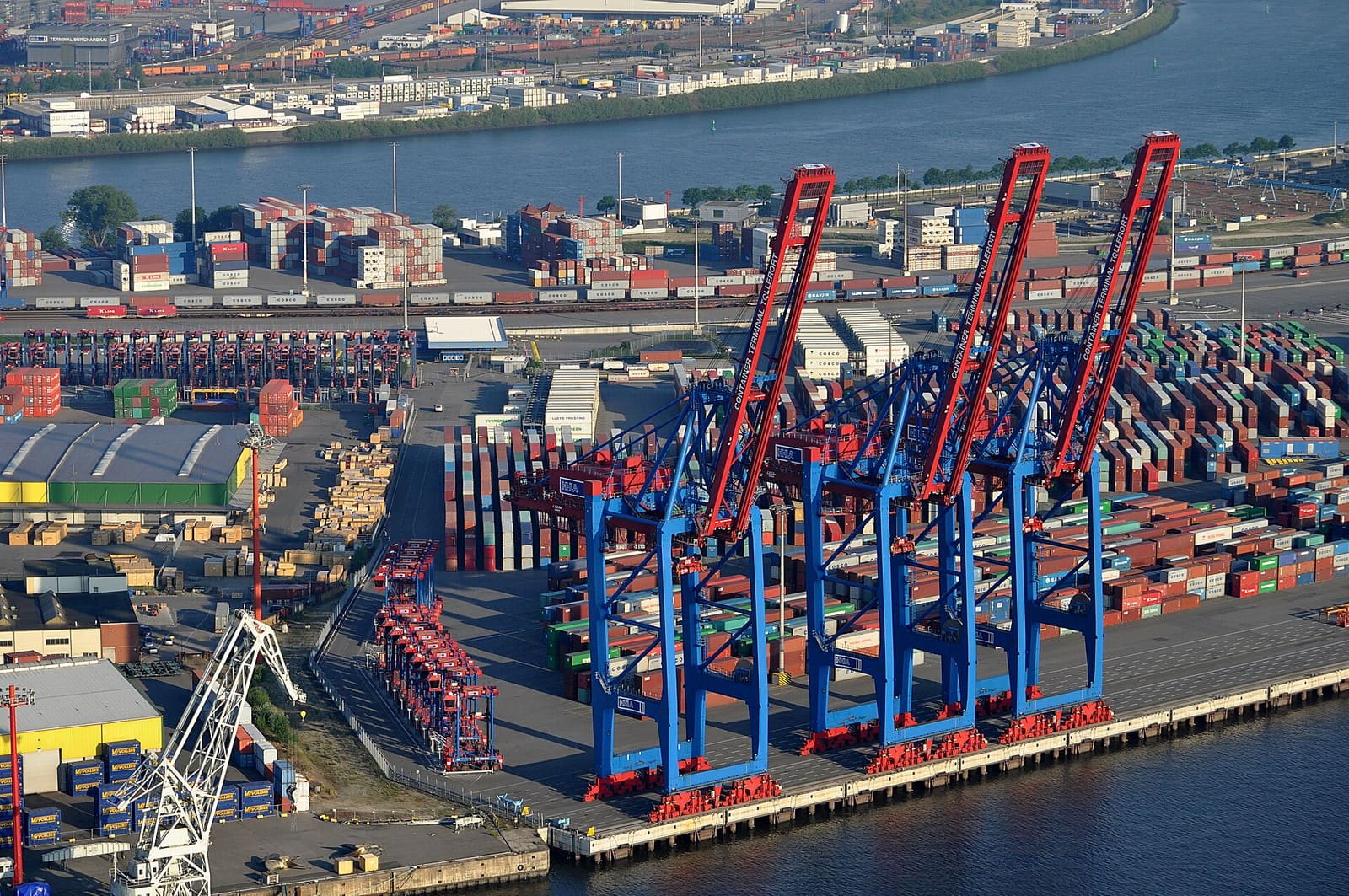
| Pacific/Gulf ports (Lázaro Cárdenas, Manzanillo) | Ocean + rail/truck | Direct China-Mexico ocean freight |
Trucking, Drayage and the Realities of Cross-Border Road Freight
Moving freight across any of these corridors typically means working with carriers and drayage providers experienced in the specific documentation and inspection requirements each border post applies, since a shipment held up in secondary inspection for missing or inconsistent paperwork can lose days of transit time regardless of how efficient the underlying transportation logistics plan was otherwise. Many shippers use a cross-dock or transload strategy at the border itself — moving cargo from a long-haul carrier onto a cross-border-certified drayage truck for the actual crossing, then onto a US or Canadian domestic carrier on the other side — rather than contracting a single carrier to handle the entire movement end to end. This adds a handoff but often improves reliability, since it uses carriers who specialize in exactly the leg they're running rather than one carrier trying to be equally strong at long-haul, cross-border and last-mile domestic delivery simultaneously.
Building a Compliance File That Actually Holds Up
Customs authorities on either side of a USMCA border can request supporting documentation for a preferential-treatment claim well after a shipment has already cleared, which means the paperwork trail matters as much as the physical movement of the goods. A transportation logistics plan built around USMCA preference should treat the following as non-negotiable before cargo ever reaches a border crossing:
- A current USMCA certification of origin — covering the specific goods being shipped, signed by the exporter, producer or importer, and kept on file for at least five years as required under the agreement's record-keeping rules.
- A bill of materials mapped to the applicable rule of origin — showing which inputs are regionally originating and which are not, so the regional value content calculation can be defended if questioned.
- Supplier certificates for every non-finished input — since a producer claiming regional value content needs backup documentation from its own suppliers, not just its own assertion.
- A designated customs broker on both sides of the border — one who understands the specific product category's rule of origin, rather than a generalist broker applying a one-size-fits-all approach to every HS code.
Shippers who treat this documentation as a routine part of their transportation logistics operation — rather than scrambling to assemble it after a customs query — are the ones who consistently capture the tariff benefit USMCA is actually designed to offer.
Where This Leaves Shippers Planning Around USMCA
For companies building a transportation logistics strategy around North American market access, the practical takeaway is that USMCA compliance and routing decisions can't be separated from each other. A sourcing plan that nearshores final assembly to Mexico specifically to capture USMCA preferential treatment needs a transportation logistics partner who understands both the physical corridor and the documentation trail required to actually realize that tariff benefit — otherwise the savings on paper never show up in the landed cost that matters. The same logic applies to US-Canada freight moving through crossings like the Ambassador Bridge, where consistent documentation and an experienced cross-border carrier relationship matter as much as the route itself. Download our company brochure (PDF) for a full overview of our services and global network, including how we support China-origin cargo moving into and through the USMCA region.
How RR Brothers and Logistics Can Help
RR Brothers and Logistics helps clients plan China-origin freight moving into the USMCA region across ocean, rail and road, coordinating with customs brokers on rules-of-origin documentation and routing shipments through the border crossings best suited to the cargo type and timeline involved. Whether that means structuring an inbound flow to a Mexico-based assembly operation to support a nearshoring strategy, or managing the final domestic leg once cargo clears a US or Canadian port of entry, our team builds routing plans around the current state of USMCA trade logistics rather than outdated assumptions about how the corridor works. For shippers also moving goods into Canada specifically, our guide on the China-Canada trade logistics corridor covers that leg of the network in more depth.
Frequently Asked Questions
Yes. The USMCA replaced NAFTA when it entered into force on July 1, 2020, and introduced stricter rules of origin, updated labor-value content requirements for automotive goods, and a structured review mechanism that NAFTA never had.
Goods that don't meet the applicable rule of origin simply move under standard Most Favored Nation tariff rates instead of duty-free USMCA treatment, which can materially change landed cost, so origin qualification should be checked before committing to a sourcing or routing plan, not after a shipment is already in transit.
The agreement includes a joint review mechanism roughly every six years, and the parties have used that review to renegotiate specific chapters rather than end the agreement outright, so shippers should expect periodic rule changes rather than assume the framework disappears.
No. Assembling or finishing a product in Mexico doesn't automatically satisfy USMCA rules of origin — the regional value content and, for many product categories, specific tariff-shift requirements still have to be met and documented regardless of where final assembly happens.