The Problem With Picking One-Handed
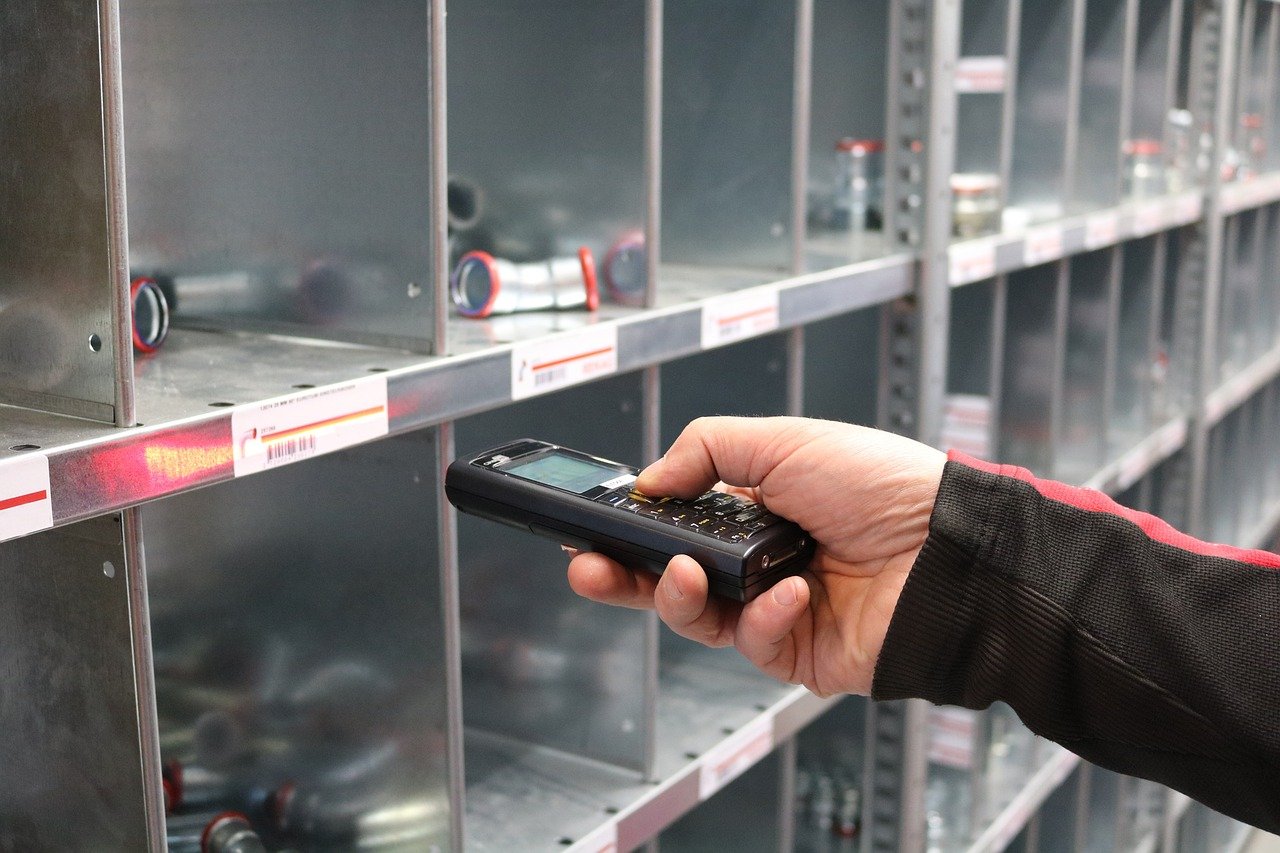
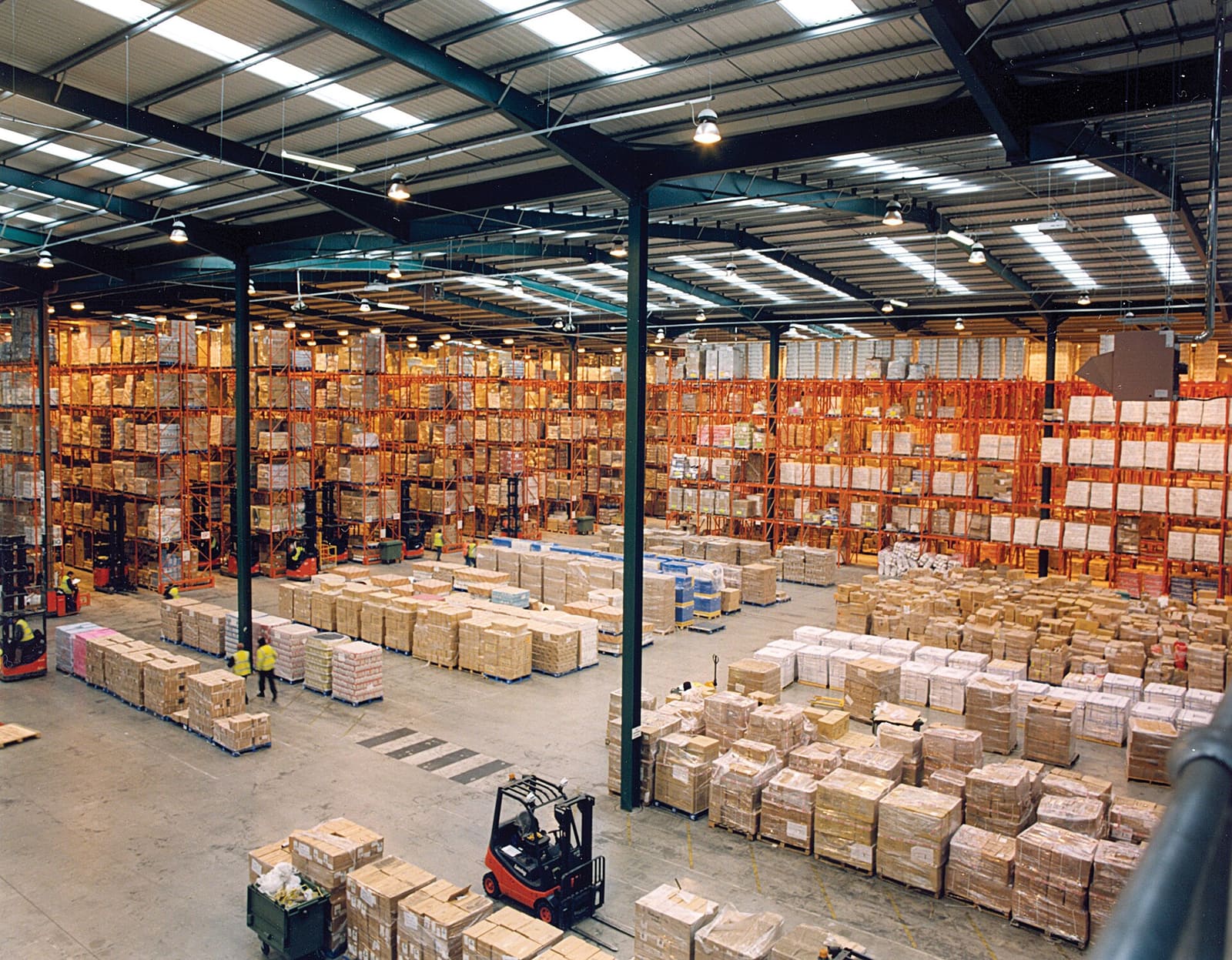
Order picking is the most labor-intensive step in most warehouse operations, and for years the standard tool for it — a handheld barcode scanner gun — has quietly worked against the worker holding it. Every scan means stopping, raising the device, aiming, confirming the beep, then setting it down or holding it awkwardly while carrying the item to a tote or pallet. Multiply that interruption across a shift handling thousands of picks and the lost seconds add up to a measurable productivity gap. Wearable scanners and voice-picking headsets were built specifically to close that gap by keeping a worker's hands and eyes on the product rather than on a device, and the combination has become one of the more quietly significant upgrades in modern transportation logistics operations, particularly inside the e-commerce and 3PL fulfillment centers that sit upstream of every parcel delivery. It's a relatively low-visibility technology compared to robotics or automated sortation, but it touches nearly every order that passes through a warehouse, which is exactly why its cumulative impact on throughput and accuracy turns out to be so large.
How Voice-Picking Actually Works
In a pick-by-voice system, a worker wears a headset connected wirelessly to the warehouse management system. Instead of reading instructions off a screen, they hear a spoken prompt telling them which aisle, rack and bin to go to, what to pick, and how many units, and they confirm each step by speaking a short check digit back into the headset microphone. The software verifies the response and immediately issues the next instruction, creating a continuous hands-free, eyes-free loop that keeps the worker's full attention on safely navigating the warehouse and handling the product rather than toggling between a screen and the shelf. Because the system is voice-driven, it also sidesteps a literacy or screen-glare problem that can slow down paper-pick or handheld-scan operations, and most platforms support multiple languages so a single system can serve a multilingual workforce.
Wrist and Ring-Mounted Scanners: The Other Half of Hands-Free
Voice handles navigation and task confirmation, but many operations still need an actual barcode scan to verify that the correct SKU was picked — which is where wrist-mounted and ring-style scanners come in. Instead of a separate gun that has to be held and aimed, these devices strap to the forearm or slip onto a finger and are triggered with a thumb press or a simple hand motion, letting the worker scan a barcode without ever letting go of the item being picked — a small change that nonetheless reduces one of the most repeated frictions in warehouse transportation logistics work. The scan engine itself hasn't changed much — it is still reading the same linear or 2D barcodes a handheld gun would — but relocating it onto the worker's body rather than into their palm removes the pick-up-and-put-down cycle that slows down every single pick on a traditional scanning workflow. In practice, many of the busiest fulfillment operations now combine both technologies: voice for instructions and travel, a wrist or ring scanner for the verification scan, giving operators the speed of voice-picking warehouse technology together with the accuracy of an actual barcode check.
What the Productivity and Accuracy Numbers Actually Show
The efficiency case for this shift to hands-free picking isn't just vendor marketing — it's been documented across a number of independent deployments. Industry analysts have estimated that voice-directed picking typically lifts productivity by 20% or more over paper-based picking, largely because of the hands-and-eyes-free operating model, with well-configured systems reaching roughly one error per thousand picks. Specific operator case studies back this up: medical distributor Seneca Medical reported 99.9% pick accuracy and a 25% productivity gain after rolling out voice picking across six distribution centers, while Canadian retailer London Drugs reported 99.97% order accuracy after moving off paper picking. Construction materials distributor Artex reported accuracy climbing from an average of 87% on paper to 99.6% after adopting voice. These aren't isolated numbers from a single vendor — they're a consistent pattern across different industries and different warehouse management platforms, which is a reasonable signal that the underlying mechanism (freeing up hands and eyes) is doing real work rather than the gains being a one-off case.
| Factor | Handheld Scanner Gun | Voice + Wrist/Ring Scanner |
|---|---|---|
| Hands free during pick and carry | No — one hand holds the scanner | Yes — both hands free throughout |
| Eyes on screen required | Yes, between every pick | No — spoken instructions only |
| Typical accuracy reported | Varies widely by operator discipline | 99.6%–99.97% in published case studies |
| New worker ramp-up | Moderate | Often faster, per reported case studies |
Where the Technology Pays Off Fastest
Not every warehouse operation gets the same return from switching to voice-picking warehouse technology, and understanding where the gains concentrate helps prioritize a rollout. Each-picking operations — where a worker selects individual units from a bin rather than full cases or pallets — tend to see the biggest relative improvement, since each-picking already involves the highest number of discrete stop-scan-confirm cycles per hour, and removing the scanner pickup step compounds across thousands of daily transactions. Cold storage and freezer facilities are another strong fit, since workers wearing insulated gloves often struggle to operate a touchscreen handheld device reliably, while a voice headset and a glove-friendly wrist trigger keep working regardless of hand covering. High-SKU operations with many similar-looking products also benefit disproportionately, because voice confirmation and barcode verification together catch substitution errors — picking the wrong but visually similar item — far more reliably than a worker relying on eyesight alone under time pressure.
Fitting Into a Broader Automation Stack
Wearable scanning and voice-picking are not a replacement for warehouse automation like conveyor sortation or autonomous mobile robots — they're complementary to it. In goods-to-person operations where a robot brings a shelf or tote to a stationary picker, the worker still benefits from hands-free confirmation at the pick point, since they're often handling multiple items per stop under tight cycle-time pressure. In more traditional person-to-goods layouts, where staff walk the aisles to find and collect items, voice-picking additionally reduces the mental load of remembering sequential pick lists, since each instruction arrives only when the worker is ready for it. The common thread across both layouts is that hands-free technology removes a specific repeated friction point in the fulfillment process rather than requiring a wholesale redesign of how the warehouse operates, which is part of why adoption has spread fairly quickly across transportation logistics operations of very different sizes and automation maturity.
Part of a Broader Wearable-Tech Shift in Warehousing
Voice headsets and wrist scanners rarely arrive in isolation — they tend to show up as part of a wider push toward wearable and connected technology on the warehouse floor. We've covered two closely related trends in companion posts: our piece on RFID and smart pallets in modern warehousing looks at how automatic tag-reading is replacing manual barcode scans at the pallet level, while our article on exoskeletons and wearable tech for warehouse safety covers the physical-support side of the same wearable-technology trend. Voice-picking warehouse technology and wrist scanning sit alongside both of these as part of a broader shift in which warehouse technology is moving off fixed terminals and handheld devices and onto the worker's own body, each piece aimed at removing a specific friction point from the pick-pack-ship cycle that underpins modern transportation logistics.
Implementation Considerations Worth Planning For
- Ambient noise: busy warehouse floors with forklifts, conveyors and HVAC systems running can challenge voice recognition accuracy, so headset microphone quality and noise-cancellation matter more than they might seem to on paper.
- Multilingual workforces: most enterprise voice-picking platforms support multiple languages and accents within the same facility, which matters for operations staffing a diverse labor pool.
- WMS integration depth: the real productivity gain depends on how tightly the voice or scanner system talks to the underlying warehouse management system — a bolted-on device that still requires manual reconciliation defeats much of the purpose.
- Battery life and device fit: wrist and ring scanners need to survive a full shift and fit comfortably under gloves in cold storage or freezer environments, which some early scanner designs struggled with.
- Training time: while most case studies report faster ramp-up than paper picking once workers adjust, the transition period still needs to be budgeted into any rollout timeline.
How RR Brothers and Logistics Can Help
Picking accuracy and throughput inside a warehouse directly affect how reliably cargo moves through the rest of the supply chain, which is why RR Brothers and Logistics pays close attention to the fulfillment technology used across our warehousing and distribution network — a mis-picked carton discovered only after it has already left the dock is a far more expensive problem to fix than one caught at the pick face. Whether your business needs pick-and-pack support for e-commerce parcels or bulk order fulfillment ahead of onward freight, our warehousing and distribution services are built around accurate, efficient order handling that keeps your transportation logistics running on schedule from the moment a pick is confirmed to the moment it leaves our dock.
For a broader technical reference on material handling technology adoption, the Material Handling Institute (MHI) publishes industry research on warehouse automation trends, including hands-free picking technologies, that's worth reviewing for any operation evaluating a transition away from traditional scanning.
Frequently Asked Questions
Voice-picking (or pick-by-voice) is a warehouse order fulfillment method where a worker wears a headset connected to the warehouse management system and receives spoken instructions telling them which location to go to, what to pick, and how many units, then confirms each action verbally rather than typing or scanning on a handheld device.
Case studies reported by vendors and industry publications generally put voice-picking accuracy in the 99.6% to 99.97% range once systems are properly configured and workers are trained, compared with accuracy in the high 80s to low 90s percent range commonly reported for unaided paper-based picking.
A wrist-mounted or ring scanner straps to the worker's forearm or finger and is triggered without picking up a separate device, leaving both hands free to carry or handle cargo, while a traditional handheld scanner gun has to be held, aimed and often set down between scans, interrupting the pick motion.
Yes — many fulfillment operations combine voice-directed instructions for navigation and task confirmation with a wrist or ring scanner for the barcode verification step, giving both the speed of voice guidance and the accuracy check of an actual barcode scan without requiring the worker to hold a device.