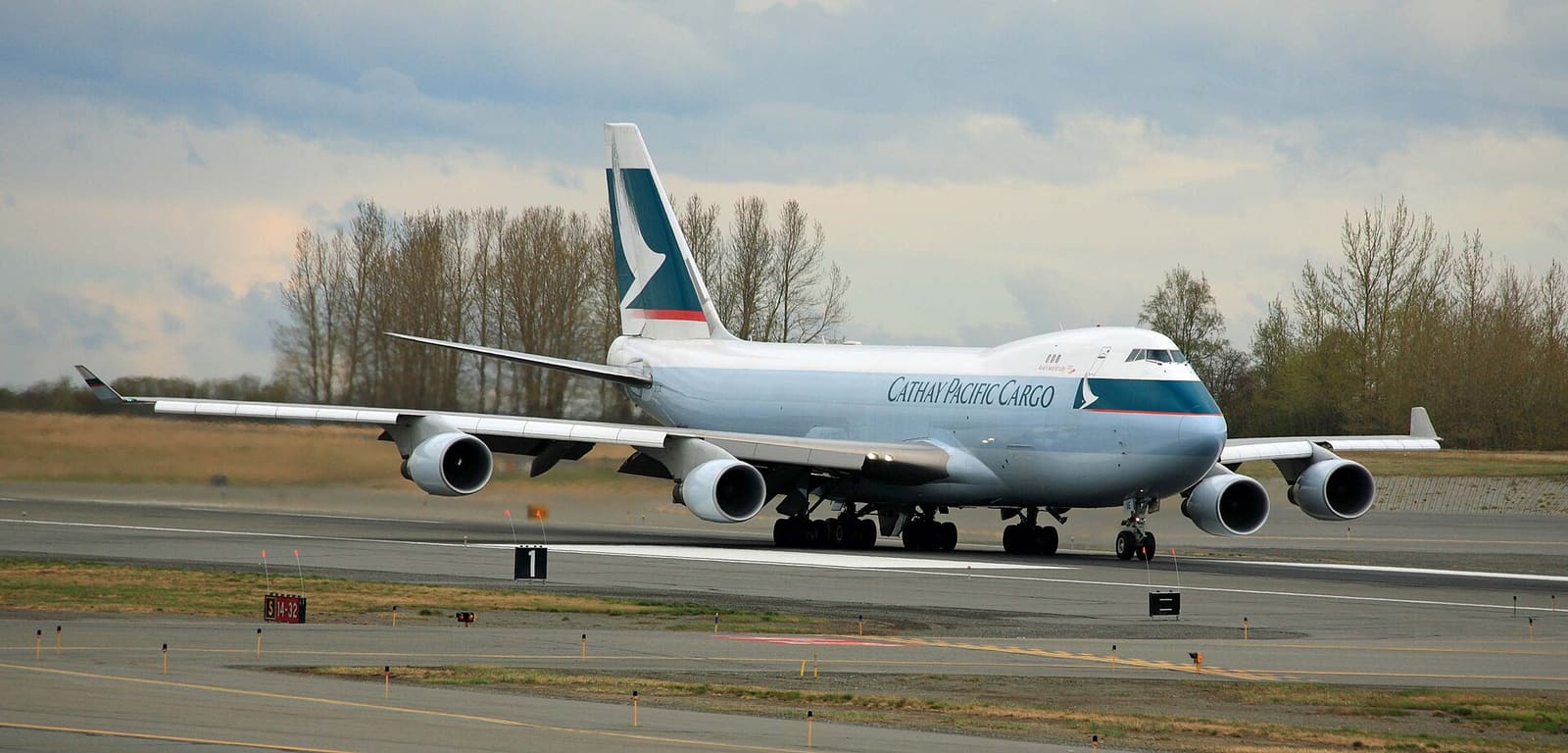
Global air cargo volumes softened in the second week of August 2026, with chargeable weight down 5% week-on-week across most origin regions, according to AJOT's weekly air cargo trends report. But the headline decline masks a sharply uneven picture underneath: capacity out of Asia-Pacific fell 2%, yet specific transpacific lanes from Taiwan and Korea remain under real pressure, with AI server and semiconductor demand continuing to absorb available freighter space.
A Market Moving in Two Directions at Once
Rates tell a similarly split story. Pricing eased 2% week-on-week out of North America and the Middle East/South Asia region, while it held flat from Central/South America and actually rose from Europe (+1%) and Asia-Pacific (+2%). The report notes that rising rates to Europe from China and Hong Kong, alongside falling transpacific pricing from other origins, suggest freighter capacity previously dedicated to European e-commerce shipments may be shifting toward the transpacific market specifically to chase the higher-value AI hardware demand. Separately, CAAS International reports that rising fuel costs are now compounding these capacity-driven pressures, pushing rates on several lanes to their highest point of 2026 so far.
Why This Matters Beyond the Headline Number
If you're booking general air cargo out of most of Asia right now, softening global volumes should mean easier space and more competitive rates. But if your cargo shares routing, aircraft type or origin airports with high-tech component shipments out of Taiwan or Korea specifically, you're operating in the tight half of this market, not the soft half — and a single global "rates are easing" headline could lead you to under-book capacity you'll actually struggle to secure. This is a similar dynamic to what we've flagged in China's July export data showing AI-driven high-tech growth — the same underlying demand is now visibly reshaping air cargo capacity allocation as well as ocean bookings.
What to Do If You're Booking This Corridor
For shipments that touch Taiwan, Korea, or high-tech manufacturing hubs more broadly, book earlier than the general market conditions would suggest, and ask your forwarder directly whether your specific routing shares capacity with AI hardware shipments before assuming a quoted rate will hold. Our guide to air freight versus sea freight from China covers the broader trade-offs if you have flexibility on mode, and our piece on shipping electronics and consumer tech from China goes into the handling and timing considerations specific to this cargo category.
Our Take
Treat "global air freight rates are softening" as true but incomplete right now. The AI hardware supercycle is creating a genuinely two-speed air cargo market, and the corridors feeding it are behaving nothing like the broader trend. If your business touches those corridors even indirectly, plan capacity and cost around the tight half of the market, not the easing one.