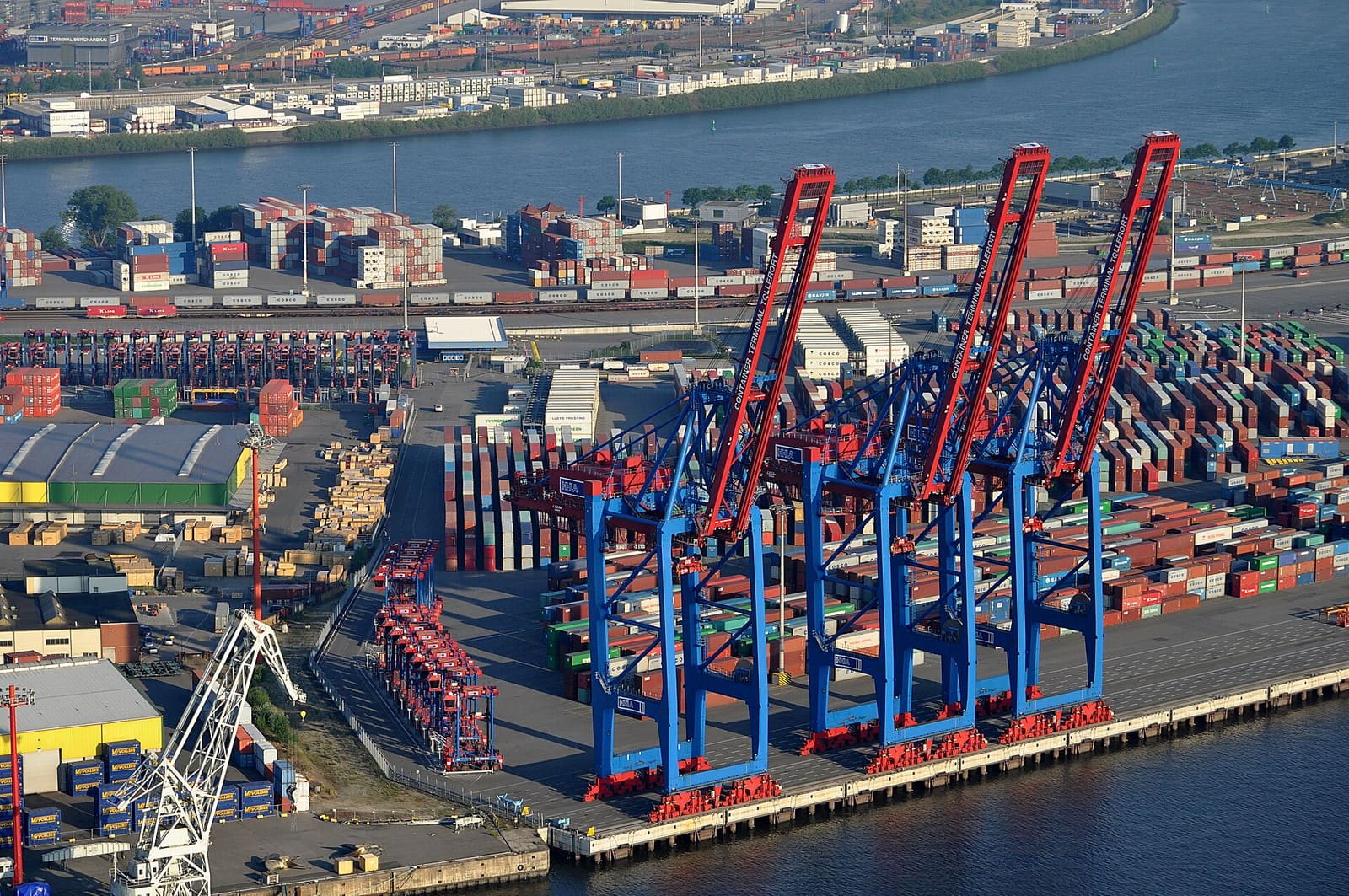
India's Ministry of Ports, Shipping and Waterways has completed 75 port infrastructure and connectivity projects worth ₹31,967 crore under the PM Gati Shakti National Master Plan, according to India Shipping News. That's 75 out of 182 identified projects carrying a total planned investment of ₹1.09 lakh crore, and the completed work has already pushed cargo handling capacity at India's major ports to 1,728 million tonnes per annum as of March 2026.
Sagarmala 2.0: Bringing the Programs Together
These port-connectivity projects sit within Sagarmala, India's broader maritime development strategy, which is now explicitly linked to the PM Gati Shakti framework — described by the government, per the Press Information Bureau, as an integrated approach bringing multiple ministries together to eliminate planning silos across port, rail, road and coastal infrastructure. Separately, 25 coastal shipping and inland waterways projects worth ₹1,178.5 crore have also been completed under Sagarmala specifically, and the program's financing arm was restructured last year into the Sagarmala Finance Corporation Limited, India's first NBFC dedicated to maritime-sector financing.
Why "Connectivity" Projects Matter More Than New Berths Alone
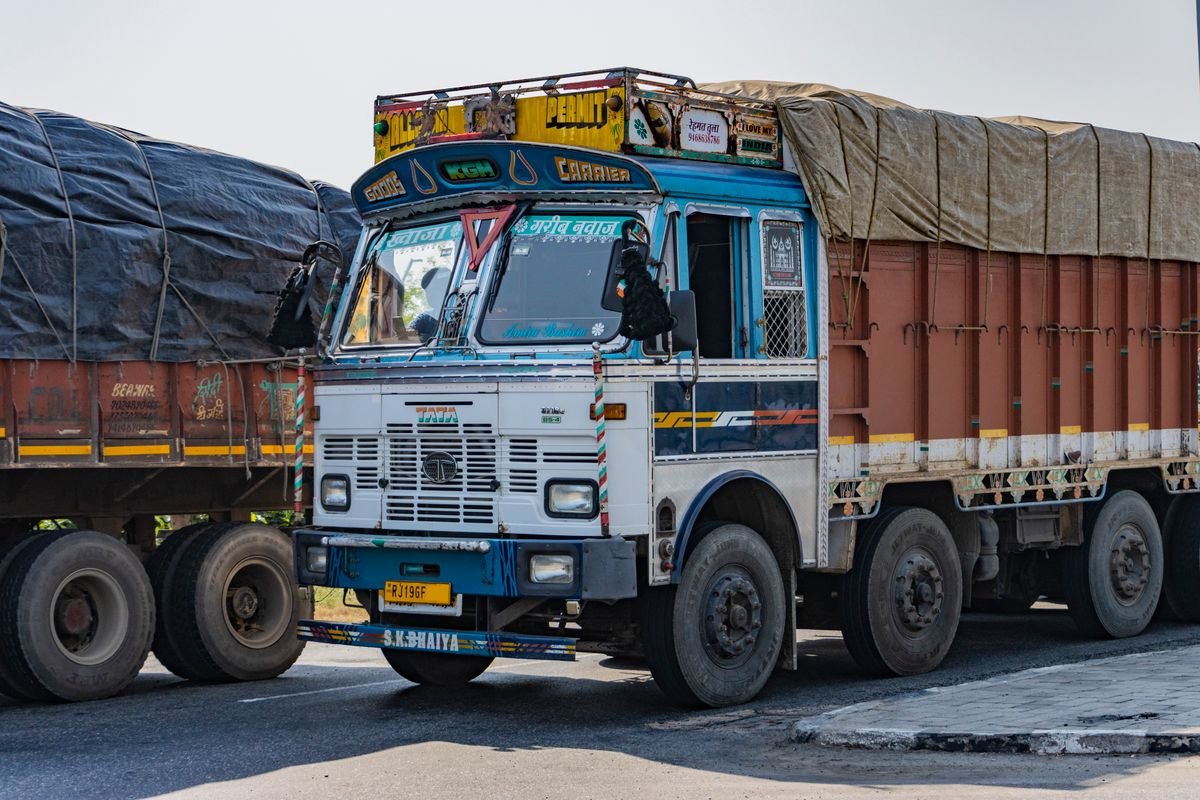
It's worth being specific about what's actually driving the capacity gain here: these are largely connectivity and first-mile/last-mile projects — rail links, road access, coastal shipping routes — rather than only new port terminal construction. That distinction matters for reliability, not just raw throughput. A port with more berth capacity but poor inland connectivity still creates bottlenecks getting cargo to and from the port; connectivity-focused investment is what actually shortens the door-to-door timeline shippers experience, even when the headline capacity number looks similar.
What This Means for Import/Export Planning
For businesses moving cargo through India's major ports, steadily improving connectivity infrastructure should translate into more predictable inland transit times over the next few years, though the benefit arrives unevenly — ports and corridors tied to the 75 completed projects will see improvement sooner than those still waiting on the remaining 107 projects in the pipeline. Our India Logistics Sector Outlook 2026 covers this consolidation trend in more depth, and our guide to PM Gati Shakti's impact on freight movement looks specifically at how these infrastructure programs affect booking and routing decisions today.
Our Take
Steady, connectivity-focused execution is a better signal than a single large headline project — 75 completed projects out of 182 suggests genuine sustained progress rather than a one-off announcement. If you ship through Indian ports regularly, it's worth asking your forwarder which specific completed corridors now serve your route, since the reliability gain is corridor-specific rather than uniform across the whole network yet.