What Is PM Gati Shakti?
PM Gati Shakti is a digital infrastructure-planning platform launched by the Government of India in October 2021, designed to bring together sixteen ministries and departments — including Railways, Roadways, Shipping, Civil Aviation, Petroleum and Power — onto a single geospatial map so that infrastructure projects can be planned and sequenced together rather than in isolation. Anyone tracking PM Gati Shakti logistics developments should understand it first as a coordination tool: it does not replace existing schemes like Bharatmala (highways) or Sagarmala (ports), it layers on top of them, letting planners see where a new industrial corridor, a proposed rail line and an existing port connection actually intersect on the ground before money is committed.
The Problem It Was Designed to Solve
For decades, a familiar pattern repeated across Indian infrastructure: a highway would be built to a location years before the rail link or port connection meant to serve the same industrial cluster was ready, or a new industrial park would be approved without the last-mile road capacity to actually move finished goods out of it. The result was stranded capacity in one place and bottlenecks in another. Gati Shakti freight planning addresses this directly by requiring project sponsors to check the master plan's data layers — existing and planned road, rail, port, and utility infrastructure — before greenlighting new projects, in principle catching these mismatches earlier in the planning cycle rather than after construction has already started.
How the Platform Works in Practice
At its core, PM Gati Shakti is a GIS-based digital platform that overlays infrastructure data from all participating ministries onto one map, alongside data on land use, forest cover, and existing utilities. Project appraisal committees use this shared view to evaluate new proposals for connectivity gaps before approval. Over time, this has extended into project monitoring as well, giving central planners visibility into whether an approved road or rail project is actually on schedule to connect with the port or logistics park it was meant to serve. For an India infrastructure logistics story, the significance isn't any single flagship project — it's this shift toward planning connectivity as a first-order requirement rather than an afterthought.
Infrastructure Projects That Matter Most for Importers
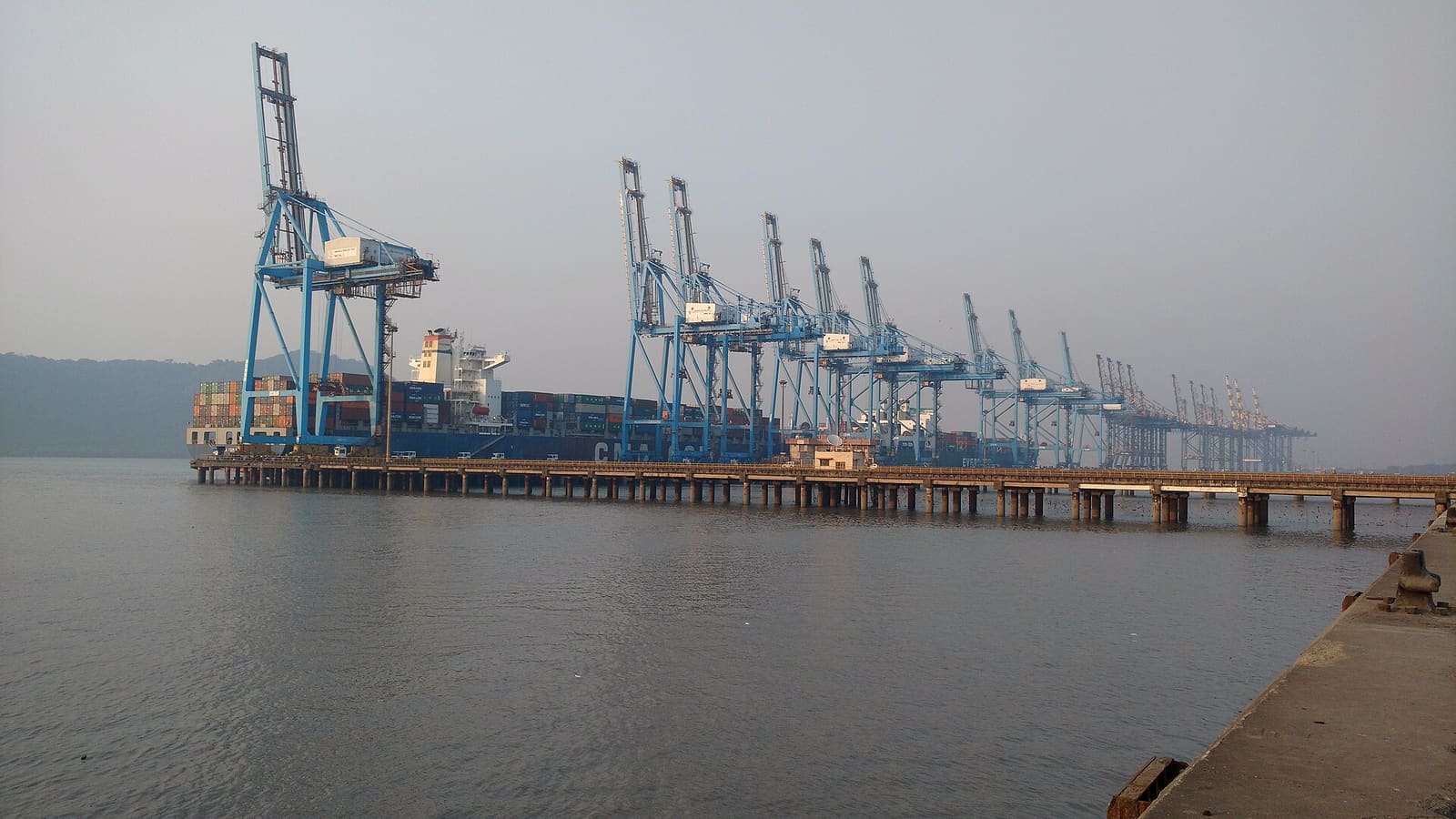
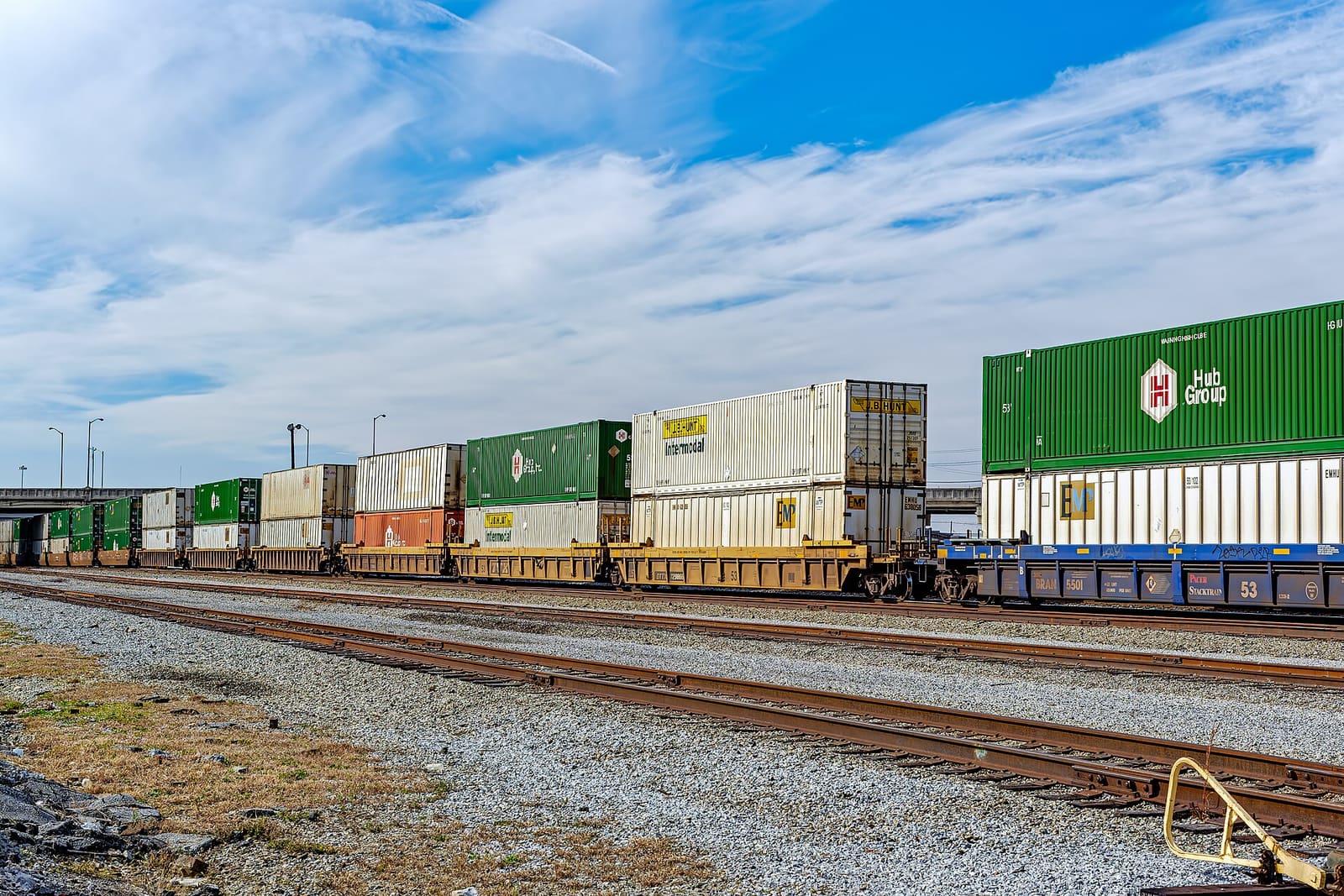
For importers and exporters working with a freight forwarder, the projects worth watching under the Gati Shakti umbrella are the ones that directly touch inland movement: last-mile road connectivity to inland container depots and ports, the continued build-out of the Dedicated Freight Corridor network for rail, and multimodal logistics parks designed to let cargo switch between road, rail and warehousing with minimal handling. Industrial corridor projects tied to manufacturing clusters — auto, electronics, pharmaceuticals — are also directly relevant, since these determine where new export-oriented factories are likely to cluster and which ports or inland depots will see rising volume as a result.
Measuring Impact: Coordination Over Headline Numbers
It's tempting to look for a single number that proves Gati Shakti has "worked," but the more honest way to read its progress is through coordination outcomes: fewer infrastructure projects stalled for lack of connecting links, faster approval cycles for projects that clear the multi-ministry review, and closer alignment between new industrial zones and the transport capacity to serve them. Readers who want the government's own account of progress can consult the official Gati Shakti portal directly, and our team encourages clients to treat any turnaround-time claim from a secondary source with appropriate caution until verified against a primary release.
The Press Information Bureau published a detailed one-year progress report on PM Gati Shakti covering its first twelve months of implementation, which remains a useful primary reference for understanding how the platform was rolled out across ministries and what its early priorities were.
Download: PM Gati Shakti One-Year Progress Report (PIB)Practical Takeaways for Shippers
- Ask your forwarder about newly connected inland routes. As Gati Shakti-coordinated projects come online, previously slower inland legs to ports or ICDs may become faster or cheaper — this is worth revisiting periodically rather than assuming your existing routing is still optimal.
- Watch industrial corridor announcements in your sector. If your supply chain touches a manufacturing cluster benefiting from coordinated infrastructure investment, transit times on that specific lane may improve faster than the national average.
PM Gati Shakti sits alongside other major programs shaping India's freight landscape — we've covered the broader India logistics sector outlook for 2026, the National Logistics Policy that complements this infrastructure push, and the current progress of India's Dedicated Freight Corridors, one of the rail projects most closely tied to Gati Shakti planning. For a comparative look at how large-scale, multi-country infrastructure coordination plays out elsewhere, see our piece on the Belt and Road Initiative and trade infrastructure. You can review the official Gati Shakti platform overview directly at pmgatishakti.gov.in, and track the Dedicated Freight Corridor Corporation of India's own project updates at dfccil.com.
RR Brothers and Logistics tracks these infrastructure developments as part of how we plan inland routing for clients moving cargo into and out of India. As Gati Shakti-coordinated projects mature, we adjust our recommended routings and lead times accordingly, so clients get a current answer rather than an outdated assumption about how fast cargo can move inland.
Frequently Asked Questions
PM Gati Shakti is a digital platform launched in October 2021 that coordinates infrastructure planning across sixteen government ministries, including Railways and Roadways. It affects freight movement by helping ensure new roads, rail lines, ports and industrial zones are planned together rather than in isolation, reducing connectivity gaps that historically caused bottlenecks.
Last-mile road connectivity to ports and inland container depots, the Dedicated Freight Corridor rail network, and multimodal logistics parks are the categories most directly relevant to importers and exporters, since they shape how quickly cargo can move between origin, port and destination.
Progress is best measured through coordination outcomes — fewer stalled projects, faster multi-ministry approvals, and better alignment between industrial zones and transport capacity — rather than a single turnaround-time figure. For current official data, consult the PM Gati Shakti portal and PIB progress releases directly.
No. Gati Shakti is a coordination and planning layer that incorporates data from existing schemes like Bharatmala (highways) and Sagarmala (ports) rather than replacing them, helping ensure these programs are sequenced together instead of built independently.