The Panama Canal Authority has announced its fifth consecutive reduction to maximum authorized draft at the Neopanamax locks since early July 2026, cutting the limit to 48 feet (14.63 meters) effective August 26, with a further cut to 47.5 feet (14.48 meters) scheduled for September 3. The restrictions have stepped down steadily over the summer — from 49.5 feet in early July, to 49.0 feet on July 24, to 48.5 feet on August 15, and now to 48 feet.
Why This Is Happening
The draft limit is set based on current and projected water levels in Gatun Lake, which feeds the canal's lock system. According to reporting from gCaptain, the restrictions come as forecasters warn of a developing El Niño pattern that NOAA's Climate Prediction Center puts at an 81% chance of reaching "very strong" status by late 2026 — raising the risk of below-normal rainfall across Central America through the rest of the year. In plain terms: this isn't a one-off adjustment, it's a response to a weather pattern that could keep pressuring water levels for months.
What Draft Restrictions Actually Mean for a Vessel
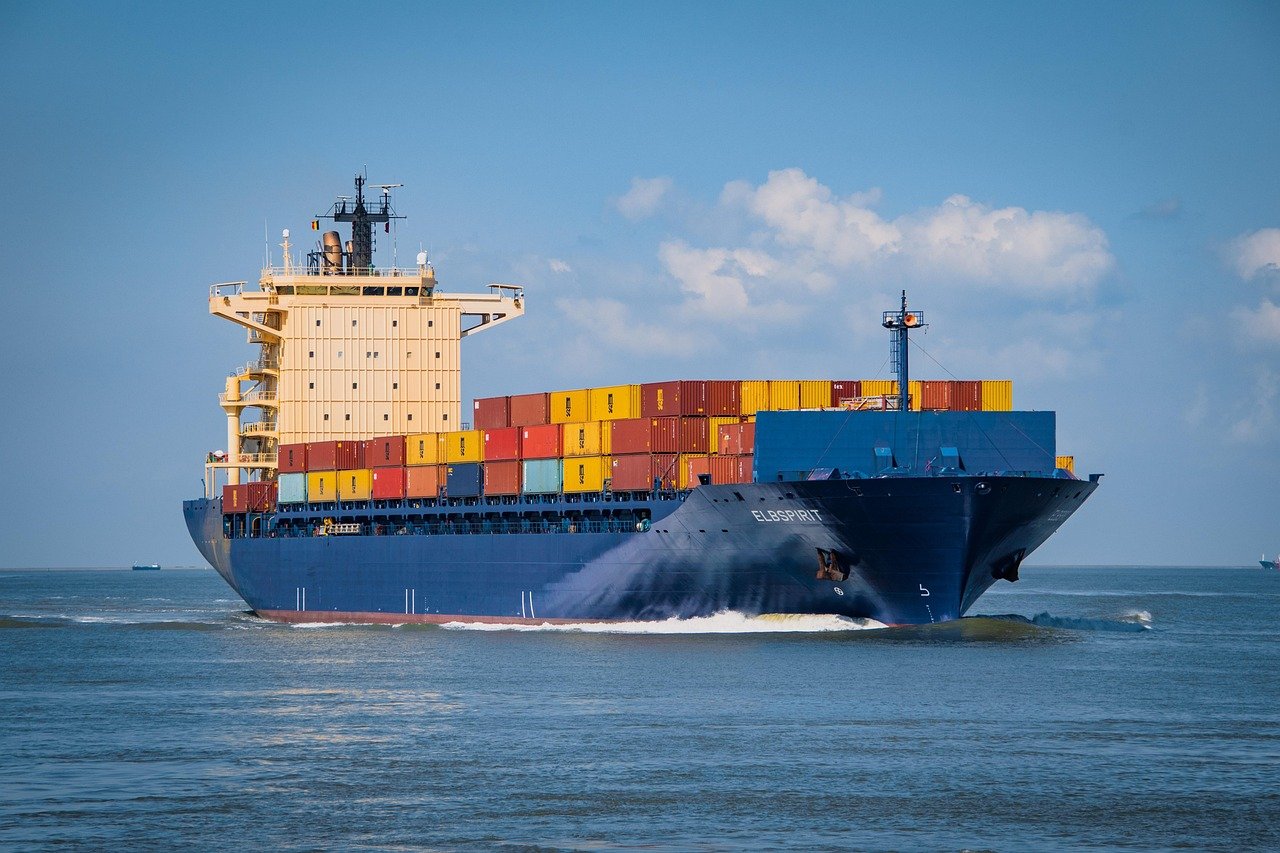
A lower maximum draft means a vessel can't sit as deep in the water, which in practice means it has to carry less cargo weight to stay within the limit — regardless of how much container volume it could physically hold. For a large Neopanamax vessel, each incremental draft restriction can mean leaving meaningful tonnage behind at the load port, which either gets rolled to a later sailing or rerouted via an alternative corridor. The good news buried in the restrictions: the Canal Authority has confirmed the draft adjustments won't reduce the number of daily vessel transits — this is a cargo-weight constraint, not a capacity or scheduling one.
Who Feels This the Most
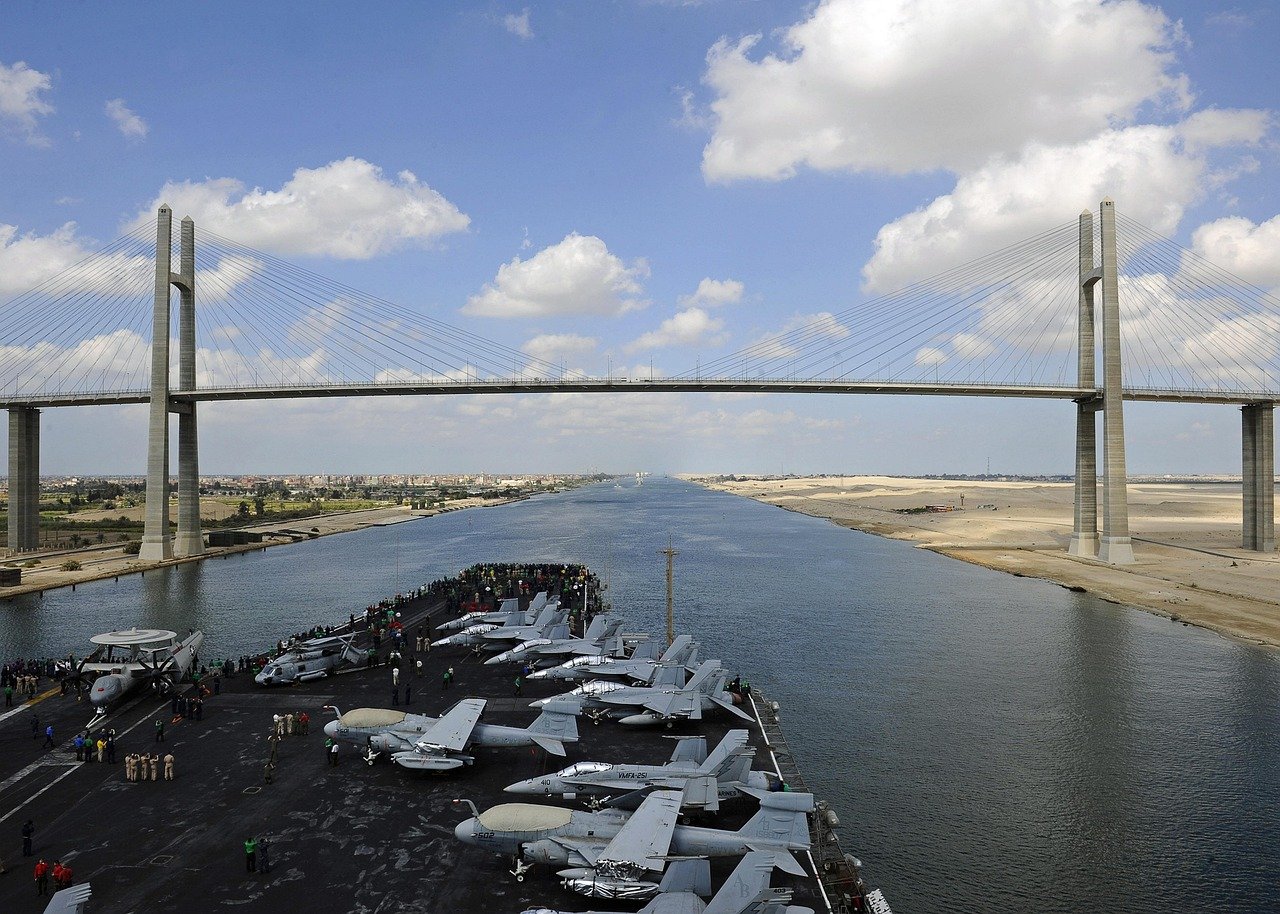
US East and Gulf Coast-bound cargo transiting from Asia via Panama is the most directly exposed, since that routing depends on the canal specifically rather than treating it as one option among several. Shippers with flexibility to route via the US West Coast with inland rail, or via the Suez Canal into East Coast ports, have more room to absorb these restrictions than those locked into an all-water Panama routing. We cover this exact trade-off in our guide to the Panama Canal drought and its global shipping impact, and for a side-by-side look at the alternatives, our comparison of Los Angeles/Long Beach versus New York/New Jersey ports is a useful reference if you're weighing a routing change.
Our Take
If you have bookings scheduled for late August or September specifically, this is worth raising with your forwarder now rather than assuming your cargo will load as planned — vessel loading plans are exactly what's affected here, and with El Niño risk still building, it would not be surprising to see further restrictions before conditions improve. Building in an alternative routing option as a backup is a reasonable precaution for anyone shipping heavy or dense cargo through this corridor over the coming months.