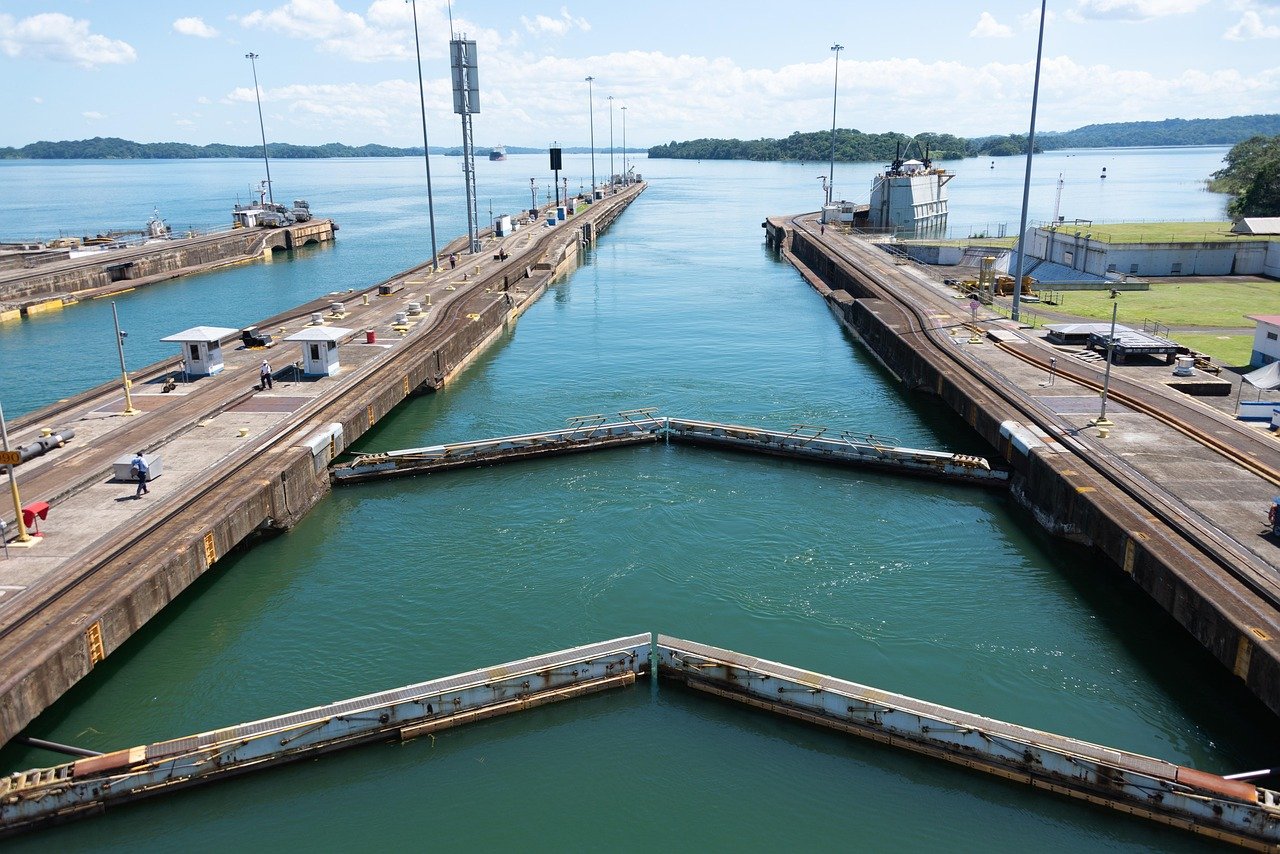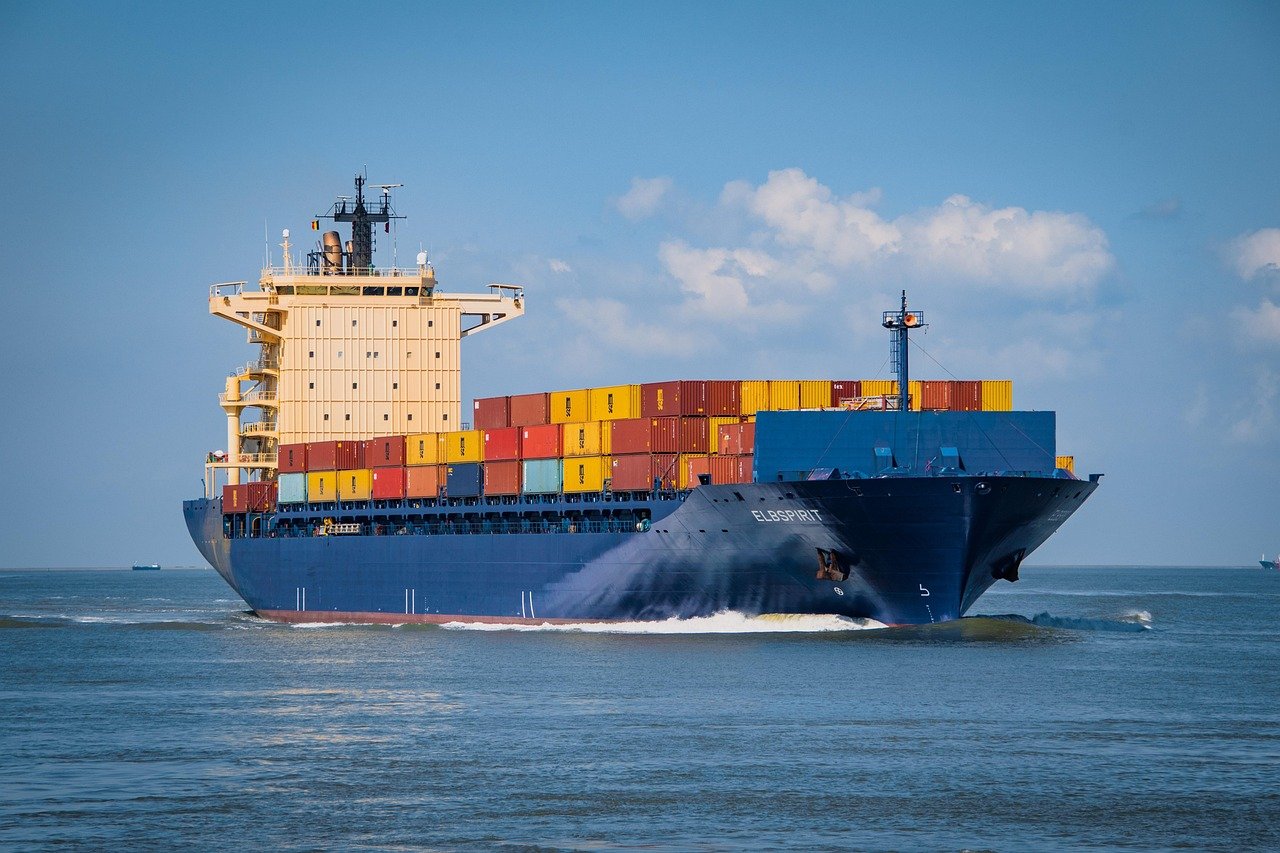
Suez Canal traffic has climbed to its highest level in more than two years, with close to 1,090 transits recorded over the past four weeks — the strongest four-week stretch since January 2024, according to Lloyd's List Intelligence's latest Red Sea brief. It's a meaningful shift after nearly two years in which most container lines avoided the route entirely following repeated Houthi attacks on shipping in the Bab el-Mandeb strait, rerouting instead around the Cape of Good Hope at significant extra cost and transit time.
Who's Actually Coming Back
The recovery is being led by containerships and LNG carriers rather than tankers, which remain more cautious. MSC has run seven vessels through the Bab el-Mandeb in the past two weeks alone, and Maersk has said that more than 30% of its Asia-Europe volume previously routed around Africa has now shifted back to the Suez corridor, per reporting from Seatrade Maritime. Even so, overall canal traffic remains roughly 41% below pre-crisis levels — this is a real recovery, not a full return to normal.
The Cost Side Hasn't Caught Up With the Confidence
War-risk insurance premiums for Red Sea transits climbed to around 1.0% of a vessel's hull value in the third quarter of 2026 — which, for a large containership, can add several hundred thousand dollars to a single voyage. That's the detail worth sitting with: carriers are voting with their capacity that the route is viable again, but the insurance market hasn't fully caught up, which tells you the underlying security situation is still considered fragile rather than resolved. A carrier resuming Suez routing today is making a calculated bet, not declaring the crisis over.
What This Means If You're Booking Asia-Europe or Asia-Middle East Freight
For shippers, the practical impact cuts both ways. Transit times on lanes that had been rerouted around Africa should start compressing back toward pre-crisis norms as more capacity returns to Suez, which is good news for lead-time planning. At the same time, rates aren't guaranteed to fall in lockstep — the added war-risk premium some carriers are still pricing in, plus the general volatility of a partially-recovered route, means it's worth asking any forwarder quoting a Suez routing whether that premium is already built into the number or will show up as a surcharge later. For background on how this crisis reshaped routing in the first place, see our deeper explainer on the Red Sea crisis and shipping reroutes, and for the alternative many shippers adopted during the worst of it, our guide to China-Europe rail versus the Suez Canal route is worth a look if rail capacity is still part of your contingency plan.
Our Take
We wouldn't recommend abandoning contingency routing yet. A route that's recovering under an elevated insurance premium, with security conditions still described as fragile by the people pricing that risk, is not the same as a route that's back to business as usual. If you're planning bookings several weeks out, it's worth asking your forwarder for routing flexibility rather than locking into Suez-only planning at this stage.