Two Machines, Two Very Different Jobs
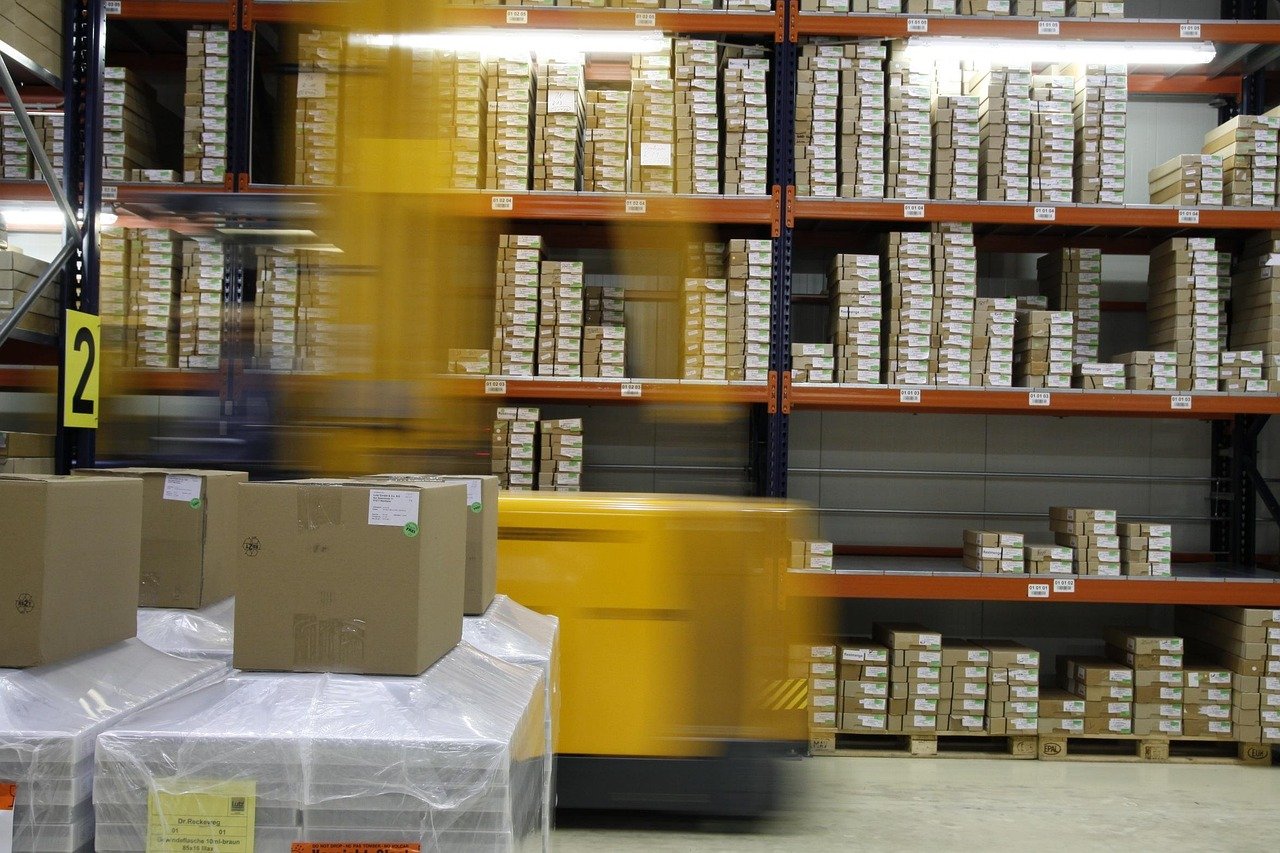
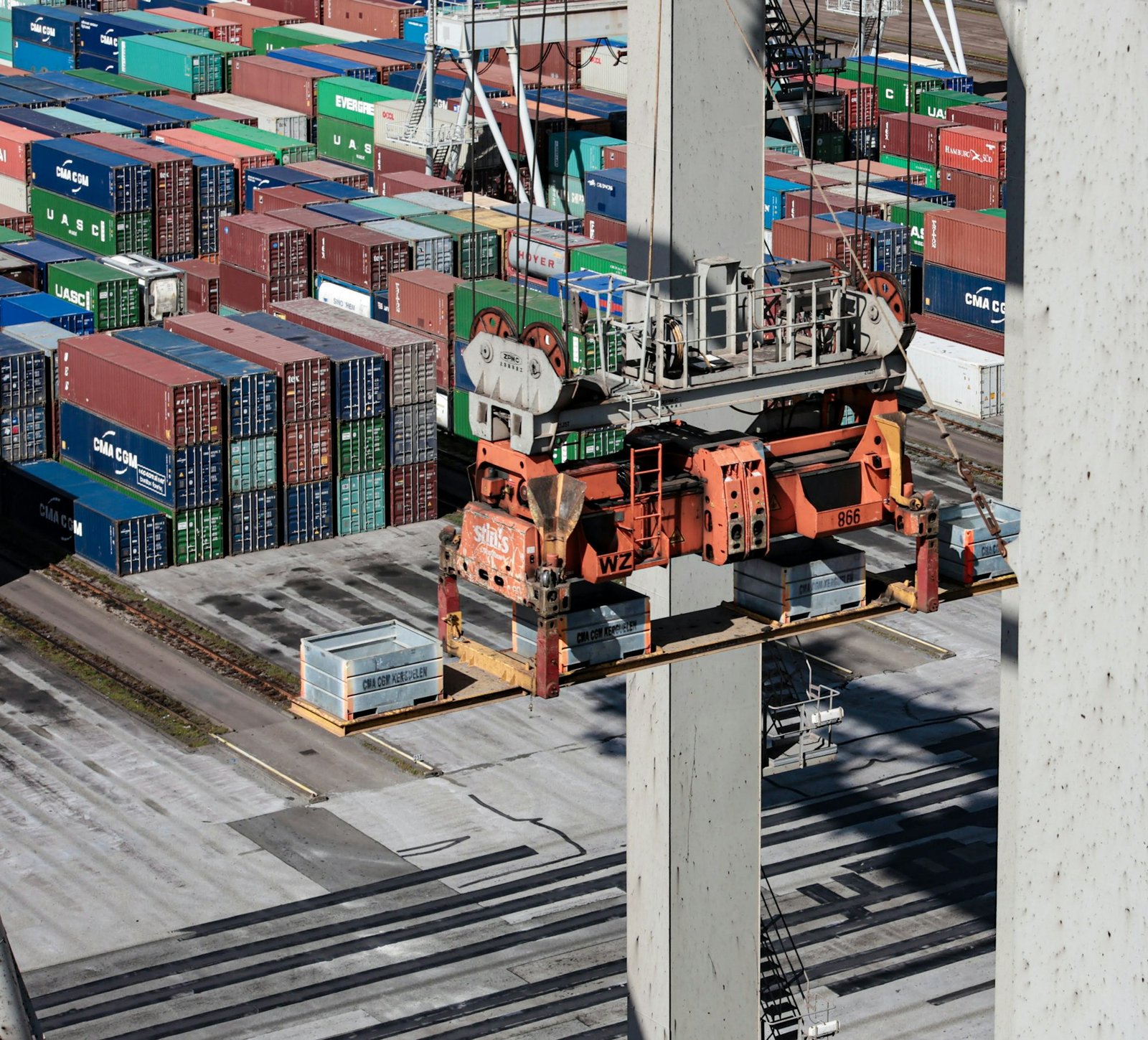
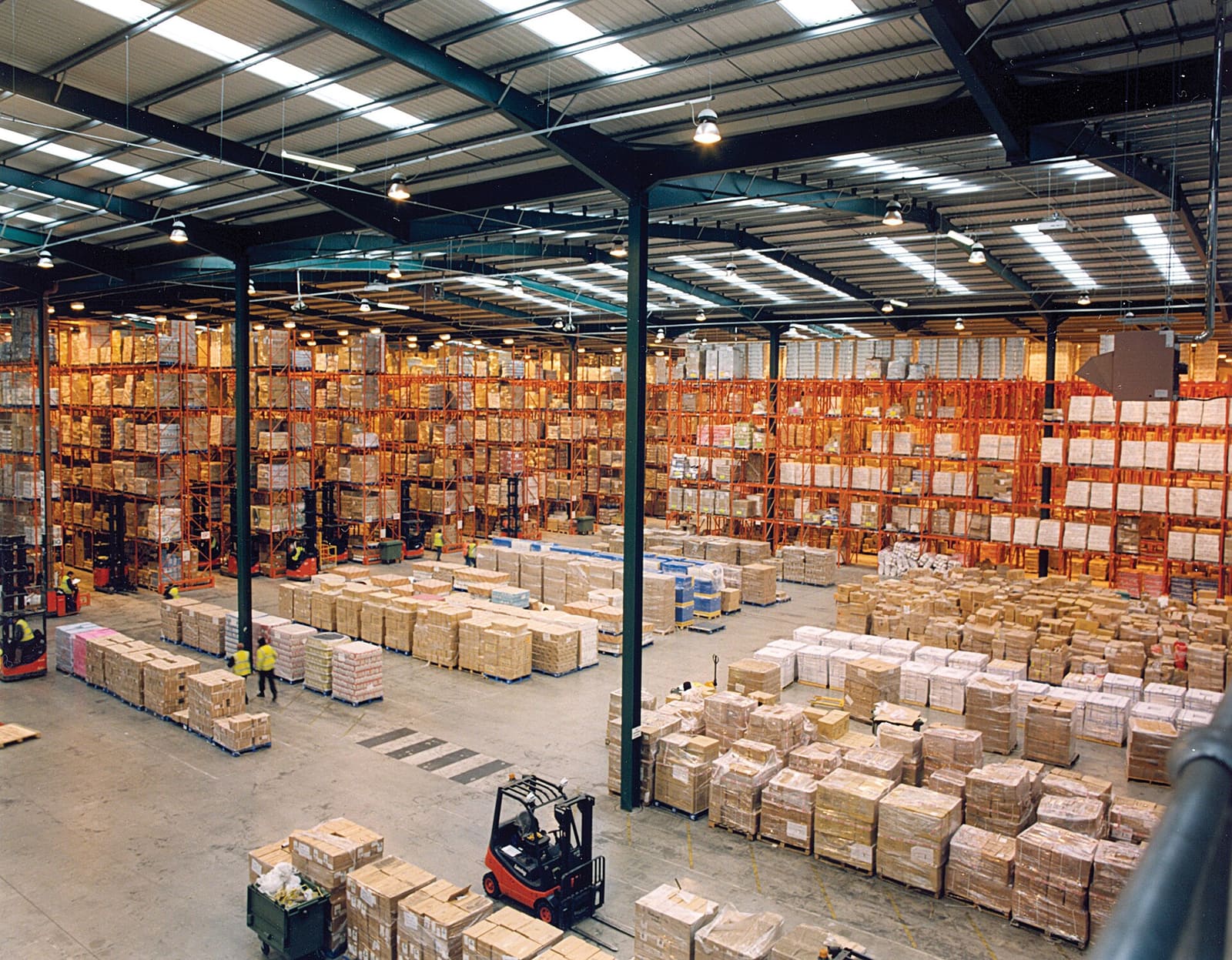
"Autonomous material handling" gets used as a catch-all term, but two distinct categories of equipment sit underneath it, and confusing them leads to poor investment decisions. Autonomous forklifts operate inside a warehouse or distribution center, lifting and moving palletized loads between storage racks, staging lanes, and dock doors along mapped indoor routes. Autonomous yard trucks — also called yard tractors, terminal tractors, or spotter trucks — do something different entirely: they move trailers and containers around an outdoor yard or a port and rail terminal, shuttling loaded trailers from a parking area to a dock door or repositioning containers within a container terminal. Both fall under the broader umbrella of warehouse automation, and both are increasingly common sights in transportation logistics networks, but they solve different operational problems and involve different navigation, safety, and regulatory considerations.
What's Driving Adoption in 2026
The market data on autonomous forklifts tells a consistent story: this is no longer a niche pilot technology. Industry analysts now place the global autonomous forklift market in the range of roughly $5.6–6 billion in 2025–2026, with double-digit annual growth projected through the early 2030s as adoption moves from isolated pilots to repeatable, multi-site programs. The single biggest driver cited across market research is the warehouse labor shortage — a persistent, structural problem across North America, Europe, and parts of Asia that shows no sign of resolving on its own. Survey data from industry reports finds that a large majority of warehouse operators report ongoing labor shortages, and a substantial share have responded by increasing automation spending specifically to protect throughput without proportionally growing headcount. E-commerce volume growth compounds the pressure, since many fulfillment operations now need to run 24/7 rather than a single or double shift, and staffing three shifts of forklift operators is far harder than staffing three shifts around a smaller team supervising autonomous units.
The ROI Case: Where the Numbers Come From
The return-on-investment case for autonomous forklifts rests on a few concrete, measurable factors rather than vague productivity promises. First, cost-per-pallet-move economics improve when a facility can run autonomous units continuously across shifts without the incremental labor cost of a third shift of human operators. Second, accuracy gains matter: autonomous units following mapped routes and using sensor-guided placement can reduce misplacement and damage compared with manual operation, particularly during high-volume or fatigue-prone periods. Reported figures from automation vendors suggest reductions in labor dependency and meaningful improvements in inventory handling accuracy compared to fully manual operations, though actual results vary by facility layout, SKU mix, and how well the deployment is planned. Third, and often underweighted in ROI discussions, is consistency — autonomous forklifts don't have off days, and a well-maintained fleet performs the same repetitive move at 3 a.m. as it does at 3 p.m., which matters for operations trying to hit tight transportation logistics delivery windows.
Autonomous Yard Trucks: A Different Operating Environment
Yard operations present a different automation challenge than the inside of a warehouse. A container terminal or distribution yard is outdoors, exposed to weather, shared with third-party trucks arriving and departing on unpredictable schedules, and often laid out with less structured lane geometry than an indoor facility. Autonomous yard trucks built for this environment rely on a combination of GPS, lidar, and camera-based perception to navigate between parking spots, dock doors, and staging areas while avoiding pedestrians, parked trailers, and other traffic. The economic case here overlaps with the forklift case — labor shortages affecting yard jockey positions are just as real as those affecting forklift operators — but the safety case is arguably even more pronounced, since a yard environment mixes autonomous equipment with third-party drivers who have no familiarity with a given facility's automation protocols. Ports experimenting with autonomous yard trucks generally start in controlled, fenced zones before expanding to areas with more mixed traffic, mirroring the broader trend our companion article on port automation and smart terminals covers in more depth for container terminal operations specifically.
Autonomous Forklifts vs. Autonomous Yard Trucks
| Factor | Autonomous Forklifts | Autonomous Yard Trucks |
|---|---|---|
| Operating environment | Indoor warehouse | Outdoor yard / terminal |
| Typical cargo unit | Pallets | Trailers / containers |
| Navigation conditions | Mapped, controlled aisles | Weather-exposed, mixed traffic |
| Primary role replaced | Forklift operator | Yard jockey / spotter driver |
| Common deployment start point | Single repetitive route | Fenced, controlled zone |
Safety Considerations When Humans and Autonomous Equipment Share a Facility
- Sensor redundancy matters: reputable autonomous forklift systems combine lidar, cameras, and proximity sensors rather than relying on a single detection method, so a single sensor failure or momentary obstruction doesn't create a blind spot.
- Defined pedestrian zones reduce risk: facilities running mixed autonomous and manual operations generally see fewer incidents when walkways, crossing points, and equipment lanes are clearly marked and enforced rather than left to informal habit.
- Staff training has to cover both sides: workers need to understand not just how to avoid autonomous equipment but how that equipment is expected to behave, since predictable behavior on both sides is what actually prevents near-misses.
- Phased rollout beats a full-facility switch: starting with a single route or zone lets a facility validate safety performance and refine protocols before autonomous equipment shares space with workers across the whole operation.
Matching the Technology to the Task
Not every warehouse move is a good candidate for automation, and the operations seeing the strongest results are deliberate about which tasks they hand to autonomous forklifts. Repetitive, predictable, point-to-point moves — pallet transfers from a receiving dock to a fixed storage zone, or replenishment runs from bulk storage to pick faces — are close to ideal, because the route rarely changes and the decision-making required is minimal. Highly variable tasks, unusual load shapes, or situations requiring real-time judgment calls still tend to benefit from a human operator, at least with current-generation systems. This selective approach is consistent with how warehouse robotics has developed more broadly, which our article on warehouse robotics and automated storage systems explores — automation tends to work best when it's layered onto the most repetitive slice of a workflow rather than applied indiscriminately across an entire facility. Standards bodies including the International Organization for Standardization continue to publish updated safety guidance for industrial vehicles and automated systems as adoption grows, which is a useful reference point for any operation building out its own safety protocols.
Total Cost of Ownership: Beyond the Purchase Price
Purchase price is only one line item in the real cost of deploying autonomous forklifts, and operators who evaluate the technology purely on unit cost against a comparable manual forklift often misjudge the business case in both directions. On the cost side, facility mapping, charging infrastructure, network connectivity for fleet coordination, and integration with the warehouse management system all add to the initial outlay beyond the vehicles themselves, and ongoing software licensing or fleet-management subscription fees are common with most commercial platforms. On the savings side, the calculation needs to include not just direct labor cost avoided but the value of consistent, predictable throughput — a factor that's harder to quantify but matters enormously for facilities running tight delivery windows or supporting time-sensitive transportation logistics commitments to customers. Maintenance is its own consideration: autonomous units still need scheduled servicing like any forklift, but fleets also depend on sensor calibration and software updates that a facility's existing maintenance team may not be equipped to handle without additional training or a service contract with the equipment vendor. Facilities that build a realistic multi-year cost model — rather than comparing sticker price against a single year of labor savings — tend to make better decisions about which routes and zones are actually worth automating first. Fleet size also affects the math: a single autonomous unit carries a heavier fixed-cost burden per pallet moved than a coordinated fleet of five or six units sharing the same mapping infrastructure and management software, which is part of why many operators find that a modest multi-unit deployment on a genuinely high-volume route outperforms a single unit spread thinly across several lower-volume tasks.
What This Means for Transportation Logistics Planning
For shippers and warehouse operators, the rise of autonomous forklifts and yard trucks is less about replacing an entire workforce and more about protecting throughput in an environment where labor availability can no longer be assumed. Facilities that have integrated autonomous equipment into their transportation logistics operations report being able to maintain consistent handling capacity even during peak season staffing crunches, when finding enough qualified operators for a temporary volume surge has historically been one of the hardest planning problems in warehousing. As the technology matures and costs continue to decline, the calculation is shifting for a broader range of facility sizes, not just the largest enterprise operations that were the earliest adopters.
How RR Brothers and Logistics Can Help
Through our warehousing and distribution network, RR Brothers and Logistics works with facilities across different stages of automation adoption, from fully manual operations to sites running autonomous equipment for repetitive pallet moves. Whether a client's cargo is moving through a highly automated distribution center or a more traditional facility, our role as a transportation logistics partner is to make sure that handling, storage, and onward movement stay coordinated and predictable regardless of which equipment is doing the physical work behind the scenes.
Frequently Asked Questions
An autonomous forklift operates indoors within a warehouse or distribution center, following mapped routes to move pallets between storage, staging, and dock areas. An autonomous yard truck, sometimes called a yard tractor or terminal tractor, moves trailers and containers around an outdoor yard or port terminal, a very different operating environment with its own navigation and safety requirements.
Persistent warehouse labor shortages, rising e-commerce volumes that require round-the-clock operations, and steadily improving sensor and navigation technology have combined to make autonomous forklifts a practical investment rather than an experimental one for many mid-size and large operations.
Modern autonomous forklifts use a combination of lidar, cameras, and proximity sensors to detect obstacles and people, automatically slowing or stopping when someone enters their path. Facilities still need clear operating protocols, defined pedestrian zones, and staff training to integrate autonomous units safely alongside manually operated equipment.
Autonomous forklifts perform best on repetitive, predictable moves between fixed points, such as transporting pallets from receiving to a designated storage zone or replenishing pick faces, rather than on complex or highly variable tasks that still benefit from a human operator's judgment.