The Shift From Clipboards to Software-Defined Yards
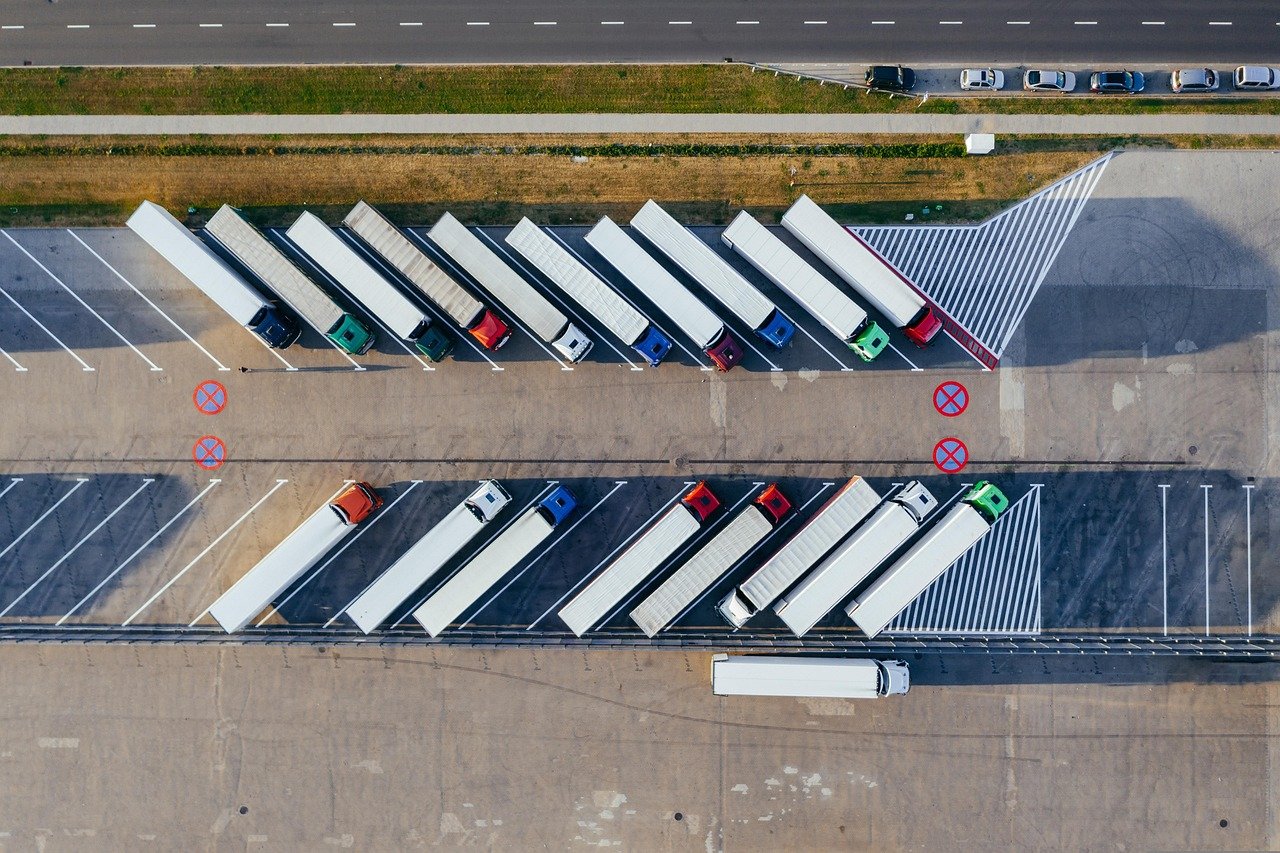
For decades, the space between the warehouse door and the highway — the yard — ran on radios, clipboards and whoever happened to be driving the spotter tractor that shift. A security guard logged trailers in at the gate, a yard jockey moved them by memory and instruction, and nobody in the building had a reliable, real-time answer to a simple question: where exactly is trailer 4471 right now, and which dock door is it headed to? Autonomous yard management software exists to close that gap. It is the coordination layer that gives a distribution yard the same kind of real-time visibility a warehouse management system gives the building behind it, and it has become one of the more consequential pieces of transportation logistics technology precisely because the yard has historically been such a blind spot.
What "Autonomous" Actually Means Here
It is worth being precise about terminology, because "autonomous yard management" covers two related but distinct things. One is the physical equipment — autonomous yard trucks and automated spotter tractors that move trailers between parking spots and dock doors without a human driver in the cab, a topic our companion piece on autonomous forklifts and yard trucks covers directly. The other, and the focus of this article, is the software layer: the system that decides which trailer goes where, assigns dock doors, tracks every asset's location in close to real time, and automates the gate check-in and check-out process. A yard can run a capable yard management platform without operating a single autonomous vehicle, coordinating human yard jockeys instead — and in practice, that is still the more common setup today. The software and the equipment are complementary, not the same thing, and conflating them understates how much of the value in a modern yard actually comes from better coordination rather than driverless hardware.
What the Software Layer Actually Does
In practice, a modern platform earns its place in a transportation logistics technology stack by handling four jobs that used to depend entirely on radio calls and a supervisor's memory.
- Real-time trailer tracking. Platforms maintain a continuously updated map of every trailer, tractor and piece of yard equipment using some combination of RFID tags, GPS devices, barcode scans or — increasingly — computer vision applied to existing gate, yard and dock cameras that read trailer numbers without requiring a tag on every asset.
- Automated dock-door assignment. Rather than a yard supervisor manually matching trailers to doors over the radio, the system checks outbound staging assignments, inbound appointment schedules and each door's specific requirements, then assigns an available trailer to the right door automatically, building a sequencing schedule for the day.
- Digital check-in and check-out. Drivers arriving at the gate interact with a kiosk, app or automated reader instead of handing paperwork to a guard, which timestamps arrival, verifies the appointment and routes the trailer to a parking spot or door without a manual log entry.
- Automated move requests. When a dock door opens up, some platforms automatically send a move request to the nearest available yard driver using live GPS data, and notify that driver by in-cab display or text message rather than relying on a dispatcher to notice and radio it in.
Tracking Technology: Tags, GPS or Cameras?
There is genuine debate within the industry about which tracking method actually dominates current deployments. Some large operations have gone all-in on hardware: one major crossdock facility runs a yard management system combining RFID and GPS technologies to handle more than 800 trailers a day, and Penske Logistics deployed a similar combined RFID-and-GPS approach at its Garland, Texas facility specifically to get real-time updates on the location, status and condition of its trucks and trailers. But a parallel body of vendor and buyer discussion suggests that tagging every trailer in a mixed fleet — including trailers owned by other carriers that pass through a yard only occasionally — is often impractical, which has pushed some platforms toward vision-based tracking instead: using cameras already mounted at gates, yard lanes and dock doors to read trailer numbers and reconcile what the cameras see against the software's recorded yard map, rather than depending on tags that a visiting trailer may not have.
What a Deployment Actually Looks Like
Vendor implementations vary, but the pattern is fairly consistent across the market. Manhattan Associates' yard product, for example, is pitched around trailer prioritization and automatic door assignment triggered by outbound staging: the system checks which staging assignments are tied to which dock doors and selects an available trailer to fill that need, rather than leaving the match to a supervisor's judgment call. Yard Management Solutions takes a similar approach with a feature it calls Magic Dock, which scans the day's appointments, the trailers currently available in the yard, and each door's preset requirements to automatically build a per-door sequencing schedule that follows a customer's own rules. Opendock's platform, aimed more squarely at trucking and brokerage use cases, focuses on moving trucks from a waiting area to an assigned parking spot or door and notifying the driver by text message once that assignment is made. None of these platforms require a shipper to overhaul its physical yard; they sit on top of the existing gate, parking layout and dock doors and change how moves are decided and communicated — which is a big part of why adoption has spread faster through transportation logistics operations than equipment-heavy automation has.
Why the Yard Became a Priority
The case for investing in autonomous yard management is ultimately about two costs: dwell time and detention. A trailer sitting idle in a yard while its assigned dock door stands empty is lost throughput, and a driver waiting at a gate or a door past a reasonable loading window is a direct cost that carriers increasingly pass back through detention charges. The safety dimension is also real and documented: a U.S. Federal Motor Carrier Safety Administration Office of Inspector General review found that a 15-minute increase in average dwell time was associated with a 6.2% increase in expected crash rate, a reminder that yard inefficiency does not stay contained to the yard — it pushes fatigued, time-pressured drivers back onto the road. For shippers and forwarders managing transportation logistics across multiple facilities, a yard that cannot report accurate trailer locations or dock availability becomes a recurring source of exactly these costs, which is why the software layer has moved from a nice-to-have to a standard line item in warehouse and distribution center technology budgets.
From Yard Management System to Yard Operating System
Industry observers increasingly describe a shift from a traditional Yard Management System (YMS), which largely digitizes and tracks what a yard supervisor used to do manually, toward what some vendors now call a Yard Operating System (YOS) — a platform that generates its own live location data directly, rather than waiting for a human to key in a move, and can act on that data by triggering automated dock assignments or dispatching the nearest available driver on its own. That distinction matters for anyone evaluating autonomous yard management platforms today: the more mature end of the market is less about digitizing a paper log and more about closing the loop between detecting a change in the yard and acting on it without a person in between. Some vendors claim a well-implemented system can cut truck waiting times by as much as 40%, though that figure comes from vendor marketing rather than independent benchmarking and should be treated as directional rather than guaranteed.
How This Connects to the Rest of the Distribution Center
None of this happens in isolation from what is going on inside the four walls. A yard management platform is only as useful as its connection to the warehouse management system and the appointment scheduling that drives cross-docking operations; our related article on cross-docking strategies for faster distribution looks at how tightly sequenced inbound-to-outbound flows depend on exactly the kind of accurate, real-time trailer visibility that autonomous yard management is built to provide. Get the yard software wrong, and a cross-docking operation built around tight transfer windows has no reliable way to know when the inbound trailer it is waiting on has actually arrived.
Questions Worth Asking Before Choosing a Platform
Not every facility needs the most advanced platform on the market, and the right starting point depends heavily on yard size, trailer mix and how many outside carriers pass through on a given day. A few questions tend to separate a genuinely useful deployment from an expensive dashboard nobody uses.
- How does it track trailers that are not tagged? Mixed yards with trailers from multiple carriers need a tracking approach that works on assets the facility does not own or control, which usually rules out tag-only systems.
- Does it integrate with the warehouse management and transportation management systems already in place? A yard platform that cannot share appointment and staging data with the rest of the stack recreates the same blind spot in a different form.
- How is an exception actually surfaced? A trailer stuck in the wrong spot or a door left idle needs to generate an alert a human can act on quickly, not just a data point buried in a report.
- What happens during a system outage? Gate and yard operations cannot stop because software is down, so a credible platform needs a documented manual fallback process.
How RR Brothers and Logistics Can Help
RR Brothers and Logistics works with warehousing and distribution partners across our global network who are increasingly running yards on exactly this kind of coordinated software, which translates into more predictable dock scheduling and fewer unplanned delays for the cargo we move on behalf of clients. As transportation logistics increasingly depends on visibility at every handoff point — not just at sea or on the road, but in the yard between them — our team can help structure warehousing and distribution plans that account for how a partner facility actually tracks and moves freight once it arrives. Download our company brochure (PDF) for a full overview of our services and global network.
Frequently Asked Questions
It is software that maintains a live, continuously updated map of every trailer, tractor and dock door across a distribution yard, and automates tasks such as dock-door assignment and driver check-in that were previously handled by radio and paper logs.
Not necessarily. Some platforms do use RFID or GPS hardware, but a growing number rely instead on existing gate, yard and dock cameras combined with gate-event data to maintain an accurate yard picture without tagging every trailer.
Yard management software is the coordination layer: it tracks trailers, assigns dock doors and sequences moves. Autonomous yard trucks and forklifts are the physical equipment that executes those moves. The two work together, but a yard can run better scheduling software without necessarily operating autonomous vehicles, and vice versa.
Its main job is preventing trailers from sitting idle while dock doors stand empty, or several trailers competing for one door at once, by matching inbound trailers to available doors and drivers in close to real time rather than relying on radio calls and manual logs.