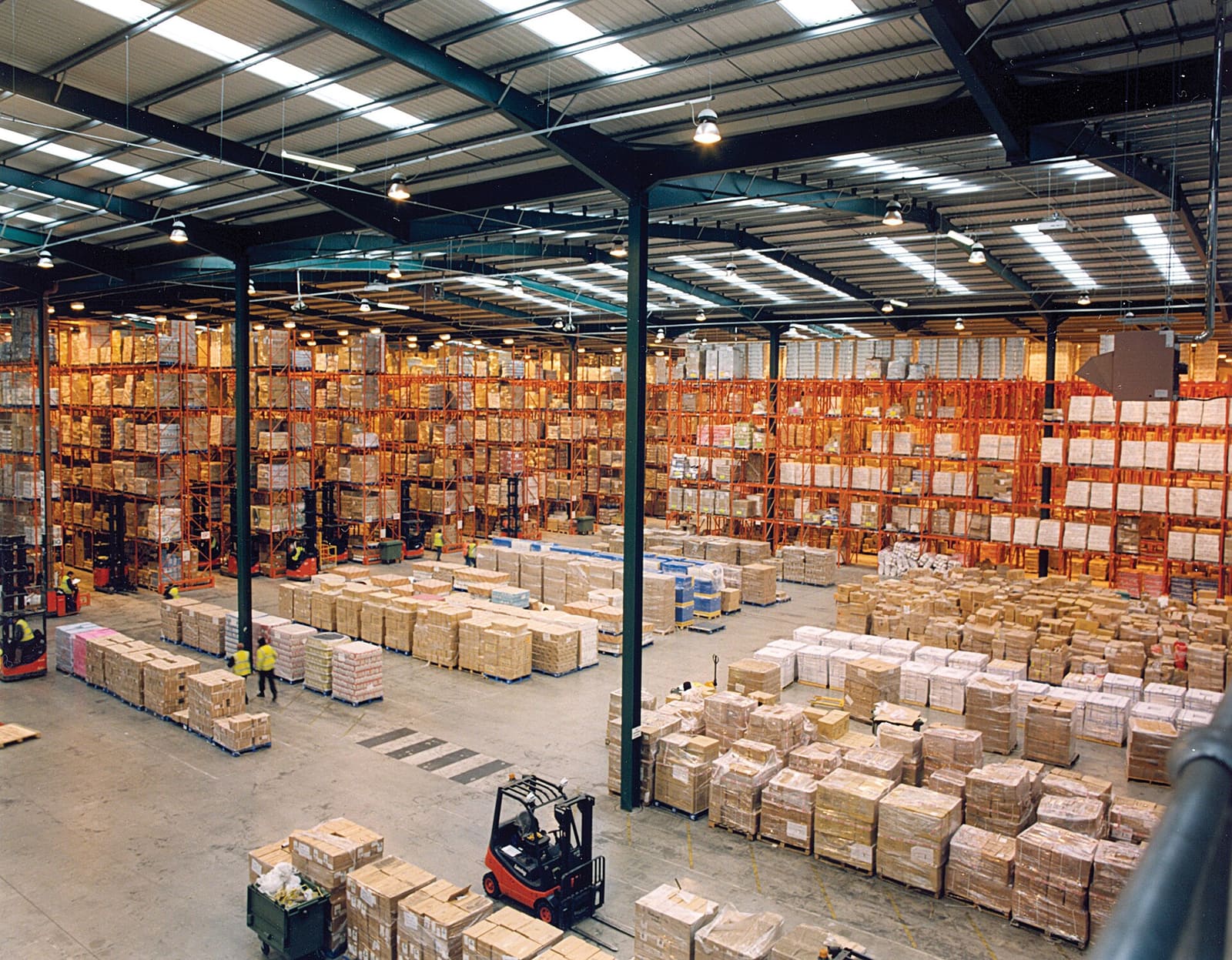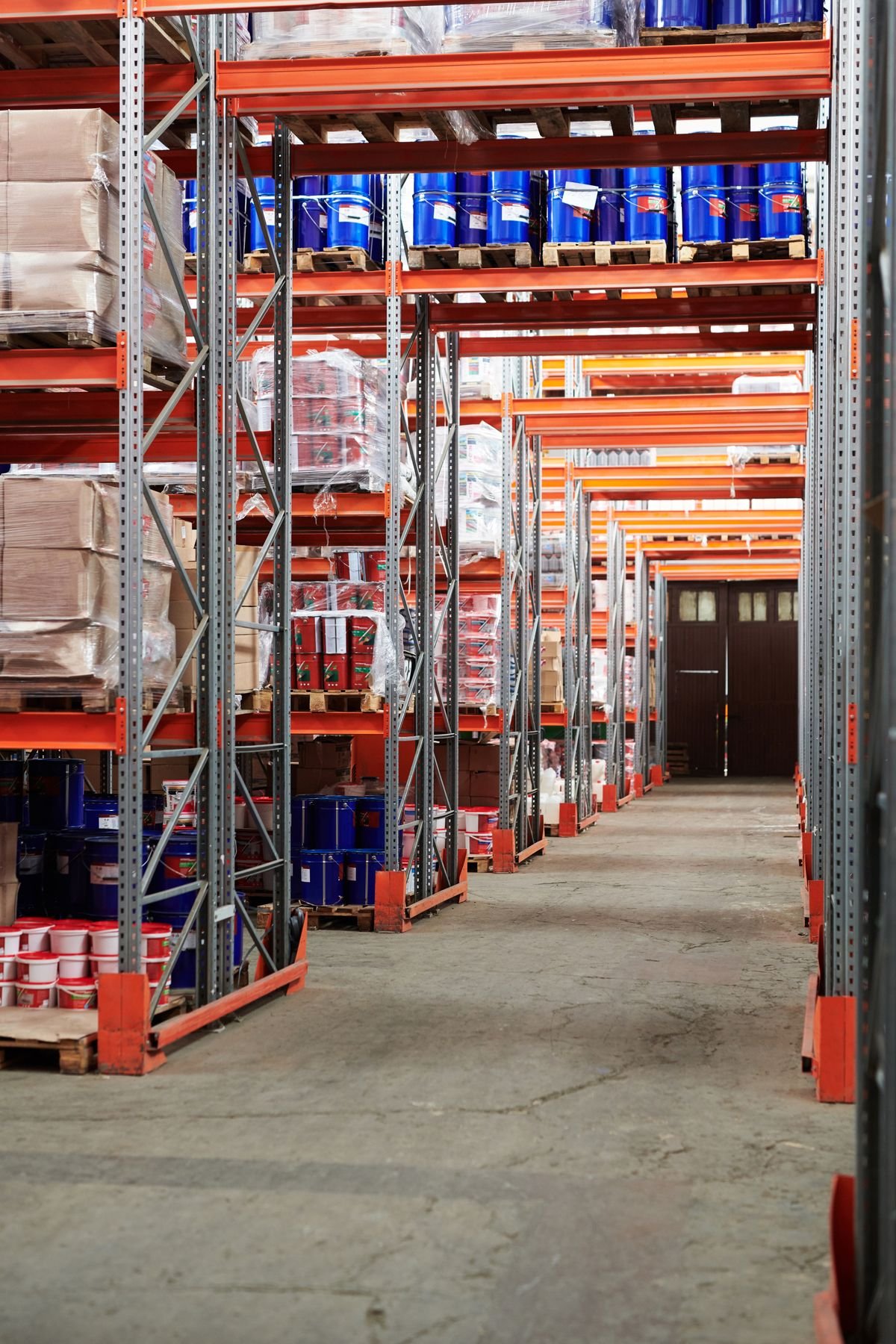
Most warehousing exists to store inventory until it's needed. Cross-docking does almost the opposite — it's built to move freight through a facility as fast as possible, with storage treated as a failure mode rather than the point of the operation. For the right freight profile, that difference in design philosophy translates directly into faster transportation logistics networks and meaningfully lower handling costs.
How Cross-Docking Actually Works
In a cross-dock operation, inbound trailers arrive at one set of dock doors, and the freight they carry is unloaded and moved — often directly across the facility floor — onto outbound trailers waiting at another set of doors, typically within 24 hours and often within just a few hours. There's little to no put-away into storage racking and no pick-and-pack cycle in between; the freight is usually already sorted or pre-allocated to its outbound destination before it even arrives, so the facility's job is coordination and flow, not inventory management.
What Freight Profiles Suit Cross-Docking Best
- High-volume, predictable-demand goods — retail replenishment stock moving on a regular cadence is the classic use case, since demand patterns are known well enough in advance to pre-allocate freight to specific stores or regions.
- Perishables and time-sensitive goods — minimizing dwell time matters directly for shelf life, making cross-docking a natural fit for produce and other perishable categories.
- Pre-sorted e-commerce orders — consolidated shipments already broken down by destination region can flow straight through rather than being re-sorted at a distribution center.
Slow-moving SKUs, unpredictable demand, or freight that needs to be held for order consolidation generally don't benefit — those profiles need the buffering function a conventional distribution center provides, which cross-docking is deliberately not designed to offer.
Cross-Docking vs. Conventional Warehousing
| Factor | Conventional Warehousing | Cross-Docking |
|---|---|---|
| Typical dwell time | Days to months | Hours, under 24 |
| Storage racking needed | Extensive | Minimal to none |
| Demand pattern needed | Can absorb variability | Needs predictable demand |
| Scheduling precision required | Moderate | High — tight inbound/outbound coordination |
What Makes Cross-Docking Work Operationally
The model lives or dies on scheduling precision. Facilities need accurate advance shipping notices well before a truck arrives, so staff know exactly what's inbound and where it needs to go the moment it's unloaded. Enough dock doors to handle simultaneous inbound and outbound trailers are essential, and even modest scheduling slippage on one inbound truck can cascade into missed outbound departure windows across several destinations. This is a meaningfully tighter operational requirement than conventional warehousing, where a delayed inbound shipment simply sits in storage a bit longer without disrupting anything downstream.
How This Connects to Freight Consolidation
Cross-docking often works hand-in-hand with LCL consolidation strategies — freight from multiple shippers can be cross-docked into a single consolidated outbound load rather than each shipper's cargo moving separately. Our guide on freight consolidation and LCL container sharing covers the consolidation side of this in more depth, and the two strategies frequently combine in practice to squeeze more efficiency out of a distribution network.
How RR Brothers and Logistics Can Help
For clients running high-volume, predictable freight lanes — particularly retail and e-commerce replenishment out of China — RR Brothers and Logistics can help evaluate whether a cross-docking approach fits your distribution pattern, and coordinate the tight scheduling a cross-dock strategy requires across multiple carriers and modes.
Frequently Asked Questions
Cross-docking is a distribution method where inbound freight is unloaded from one trailer and loaded directly onto outbound trailers, with little or no time spent in storage — typically under 24 hours at the facility.
High-volume, predictable-demand goods such as retail replenishment stock, perishables needing minimal dwell time, and pre-sorted e-commerce orders tend to suit cross-docking best. Slow-moving or highly variable-demand SKUs generally don't benefit as much.
A regular distribution center stores inventory for days, weeks or longer before it ships out. A cross-dock facility is designed around flow-through, not storage — freight arrives already sorted or pre-allocated to its outbound destination and moves through the facility quickly.
Precise inbound/outbound scheduling, accurate advance shipping notices so staff know what's arriving and where it needs to go, and enough dock doors to handle simultaneous unloading and loading are all essential — cross-docking fails quickly without tight coordination.