Gujarat's Manufacturing Belt, One Step Inland
Ahmedabad sits at the centre of Gujarat's industrial economy — textiles and denim, pharmaceuticals and active ingredients, chemicals, ceramics, and engineering goods all cluster around the city and its surrounding districts. None of that changes the basic geography: Ahmedabad itself has no port, so every China-origin container bound for the city arrives first at one of Gujarat's coastal gateways and completes its journey inland. For a freight forwarder booking China to India cargo into this corridor, the real work happens in two places — choosing the right coastal port for the ocean leg, and choosing the right inland routing to get the container the rest of the way to an Ahmedabad-area warehouse.
Which Gujarat Port Feeds Ahmedabad
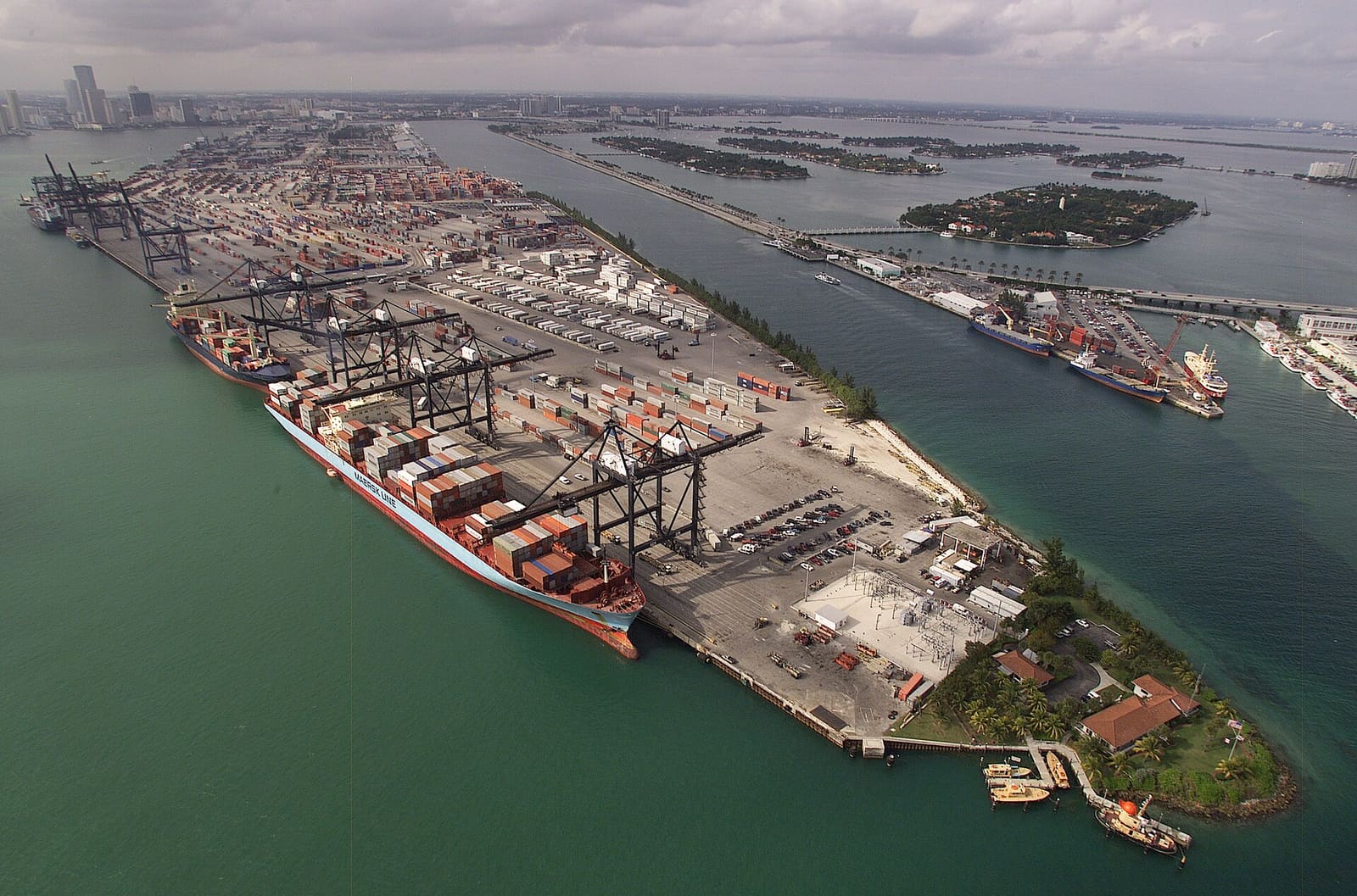
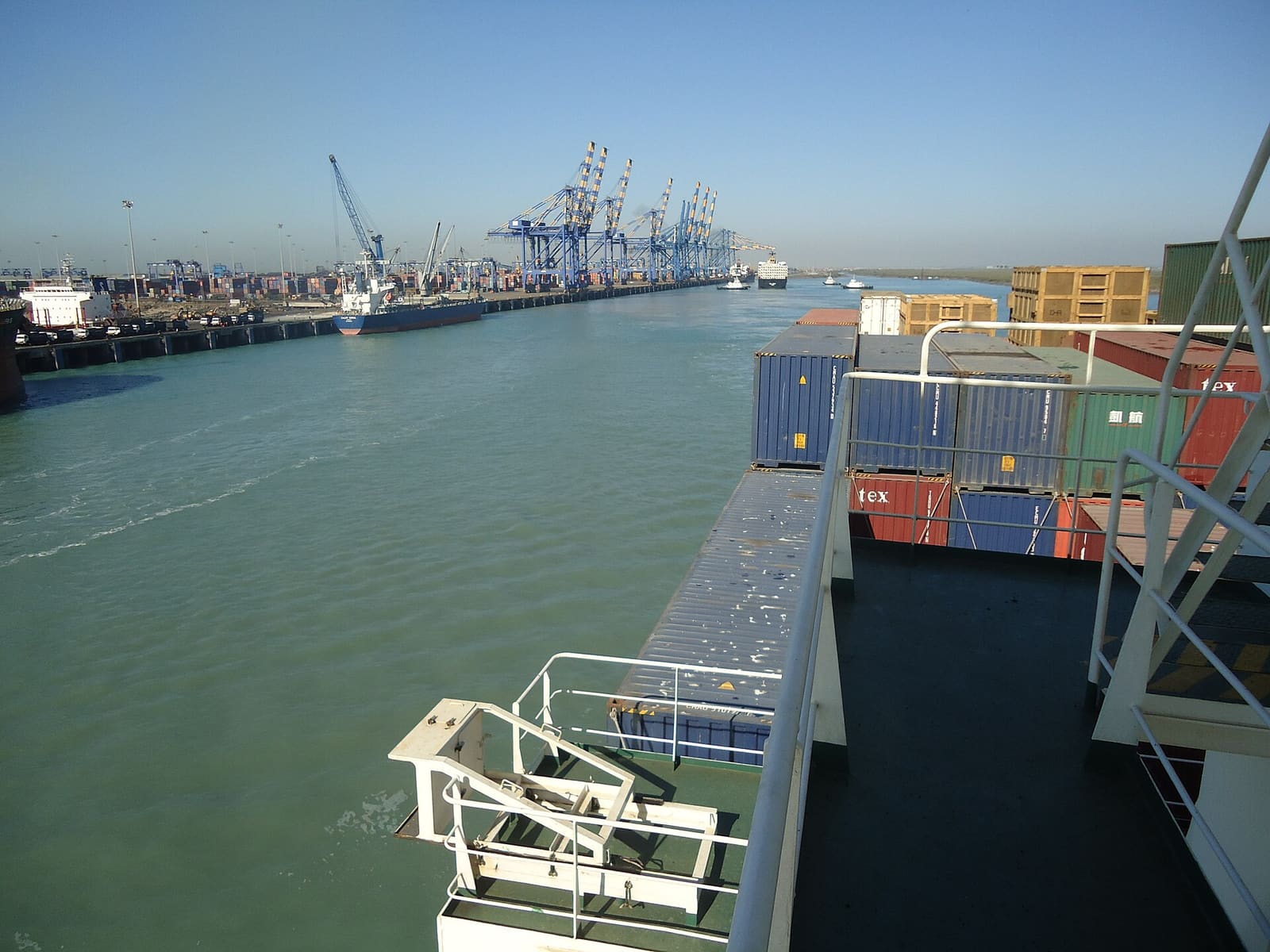
Three ports realistically compete for Ahmedabad-bound cargo. Mundra, roughly 400 kilometres to the west, is India's largest private port and the default choice for most shippers — it offers the deepest berths, the widest range of direct mainline services from China, and an extensive rail-linked container yard that connects directly to Gujarat's inland network. Pipavav, further south on the Saurashtra coast, is a smaller but well-run alternative with strong rail connectivity of its own and can be competitive on freight rate and dwell time when Mundra is running at capacity. Kandla (Deendayal Port), in the Gulf of Kutch, handles more bulk and break-bulk cargo historically but remains a viable option for certain container moves into northern Gujarat. In practice, most container cargo for Ahmedabad routes through Mundra by default, with Pipavav as the main fallback when schedule or rate considerations favour it.
The Inland Leg: ICD Sabarmati and Beyond
Ahmedabad is served by its own Inland Container Depot, ICD Sabarmati, which functions as a full customs station for the city in the same way Tughlakabad does for Delhi — cargo clears there under the same Customs Act framework that applies at any coastal port, even though the depot itself sits well inland. Containers move from Mundra or Pipavav to Sabarmati primarily by rail, using container train services that link Gujarat's ports to its inland depots, with road transport available as a faster but typically costlier alternative for smaller or more urgent loads. Because the distance between Gujarat's ports and Ahmedabad is relatively short compared with, say, Delhi NCR, the inland leg here is one of the fastest in India's port network — often measured in a day or two rather than the better part of a week.
Realistic Transit Times: China to Ahmedabad
Ocean transit from China's main export hubs to Mundra or Pipavav typically runs 16–24 days, depending on load port, carrier routing, and whether the service calls directly or transships at an intermediate hub such as Colombo or Singapore. The inland rail leg from either port to ICD Sabarmati generally adds a further 1–3 days once the container is discharged and cleared for onward movement, with road transport sometimes shaving a day off that at a higher per-container cost. All told, a realistic door-to-ICD window for Ahmedabad-bound cargo sits around 18–27 days from major Chinese ports — noticeably tighter than the Delhi NCR corridor, largely because Gujarat's ports are so much closer to the final destination.
| Leg | Typical Mode | Approx. Time |
|---|---|---|
| China to Mundra / Pipavav | Ocean (FCL/LCL) | 16–24 days |
| Port to ICD Sabarmati | Rail (container train) | 1–2 days |
| Port to Ahmedabad warehouse | Road (FTL) | 1–2 days |
FCL and LCL for Gujarat-Bound Cargo
Full container loads are the more common booking pattern into Ahmedabad, reflecting the scale of the city's textile, chemical, and engineering importers — a single sealed container moves from the coast to Sabarmati without intermediate handling. Less-than-container-load shipments are still readily available, particularly for smaller trading houses and first-time importers, but they are consolidated at the origin port in China and deconsolidated only after the container reaches Sabarmati, which adds a modest amount of schedule variability compared with a direct FCL booking. If your volumes are irregular, ask your forwarder whether a shared LCL consolidation on a Mundra-bound service currently offers a better sailing frequency than waiting for a dedicated slot.
Customs Clearance at ICD Sabarmati
As a notified customs station, Sabarmati handles the full Bill of Entry process for Ahmedabad-bound cargo: your customs broker files the declaration covering HS classification, assessable value, and applicable duty, supported by the commercial invoice, packing list, and bill of lading, while Integrated GST is assessed alongside basic customs duty under CBIC's standard framework. A valid IEC and current GST registration are prerequisites for filing, and product-specific requirements — Bureau of Indian Standards certification for certain chemicals and electronics, or drug-import licensing for pharmaceutical inputs — are checked at this stage rather than at the coast, since the container typically moves inland under bond before final clearance.
Documentation Checklist for an Ahmedabad Import
- A commercial invoice with accurate transaction value, incoterm, and goods description.
- A detailed packing list with weights, dimensions, and carton or pallet breakdowns.
- An original, telex-released, or seaway bill of lading naming the correct consignee.
- A valid IEC and current GST registration held by your customs broker.
- Any BIS certification, drug-import licence, or other product-specific approval relevant to your HS code.
Two Tips for Shippers Moving Cargo Into Gujarat
- Compare Mundra and Pipavav on the specific week you're booking, not by reputation alone. Mundra is the larger, more service-rich port, but Pipavav can beat it on rate or transit during periods when Mundra's yards are congested — a forwarder who checks both before booking can save real money.
- Confirm your final delivery point before choosing rail or road inland. Rail into Sabarmati is efficient for cargo actually destined for Ahmedabad city, but importers based further out in Gujarat's industrial belt sometimes find direct road transport from the coast faster overall.
RR Brothers and Logistics books China to India cargo into Ahmedabad and the wider Gujarat market through both Mundra and Pipavav, managing the ocean leg, port handling, inland rail or road movement, and ICD Sabarmati clearance as one coordinated shipment from our Guangzhou base. As a freight forwarder and NVOCC with a decade of experience on China-India trade lanes, we help textile, chemical, pharmaceutical, and engineering importers plan realistic delivery windows rather than working off port-to-port transit alone.
Frequently Asked Questions
Mundra is the default choice for most shippers, offering the widest range of direct China services and the deepest rail connectivity to Gujarat. Pipavav is a strong alternative when Mundra's yards are congested or its rate is less competitive that week.
Most containers move inland by rail to ICD Sabarmati, Ahmedabad's own inland container depot, which typically takes 1–2 days from Mundra or Pipavav. Road transport is available as a faster but costlier alternative for urgent or smaller loads.
Plan on roughly 18–27 days door-to-ICD in total: 16–24 days for the ocean leg to Mundra or Pipavav, plus 1–3 days for the inland rail or road movement to ICD Sabarmati.
At ICD Sabarmati itself, which functions as a full customs station. Your broker files the Bill of Entry there, supported by the commercial invoice, packing list, and bill of lading, with a valid IEC and GST registration required to clear the shipment.