A Corridor Built Around Re-export as Much as Import
The trade relationship between China and the six-nation Gulf Cooperation Council — the UAE, Saudi Arabia, Qatar, Oman, Kuwait and Bahrain — has grown into one of the busier and more strategically important corridors for freight forwarders operating out of Guangzhou. What sets this corridor apart from most others is that a large share of the cargo arriving in the Gulf is not actually intended to stay there. The UAE in particular has built its ports and free zones around a re-export model, positioning Gulf gateways as a distribution hub for onward shipment into East Africa, the Levant, the Commonwealth of Independent States and South Asia. Any importer or forwarder working this corridor needs to understand both the direct-import market and this re-export layer, because they use different documentation and, often, different ports.
Key Gateway Ports Across the GCC
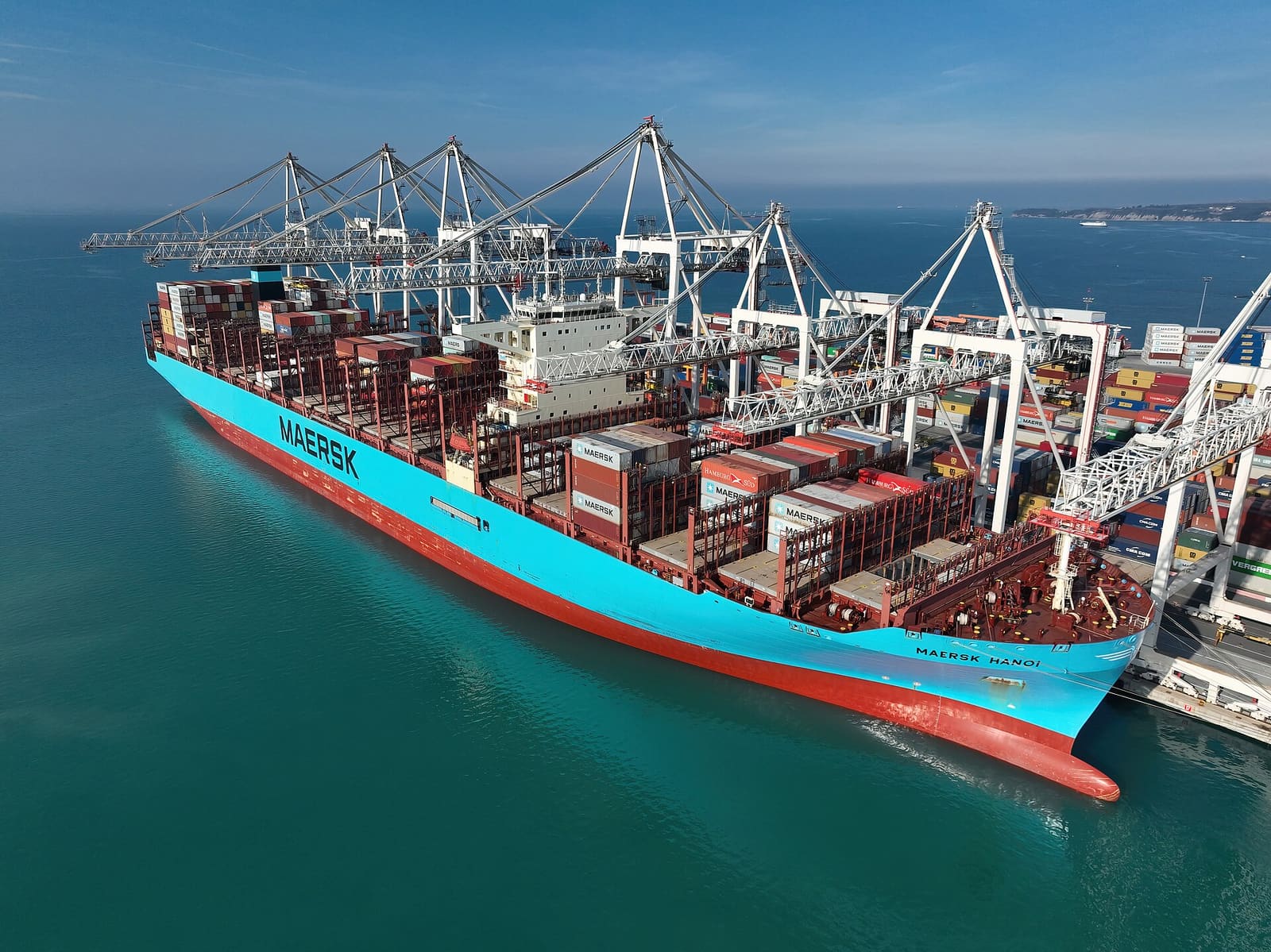
Jebel Ali in Dubai is the region's dominant container port and one of the largest transshipment hubs in the world, handling both cargo destined for the UAE domestic market and vast volumes moving onward to other regions. Khalifa Port in Abu Dhabi has grown steadily as a second UAE gateway with strong industrial-zone connectivity. On the Saudi side, Jeddah Islamic Port on the Red Sea coast serves the western region and the populous Mecca-Medina-Riyadh corridor, while King Abdulaziz Port in Dammam on the Gulf coast serves the Eastern Province and links efficiently to Bahrain and onward into Iraq. Hamad Port in Qatar and Sohar and Salalah in Oman round out the region's main gateways, with Salalah in particular functioning as another significant transshipment point given its position outside the Strait of Hormuz.
Shipping Modes and Transit Times
Sea freight dominates volume on this corridor, and both FCL and LCL options are well established given the high frequency of direct and near-direct sailings from South China ports. China to Jebel Ali or Dammam typically runs in the range of 18–28 days depending on whether the service is direct or transships through Singapore or Colombo; China to Jeddah tends to run slightly longer at 22–32 days given the routing around the Arabian Peninsula or through the Suez Canal depending on the specific service. Air freight is well developed on this corridor thanks to Dubai and Doha's roles as major global air cargo hubs, making air an efficient option even for mid-value cargo when speed matters — typical air transit from South China to Dubai runs 3–6 days including ground handling. Road freight also plays a role within the GCC itself, since goods cleared at one Gulf port are frequently trucked across the open GCC customs union borders to reach final destinations in a neighboring member state.
Customs and Certification Requirements
Customs clearance in the UAE is handled by the Federal Customs Authority and the emirate-level customs departments (Dubai Customs, Abu Dhabi Customs), which require the standard commercial invoice, packing list, bill of lading and certificate of origin, along with product-specific conformity marks where applicable — most notably the ECAS/G-Mark or SASO-equivalent conformity certification for electrical and electronic goods. These certificate-of-origin and classification conventions are coordinated internationally by the World Customs Organization, whose framework most Gulf customs authorities draw on when aligning classification and valuation procedures. Saudi Arabia's customs authority, the Zakat, Tax and Customs Authority (ZATCA), requires SASO's SALEEM conformity certification for a wide range of regulated products before goods can clear, and increasingly requires this certification to be arranged and verified electronically prior to arrival. A distinctive feature of Gulf documentation, compared with many other corridors, is the frequent requirement for commercial invoices and certificates of origin to be attested or legalized — sometimes through a chamber of commerce and consular process — for certain product categories and contract values, which shippers unfamiliar with the region can easily overlook. Food and consumer product shipments may additionally require halal certification depending on the product category and the importing country's specific rules.
Free Zones as a Distribution Strategy
- Jebel Ali Free Zone (JAFZA) — one of the world's largest free zones, widely used by importers who want to warehouse, break bulk and re-export goods into Africa and South Asia without incurring UAE mainland import duty until the goods actually leave the zone.
- Dubai South and KIZAD (Abu Dhabi) — increasingly used for light assembly, e-commerce fulfillment and regional distribution, offering similar duty-deferral advantages.
- Practical implication — a shipment routed through a Gulf free zone as a distribution point requires different documentation planning than a shipment cleared directly for the UAE or Saudi domestic market, so it's worth confirming with your forwarder early which model applies to your cargo.
Comparing the Region's Main Gateways
| Gateway Port | Country | Typical China Transit |
|---|---|---|
| Jebel Ali | UAE | 18–26 days |
| Dammam | Saudi Arabia | 20–28 days |
| Jeddah | Saudi Arabia | 22–32 days |
| Hamad Port | Qatar | 20–28 days |
Practical Tips for Shippers
Confirm attestation and conformity certificate requirements for your specific product category before goods are packed, since these certificates typically need to be obtained in China ahead of shipment and cannot always be arranged retroactively once cargo has arrived in the Gulf. It is also worth deciding early whether your cargo is a direct import or a re-export routed through a free zone, since that decision affects which documents your freight forwarder needs to prepare and which duty treatment applies. RR Brothers and Logistics works across sea, air and road freight into the GCC and can help structure a shipment either way, depending on whether your Gulf destination is the end market or simply a strategic staging point for onward distribution.
Why the Corridor Keeps Growing
The GCC's combination of high per-capita consumption, large infrastructure and construction spending, and its increasing role as a re-export platform toward Africa and the wider region means China-Gulf trade volumes have kept climbing even as other lanes have seen more volatility. For shippers with businesses that touch multiple destination markets, routing through a Gulf hub with the right documentation strategy can be genuinely more efficient than shipping direct to each individual destination — but it depends on getting the customs and certification groundwork right from the outset, which is exactly where an experienced freight forwarder earns its value on this route.
Frequently Asked Questions
A direct import clears customs for consumption in the destination country, while re-export cargo — common through UAE free zones like JAFZA — is stored duty-suspended and only incurs UAE duty if it leaves the free zone for the local market; the two models require different documentation from the outset.
King Abdulaziz Port at Dammam is the standard gateway for the Eastern Province and connects efficiently into Riyadh and onward to Bahrain and Iraq, while Jeddah on the Red Sea serves the western region and the Mecca-Medina-Riyadh corridor.
Often, yes — invoices and certificates of origin for certain product categories and contract values require attestation or legalization, sometimes through a chamber of commerce and consular process, which shippers unfamiliar with the region can easily overlook.
Yes, especially into Dubai or Doha — both are major global air cargo hubs, and typical air transit from South China runs just 3–6 days including ground handling, making it practical for time-sensitive or high-value goods.