South America's Busiest Gateway
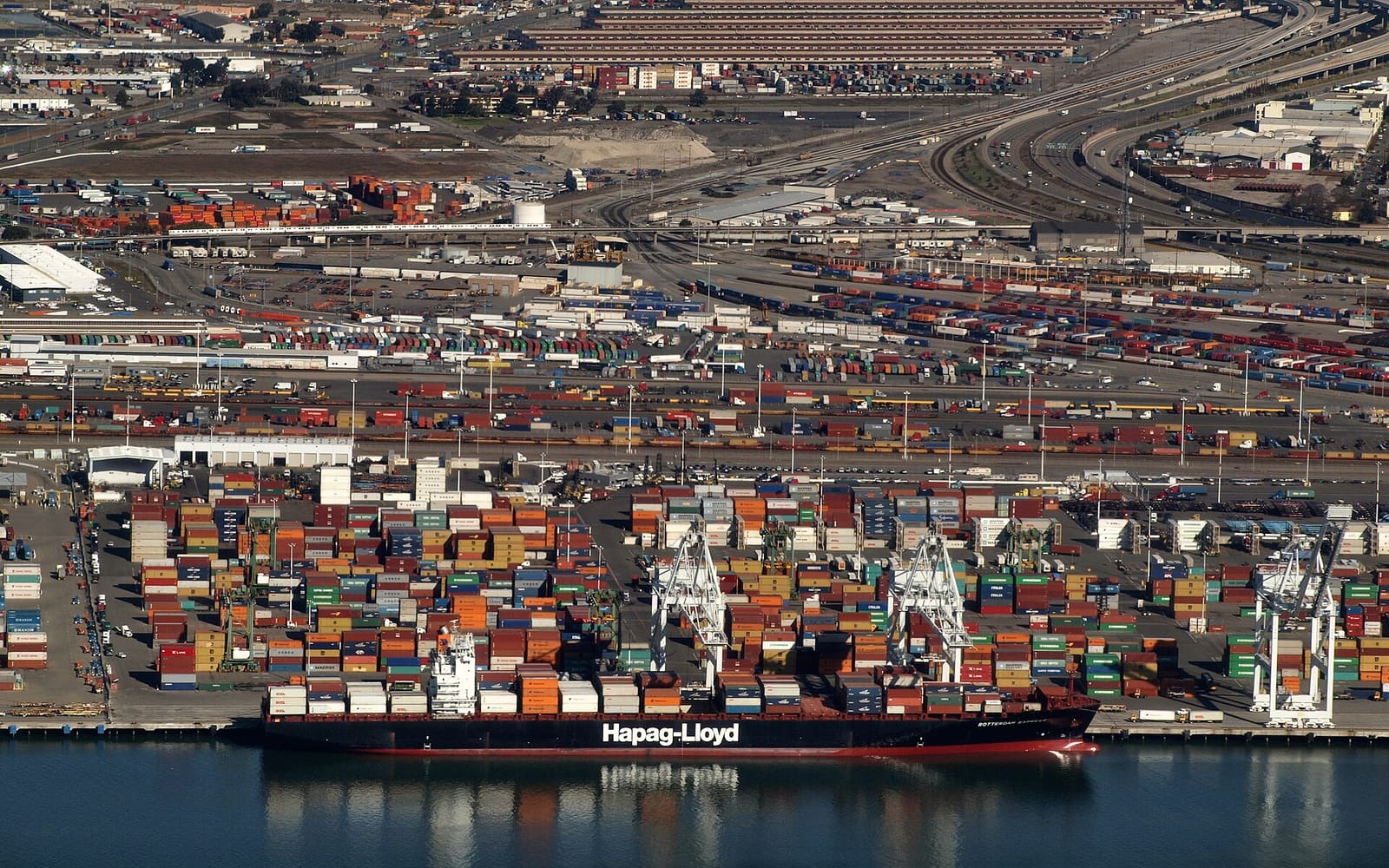
Brazil is China's largest trading partner in Latin America, and almost all of that containerised trade funnels through a single dominant gateway: the Port of Santos, roughly an hour from São Paulo and, by most measures, the busiest container port in South America. For a freight forwarder, China Brazil shipping is in some ways more straightforward than lanes with several competing gateways — Santos is the obvious default for the vast majority of cargo — but the distance involved, Brazil's relatively detailed import compliance regime, and periodic congestion at Santos itself mean the lane still rewards careful planning rather than a set-and-forget booking.
Why Santos Dominates China-Brazil Trade
Santos handles containerised cargo across almost every commodity category moving between Brazil and the rest of the world, supported by its position at the heart of Brazil's most industrialised and populous region and strong road and rail links into São Paulo state and the interior. Several other Brazilian ports — Paranaguá, Itajaí, and Rio de Janeiro among them — handle meaningful volume, particularly for cargo destined for Brazil's south, but for most China-origin importers, especially first-time shippers, Santos remains the practical default given its sailing frequency and the depth of forwarder and customs broker expertise concentrated there. The Port of Santos Authority publishes current terminal capacity and operational data directly, which is worth checking against your forwarder's quoted transit plan for any shipment on this lane.
Realistic Transit Times
Distance is the dominant factor on this lane. Cargo from China to Santos typically transits either via the Cape of Good Hope, or via the Panama Canal depending on the specific carrier string and current routing conditions on either passage.
| Route | Mode | Approx. Time |
|---|---|---|
| China to Santos (direct string) | Sea (FCL/LCL) | 35–45 days |
| China to Santos (via transshipment hub) | Sea (FCL/LCL) | 42–55 days |
| China to São Paulo (Guarulhos Airport) | Air freight | 3–6 days |
Brazilian Customs Documentation
Brazil's federal revenue authority, Receita Federal, manages import clearance through its Siscomex electronic trade system, and importers must be registered under the Radar system before they can legally clear goods. A standard shipment requires a commercial invoice, packing list, bill of lading, and, for many product categories, an import licence (Licença de Importação) obtained in advance of shipment rather than at the port. Brazil's compliance regime is notably document-heavy relative to some other emerging markets, and errors in invoice detail or HS classification are a common cause of container holds at Santos — a pattern that echoes what we cover more generally in our guide to customs clearance for goods from China, though Brazil-specific requirements add another layer worth confirming with a broker familiar with Receita Federal procedures.
FCL, LCL and Port Congestion
FCL is the standard choice for established Brazilian importers, particularly given the long transit time, where the cost efficiency of a full container outweighs the flexibility of consolidation. LCL into Santos is available and used by smaller importers, though buyers should expect a longer overall door-to-door timeline once consolidation and Brazilian customs processing are added to an already lengthy ocean transit. Santos has, at various points, experienced periods of berth and yard congestion tied to seasonal export peaks — Brazil's own agricultural export cycle competes for the same terminal capacity as containerised imports — and a forwarder who tracks current conditions at Santos rather than quoting from a static schedule can give a more realistic delivery estimate.
Brazil in the Wider Context of Southern Hemisphere Trade
Brazil is frequently discussed alongside other long-haul, Southern Hemisphere destinations that share a similar routing and distance profile, such as our China to South Africa shipping guide covering Durban port — both lanes deal with comparable transit times and both sit outside the more heavily serviced Northern Hemisphere trade lanes. Importers evaluating multiple emerging-market destinations sometimes also look at Mexico as a very different, much shorter alternative geography, covered in our China to Mexico shipping guide. Trade flow data published by UNCTAD is a useful independent source for tracking how Latin American import demand is trending relative to these other emerging markets over time.
Two Practical Tips for the China-Brazil Lane
- Secure your import licence before the vessel sails, not after. Brazil requires advance licensing for many product categories, and cargo can sit at Santos far longer than the sea transit itself if this step is missed.
- Plan for the long transit at the quoting stage. With sea freight often exceeding five weeks, inventory planning and buffer stock matter more here than on shorter Asia-facing lanes.
RR Brothers and Logistics has supported clients shipping into Santos for years, coordinating Siscomex-compliant documentation, Radar registration support, and onward inland distribution from our China base through to final delivery in São Paulo and beyond. Given the distance and documentation involved, we focus on giving Brazil-bound shippers a realistic transit and clearance estimate rather than an optimistic one.
Frequently Asked Questions
Santos is South America's busiest container port, positioned close to São Paulo's industrial and consumer market with strong road and rail links inland. Its sailing frequency and depth of customs broker expertise make it the practical default for most China-origin cargo.
Direct sea freight strings typically take 35–45 days, while cargo routed via a transshipment hub can take 42–55 days. Air freight into São Paulo's Guarulhos Airport typically arrives in 3–6 days for time-sensitive cargo.
Standard clearance requires a commercial invoice, packing list, and bill of lading, filed through Brazil's Siscomex system by a Radar-registered importer. Many product categories also require an import licence obtained before the shipment departs origin.
At times, yes — Santos handles Brazil's agricultural export peaks alongside its containerised import traffic, which can create seasonal berth and yard congestion. Checking current conditions with your forwarder before finalising a delivery date is worthwhile.