Southern Africa's Busiest Container Gateway
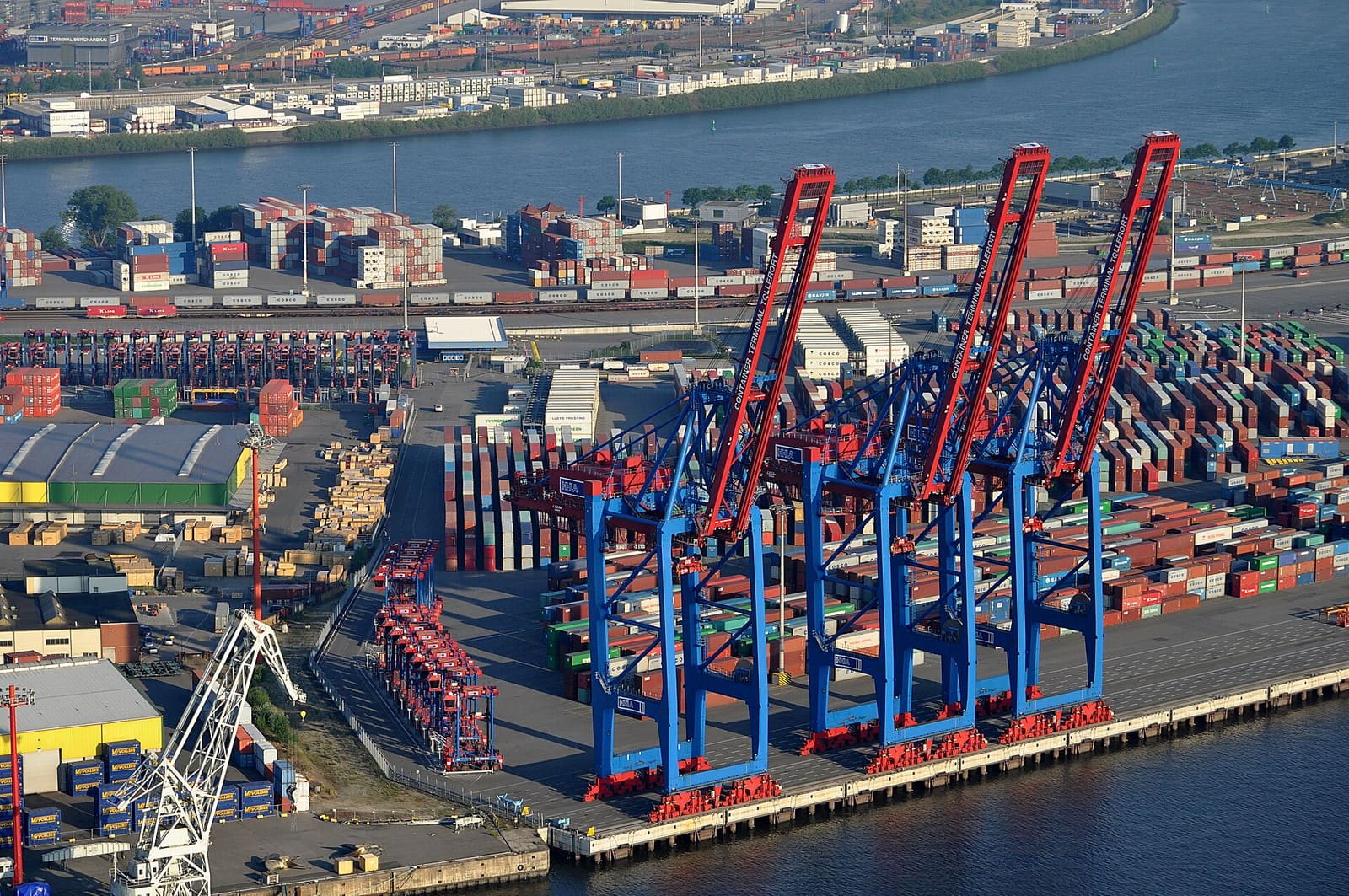
Durban is the busiest container port on the African continent and, for most importers moving cargo into Southern Africa, the default destination for a China South Africa shipping lane. Positioned on South Africa's KwaZulu-Natal coast with direct rail and road links into Gauteng — the country's industrial and commercial heartland around Johannesburg and Pretoria — Durban functions as far more than a South African gateway. It is the entry point for cargo destined onward into Zimbabwe, Zambia, Botswana and beyond, making it one of the more strategically important calls on any Africa-facing trade route. RR Brothers and Logistics already runs an active African network through Kenya and Nigeria, and Durban rounds out a fuller picture of how China-origin cargo actually reaches the continent's major consumer and industrial markets.
Why Durban Leads Southern Africa's Port Network
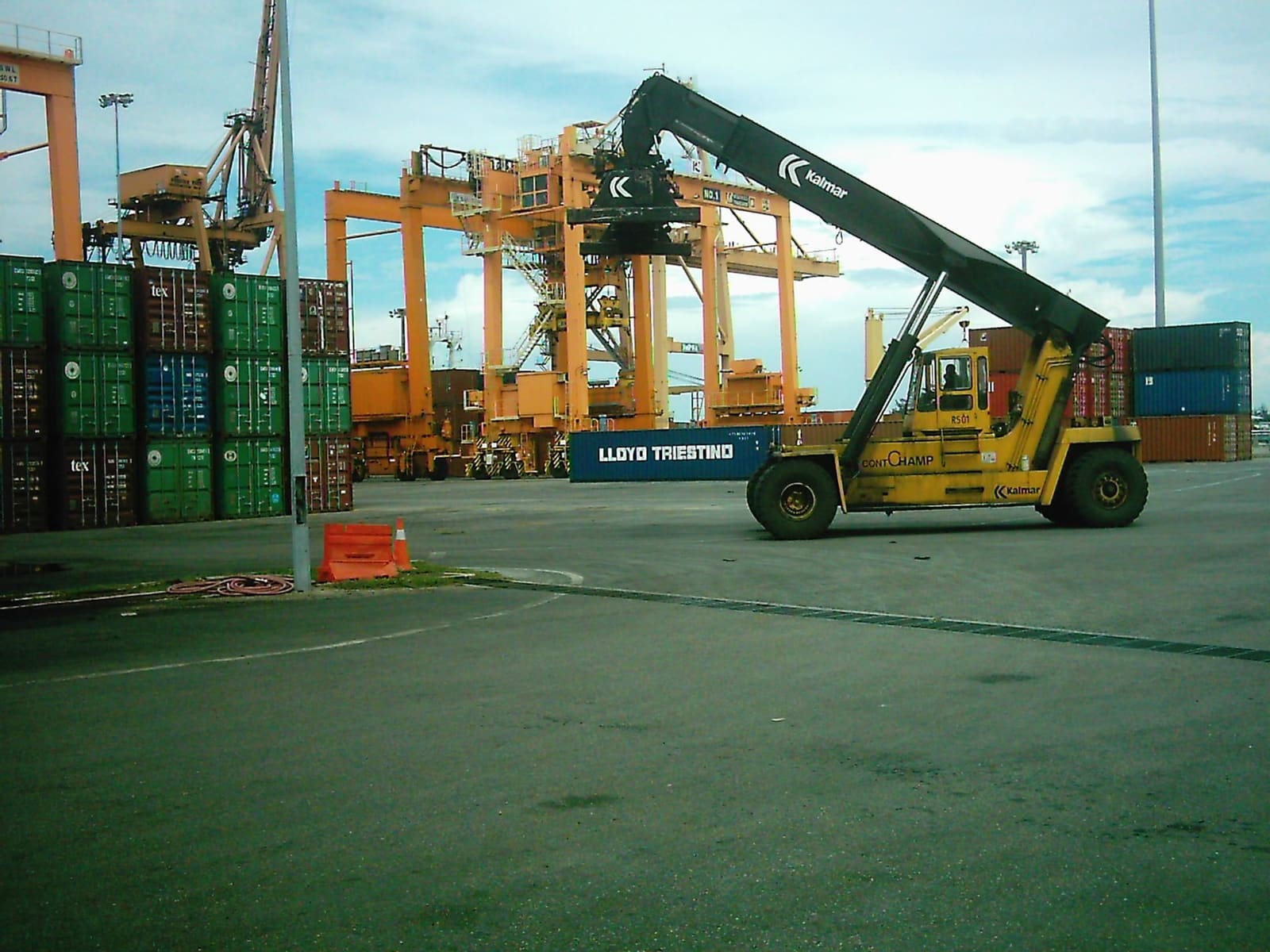
Durban's advantage is a combination of scale, infrastructure and inland connectivity. The port operates deep-water berths capable of handling large container vessels, supported by dedicated container terminals operated under the Transnet National Ports Authority, the state entity responsible for South Africa's commercial ports. Beyond Durban, Cape Town serves the Western Cape and handles a meaningful share of fruit and agricultural export traffic, while Ngqura and Port Elizabeth serve the Eastern Cape's automotive manufacturing cluster. For China-origin import cargo specifically, though, Durban's rail and road connections to Johannesburg's container terminals — collectively known as City Deep, reputedly the largest dry port in Africa — make it the practical first choice for the large majority of consumer goods, machinery, textiles and industrial inputs moving from China into the South African market.
Realistic Transit Times: China to Durban
Transit time on the China-South Africa lane depends heavily on routing — whether cargo moves via a direct service or transships through a Middle Eastern or Southeast Asian hub such as Singapore or Dubai — and, since late 2023, on how carriers are routing their broader Asia-Europe and Asia-Africa networks in response to Red Sea disruption. Because Durban sits directly on the Cape of Good Hope route already, it has, if anything, become a more logical intermediate call for vessels now avoiding the Suez Canal, rather than an added detour — a routing dynamic worth understanding before assuming this lane behaves the way it did before 2024.
| Route | Mode | Approx. Time |
|---|---|---|
| China to Durban, direct or via one transshipment | Sea (FCL/LCL) | 28–38 days |
| China to Durban via multiple transshipment hubs | Sea (FCL/LCL) | 38–48 days |
| China to Johannesburg (via Durban, air) | Air freight | 3–6 days |
Cargo Types Moving on the China-South Africa Lane
The China-South Africa trade lane carries a broad mix of cargo. Consumer electronics, furniture, textiles, footwear and general merchandise dominate container volumes into Durban for onward distribution to South African retail chains, many of which source directly or through agents in Guangzhou and the Pearl River Delta. Industrial machinery, vehicle parts and construction equipment make up a significant secondary category, feeding South Africa's mining and manufacturing sectors, while project cargo — transformers, generators, mining equipment — occasionally moves through Durban for inland delivery to the interior. South Africa's own export flows back through Durban lean heavily on minerals, agricultural products and automotive components, giving the port reasonably balanced two-way traffic compared with some emerging import-heavy lanes.
South African Customs Requirements
Import clearance in South Africa is managed by the South African Revenue Service (SARS), which requires a commercial invoice, packing list, bill of lading, and a customs value declaration filed electronically through the SARS eFiling and customs systems before cargo can be released. An importer must also be registered with SARS and, for many product categories, hold the correct import permit issued by the International Trade Administration Commission (ITAC) — a step that catches out first-time importers who assume a standard commercial invoice and bill of lading are sufficient on their own. As with most jurisdictions, correct HS classification at the outset, aligned with the framework maintained by the World Customs Organization, materially reduces the risk of a hold at Durban, and it is a step our guide to customs clearance for goods from China covers in more general terms applicable across most destination markets.
FCL, LCL and Choosing the Right Container Strategy
FCL is the standard choice for South African retail chains and established importers moving regular container volumes, and it remains the most cost-efficient option per unit for anything approaching a full container's worth of cargo. LCL consolidation into Durban has grown steadily as smaller South African businesses and first-time importers look to test the China market without committing to a full container, though buyers should budget a few extra days at destination for deconsolidation given Durban's terminal throughput. Air freight into Johannesburg's O.R. Tambo International Airport, sometimes routed via a Gulf or Southeast Asian hub, is worth considering for urgent or high-value cargo where the multi-week sea transit isn't workable, and it is a trade-off our air freight versus sea freight comparison can help quantify for a specific shipment profile.
Durban Alongside Africa's Other Major Gateways
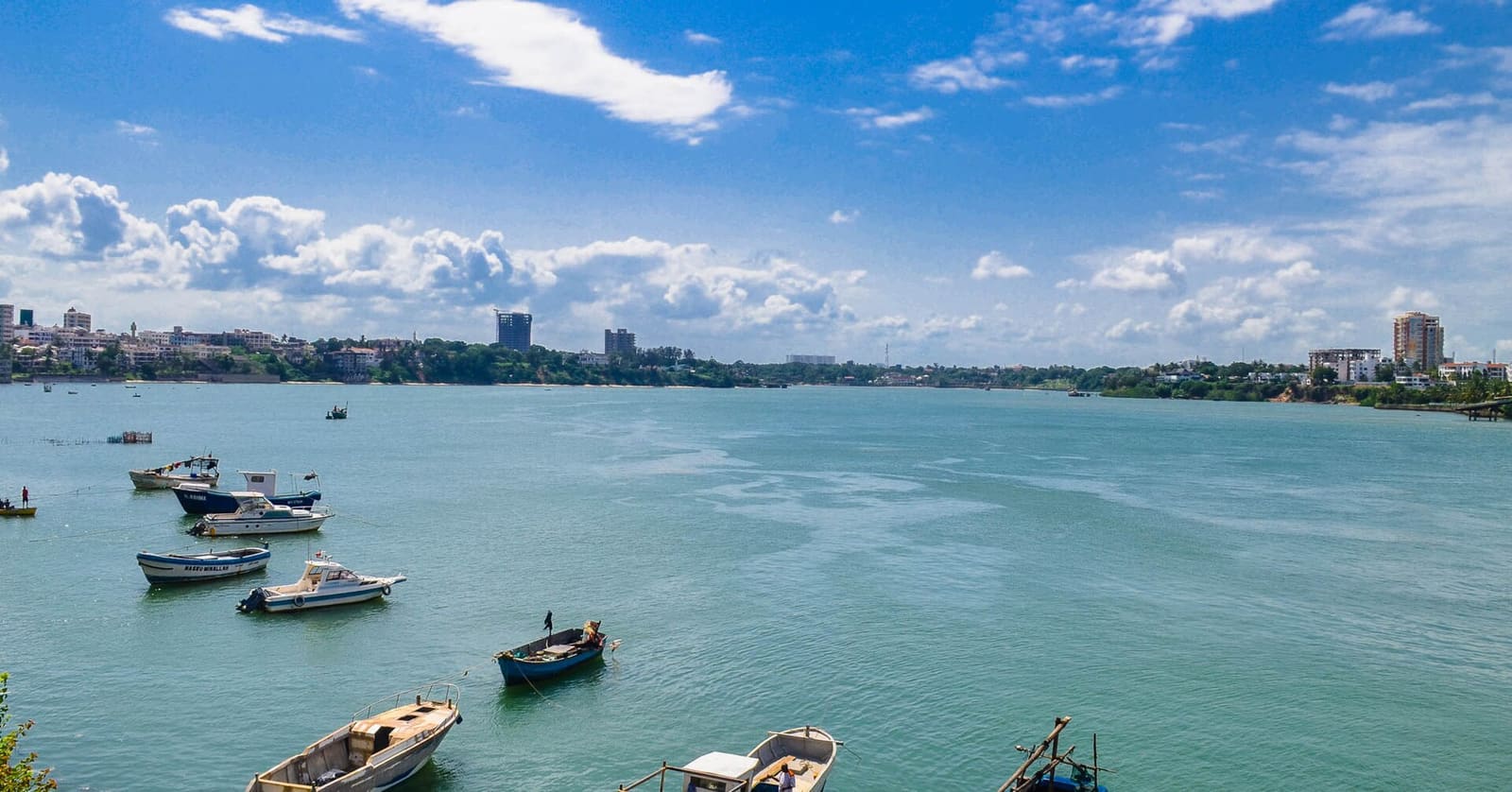
Durban is one node in a wider African logistics picture that RR Brothers and Logistics manages directly through our own presence on the continent. Kenya's Mombasa port, covered in our China to Kenya shipping guide, serves East Africa in much the same way Durban serves the south, and Nigeria's Lagos-Apapa complex, discussed in our China to Nigeria shipping guide, anchors West African trade. Together with our broader guide to the China-Africa trade corridor, these three gateways cover the large majority of container traffic entering the continent from China, and understanding how they differ in transit time, customs practice and inland connectivity matters when planning a multi-market African distribution strategy rather than treating each destination as an isolated shipment.
South Africa Compared With Other Long-Haul Emerging Markets
Shippers evaluating South Africa often weigh it against other long-haul, Southern Hemisphere destinations with a broadly similar distance and transit-time profile. Our China to Brazil shipping guide covering Santos port shares a comparable multi-week sea transit and document-heavy customs regime, while destinations such as Mexico, covered in our China to Mexico shipping guide, offer a much shorter alternative geography for businesses weighing multiple emerging markets side by side. Trade flow data published by UNCTAD is a useful independent reference for tracking how African import demand is trending relative to these other regions over time.
Two Practical Tips for the China-South Africa Lane
- Confirm ITAC permit requirements before booking. Certain product categories need an import permit issued in advance, and discovering this after cargo has sailed is a common and avoidable cause of delay at Durban.
- Ask your forwarder about current routing, not historical averages. Because Durban sits on the Cape of Good Hope route, current carrier scheduling around Red Sea disruption can actually work in the port's favour compared with routes that previously ran through Suez.
RR Brothers and Logistics manages China-South Africa freight as part of a broader African network that already includes direct service into Kenya and Nigeria, coordinating sea and air freight into Durban, SARS-compliant customs clearance, and onward inland delivery toward Johannesburg and the wider South African market. As with every lane we handle, our aim is to give shippers a transit estimate and documentation checklist that reflect current conditions rather than outdated assumptions.
Frequently Asked Questions
Durban combines deep-water container terminals with direct rail and road links into Johannesburg and Gauteng, South Africa's industrial and commercial core, making it the practical first choice for most China-origin cargo entering the region, ahead of Cape Town, Ngqura and Port Elizabeth.
A direct or single-transshipment sea freight service typically takes around 28–38 days, while cargo routed through multiple transshipment hubs can take 38–48 days. Air freight into Johannesburg generally arrives within 3–6 days.
Consumer electronics, furniture, textiles and general retail merchandise make up the bulk of import volume, alongside industrial machinery, vehicle parts and construction equipment feeding South Africa's mining and manufacturing sectors.
Since Durban already sits on the Cape route, carriers rerouting Asia-Europe and Asia-Africa services away from the Suez Canal are not adding a detour to reach it, and in some cases Durban has become a more convenient intermediate call than it was under pre-2024 routing patterns.