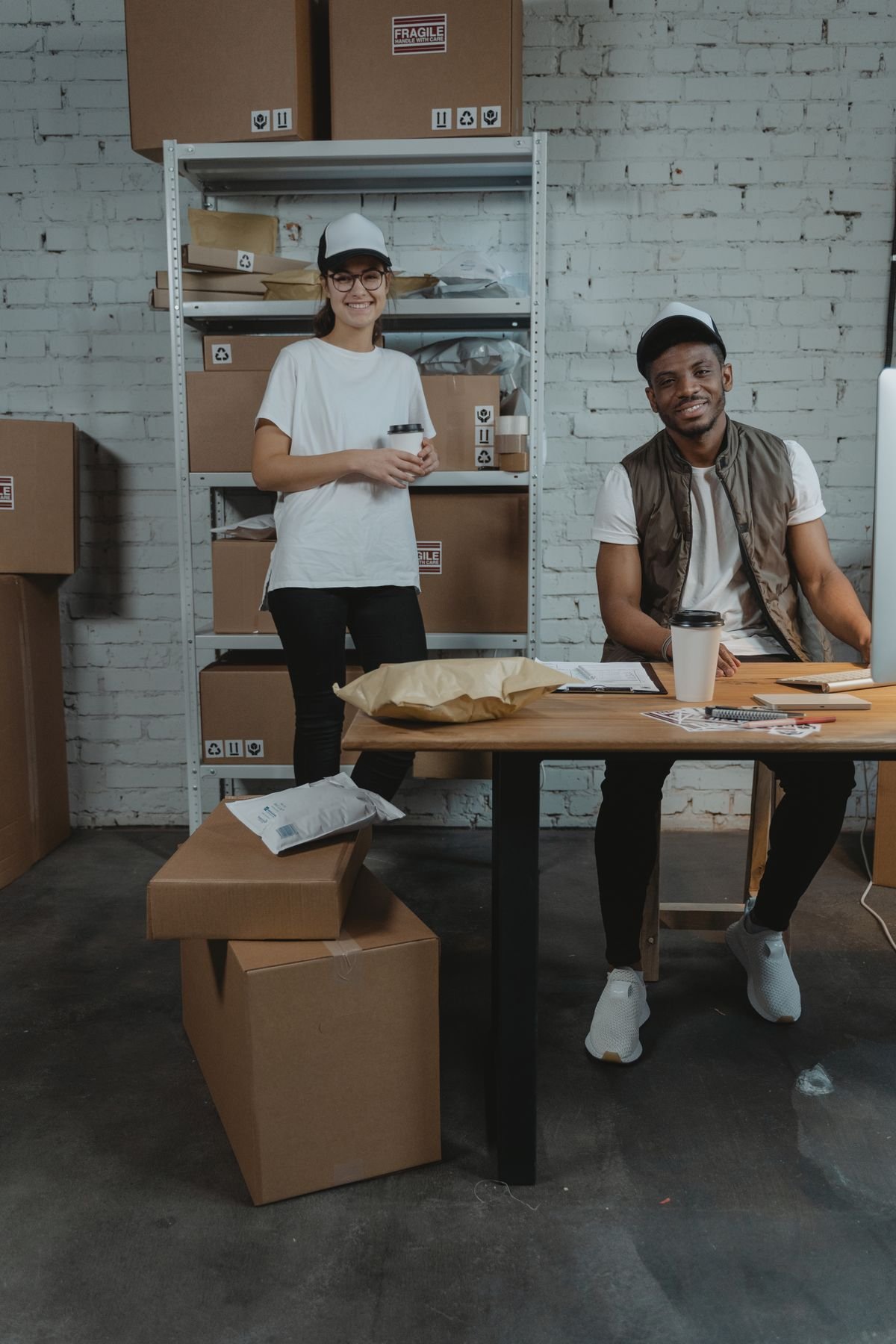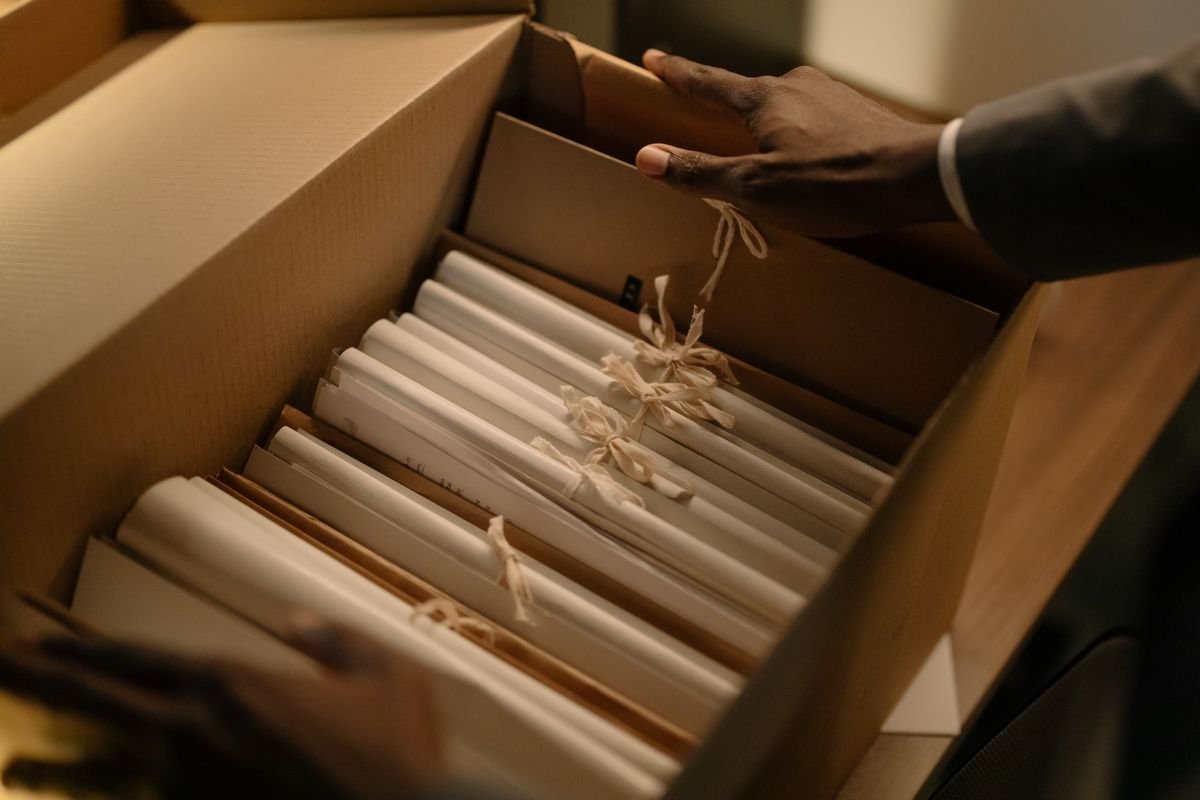
A China to India freight forwarder has to be good at both ends of one of the busiest lanes in international trade, and a forwarder that is strong on one end is not always strong on the other. Your goods are packed, inspected and cleared for export in China, then cleared for import and delivered in India under a different set of rules. The right partner coordinates both ends, tells you plainly who is responsible for each step, and prices the whole job in a way you can compare. This guide explains how to choose one for the China to India lane.
For the wider picture, see our complete guide to China to India shipping. For general questions to ask any forwarder, see our checklist of 10 questions.
What a Freight Forwarder Actually Does
FIATA, the international federation of freight forwarders' associations, defines forwarding and logistics services as services relating to the carriage of goods, consolidation, storage, handling, packing or distribution, plus ancillary and advisory services such as customs and fiscal matters, declaring the goods for official purposes, arranging insurance and collecting payment or documents. It describes the forwarder as the party who ensures internationally traded goods arrive at the right place, at the right time, in good condition and at the most economical cost.
That is a wide remit, and providers cover different parts of it. Some own their own services at both ends. Some work through partners. Some are NVOCCs that issue their own bills of lading, a model explained in our guide to NVOCCs. None of these is automatically better, but you need to know which one you are dealing with.
Types of Forwarders You Will Meet
The label "freight forwarder" covers several business models. Knowing which one is quoting you helps you judge the answers.
- Global network forwarders use their own offices at both ends or a network of partners. They can offer breadth, and you should ask who actually handles your cargo in India.
- NVOCCs and consolidators buy space from carriers and sell it on, often combining LCL cargo from many customers. They can offer flexible service and their own bills of lading.
- Specialist lane forwarders concentrate on routes such as China to India and tend to know the gateways and customs practice well.
- Local agents act for a larger provider at one end. They can be responsive locally, but check who is responsible for the whole journey.
None of these is automatically better. What matters is that the party quoting you can explain how it will cover each end and who you hold accountable.
Capabilities That Matter on the China to India Lane
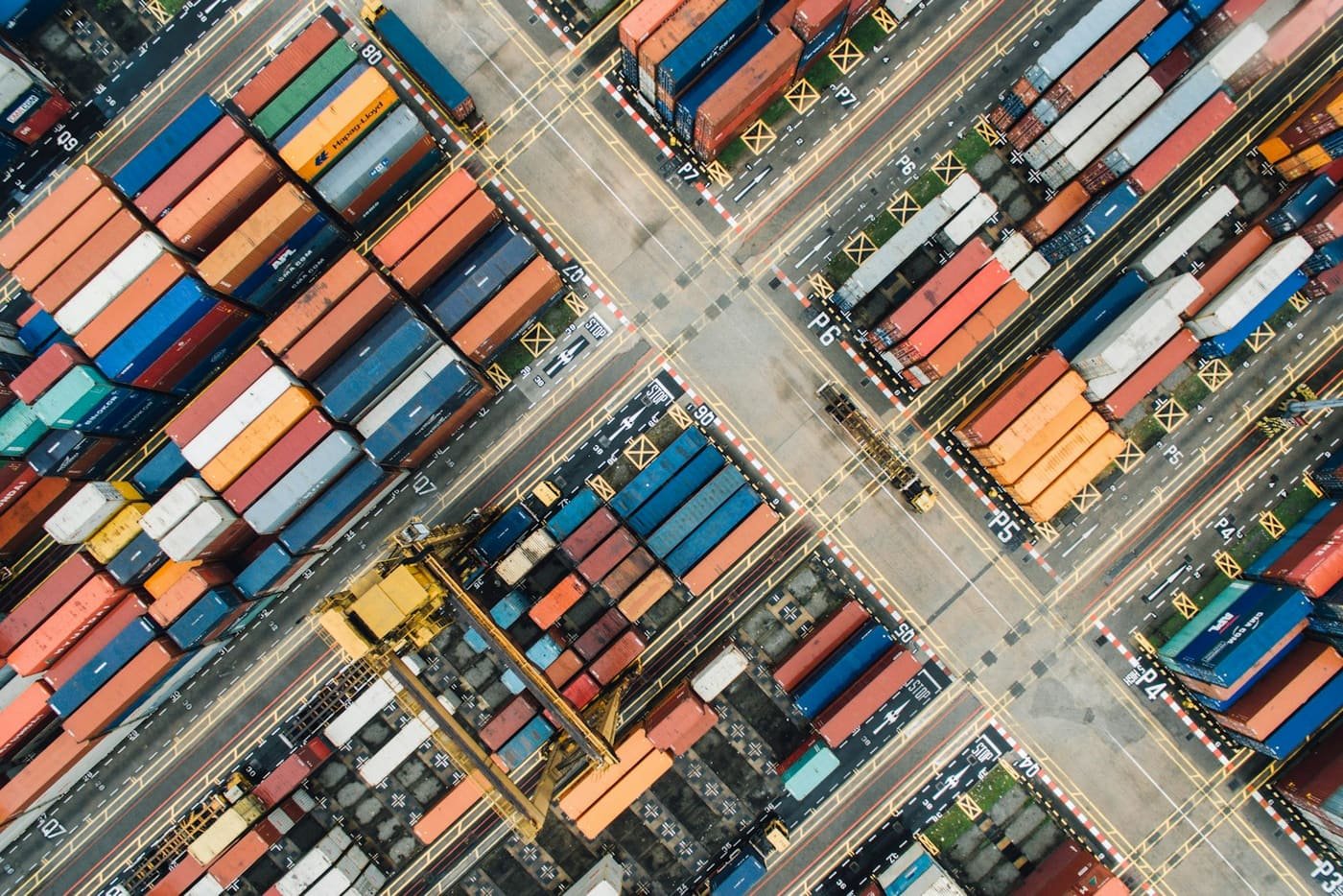
Ask each candidate how it handles the following, and listen for specifics:
| Capability | What to ask | Why it matters |
|---|---|---|
| Origin pickup and consolidation | Who collects from the supplier and which Chinese gateway and freight station do you use? | LCL cargo is combined at origin, so handling quality starts there |
| Export clearance | Who files the declaration in China and how is it timed against loading? | Chinese rules tie the declaration to the loading date |
| Supplier coordination | Can you speak to the factory about packing, marking and cargo-ready dates? | Many errors begin before the cargo reaches the forwarder |
| Transport documents | Do you issue your own bill of lading or the carrier's? | It affects liability, release and who you deal with if something goes wrong |
| Import clearance in India | Who files the Bill of Entry and is that person a licensed customs broker? | The filing has legal consequences, as explained below |
| Delivery | Who arranges inland delivery and what happens if the receiver is not ready? | Waiting time can create storage charges |
| Visibility | How will I be told about delays and schedule changes? | Planning a warehouse or production line depends on it |
Check Who Clears Your Cargo in India
In India, customs brokerage is a licensed activity. Section 146 of the Customs Act, 1962 says no person shall carry on business as a customs broker relating to the import or export of goods at any customs station unless that person holds a licence granted in accordance with the regulations. Those regulations are the Customs Brokers Licensing Regulations, 2018, under which applicants sit an examination, as a PIB notice on the exam shows.
So ask whether the forwarder's clearance team is a licensed customs broker, in-house or through a named partner. Ask who is responsible for the accuracy of the filing, too. Under Section 46(4A), the importer who presents a bill of entry must ensure the accuracy and completeness of the information in it, the authenticity of supporting documents and compliance with any restriction or prohibition. A broker can do the work, but the responsibility does not disappear, which is why you need a partner that checks your documents rather than simply typing them in.
Reading Quotes From Different Forwarders
Put each quote into the same frame before comparing totals:
- Does it start at the supplier's door, the Chinese port or the Indian port, and where does it end?
- Is it FCL or LCL, and on what container size or cubic metres and weight?
- Which origin and destination charges, customs fees and surcharges are included?
- How long is the rate valid, and what happens if the sailing changes?
- What is excluded? Duty, taxes and examination charges normally sit outside a freight quote.
Our guide to how freight forwarding rates are calculated explains the usual lines. A quote that is far below the others may have left lines out, so ask what is missing before you celebrate.
Running a Fair Selection Process
A structured comparison beats a series of loose conversations.
- Write one short brief with the cargo description, HS code, quantity, weights and dimensions, Incoterm, ready date and delivery address.
- Send the same brief to a shortlist of two or three forwarders.
- Ask each for a written quote on a stated scope, with validity and exclusions.
- Note how quickly and clearly each one replies, and whether they ask good questions about your cargo.
- Speak to the people who will handle clearance and delivery, not only the sales contact.
- Consider starting with a smaller shipment before you commit your regular volume.
Red Flags to Watch For
- A price that cannot be explained line by line.
- No named contact, or a contact who cannot say who handles customs in India.
- Reluctance to put scope, validity and exclusions in writing.
- Pressure to pay quickly, or to pay to an account that does not match the company name on the quote.
- Vague answers about what happens when a vessel is rolled or a document is wrong.
- No questions about your cargo, HS code or Incoterm, which suggests nobody will check them.
Questions That Reveal Real Capability
Beyond our general checklist, these questions are specific to China to India:
- Which Chinese gateways and Indian ports do you serve regularly, and on which services?
- Do you handle LCL consolidation yourselves, and where do you consolidate?
- Who in India deals with customs on my behalf, and can I speak to them?
- Can you explain how my Incoterm changes who does what at each end?
- What documents will you need from my supplier, and by when?
- How do you handle cargo that is held for examination or queried by customs?
- Can you give me an example of a problem on this lane and how you solved it?
After You Choose
Set up the relationship properly from the first shipment. Agree named contacts at both ends, the documents you will send and by when, how delays and schedule changes will be reported, and how problems will be escalated. Keep a file of quotes, confirmations and transport documents for every shipment. After the first few shipments, review what worked and what did not, and adjust the arrangement before volumes grow.
How RR Brothers and Logistics Works on This Lane
RR Brothers and Logistics is an NVOCC with its headquarters in Guangzhou and a Mumbai office that supports cargo arriving from China and manages import documentation. We connect the gateways of Guangzhou/Nansha, Shenzhen/Yantian, Shanghai and Ningbo with Indian ports including Mumbai/Nhava Sheva and Chennai. Our sea freight, air freight and customs clearance and brokerage services cover both ends of the lane. If you want a quote you can compare, send us your cargo details.
Frequently Asked Questions
It arranges the movement of your goods from China to India: booking space, handling origin pickup and consolidation, supporting export and import clearance, issuing transport documents and arranging delivery. The exact scope varies by provider, so ask for it in writing.
Customs brokerage at an Indian customs station requires a licence under Section 146 of the Customs Act. Ask whether the clearance team is a licensed customs broker, whether in-house or a named partner.
Under Section 46(4A), the importer who presents the bill of entry must ensure the accuracy and completeness of the information, the authenticity of supporting documents and compliance with restrictions. A broker can file for you, but you remain responsible.
Not on price alone. Compare scope first: where the quote starts and ends, what is included, how long the rate is valid and what is excluded. A very low quote may have left out lines you will pay for later.
An NVOCC sells container space without owning ships and issues its own bills of lading. It can offer consolidation and flexible service, but you should understand who is liable and who releases the cargo if there is a problem.
Ask for company details you can check, the name of the customs broker who will clear your cargo, a written scope with exclusions, and a reference or example on this lane, then compare the answers with what the quote says.
Sources
- FIATA: About freight forwarding (definition of freight forwarding services)
- CBIC: Customs Act, 1962 (Sections 46 and 146)
- PIB: Customs Brokers Licensing Regulations, 2018, examination notice
This article is general information, not legal, tax or customs advice. Rules, rates and procedures change; confirm current requirements with the relevant authority or a licensed customs professional before you ship. Regulatory references were checked against the official sources listed above on 25 October 2026.
Image credits: header photo by Vitaly Gariev on Unsplash; photo by CHUTTERSNAP on Unsplash. Used under the Unsplash License.
Request a Quote