A Bridge Between Continents, and Between Trade Lanes
Turkey occupies a genuinely unusual position on the map of global trade: a customs union with the European Union on one side, direct land and sea access to the Middle East and Central Asia on the other, and a container port complex — anchored by Ambarlı on Istanbul's European shore — that has grown into one of the busiest transshipment and import gateways on the eastern Mediterranean. For a freight forwarder booking China to Turkey cargo, that geography creates real routing choices that don't exist on most other lanes: standard container shipping through the Suez Canal or around the Cape of Good Hope, or an overland rail alternative that increasingly competes on transit time. Turkey is also one of RR Brothers and Logistics' core markets, alongside China, India, Kenya and Nigeria, which means Istanbul-bound cargo is a lane we manage as a matter of daily practice rather than an occasional booking.
Ambarlı and Istanbul's Container Terminals
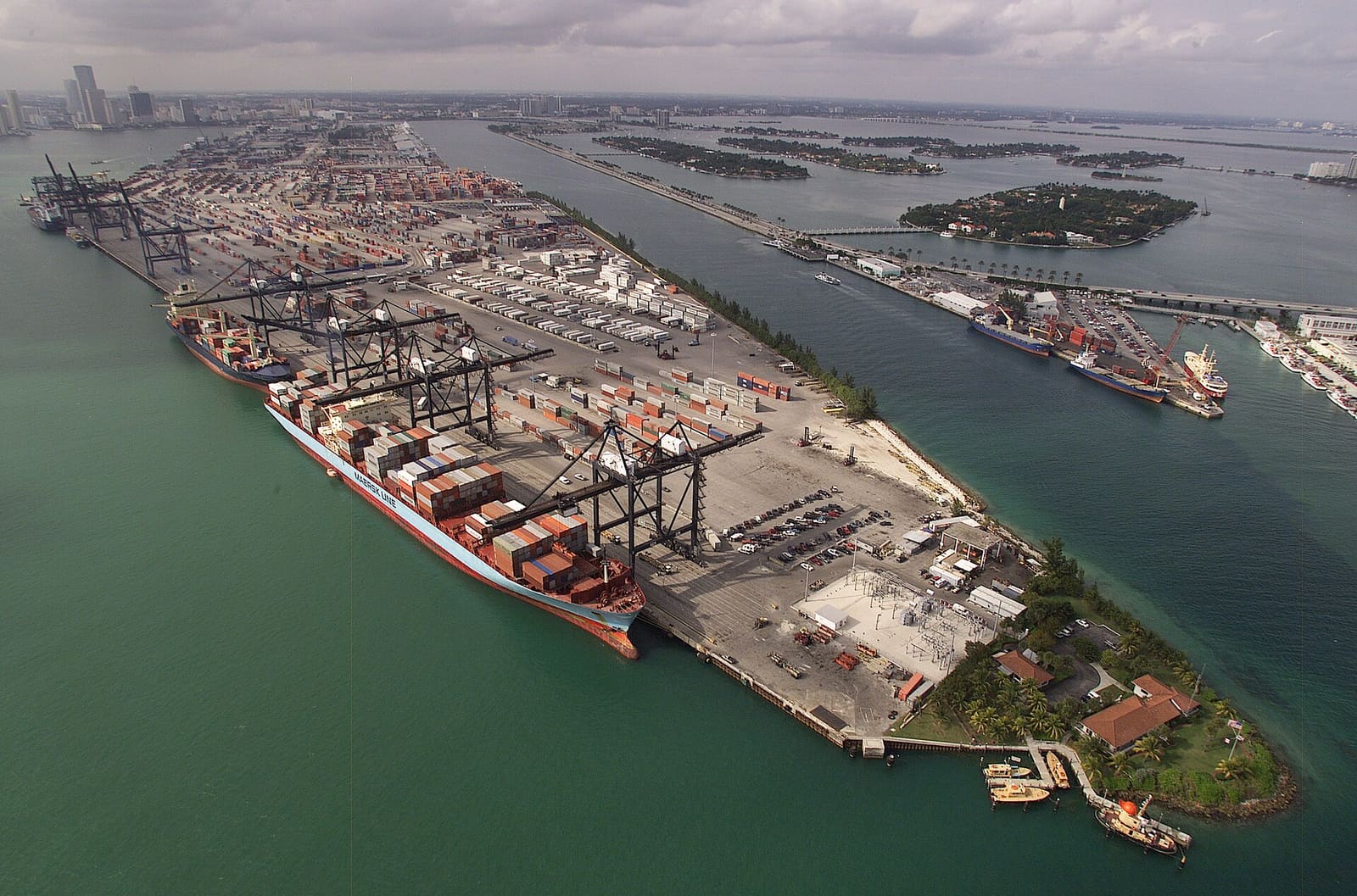
Ambarlı, on the Sea of Marmara west of central Istanbul, is Turkey's largest container port complex, combining several privately operated terminals that together handle the bulk of the country's containerised import and export volume. It sits close to Istanbul's vast consumer market and its industrial hinterland in Thrace, and connects onward by road and rail to Ankara, the Anatolian manufacturing belt, and further afield into the Middle East and the Caucasus. Other Turkish ports — Mersin on the Mediterranean coast, and Izmir on the Aegean — serve southern and western Anatolia respectively, but for China-origin cargo destined for Istanbul or northwestern Turkey, Ambarlı is the default call.
Sea Freight: Suez Canal or Cape of Good Hope
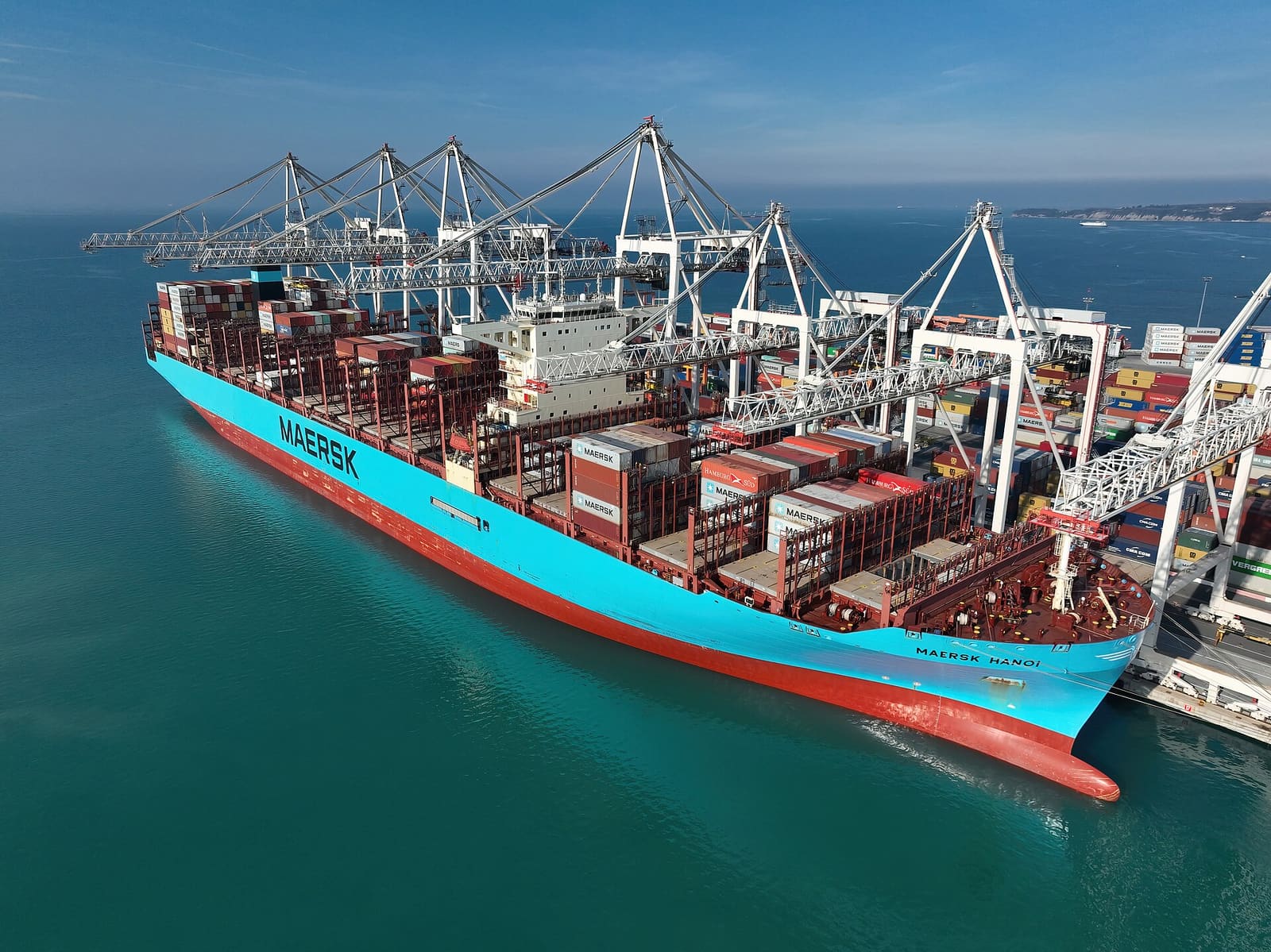
Historically, the great majority of China-Turkey container cargo moved through the Suez Canal, the shortest sea route between the two. Since late 2023, disruption in the Red Sea has pushed most major carriers to route Asia-Europe and Asia-Mediterranean strings around the Cape of Good Hope instead, adding meaningfully to transit time and, at times, to freight rates. Turkey's position at the eastern end of the Mediterranean means it feels this routing shift more directly than ports further into Northern Europe — a Cape routing adds real days to an Istanbul call that used to be a short hop past the Suez Canal. Shippers booking China to Turkey sea freight in 2026 should plan around whichever routing their carrier is currently running rather than assuming the pre-2024 Suez transit still applies by default.
The Middle Corridor: A Rail Alternative
Turkey is also a western terminus of the so-called Middle Corridor — the Trans-Caspian International Transport Route — which moves containerised cargo overland from China through Kazakhstan, across the Caspian Sea, through the South Caucasus, and into Turkey by rail and short sea legs. It is a more complex, multi-modal routing than a straight ocean or China-Europe rail service, and it remains a smaller share of total volume than sea freight, but it offers a genuine alternative for time-sensitive cargo that doesn't justify air freight rates, particularly when Red Sea disruption is adding days to the conventional sea route. A forwarder with rail relationships on this corridor can offer it as a real option rather than a theoretical one.
Realistic Transit Times: China to Turkey
| Routing | Mode | Approx. Time |
|---|---|---|
| China to Ambarlı via Cape of Good Hope | Sea (FCL/LCL) | 38–48 days |
| China to Ambarlı via Suez (when running) | Sea (FCL/LCL) | 25–32 days |
| China to Turkey via Middle Corridor | Rail + short sea | 18–26 days |
FCL, LCL, and Air Options
FCL remains the standard for established Turkish importers moving regular volumes, offering the most predictable cost per unit on either sea routing. LCL consolidation into Ambarlı is well established given Istanbul's role as a major consumption market, making it a practical option for smaller or first-time shipments. Air freight into Istanbul Airport is worth considering for high-value or urgent cargo — electronics components, fashion samples, pharmaceutical inputs — where the cost premium over sea or the Middle Corridor is justified by the time saved, particularly during periods when Red Sea disruption has stretched sea transit well beyond its historical norm.
Turkish Customs and the EU Customs Union
Turkey's customs union with the European Union, while not full EU membership, means many product categories entering Turkey face tariff and conformity rules closely aligned with EU standards — CE marking and equivalent Turkish conformity marks apply to a wide range of industrial and consumer goods. Turkish Customs (Ticaret Bakanlığı / the Ministry of Trade's customs directorate) requires a commercial invoice, packing list, bill of lading, and certificate of origin for standard clearance, with an import declaration filed electronically through Turkey's BİLGE customs system. As with most markets, accurate HS classification at the outset avoids costly reclassification and delay once the container reaches Ambarlı.
Two Tips for Shippers on the China-Turkey Lane
- Confirm your carrier's current routing before quoting a delivery date. The gap between a Suez and a Cape of Good Hope transit to Ambarlı can run two to three weeks — don't assume the shorter historical transit still applies without checking.
- Ask about the Middle Corridor for time-sensitive cargo. It won't suit every shipment, but for mid-value goods facing a tight delivery window during a period of sea-route disruption, it can outperform both air freight cost and sea freight speed.
RR Brothers and Logistics has managed China-Turkey freight for years as one of our core lanes, alongside India, Kenya and Nigeria — booking sea freight through Ambarlı, coordinating Middle Corridor rail options, and handling Turkish customs clearance from our Guangzhou base. As a freight forwarder and NVOCC, we track routing changes on this lane in real time so clients get an honest transit estimate rather than a pre-disruption number that no longer holds.
Frequently Asked Questions
Rail via the Middle Corridor is generally faster than current sea routings — roughly 18–26 days versus 25–48 days by sea, depending on whether the vessel transits Suez or the Cape of Good Hope. Sea freight still costs less per unit for large volumes.
Ambarlı, on Istanbul's Sea of Marmara coast, is Turkey's largest container port complex and the default call for China-origin cargo bound for Istanbul and northwestern Turkey. Mersin and Izmir serve southern and western Anatolia respectively.
Yes — many product categories face conformity requirements closely aligned with EU standards, including CE marking equivalents, even though Turkey is not an EU member. Accurate HS classification and the right conformity documentation matter as much here as they would for an EU-bound shipment.
Yes. Most carriers route Asia-Mediterranean strings around the Cape of Good Hope rather than through the Suez Canal, which adds transit time and has kept rates elevated compared with pre-2024 levels on this lane.