Climate Risk Has Become a Capital Planning Problem
Port authorities have always planned around tides, storms and seasonal weather, but the scale of investment now going into climate adaptation marks a real shift in how gateway infrastructure gets built. Quay walls, electrical substations, reefer plug yards and crane rail are typically engineered to last 30 to 50 years, which means a terminal approved today has to perform under sea-level and storm conditions that may look meaningfully different by the 2060s or 2070s. That long asset life is exactly why port climate resilience has moved from an environmental talking point into a line item in capital improvement budgets, and why it increasingly shapes the transportation logistics reliability that shippers and forwarders depend on when choosing a routing. A port that defers this planning isn't just accepting environmental risk in the abstract — it is quietly accumulating operational risk that eventually shows up as unplanned closures, draft restrictions or congestion at the worst possible moment for the cargo owners relying on it.
Elevated Infrastructure and Flood-Hardened Terminals
The most visible category of investment is physical elevation and flood-proofing of terminal assets that sit close to current sea level. The Port of Miami has secured more than US$19.5 million from Florida's Resilient Florida Program to build a new elevated bulkhead at Berth 10, protecting the cargo roadway, container yard and an electrical substation from floodwater intrusion. Port Everglades, also in Florida, has been awarded a US$32 million grant for bulkhead replacement engineered around a projected 4.36 feet of sea-level rise by 2095 — a specific, modeled design target rather than a general safety margin. These aren't retrofits after a flood event; they're pre-emptive capital projects sized against decades-out projections, which is the defining feature of genuine resilience planning as opposed to disaster recovery.
Sea Walls and Storm Surge Defenses
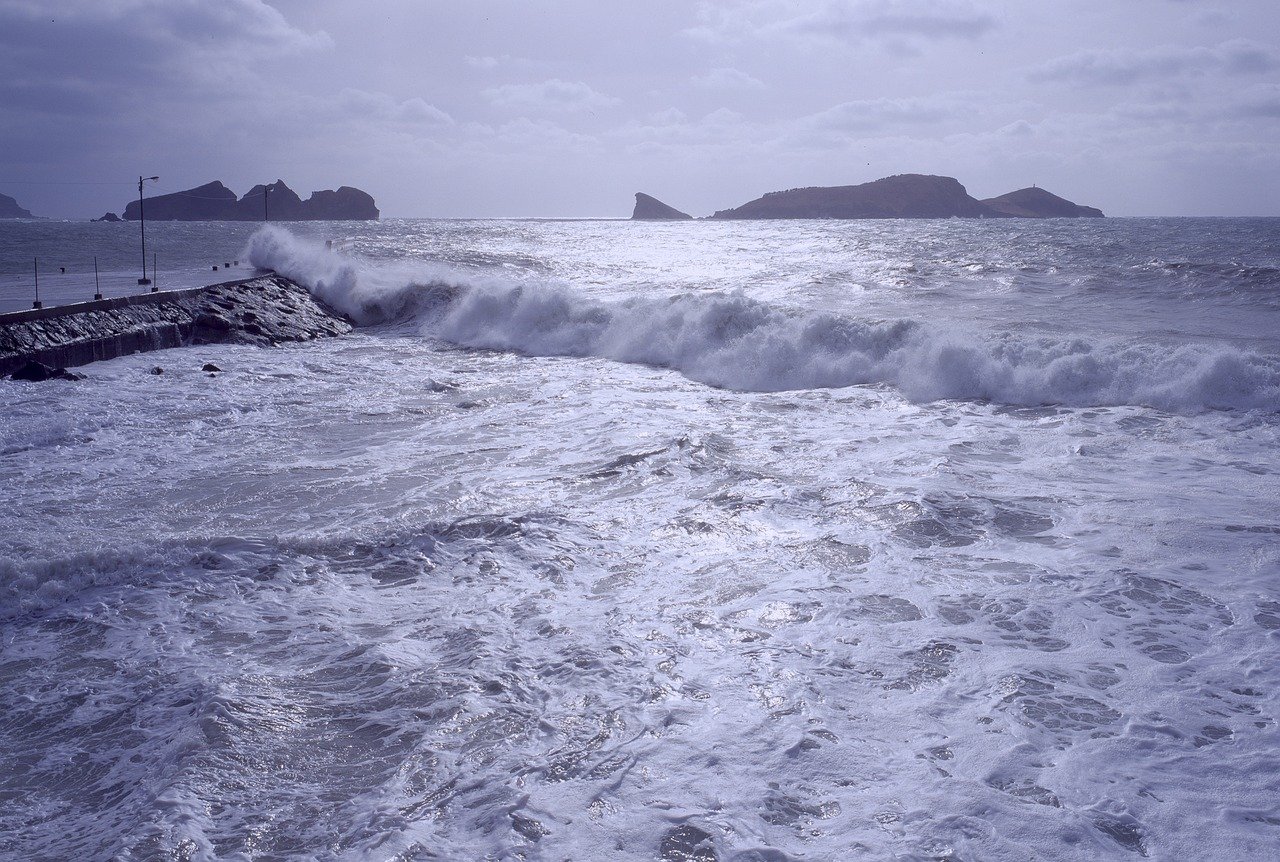
Beyond elevating individual berths, many gateway cities are extending or reinforcing the sea walls and coastal promenades that separate port and city infrastructure from open water. These structures are designed to absorb wave energy during storm surge events and to slow the pace at which rising mean sea levels translate into flooding of cargo-handling areas. San Francisco's port commission has outlined planning scenarios in which the shoreline may need to be raised by 2 to 7 feet over coming decades, a range that itself signals how much uncertainty resilience engineers have to design around. For port climate resilience planning to be credible, defenses generally need to be modular and extendable, since a wall built to today's best projection may need raising again as updated climate models arrive.
Drought Risk: The Other Side of Climate Exposure
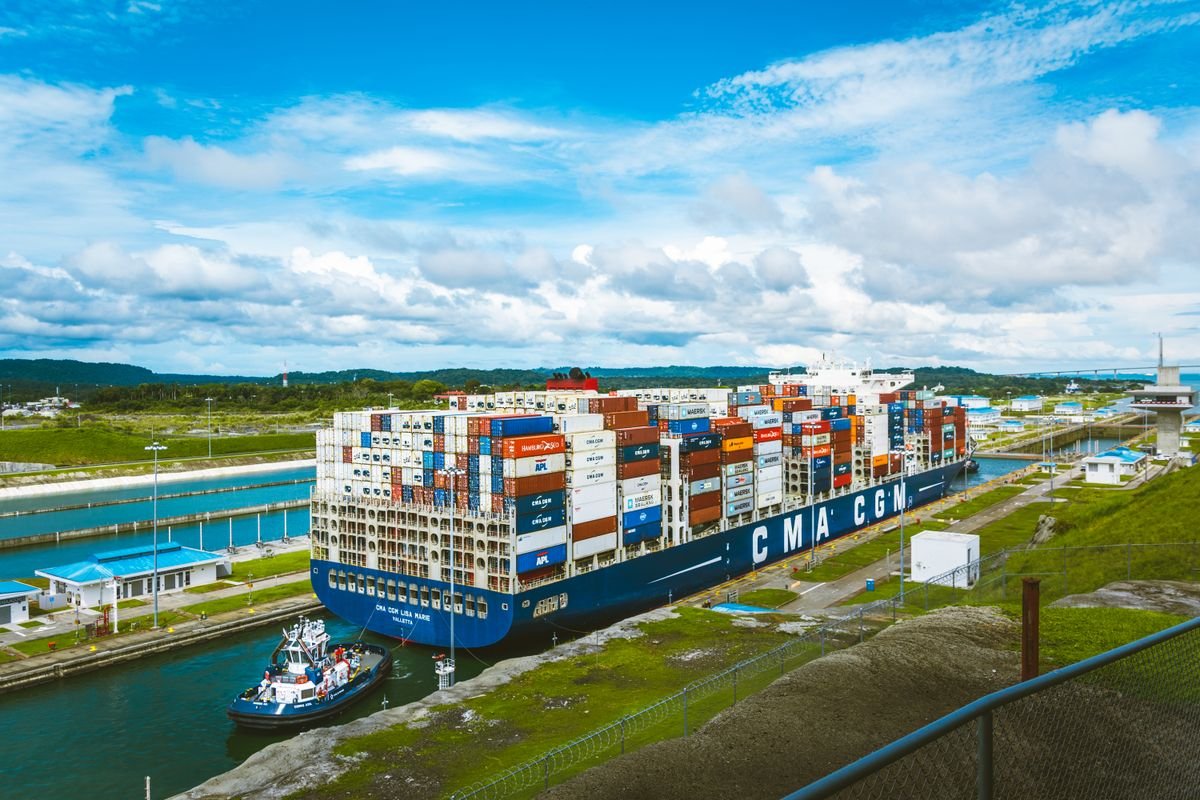
Flooding dominates the public conversation around port climate resilience, but water scarcity has proven just as disruptive to global transportation logistics. The clearest precedent is the Panama Canal, where a prolonged drought forced the Panama Canal Authority to restrict vessel draft and daily transit slots because the canal's lock system depends on fresh water from Gatun Lake rather than seawater. We covered the operational fallout from that event in detail in our analysis of the Panama Canal drought's lasting effects on global shipping, but the planning lesson for port operators elsewhere is broader: resilience strategy has to account for freshwater-dependent infrastructure, not just coastal flood exposure, especially at inland ports and canal systems that sit far from any ocean.
Heat, Storm Intensity and Operational Disruption Beyond Flooding
Flooding and drought get most of the attention because they threaten physical assets directly, but port operators are increasingly planning around a third category of risk: the operational disruption caused by more frequent and more intense storm events, and by extreme heat that limits how long dockworkers and crane operators can safely remain on exposed equipment. A single named storm that forces a 24 to 48 hour terminal closure doesn't just halt that port's own throughput — it backs up vessel queues, delays onward rail and road connections, and ripples into schedule reliability for every shipper with cargo moving through that gateway in the following weeks. Heat stress rules that pause outdoor crane and yard operations during the hottest parts of the day are also becoming more common at ports in already-warm regions, which planners now treat as a predictable seasonal productivity constraint rather than an occasional exception. Resilience planning increasingly has to account for this kind of intermittent capacity loss alongside the more dramatic scenario of a port being physically underwater, because for a shipper waiting on a container, a terminal that's technically still standing but operating at reduced throughput for weeks at a time can be just as disruptive as one that's temporarily closed.
Funding the Transition: Who Pays for Port Resilience
Resilience projects at this scale rarely come from a port authority's operating budget alone. The Port of Seattle's Maritime Division has built a 2026–2030 capital plan worth roughly US$737 million, with a substantial share earmarked for climate adaptation and low-carbon infrastructure, sitting inside a wider US$4.4 billion five-year capital program. The Port of Oakland, by comparison, combined a US$3 million Caltrans grant with its own US$1.5 million contribution toward a US$4.5 million vulnerability assessment and planning renovation — a pattern of blended state, federal and port-authority funding that shows up repeatedly across North American gateways. The scale of the cost is also the scale of the risk: the World Economic Forum has estimated that without adaptation investment, climate-related disruption could cost the global port sector US$25–30 billion annually by 2050, which is the real financial argument behind these capital programs.
- Elevated or flood-hardened berths — raised bulkheads, cargo roadways and electrical infrastructure built above current and projected flood lines, as seen at Port of Miami and Port Everglades.
- Extended sea walls and storm surge barriers — coastal defenses sized to modeled sea-level rise scenarios rather than historical tide data alone.
- Drought and water-supply contingency planning — relevant to canal systems and inland ports where fresh water availability, not seawater, constrains operations, as the Panama Canal case demonstrated.
- Vulnerability assessments and asset inventories — the planning step ports like Oakland are funding before committing to major construction, mapping which specific assets face the highest near-term exposure.
- Diversified capital funding — blending port-authority revenue, state climate resilience grants and federal infrastructure programs to spread the cost of multi-decade projects.
What Resilience Investment Means for Routing Decisions
For shippers and forwarders, the practical question isn't whether climate change is real — it's which gateways are managing the exposure well enough to keep operating reliably through storm seasons, drought years and the gradual creep of higher tides. A port that has already elevated its most flood-prone berths and published a funded capital plan is a materially different risk than one that hasn't begun the assessment stage. This is becoming a genuine input into transportation logistics planning alongside the more familiar factors of transit time, handling cost and customs efficiency, because an unplanned port closure or draft restriction can erase whatever advantage a faster routing offered in the first place. The comparison below summarizes the practical gap between the two postures.
| Factor | Port Without a Funded Resilience Plan | Port With Active Resilience Investment |
|---|---|---|
| Flood exposure of critical assets | Unassessed or unaddressed | Mapped, with elevation/flood-proofing underway |
| Response to severe weather events | Reactive, often unplanned closures | Pre-engineered defenses reduce closure frequency |
| Capital funding visibility | None published | Multi-year capital plan with funding sources named |
| Long-term schedule reliability | Declining as climate exposure grows | Stable, factored into forwarder routing advice |
A Broader Pattern: Weather Resilience Across the Supply Chain
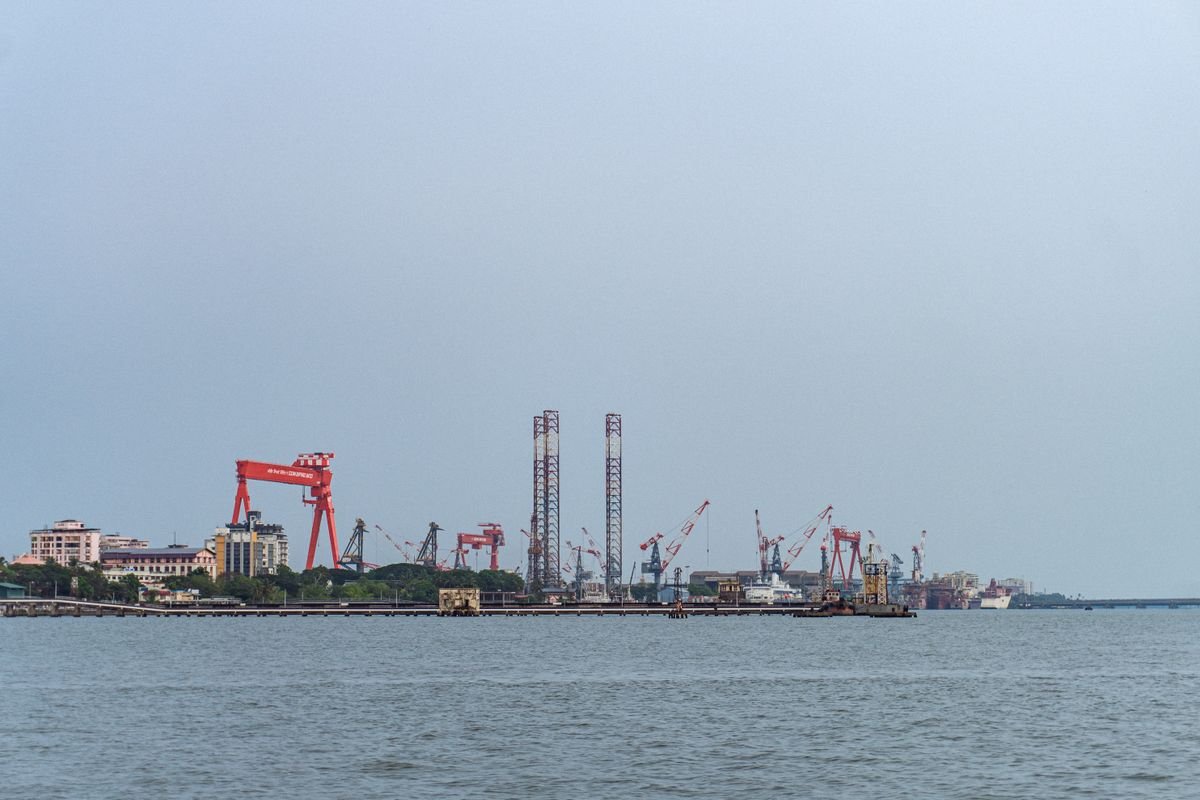
Port-level climate adaptation is one piece of a wider resilience conversation that now touches nearly every mode of transportation logistics, from warehouse siting to inland trucking routes exposed to flooding and extreme heat. Our companion piece on extreme weather and transportation logistics resilience looks at how that same planning discipline applies beyond the port gate. In parallel, infrastructure modernization programs such as India's Sagarmala initiative — covered in our Sagarmala project update on India's evolving port infrastructure — show that resilience and capacity expansion are increasingly being planned together rather than as separate budget lines, since a new berth built today is built with the next several decades of climate exposure already in mind.
How RR Brothers and Logistics Can Help
As a freight forwarder moving cargo through gateway ports across China, India, Turkey, Kenya, Nigeria and beyond, RR Brothers and Logistics tracks which ports in our network are actively investing in climate and drought resilience, and we factor that into the routing advice we give clients handling time-sensitive or high-value cargo. Where a specific gateway carries elevated seasonal risk, our team can help structure a multimodal routing plan — combining sea, rail and road freight — that keeps your transportation logistics moving even when a single port faces a weather-related disruption. Download our company brochure (PDF) for a full overview of our services and global network, or speak with our team about the resilience profile of the specific ports in your supply chain.
Port operators themselves are also sharing resilience benchmarks and best practices through international bodies such as the IAPH World Ports Sustainability Program, which tracks climate adaptation projects across member ports worldwide — a useful reference point for any shipper trying to understand how seriously a given gateway is treating climate risk.
Frequently Asked Questions
Port infrastructure like quay walls, cranes and electrical substations is designed to last 30 to 50 years or longer, so operators that wait until flooding or storm damage actually occurs end up retrofitting under emergency conditions at far higher cost than building resilience into planned capital upgrades today.
Indirectly, yes. Ports sometimes pass infrastructure investment costs through terminal handling charges, but the bigger rate impact tends to come from the alternative: unplanned closures and congestion at vulnerable ports push cargo onto fewer resilient gateways, tightening capacity and pushing rates up during disruption events.
The Panama Canal drought showed that climate risk to maritime trade isn't limited to coastal flooding — a shortage of fresh water for the canal's lock system forced draft and transit restrictions for an extended period, demonstrating that inland water availability is as much a resilience planning factor as sea-level rise.
Most port authorities now publish climate adaptation or capital improvement plans that outline flood defense and infrastructure upgrade projects, and an experienced freight forwarder tracking these gateways can advise shippers on which ports carry lower disruption risk for a given routing.